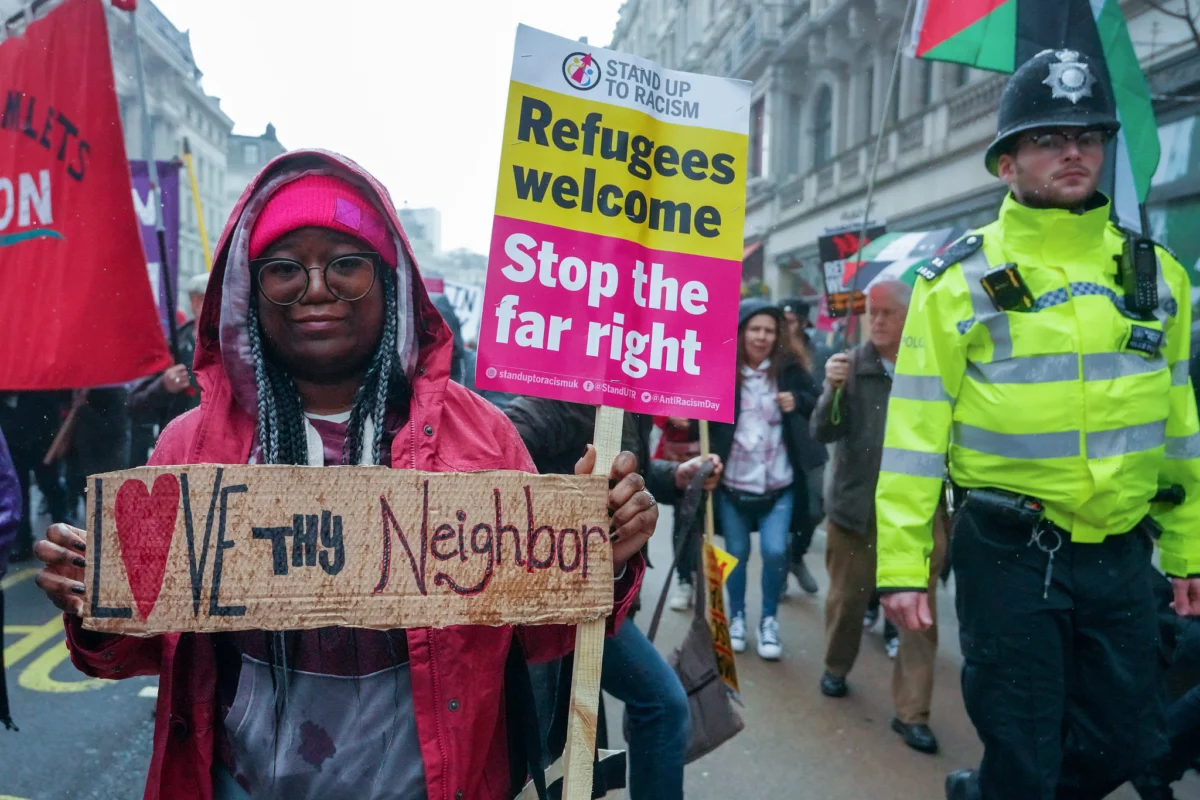
As the United Kingdom approaches a pivotal set of local elections on May 7, 2026, the focus of political discourse is shifting from Westminster to the town halls and civic centers that govern daily life. With 5,014 seats contested across 136 English local authorities, alongside significant national elections in Scotland and Wales, the 2026 cycle represents a critical juncture for addressing systemic inequality. While national politics often dominates the headlines, local government remains the primary arbiter of essential services, including social housing, social care, urban planning, and public procurement. These functions are not merely administrative; they are the front lines in the struggle against socio-economic disparity.
Local councils possess the mandate to either challenge or entrench the divide between the wealthy and the marginalized. In the current economic climate, characterized by the lingering effects of inflation and a decade of fiscal constraints, the role of local representatives has never been more scrutinized. Candidates from across the political spectrum are expected to present robust manifestos, yet advocacy groups warn that rhetoric must be matched by actionable commitments. This guide provides an analytical framework for voters to evaluate candidates, engage with the democratic process, and demand tangible solutions to the inequality crisis.
The Chronology of the 2026 Election Cycle
The road to the May 7 polls began in early 2026 as political parties finalized their candidate lists and local associations published their preliminary manifestos. By mid-March, the official "purdah" period—a time of heightened sensitivity where local authorities must avoid making announcements that could be seen as politically advantageous—commenced. Throughout April, the campaign trail intensified, with doorstep canvassing and public hustings becoming the primary venues for voter engagement.
The 2026 elections are particularly significant as they occur exactly one decade after the initial implementation of many "devolution deals" in major English regions. This milestone offers a moment of reflection on whether the transfer of power from central government to local mayors and councils has successfully narrowed the regional wealth gap. In Scotland and Wales, the stakes are equally high as voters decide on the composition of their respective parliaments, influencing national policies on taxation, education, and health.
The Statistical Reality of Inequality in the United Kingdom
To understand the stakes of these elections, one must examine the current landscape of inequality in the UK. Research from organizations such as The Equality Trust and the Joseph Rowntree Foundation suggests that the UK remains one of the most unequal high-income nations in the world. The top 10% of households currently hold 43% of the nation’s wealth, while the bottom 50% hold just 9%. This disparity is not merely a matter of financial metrics; it translates into significant differences in life expectancy, educational attainment, and mental health outcomes.
Locally, the data is even more stark. In many urban centers, life expectancy can vary by as much as a decade between neighborhoods separated by only a few miles. Furthermore, the housing crisis continues to exacerbate wealth gaps. As of 2025, over 1.2 million households remained on local authority waiting lists for social housing, while the private rental sector saw costs rise at a rate significantly outstripping wage growth. These statistics provide the necessary context for voters as they assess the promises of local candidates.
Five Strategic Pillars for Evaluating Candidates
Voters are encouraged to move beyond partisan loyalty and focus on five key policy areas where local councils hold significant leverage.
1. Affordable Housing and the Utilization of Empty Homes
Housing is arguably the most powerful tool a council possesses to combat local inequality. Councils have the authority to set requirements for "affordable" units in new developments via Section 106 agreements. However, critics argue that these targets are frequently negotiated downward by developers citing viability concerns. Voters should inquire whether candidates will commit to enforcing strict affordable housing quotas and whether they will utilize legal powers, such as Compulsory Purchase Orders (CPOs), to bring long-term empty properties back into use.
2. Adoption of the Socio-Economic Duty
The Equality Act 2010 contains a provision known as the "Socio-Economic Duty" (Section 1), which requires public bodies to consider how their decisions can reduce the inequalities resulting from socio-economic disadvantage. While the UK government has never formally commenced this duty at the national level in England, many forward-thinking councils have adopted it voluntarily. This adoption forces a transparent assessment of how budget cuts or service changes impact the poorest residents. A candidate’s willingness to support this duty is a litmus test for their commitment to structural fairness.
3. Progressive Procurement and Community Wealth Building
Local authorities spend billions of pounds annually on goods and services. Traditionally, this procurement has favored large, often multinational, contractors. However, the "Preston Model"—pioneered in Lancashire—demonstrates how councils can redirect this spending toward local cooperatives and small businesses. By building "community wealth," councils can ensure that public money remains within the local economy, supporting living wages and local employment rather than being extracted as shareholder dividends.
4. Democratic Transparency and Resident Participation
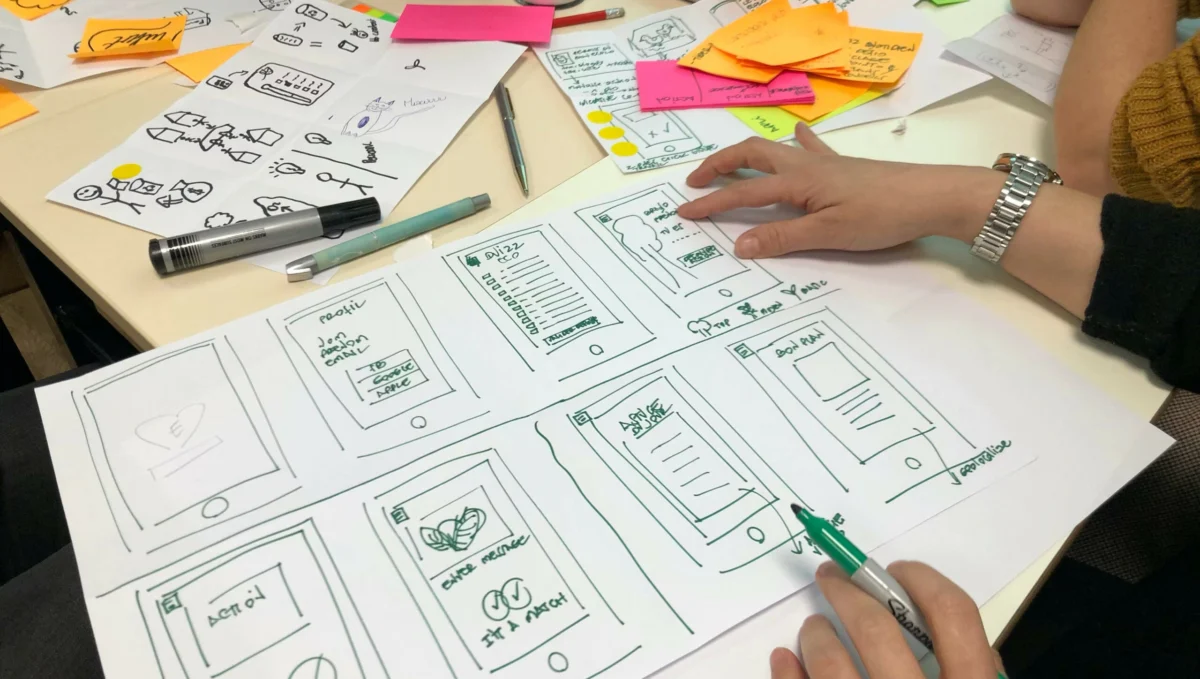
Public trust in local government is often undermined by a perceived lack of transparency. The 2026 elections come at a time when participation in local democracy remains historically low, with turnout often hovering between 30% and 35%. Candidates should be asked how they intend to modernize council proceedings, improve access for marginalized groups, and ensure that planning decisions are not made behind closed doors. The use of "citizens’ assemblies" or participatory budgeting—where residents vote directly on how a portion of the local budget is spent—are increasingly seen as viable solutions to this democratic deficit.
5. Protection of Social Care and Essential Services
Following years of central government funding reductions, many councils have reached a "breaking point," with some even issuing Section 114 notices, effectively declaring bankruptcy. This has led to devastating cuts to social care, youth services, and community libraries. Candidates must be pressured to explain not just what they want to protect, but how they will sustainably fund these services. This includes their stance on council tax reform and their strategy for lobbying central government for a more equitable funding formula.
Media Engagement and Public Accountability
The role of the media in local elections is vital for maintaining accountability. Local newspapers and radio stations provide a platform for constituents to voice their concerns and challenge candidates directly. Radio call-ins, such as those on LBC or BBC Local Radio, offer a unique opportunity for voters to put politicians on the spot in a live environment. Experts suggest that when calling in, voters should lead with personal or local anecdotes—such as the closure of a local library or the rise in local homelessness—before pivoting to a broader question about structural policy.
Similarly, writing letters to local editors remains an effective way to influence the local political agenda. A well-crafted letter that links a specific local issue to the broader theme of inequality can often spark a wider public debate. In an era of digital media, these traditional methods still hold significant weight with local councilors who are sensitive to the opinions of their most engaged constituents.
Official Responses and Political Party Dynamics
In the lead-up to the 2026 elections, the major political parties have adopted varying stances on local government empowerment. The governing party has emphasized "levelling up" through targeted infrastructure investment, though critics argue the funding is insufficient to offset previous cuts. The opposition has focused on "take back control" legislation designed to give councils more autonomy over transport and energy.
Meanwhile, smaller parties and independent candidates are increasingly gaining ground by focusing on hyper-local issues, such as low-traffic neighborhoods (LTNs) or the preservation of green belts. However, the common thread across all platforms is the recognition that the "status quo" in local government funding is unsustainable. Political analysts suggest that the 2026 results will be a bellwether for the next general election, reflecting the public’s appetite for radical reform in how local services are delivered.
Analysis: The Broader Implications of Local Decisions
The decisions made by the 5,014 councilors elected in 2026 will have ripples far beyond their immediate wards. Local government is a laboratory for policy innovation. When a council adopts a "Living Wage" policy for all its contractors, it sets a standard for the local private sector. When a council successfully integrates social care with local health services, it provides a blueprint for national reform.
Furthermore, local inequality is a major driver of national economic stagnation. High housing costs in productive areas prevent labor mobility, while inadequate social care keeps potential workers out of the economy to perform unpaid care duties. By tackling these issues at the root, local councils perform a vital macroeconomic function. The 2026 elections are therefore not a "footnote" to national politics, but rather the foundation upon which a more equal society must be built.
Conclusion: The Path to May 7
As the campaign enters its final week, the onus remains on the electorate to demand clarity and commitment. The challenges of 2026—from the housing crisis to the funding of social care—are significant, but they are not insurmountable. By utilizing the tools of democratic engagement, from hustings to local media, voters can ensure that the candidates who earn their vote are those truly prepared to tackle the inequality that diminishes the quality of life for all. The power of the local council is the power of the community; on May 7, that power returns to the hands of the people.