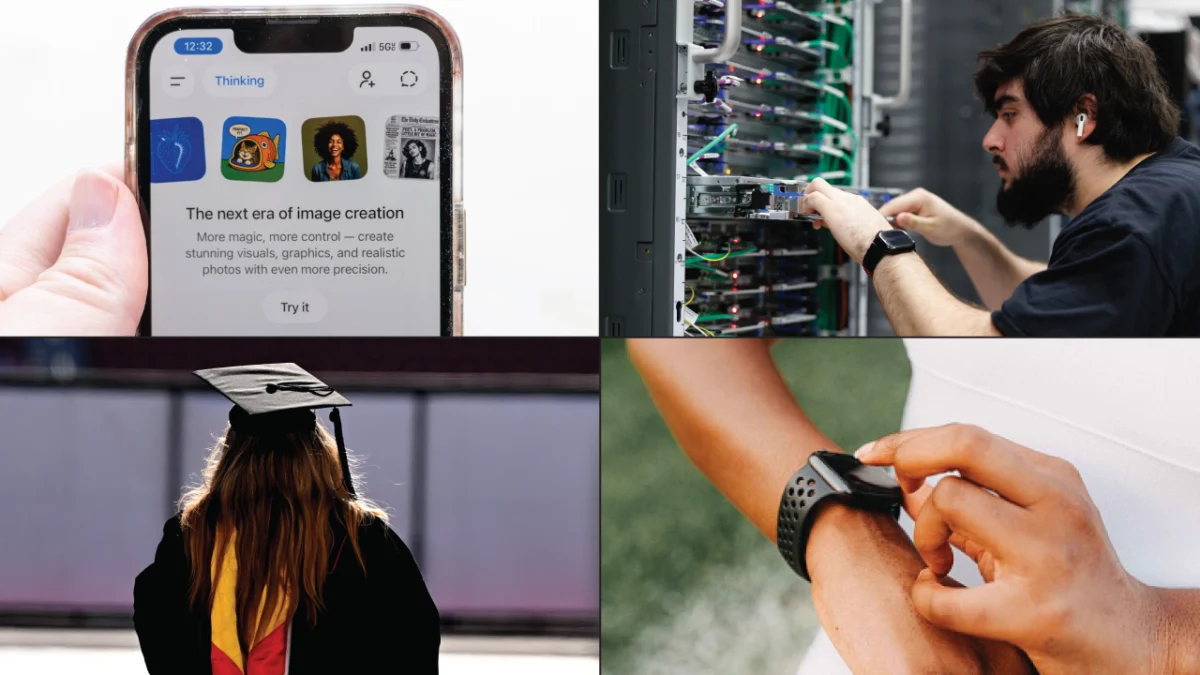
In a comprehensive examination of artificial intelligence’s burgeoning role in daily life, a recent Pew Research Center study reveals a complex landscape of AI adoption and public perception across the United States. The study, conducted in February 2026 with over 5,000 U.S. adults, delves into the usage patterns of AI chatbots and AI-enabled smart home devices, alongside Americans’ evolving opinions on the technology’s societal and personal ramifications. This research effort underscores Pew Research Center’s ongoing commitment to informing the public, journalists, and policymakers about the transformative impact of emerging technologies.
AI’s Generational Divide: Skepticism and Uncertainty Prevail
A significant finding of the study highlights a pronounced age-based divergence in how Americans perceive the future impact of artificial intelligence. While AI has been a rapidly evolving area of technological advancement for decades, its integration into everyday life has amplified generational differences in both understanding and apprehension.

The survey data indicates that younger adults, particularly those aged 18-29, are the most vocal in their skepticism regarding AI’s future. A substantial 48% of this demographic believes AI will have a negative impact on society over the next two decades, with only 14% anticipating a positive outcome. This outlook is mirrored in their personal expectations, with 37% of young adults anticipating a negative personal impact from AI, compared to 20% who foresee a positive one.
In contrast, older adults, especially those aged 65 and older, exhibit a greater degree of uncertainty. While their views on the negative societal impact of AI are less pronounced than younger demographics (35%), a considerable 21% express uncertainty about AI’s societal influence, a significantly higher proportion than any other age group. This uncertainty extends to personal impact, with 29% of those 65 and older unsure about how AI will affect them personally, a figure substantially higher than other age brackets.
Across all age groups, the prevailing sentiment leans towards apprehension rather than optimism. For society, 40% of all U.S. adults anticipate a negative impact from AI, while only 16% expect a positive one. Similarly, for personal impact, 31% foresee negative consequences, with 23% expecting positive ones. Interestingly, a notable segment of the population, ranging from 23% to 32% across age groups, believes the impact will be a balanced mix of positive and negative.

Furthermore, a clear consensus emerges regarding the pace of AI development. A consistent majority, ranging from 61% to 65% across all age demographics, feels that AI is advancing too quickly. This sentiment suggests a collective unease about the speed at which AI capabilities are evolving and being integrated into society, irrespective of individual usage patterns or outlooks.
Chatbot Adoption on the Rise, But Usage Patterns Vary
The study also illuminates the growing adoption of AI chatbots, such as ChatGPT, Gemini, and Copilot, with usage rates climbing across all age groups. However, significant disparities persist, with younger Americans being the most active users.
In February 2026, 49% of all U.S. adults reported ever using an AI chatbot. This figure represents a substantial increase from 33% in 2024. The most dramatic surge in usage is observed among middle-aged adults. For instance, the share of adults aged 30-49 who use chatbots has jumped from 41% in 2024 to 61% in 2026, nearly matching the usage rates of younger adults aged 18-29, which rose from 55% to 66% in the same period. Even among older demographics, chatbot usage has seen an increase: 42% of those aged 50-64 now use chatbots, up from 25% in 2024, and for those 65 and older, usage has climbed from 12% to 23%.

Daily engagement with chatbots also shows a clear age correlation. A third of adults under 50 report using AI chatbots daily. Specifically, 31% of those aged 18-29 and 34% of those aged 30-49 engage with these tools on a daily basis. This contrasts sharply with older demographics, where only 19% of those aged 50-64 and a mere 7% of those 65 and older report daily usage.
When it comes to specific chatbot platforms, ChatGPT remains the dominant choice across all age groups. A notable 44% of U.S. adults have used ChatGPT, with usage peaking among younger demographics: 61% of 18-29 year olds and 55% of 30-49 year olds report using it. Gemini follows as the second most popular option, with 24% of adults having used it, followed by Copilot (17%) and Meta AI (14%). Usage of other platforms like Grok, Claude, and Character.ai remains significantly lower across all age brackets.
The ways in which Americans utilize chatbots also reveal generational preferences. A majority of adults under 50 (around 54%) use chatbots to search for information. For employed adults under 50, a significant 41% leverage these tools for tasks at work. Younger adults also show a higher propensity for using chatbots for creative endeavors, with 34% using them to create or edit images or videos, and 33% using them for fun or entertainment.

Perhaps one of the more striking findings is the use of chatbots for emotional support. A notable 20% of adults aged 18-29 report using chatbots for emotional support or advice. This figure declines significantly with age, dropping to 13% for those aged 30-49, and further to 4% for those aged 50-64 and just 2% for those 65 and older. This data point, emerging in an era where the ethical implications of AI in mental well-being are a subject of ongoing expert debate, highlights a nascent but significant trend among younger generations.
Awareness and Confidence in AI Capabilities
While awareness of AI chatbots has grown substantially, a notable gap exists in the depth of understanding, particularly among older Americans. Overall, 87% of U.S. adults have heard at least a little about AI chatbots. However, only 44% have heard "a lot." This "heard a lot" metric shows a clear age gradient, with 66% of 18-29 year olds reporting extensive familiarity, compared to just 20% of those 65 and older.
This disparity in awareness is mirrored in confidence levels regarding the use of AI chatbots. Thirty-one percent of adults under 30 consider themselves "extremely" or "very" confident in their ability to use AI chatbots, a stark contrast to the 6% of those aged 65 and older who express similar confidence. Across all age groups, confidence levels in using chatbots remain moderate, with no single demographic overwhelmingly reporting high confidence.

Perceptions of AI’s Impact on Creativity and Productivity
When it comes to the impact of AI chatbots on personal attributes, opinions are divided, with age playing a crucial role. Americans are generally more inclined to believe that using AI chatbots enhances their creativity rather than hindering it. However, for adults under 30, these views are nearly evenly split. Twenty-five percent of this age group believes chatbots help their creativity, while 20% feel they hurt it. This sentiment suggests a complex relationship between younger users and AI tools, where potential benefits are weighed against perceived drawbacks.
For older demographics, the perception leans more positively. Adults aged 30-49 are more likely to see chatbots as beneficial for creativity (27% vs. 14% who believe it hurts). This positive outlook strengthens among older age groups, though the overall number of individuals believing it helps remains relatively modest, with only 10% of those 65 and older reporting that chatbots help their creativity.
Regarding productivity and other impacts, age differences become less pronounced. For instance, the impact of AI chatbots on an individual’s productivity, how informed they feel, their happiness, and their relationships with other people did not show significant age-based variations in the study’s findings.

AI-Enabled Smart Devices and Search Summaries
The integration of AI into everyday devices and online services is also evident. A majority of Americans (60%) report reading AI-generated summaries at the top of search engine results, a feature increasingly common in major search engines. However, this behavior is less prevalent among older adults, with only 38% of those aged 65 and older indicating they read these summaries, compared to 72% of 18-29 year olds and 68% of 30-49 year olds.
The ownership of AI-enabled smart devices also shows age-related patterns. Smartwatches, such as Apple Watch or Google Pixel Watch, are more common among adults under 50, with 44% in both the 18-29 and 30-49 age brackets reporting ownership. This percentage decreases to 35% for those aged 50-64 and 24% for individuals 65 and older.
Furthermore, specific smart home devices with AI features show a concentration of adoption among adults in their 30s and 40s. This demographic is more likely to own smart speakers (41%), smart doorbells (23%), and smart thermostats (15%) that incorporate AI capabilities, compared to younger or older age groups. Robot vacuums also show a similar, albeit less pronounced, trend, with 15% of those aged 30-49 owning one.

This research from the Pew Research Center provides a critical snapshot of how artificial intelligence is weaving itself into the fabric of American society. The findings underscore the diverse experiences and perspectives that exist, particularly across different age groups, and highlight the ongoing need for research and public discourse as AI continues its rapid evolution. The study’s detailed breakdown of usage, perceptions, and confidence levels serves as a vital resource for understanding the current state and future trajectory of AI in the United States.