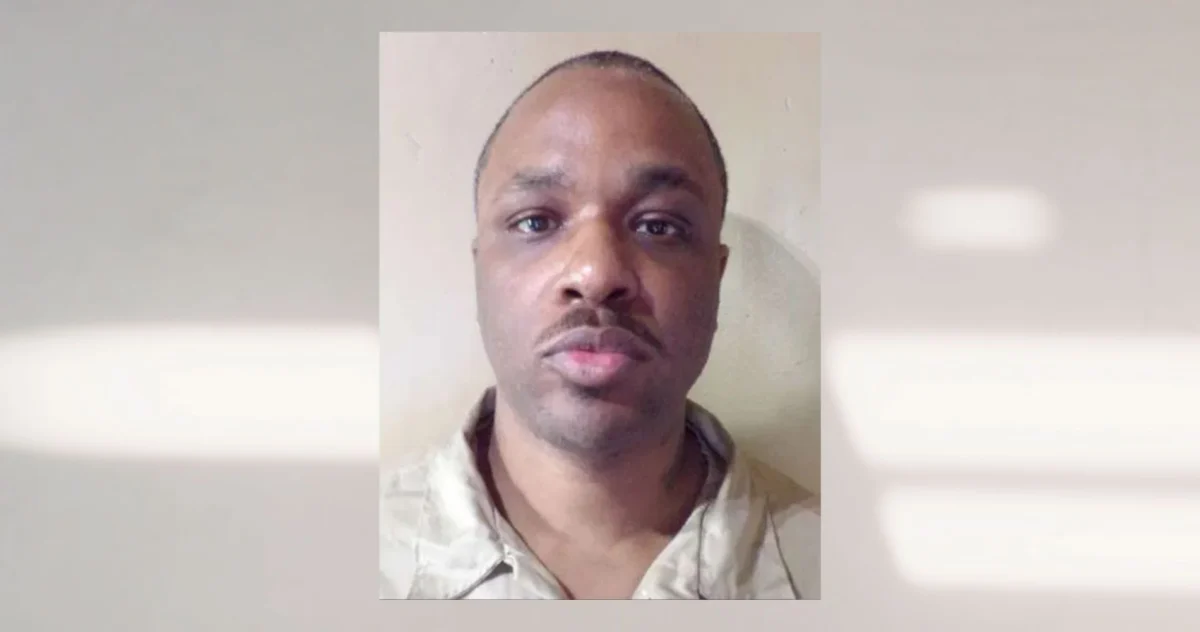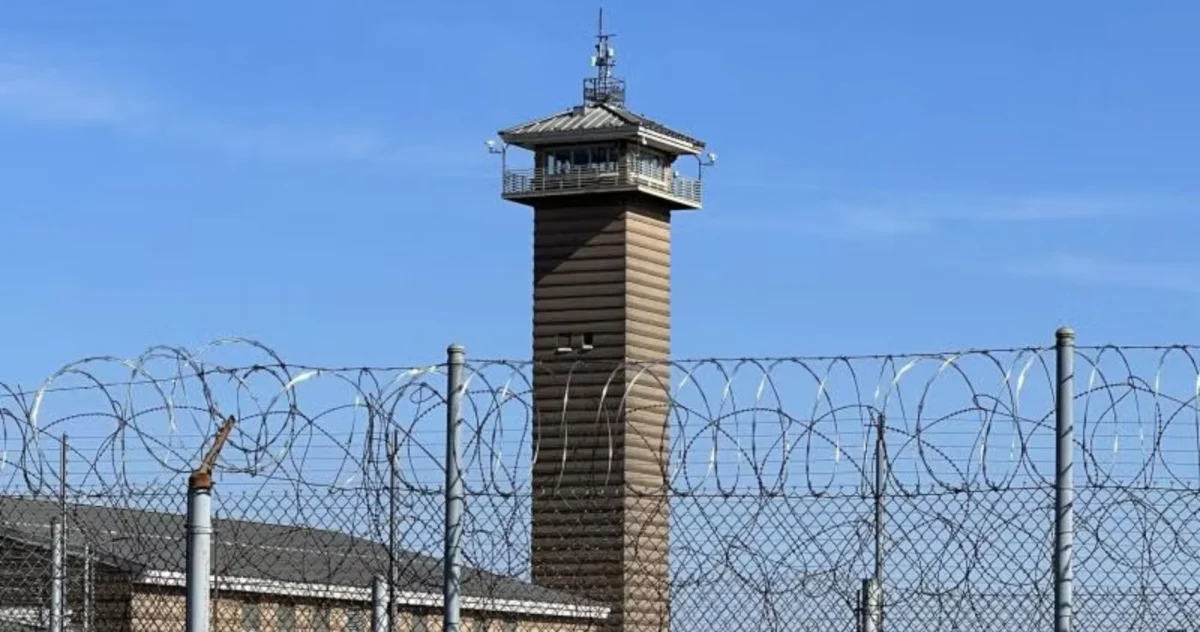
This month, the Alabama Department of Forensic Sciences (ADFS) finally released records confirming that Reginald Harris, a 46-year-old incarcerated individual, died on November 7, 2024, from stab wounds sustained in a brutal assault at Alabama’s Limestone Correctional Facility. Located northwest of Huntsville, Limestone has become a grim symbol of the deepening crisis within the state’s correctional system, with Harris’s death marking at least the sixth confirmed homicide at the facility in 2024 alone. The belated release of Harris’s autopsy report, nearly seven months after his death, underscores a persistent lack of transparency and accountability that has plagued the Alabama Department of Corrections (ADC) for years, drawing increasing scrutiny from federal authorities and human rights advocates.
A Delayed Revelation: The Details of Reginald Harris’s Death
According to the ADFS forensics report, Reginald Harris suffered multiple stab wounds to his head and torso on October 29, 2024, within the confines of Limestone Correctional Facility. The severity of his injuries necessitated his immediate transfer to a local hospital, where he remained in critical condition for a week. Despite medical efforts, Mr. Harris succumbed to his wounds on November 7, 2024. The subsequent autopsy, performed by the ADFS shortly after his death, definitively concluded the manner of death as homicide, attributing the cause to "sharp force injuries."
The delay in the public disclosure of these critical details is particularly troubling. While the autopsy was completed in late 2024, the report was not made available as a public record until June 2025. This significant lag between the event, the official determination of homicide, and public notification is not an isolated incident but rather a recurring pattern that obstructs public understanding and oversight of prison conditions. Critically, the Alabama Department of Corrections has yet to issue any public statement regarding Mr. Harris’s violent death, nor has it provided any information about an investigation into the circumstances surrounding the assault. This silence is consistent with the ADC’s long-standing practice of withholding information about deaths, assaults, and other serious incidents occurring within its facilities, even in cases where homicides are confirmed.
Limestone’s Deadly Year: A Pattern of Unchecked Violence
Reginald Harris’s death is not an anomaly but rather the latest tragic entry in a disturbing chronology of violence at Limestone Correctional Facility throughout 2024. The facility recorded an unprecedented number of homicides that year, painting a stark picture of a system struggling to maintain order and ensure the safety of those in its custody. The victims, alongside Mr. Harris, include:
- Taurus White: Stabbed to death on March 5, 2024. His death was widely reported as the 100th prison homicide in Alabama since the U.S. Department of Justice (DOJ) launched its investigation into the state’s prisons.
- Samuel Ward: Also stabbed to death on March 23, 2024, less than three weeks after Taurus White’s killing, further highlighting the escalating crisis.
- Brelin McAlpine: Stabbed to death on June 27, 2024, marking the third homicide at Limestone in just four months.
- Elvin Cook: Died on September 2, 2024, after being strangled and beaten to death in a restrictive housing unit, indicating violence even within supposedly more controlled environments.
- Carl Powell: Killed on October 26, 2024, also in a restrictive housing unit, just days before Reginald Harris suffered his fatal assault.
With six confirmed homicides in a single year, Limestone Correctional Facility’s homicide rate in 2024 reached an alarming level, estimated to be at least 21 times the national average for state prisons. While exact, up-to-date national figures can fluctuate, reports from the Bureau of Justice Statistics typically indicate a much lower incidence of homicides per 100,000 inmates across state and federal facilities. Limestone’s rate dramatically exceeds these averages, signaling a profound breakdown in security and control. The Equal Justice Initiative (EJI), a Montgomery-based legal advocacy organization, has been instrumental in tracking and reporting these deaths, often serving as the primary source of public information when the ADC remains silent. The EJI’s ongoing documentation suggests that the true total of deaths from violence or neglect in Alabama prisons may be even higher, given the persistent lack of transparency regarding causes of death for many individuals who die in state custody.
The Broader Crisis: Alabama’s Prison System Under Federal Scrutiny
The catastrophic conditions at Limestone are symptomatic of a much larger, systemic crisis gripping Alabama’s entire correctional system, which has been under intense federal scrutiny for years. In 2019, the U.S. Department of Justice released a scathing report concluding that conditions in Alabama’s men’s prisons violated the Eighth Amendment of the U.S. Constitution, which prohibits cruel and unusual punishment. The DOJ found that the state failed to protect incarcerated individuals from an epidemic of violence, including homicides, sexual assault, and prisoner-on-prisoner assaults, and also failed to provide safe and sanitary conditions. The report specifically cited rampant overcrowding, severe understaffing, and a culture of violence that correctional officers were often unable or unwilling to control.
Following the report, in December 2020, the DOJ filed a federal lawsuit against the State of Alabama and the ADC, alleging systemic constitutional violations. This lawsuit remains ongoing, with federal courts monitoring the state’s efforts, or lack thereof, to implement reforms. The continuous stream of deaths at facilities like Limestone, particularly the alarming frequency of homicides, provides compelling evidence that the state has made insufficient progress in addressing the core issues identified by the DOJ.
Root Causes: Overcrowding and Understaffing
Two primary factors are consistently cited as driving the violence and instability within Alabama’s prisons: severe overcrowding and chronic understaffing. Alabama’s prison system is designed to house approximately 13,000 inmates but consistently operates at capacities well over 160% to 180% of its design capacity, cramming nearly 20,000 people into facilities built for far fewer. This extreme overcrowding exacerbates tensions, limits access to essential services, and makes it virtually impossible for staff to maintain order.
Compounding the issue is a critical shortage of correctional officers. The ADC has struggled for years to recruit and retain sufficient staff, with vacancy rates often exceeding 50% or even 60% at some facilities. This means a dangerously low staff-to-inmate ratio, leaving large areas of prisons unsupervised and creating environments where violence can flourish unchecked. Officers who are present are often overworked, poorly trained, and demoralized, further contributing to a breakdown in security and control. The lack of sufficient staff also means slower responses to emergencies, including medical incidents and assaults, directly contributing to fatalities.
The Pervasive Issue of Transparency and Accountability
The delay in releasing Reginald Harris’s autopsy report, coupled with the ADC’s persistent silence on these homicides, highlights a systemic problem of transparency and accountability within Alabama’s correctional apparatus. Advocacy groups, journalists, and family members often face significant hurdles in obtaining even basic information about deaths in custody. Autopsy reports, which are crucial public records, are frequently delayed for months or even years, obscuring the true extent of violence and neglect.
This lack of transparency makes it exceedingly difficult to hold officials accountable, track patterns of abuse, or assess the effectiveness of any reform efforts. When the public and oversight bodies are kept in the dark, the conditions that foster violence and death can continue unabated. The ADC’s stated policy often involves referring inquiries about deaths to the ADFS or the State Bureau of Investigation (SBI), but these agencies’ reports are often not publicly released in a timely manner, creating a bureaucratic labyrinth that effectively shields the department from scrutiny.
Expert and Advocacy Perspectives
Organizations like the Equal Justice Initiative have consistently called attention to the human cost of Alabama’s prison crisis. Bryan Stevenson, EJI’s founder and executive director, has repeatedly emphasized that the state has a constitutional and moral obligation to protect people in its custody. The EJI’s detailed reports and legal actions have been vital in bringing these issues to the forefront, arguing that the conditions within Alabama’s prisons constitute a human rights catastrophe.
Legal experts and correctional reform advocates point out that the continuing violence and deaths undermine any claims of progress by the state. The ongoing federal lawsuit hinges on the state’s ability to demonstrate tangible improvements in safety and conditions. Each confirmed homicide, especially those that occur with alarming frequency and are followed by official silence, strengthens the DOJ’s case that Alabama remains in violation of constitutional mandates.
Implications and the Path Forward
The deaths at Limestone Correctional Facility, epitomized by Reginald Harris’s tragic end and the subsequent delay in reporting, carry profound implications for the state of Alabama. Firstly, they underscore the critical need for immediate and comprehensive reform within the ADC. This includes not only addressing overcrowding and understaffing but also fostering a culture of accountability and transparency. The state’s current strategy, which has included proposals for building new, larger prisons, has been met with skepticism by critics who argue that new buildings alone will not solve systemic issues of violence, management, and staffing shortages without fundamental changes in policy and practice.
Secondly, the ongoing crisis deepens the legal quagmire for the state, potentially leading to more stringent federal oversight or even federal takeover of parts of the prison system if improvements are not demonstrated. The federal courts have the power to impose remedies, including mandating specific staffing levels, security protocols, and reporting requirements.
Finally, the crisis at Limestone and across Alabama’s prisons represents a moral failure. The state has a fundamental duty to ensure the safety and well-being of individuals incarcerated in its facilities. The continued pattern of violence, death, and obfuscation not only violates constitutional rights but also erodes public trust and perpetuates a cycle of trauma for incarcerated individuals, their families, and the communities they come from. Without genuine commitment to reform, robust transparency, and decisive action, facilities like Limestone Correctional Facility will continue to be sites of preventable tragedy, with more lives like Reginald Harris’s lost to the systemic failures of the state.