As the world gears up for the monumental event of the men’s soccer World Cup, set to commence on June 11, 2026, across the United States, Mexico, and Canada, a comprehensive survey by the Pew Research Center sheds light on American attitudes towards the global sporting spectacle. The findings reveal a nation divided, with a significant majority expressing limited interest in following the competition, while a dedicated segment anticipates the unfolding drama with keen anticipation. The survey, conducted in March 2026, nearly three months before the first whistle, offers a snapshot of public sentiment, indicating that while the World Cup might not capture the everyday attention of most Americans, it holds significant sway among specific demographic groups and those with a vested interest in the sport.
A Nation Divided: Interest Levels in the World Cup
The Pew Research Center’s poll of 3,507 American adults indicates a prevailing indifference towards the upcoming men’s soccer World Cup. A substantial 66% of respondents stated they were "not too" or "not at all" likely to follow the competition. This sentiment suggests that, for the average American, the global tournament does not rank high on their list of leisure activities or sporting interests.
However, a notable minority, comprising 28% of the surveyed population, expressed at least some likelihood of following the event. Within this group, 14% indicated they were "very" or "extremely" likely to tune in, highlighting a dedicated fanbase eager to witness the pinnacle of international soccer. These figures are consistent with broader trends observed in a 2023 Pew Research Center survey, which found that a considerable portion of Americans do not closely follow professional or college sports, underscoring a general disengagement from the professional sports landscape beyond a few dominant leagues.
The timing of the survey, conducted well in advance of the tournament’s commencement, is a critical factor. Interest often surges as the event draws nearer, fueled by media coverage, national team performance, and the inherent excitement of a global competition. Therefore, the current levels of engagement may see an upward revision as June 11 approaches.
Predicting the Champions: A Divided Field
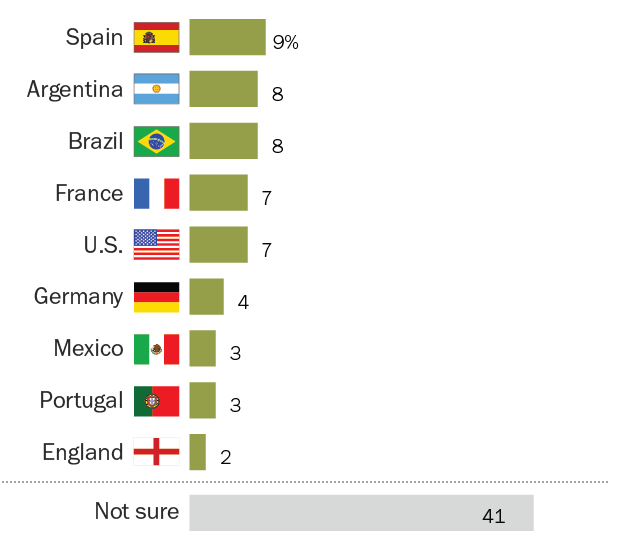
For the 28% of Americans who are at least somewhat invested in the World Cup, the question of who will lift the coveted trophy sparks a range of opinions, yet no clear favorite emerges. The survey’s open-ended question about potential winners revealed a substantial degree of uncertainty, with 41% of respondents admitting they were unsure.
Among those who offered a prediction, Spain emerged as the most frequently cited potential champion, with 9% of this engaged group tipping them for victory. This would mark Spain’s second World Cup title, a testament to their consistent presence among the sport’s elite.
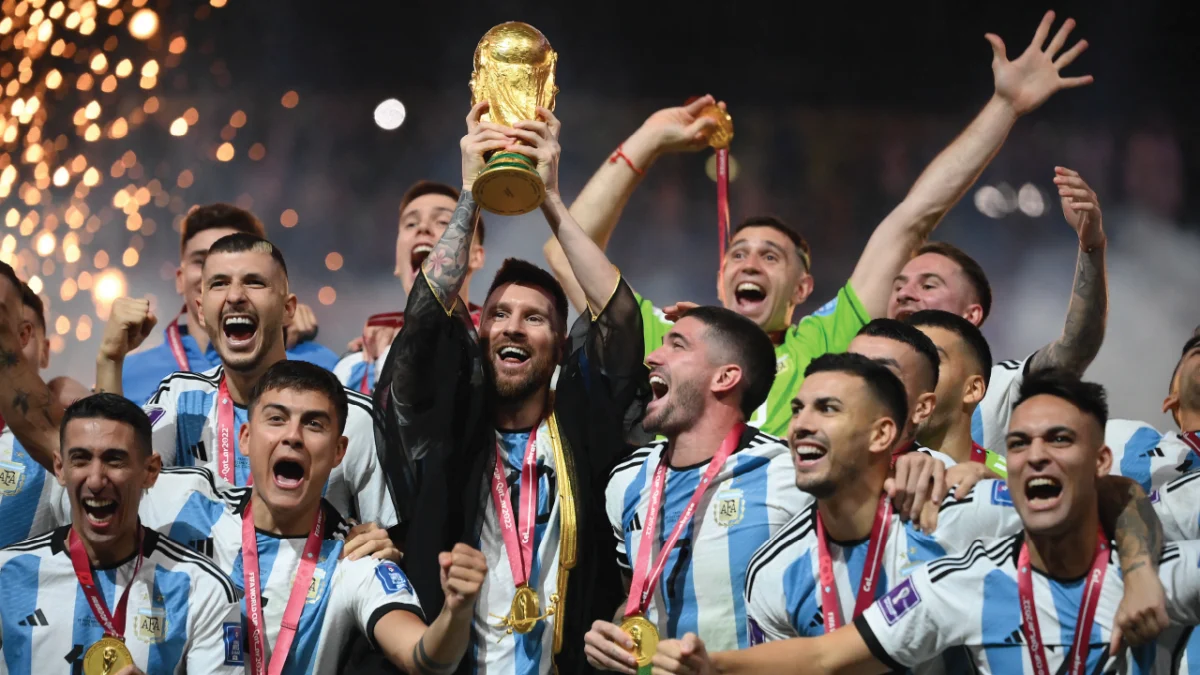
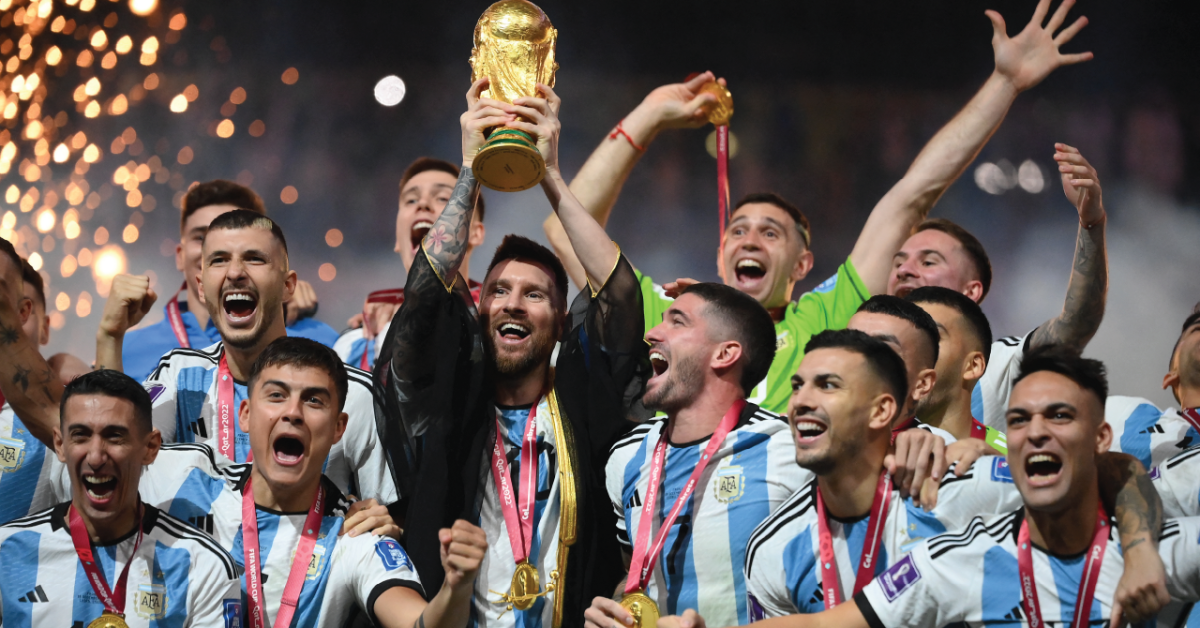
Close behind, with 8% of the vote each, are Argentina and Brazil. Argentina, the reigning champions from the 2022 Qatar World Cup, are aiming to defend their title, a feat that would solidify their place in footballing history. Brazil, a perennial powerhouse, seeks to add a sixth star to their illustrious record, a prospect that always garners significant attention.
France, a consistent contender in recent tournaments, garnered 7% of predictions. Similarly, the United States men’s national team, playing on home soil as co-hosts, also received 7% of predictions, a significant showing that reflects optimism surrounding their chances, particularly given the home advantage.
Other nations like Germany, Mexico, Portugal, and England also received smaller percentages of predictions, reflecting a diverse range of national allegiances and perceived team strengths among American fans. The lack of a dominant favorite underscores the unpredictable nature of the World Cup and the depth of talent present among the competing nations.
Demographic Insights: Who is Following the World Cup?
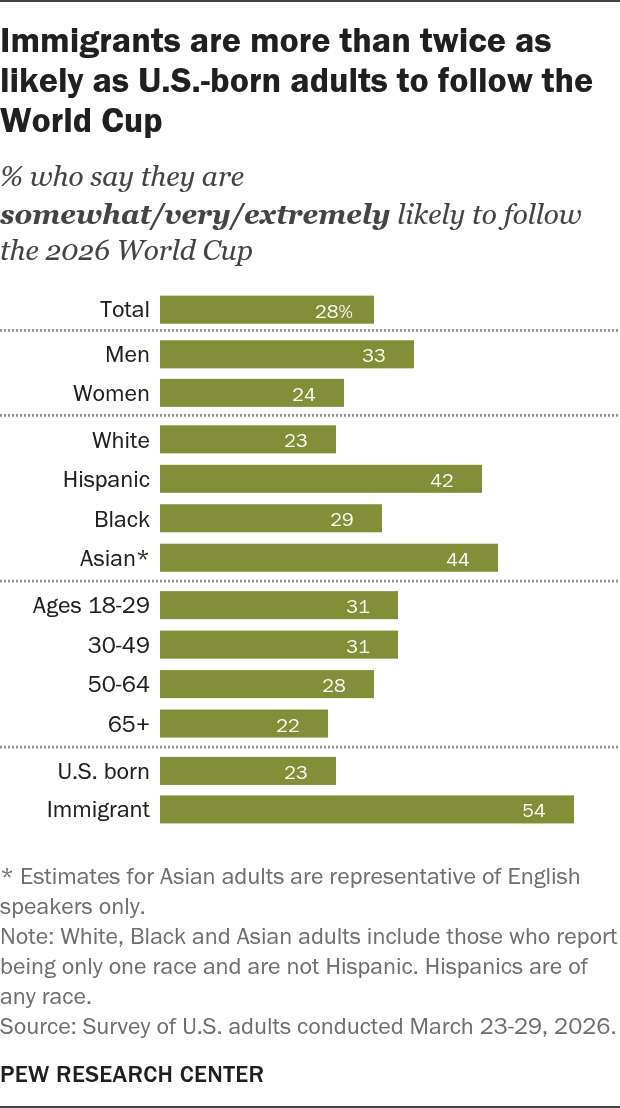
The survey also delved into the demographics of those most likely to follow the 2026 World Cup, revealing distinct patterns of engagement. Men (33%) are slightly more inclined to follow the tournament than women (24%). This aligns with broader trends in sports viewership, where men often exhibit higher engagement rates.
Age also plays a role, with adults aged 18 to 64 showing a greater propensity to follow the World Cup compared to those 65 and older. Younger demographics, particularly those aged 18-29 and 30-49, exhibit the highest likelihood of engagement, suggesting a generational interest in soccer.
Perhaps the most striking finding relates to ethnic and national origin. Hispanic Americans (42%) and Asian Americans (44%) are significantly more likely to follow the World Cup than White Americans (23%) and Black Americans (29%). This disparity highlights the strong cultural ties and historical passion for soccer within Hispanic and Asian communities.
The most pronounced difference emerges when comparing U.S.-born adults with immigrants. A remarkable 54% of immigrants indicated they are at least somewhat likely to follow the World Cup, more than double the rate of U.S.-born adults (23%). This finding underscores the global nature of the sport and its deep roots in immigrant communities, who often bring their sporting passions and allegiances with them to their new home. This demographic trend is particularly relevant given that the tournament is being hosted in North America, a region with a significant immigrant population.
Context and History of the Men’s World Cup
The FIFA World Cup, held every four years, is the most prestigious association football tournament in the world, as well as the most widely viewed and followed sporting event globally. The tournament traces its origins back to 1930, with Uruguay hosting and winning the inaugural event. Since then, it has evolved into a quadrennial festival of sport, uniting nations and captivating billions of viewers.
The 2026 edition marks a historic occasion as it will be the first time the tournament is hosted by three nations: the United States, Mexico, and Canada. This expansion to a joint North American bid signifies a new era for the World Cup, promising a geographically diverse and potentially larger-scale event than ever before. The tournament will feature an expanded format, with 48 teams competing, necessitating a greater number of matches and venues across the host countries. This expansion is expected to broaden the global reach and inclusivity of the competition.
The United States has previously co-hosted the World Cup in 1994, a tournament that saw record attendance figures and significantly boosted the sport’s popularity in the U.S. Mexico has hosted twice, in 1970 and 1986, both celebrated for their vibrant atmosphere and passionate fanbases. Canada, while a prominent footballing nation, will be hosting the men’s tournament for the first time, though it has hosted the Women’s World Cup in 2015.
The significance of hosting this event cannot be overstated. It provides a unique opportunity to foster national pride, promote cultural exchange, and stimulate economic activity. For the host nations, the World Cup represents a chance to showcase their infrastructure, hospitality, and a shared passion for the beautiful game.
Methodology and Research Background
This Pew Research Center analysis is based on a survey conducted from March 23 to 29, 2026. The survey involved 3,507 adults who are members of the Pew Research Center’s American Trends Panel, a nationally representative online survey panel. The margin of error for the total sample is plus or minus 2.1 percentage points at the 95% confidence level.
The Pew Research Center’s commitment to high-quality research aims to inform the public, journalists, and policymakers. Their ongoing study of Americans’ preferences in entertainment and leisure provides valuable insights into evolving cultural landscapes and consumer behaviors. The detailed survey questions, topline responses, and methodology are publicly available for transparency and further analysis.
The terminology used in the report defines "immigrants" as respondents born outside the 50 U.S. states, the District of Columbia, or Puerto Rico, with additional consideration for those born abroad to parents also born abroad. "U.S. born" refers to respondents born within these specified territories, including those born elsewhere to at least one parent born in these locations.
Broader Implications and Future Outlook
The findings from this survey offer a compelling look at the current state of American engagement with international soccer. While the majority may remain on the periphery, the dedicated minority and the strong interest among specific demographic groups, particularly immigrants and Hispanic Americans, suggest a growing, albeit segmented, soccer culture in the United States.

The co-hosting of the 2026 World Cup presents a significant opportunity to convert passive observers into active fans. The proximity of the tournament, combined with the increased visibility and national team participation, could lead to a surge in interest, mirroring the impact of the 1994 World Cup. The expanded format, with more teams and matches, also offers more entry points for new fans to engage with the sport.
The predictions for potential winners, though varied, highlight the global appeal and competitive nature of the World Cup. The fact that the U.S. team is among the top predictions, even if not the outright favorite, speaks to the growing confidence and potential of American soccer.
As the tournament approaches, media coverage, fan events, and the on-field performance of national teams will undoubtedly play a crucial role in shaping public perception and engagement. The 2026 World Cup in North America is poised to be a landmark event, not only for the sport itself but also for its potential to further integrate soccer into the American cultural fabric. The insights from Pew Research Center provide a valuable baseline, and future surveys will be crucial in tracking the evolving landscape of American interest in this global phenomenon.