New research published in the journal Autism in Adulthood reveals a significant underestimation of the number of autistic students currently enrolled in U.S. colleges and universities. Estimates now suggest that between 135,400 and 286,254 students on the autism spectrum are pursuing higher education, a figure substantially higher than prior estimations that placed the number as low as 60,000. This revelation underscores a growing population on campuses that may be navigating their academic journeys without explicit recognition or tailored support.
The study, led by Brad Cox, an associate professor at Michigan State University, analyzed published research, conducted surveys of college students, and examined federal datasets to arrive at these more comprehensive figures. "For years, we’ve known more autistic students were going to college – we just didn’t know how many," Cox stated. "What this shows is that this is not a small or niche population. These students are already part of our campuses." This finding challenges previous assumptions and necessitates a reevaluation of how higher education institutions identify, understand, and support autistic individuals.
The Evolving Landscape of Autism and Higher Education
The increasing enrollment of autistic students in higher education is a phenomenon that has been building over the past few decades. Historically, access to post-secondary education for individuals with autism was significantly limited. Factors such as diagnostic challenges, a lack of understanding of autistic learning styles, and the absence of dedicated support services contributed to lower enrollment rates. However, several converging trends have likely contributed to the rise observed in the recent research:
- Increased Autism Diagnosis Rates: While debated, an increase in the identification and diagnosis of autism spectrum disorder (ASD) over the past 30 years means more individuals are recognized as autistic as they reach college age.
- Improved K-12 Support: Enhanced special education services and accommodations within K-12 settings have better prepared a greater number of autistic students for the academic rigor of college.
- Shifting Societal Perceptions: Growing awareness and acceptance of neurodiversity have encouraged more individuals with autism to pursue higher education and for institutions to consider their inclusion.
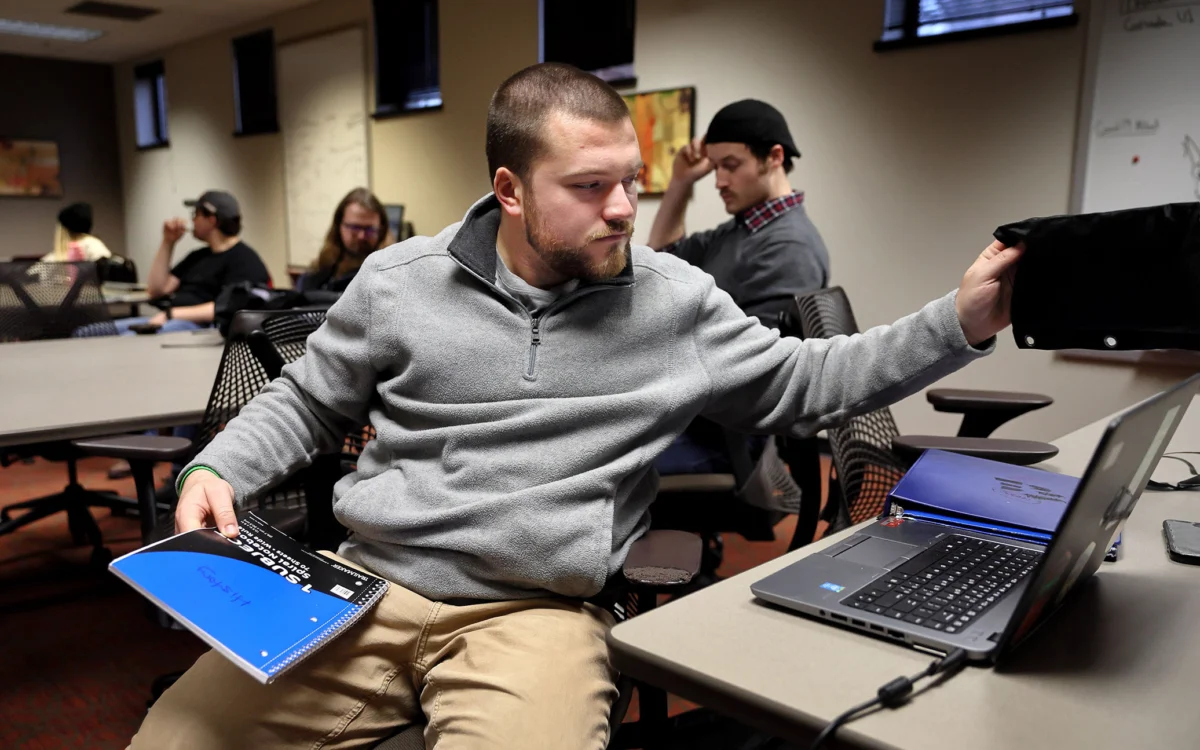
- Development of Support Programs: The emergence of specialized programs and resources on college campuses, like the Link program at the University of Missouri-St. Louis (UMSL) that assists Conner Stewart, indicates a growing institutional response, albeit often localized.
The UMSL Link program, for instance, provides a tangible example of how institutions are beginning to address the unique needs of autistic students. By offering educational, life, and career preparation skills, such programs aim to bridge the gap between academic success and independent living. Conner Stewart’s preparation for his history class, facilitated by such a program, highlights the practical benefits of targeted support.
Unveiling the Numbers: Methodology and Implications
The methodology employed in the Autism in Adulthood study is crucial to understanding the magnitude of the findings. Unlike previous estimates that relied on older or more limited data sets, this research synthesized a broader array of information. The analysis of published research provides a qualitative understanding, while student surveys offer direct insights from the population itself. The examination of federal datasets, which often use diagnostic codes, offers a quantitative perspective, though it’s important to note that not all individuals diagnosed with autism may utilize these codes in educational contexts.
Despite the comprehensive approach, researchers acknowledge that the current estimates likely represent an undercount. A significant factor contributing to this is the voluntary nature of disability disclosure. The study indicated that approximately 43% to 47% of high school students with autism transition to college. However, not all of these students choose to formally disclose their diagnosis to their educational institutions or request specific accommodations. This reticence can stem from various reasons, including a desire for independence, concerns about stigma, or a belief that their needs are already being met without formal support.
Brad Cox emphasized the critical need for improved data collection and institutional practices. "Our numbers clearly show this is a large and growing group that deserves more attention – from families, educators, policymakers and researchers alike," he urged. The reliance on outdated data, as highlighted by Cox, meant that previous estimates were significantly out of step with the current reality on college campuses. The new figures serve as a stark reminder that the demographic of college students has evolved, and institutional strategies must evolve with it.
The Imperative for Enhanced Support Systems
The substantial increase in the autistic student population on college campuses presents both an opportunity and a challenge for higher education. The opportunity lies in fostering a more inclusive and diverse learning environment that enriches the educational experience for all. The challenge, however, lies in ensuring that these students receive the necessary support to succeed academically, socially, and personally.
The current landscape of support for autistic college students is often fragmented and inconsistent across institutions. While some universities have dedicated autism support centers, many rely on general disability services offices that may not have specialized expertise in neurodevelopmental conditions. This can lead to a gap in understanding the specific needs of autistic students, which can range from sensory sensitivities and communication differences to executive functioning challenges and social interaction complexities.
The implications of this underestimation and potential lack of adequate support are far-reaching:
- Academic Performance: Without appropriate accommodations, autistic students may struggle to meet academic expectations, potentially leading to lower grades, increased dropout rates, and unmet potential.
- Mental Health and Well-being: The stress of navigating a neurotypical-dominated environment without sufficient support can contribute to anxiety, depression, and social isolation among autistic students.
- Post-Graduation Outcomes: The transition to the workforce is a critical phase for all graduates. For autistic individuals, this transition can be particularly challenging if they have not developed essential life and career skills during their college years, underscoring the importance of programs like UMSL’s Link.
- Institutional Effectiveness: Colleges that fail to adequately support their diverse student body risk not only failing individual students but also diminishing their reputation and their ability to attract a wide range of talent.
Moving Forward: Awareness to Action
The research by Cox and his colleagues is not merely an academic exercise; it is a call to action. The next phase, as articulated by Cox, is to translate this heightened awareness into concrete support mechanisms. This involves a multi-pronged approach:
- Institutional Assessment and Adaptation: Colleges and universities need to conduct their own assessments of their current support services for autistic students. This includes evaluating the training of faculty and staff, the accessibility of campus environments, and the availability of specialized resources.
- Proactive Identification and Outreach: Instead of waiting for students to self-disclose, institutions could explore more proactive, yet sensitive, methods of identifying students who might benefit from support, perhaps through voluntary questionnaires during orientation or by partnering with high school transition programs.
- Development of Comprehensive Support Models: This includes offering tailored academic advising, tutoring services that understand neurodivergent learning styles, social skills training, peer mentorship programs, and vocational counseling that focuses on career paths aligning with autistic strengths.
- Faculty and Staff Training: Educating faculty and staff about autism spectrum disorder, including common challenges and effective strategies for communication and instruction, is paramount. This can help create more understanding and accommodating classroom environments.
- Collaboration with Autistic Individuals: The most effective support programs are developed in collaboration with the autistic community itself. Their lived experiences and insights are invaluable in shaping services that are truly responsive and beneficial.
- Policy and Funding Advocacy: Policymakers and educational leaders must recognize the significant and growing population of autistic students and advocate for increased funding and policy changes that support inclusive higher education.
The journey of Conner Stewart, preparing for his history class with the aid of a specialized program, is emblematic of the potential that exists when educational institutions embrace inclusivity. As the numbers continue to grow, the responsibility falls upon higher education to ensure that all students, regardless of neurotype, have the opportunity to thrive and reach their full potential. The findings from Autism in Adulthood serve as a crucial inflection point, demanding a shift from passive acknowledgment to active implementation of robust support systems that empower the growing population of autistic students on American campuses.