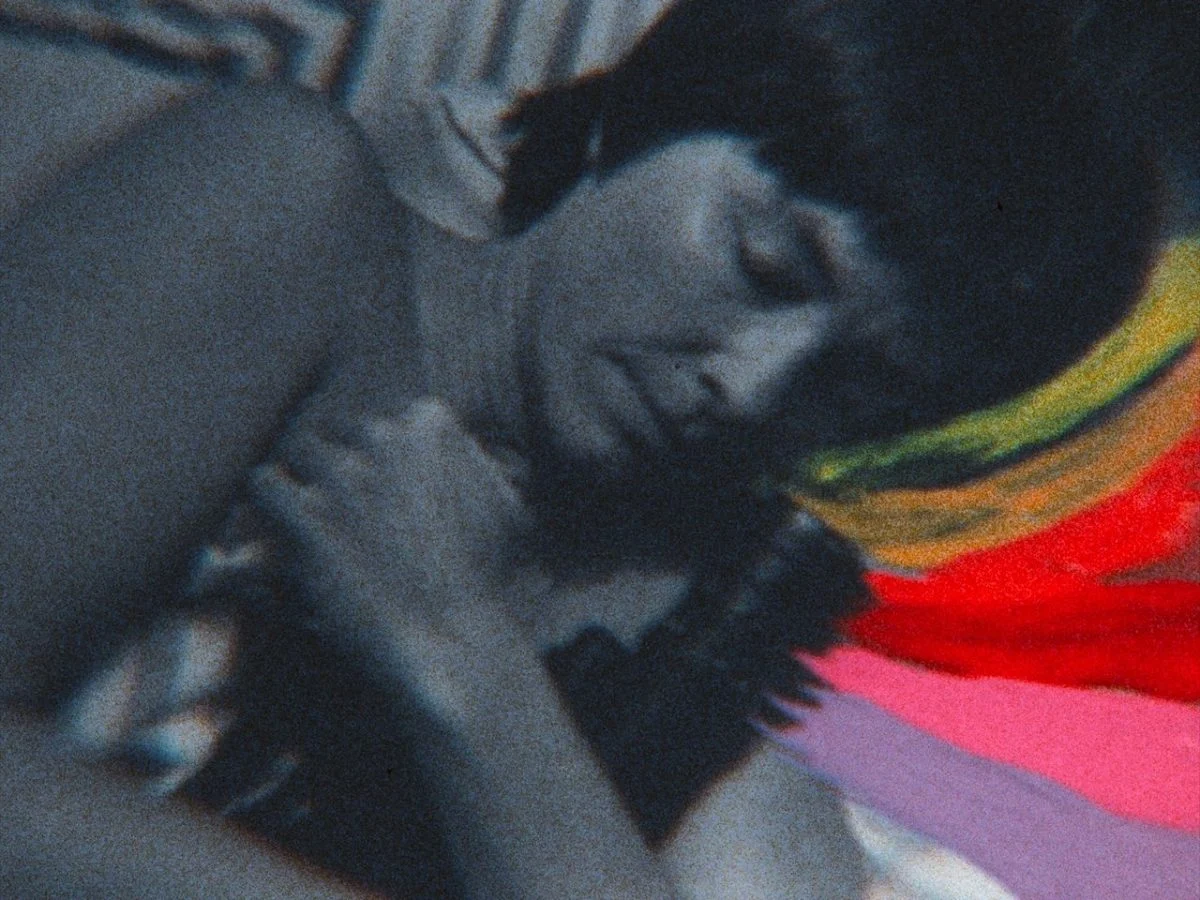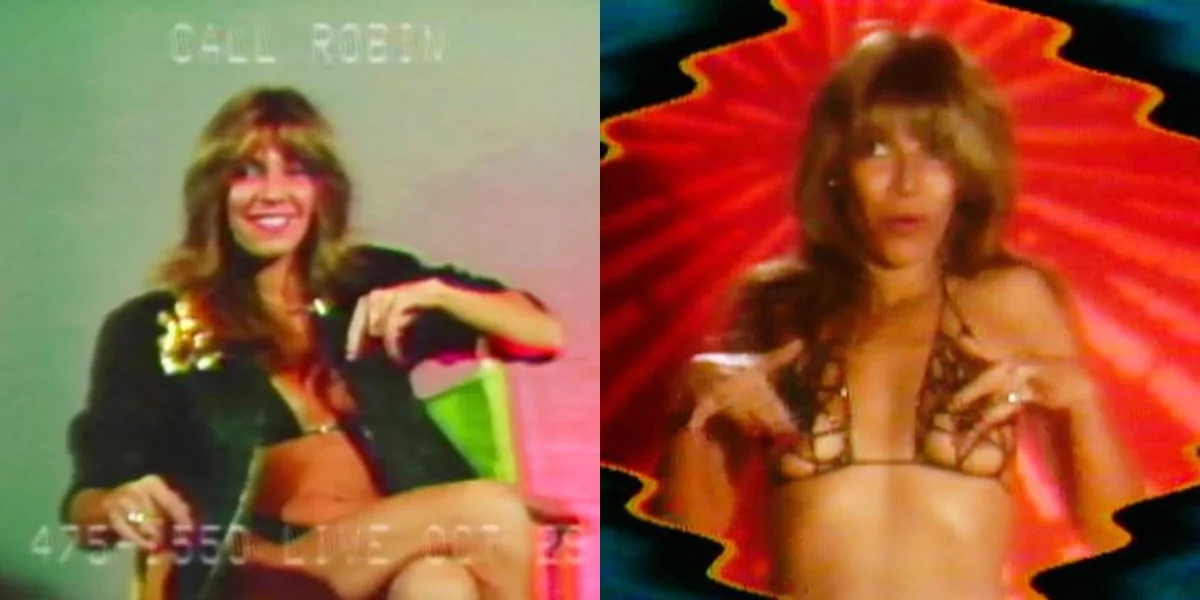
The documentary, currently streaming on HBO Max and directed by Jyllian Gunther and Stephanie Schwam, serves as both a biography and a historical preservation project. It recontextualizes the legacy of The Robin Byrd Show, which ran from 1977 to 1998, as a significant milestone in American broadcast history. While the show was often relegated to the fringes of New York City’s late-night cable offerings, the film posits that Byrd’s work was foundational to the evolution of free speech on television and the mainstreaming of adult-oriented discourse.
A Chronology of Access and Provocation
To understand the cultural impact of The Robin Byrd Show, one must examine the landscape of 1970s television. Public access, a result of the 1972 FCC mandate requiring cable companies to provide channel capacity for public, educational, and governmental use, created a vacuum of regulation that Byrd exploited with strategic intent.
In 1977, Byrd, an established performer in the adult film industry, launched her program. For over two decades, she operated as the host, producer, and editor of the show. Her model was simple but radical: she utilized the leased access platform to provide a stage for sex workers, pornographic actors, and members of the LGBTQ+ community—demographics that were effectively barred from traditional broadcast television at the time.
The show evolved in tandem with the socio-political climate of New York City. During the 1980s, as the AIDS epidemic devastated the city’s queer population, the program transitioned from a purely entertainment-focused format to one of urgent public health advocacy. Byrd famously utilized her airtime to conduct on-camera demonstrations of safe-sex practices, including the use of condoms and dental dams, during a period when mainstream media outlets largely avoided explicit discussion of the crisis.
The Legal Battle for Free Speech
The most significant chapter in the program’s history occurred in the early 1990s, when conservative political factions and corporate entities like Time Warner Cable sought to curb the presence of sexually explicit content on public access channels. This push for censorship culminated in a series of legal challenges that reached the Supreme Court of the United States.
In 1995 and 1996, the judicial scrutiny of The Robin Byrd Show brought the subject of "indecency" on cable television to the national stage. Byrd became a central figure in this legal struggle, arguing that the regulation of such content violated First Amendment protections. Her public defense of her work—often centered on the argument that the human body is not inherently indecent—helped set a legal precedent. The eventual Supreme Court ruling in Denver Area Educational Telecommunications Consortium, Inc. v. FCC (1996) struck down provisions that would have allowed cable operators to ban "patently offensive" content on public access channels, effectively protecting the existence of shows like Byrd’s.
Scholarly and Cultural Perspectives
The documentary’s analytical weight is bolstered by the input of academic observers who track the intersection of media studies and cultural history. Axelle Demus, a Postdoctoral Fellow at McGill University’s School of Information Studies, highlights that the film effectively challenges the disparagement historically directed at public access television.
"The film rightly foregrounds Robin Byrd and public access TV as vital contributors to America’s cultural landscape," Demus observes. "It highlights how the medium was not merely a niche curiosity, but an essential component of the late-20th-century media ecology."
This perspective is supported by the archival evidence presented in the film. The preservation of hundreds of hours of raw footage serves as a record of a subculture that was largely unrecorded by traditional historians. By documenting her collaboration with archive agent Daylon Orr, the film captures the transition of these tapes from "clutter" into a formal historical archive, ensuring that the visual record of the 1980s and 1990s downtown New York scene is not lost.
The Intersection of Private Life and Public Persona
Bang My Box manages a delicate balance between Byrd’s professional history and her contemporary reality. Much of the narrative arc is defined by her long-term partnership with her husband, Shelly. The film’s focus on his dementia diagnosis provides a poignant juxtaposition to the high-energy, sexualized footage of the 1980s.
Byrd’s reflections on her marriage serve to humanize a figure who was frequently caricatured by the mainstream media, most notably through the 1990s Saturday Night Live sketches performed by Cheri Oteri. While those parodies emphasized the camp aesthetic of the show, the documentary reveals the pragmatic, business-oriented nature of its production. Byrd’s ability to navigate the complexities of the adult industry while maintaining a stable, decades-long partnership provides a narrative counterweight to the often-stigmatized depiction of sex workers in media.
Broader Implications of Pleasure Activism
The film’s conclusion, which features Byrd on the beach at Fire Island, acts as a statement on the longevity of the human body and the politics of aging. By choosing to appear nude on camera, Byrd engages in a final act of defiance against the societal pressure to hide the realities of aging, particularly for women who have occupied the public eye.
From a data-driven perspective, the longevity of The Robin Byrd Show is an anomaly. Most public access programs are ephemeral, lacking the resources for long-term preservation or the cultural reach to warrant retrospectives decades later. The fact that the show continues to air in reruns on New York cable channels speaks to a sustained, if specialized, audience.
The implications of the documentary extend to the current discourse surrounding digital safety and the regulation of adult content on modern platforms. The parallels between the 1990s battle for cable access and the current debates surrounding Section 230 and the deplatforming of sex workers are evident. Byrd’s history provides a case study for the cyclical nature of moral panics regarding sexual content and the role of independent media in resisting such pressures.
Conclusion: A Legacy of Visibility
Bang My Box: The Robin Byrd Story is not merely a nostalgic look at a bygone era of New York nightlife; it is an examination of the power of alternative media to foster community and drive social change. By providing a platform for marginalized voices during the height of the AIDS crisis and standing at the forefront of the legal battle for First Amendment protections on cable, Robin Byrd carved out a unique space in American cultural history.
The film successfully elevates the "accidental activist" narrative, demonstrating that the pursuit of personal freedom—when translated into a public medium—can have profound consequences for the wider public. As the archives of her life’s work are formally processed and preserved, the legacy of The Robin Byrd Show remains a testament to the importance of uncensored expression. Whether viewed as a piece of media history, a character study, or a chronicle of the fight for free speech, the documentary serves as a definitive record of a woman who challenged the boundaries of what was permitted on the American television screen.