A Chronology of the Disaster
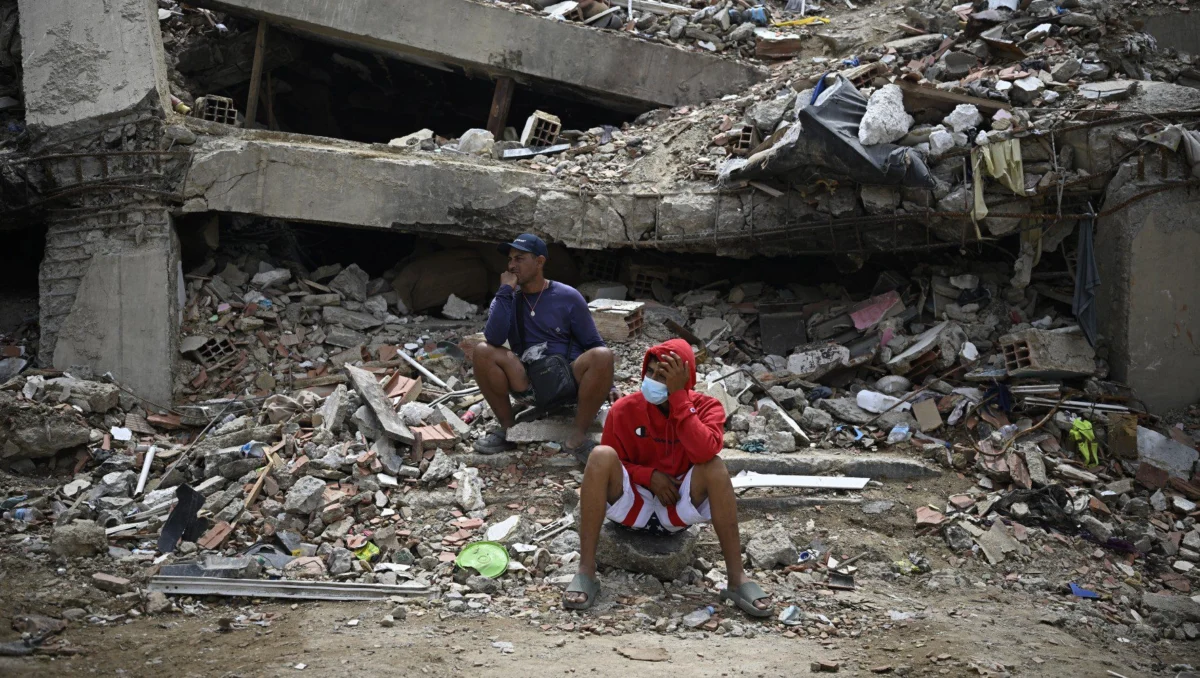
The sequence of events began in the early morning hours of June 24, when the first major earthquake struck, centered in the northwestern sector of the country. The geological instability was immediate, with a second, equally devastating tremor occurring hours later, crippling critical infrastructure and causing the collapse of numerous residential apartment complexes. By the evening of June 24, the government and local emergency response teams were already overwhelmed by the sheer volume of structural failures in states such as La Guaira and Miranda.
Between June 25 and July 1, the immediate priority shifted to search-and-rescue operations. Despite the deployment of specialized teams, the persistent aftershocks made the structural integrity of remaining buildings highly volatile, complicating access for first responders. By July 5, international aid organizations, including HIAS, had integrated their efforts into the national response framework. As of July 20, the focus has transitioned from emergency rescue to the provision of temporary shelter, healthcare, and psychological support for the thousands of displaced survivors.
The Human Toll and Economic Context
The human cost of this disaster is inextricably linked to the pre-existing economic and humanitarian vulnerabilities of the Venezuelan population. According to data provided by the United Nations and humanitarian observers, by the end of 2025, approximately 7.9 million people were already in need of humanitarian assistance due to hyperinflation, limited access to basic services, and political instability. The earthquakes have acted as a force multiplier for these systemic issues.
The loss of 18,000 homes has not only resulted in immediate displacement but has also exacerbated the scarcity of affordable housing, a critical issue that predates the seismic activity. For many survivors, the loss of their homes represents the total loss of their livelihood and assets. The healthcare system, already strained by years of underinvestment and the emigration of medical professionals, is now grappling with thousands of trauma-related injuries, ranging from crush syndrome and fractures to acute psychological distress.
Institutional and Humanitarian Response
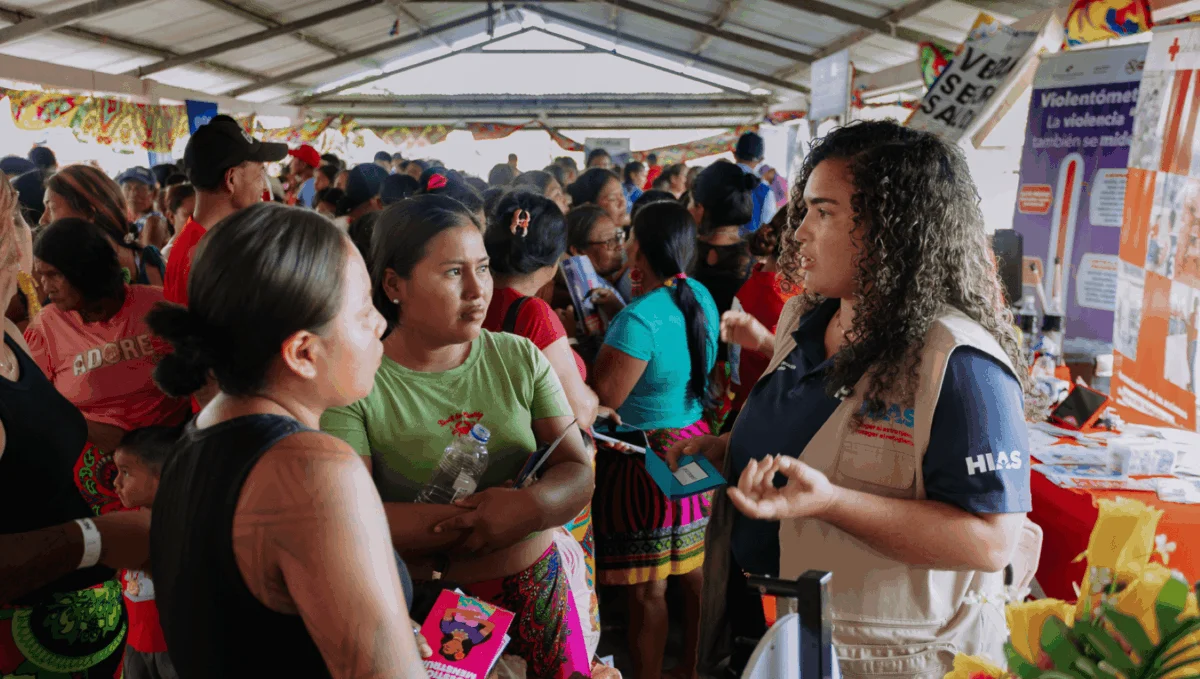
In the immediate aftermath, organizations like HIAS have mobilized their long-standing presence in the country—built over 18 years of operations—to provide targeted assistance. The organization has pivoted its core programs to address the acute needs of the displaced, focusing on mental health support and protection services.
"The level of trauma being experienced by survivors, particularly children and the elderly, is profound," noted an aid worker involved in the response. HIAS has implemented Psychological First Aid (PFA) training for local authorities and community leaders, aiming to build a sustainable support network within temporary shelters. By working in conjunction with local Jewish communities and national authorities, these humanitarian actors have successfully distributed emergency supplies, including potable water, non-perishable food, and medical kits, to the most affected populations in the Capital District and the states of Miranda and La Guaira.
The response strategy is multi-layered. First, it focuses on life-saving medical intervention and the stabilization of trauma. Second, it addresses the urgent needs of protection, ensuring that vulnerable groups—such as women-led households, indigenous communities, and the elderly—are not further marginalized by the chaos of the displacement. Finally, there is a focus on long-term resilience, integrating these emergency measures into the broader, pre-existing humanitarian coordination framework that governs international aid in Venezuela.
Broader Implications and Socio-Economic Analysis
The earthquakes have forced a re-examination of urban planning and infrastructure resilience in Venezuela. Many of the collapsed structures were older buildings that lacked the seismic retrofitting necessary to withstand tremors of this magnitude. Analysts suggest that the economic collapse of the previous decade led to a systemic neglect of building code enforcement and maintenance, rendering the urban centers particularly vulnerable to natural disasters.
Furthermore, the disaster has brought into sharp focus the limitations of the current humanitarian aid budget. With global humanitarian funding seeing significant cuts in 2026, the strain on the Venezuelan aid budget is severe. The earthquake has effectively diverted resources away from other essential programs, such as food security and education, creating a "needs gap" that threatens to leave a large portion of the population without access to basic human necessities.
Food insecurity remains a critical concern. Prior to the earthquake, more than half of the population struggled to afford basic necessities. With the destruction of local markets and supply chains in the affected regions, the cost of food is expected to spike, potentially pushing more families into extreme poverty. The international community faces a difficult challenge: providing immediate, disaster-specific aid while maintaining support for the long-term, chronic humanitarian needs that have defined the Venezuelan landscape for years.
Future Challenges and Sustainability
As the immediate search-and-rescue phase concludes, the focus must shift toward sustainable reconstruction. This involves not only the physical rebuilding of housing and infrastructure but also the restoration of social services that were already functioning at a minimum capacity.
The coordination between international humanitarian agencies and local public institutions remains a delicate, yet essential, component of the recovery process. While political tensions continue to frame the broader national discourse, the immediate needs of 16,700 injured survivors and the thousands who remain missing require a depoliticized approach to aid delivery. HIAS and other NGOs continue to emphasize the necessity of community-based initiatives, noting that the most effective solutions are often those developed with the input and participation of the affected communities themselves.
The road to recovery for the regions of Miranda, La Guaira, and the Capital District will be long. The combination of structural, economic, and humanitarian pressures means that the recovery process will likely take years, rather than months. Success will depend on sustained international funding, the resilience of the local population, and the ability of humanitarian organizations to maintain a consistent and transparent distribution of aid.
As of late July 2026, the situation remains fluid. The government has pledged to begin a systematic assessment of all high-risk infrastructure in the capital, while aid organizations continue to map the evolving needs of the displaced. The earthquake, while a natural event, has highlighted the precariousness of human life in a region struggling with deep-seated structural vulnerabilities. The international humanitarian response, characterized by organizations like HIAS, serves as a vital lifeline in these efforts, ensuring that even in the face of immense destruction, the fundamental rights to health, safety, and dignity remain a priority for the survivors of this historic tragedy.