A Chronology of the Seismic Crisis
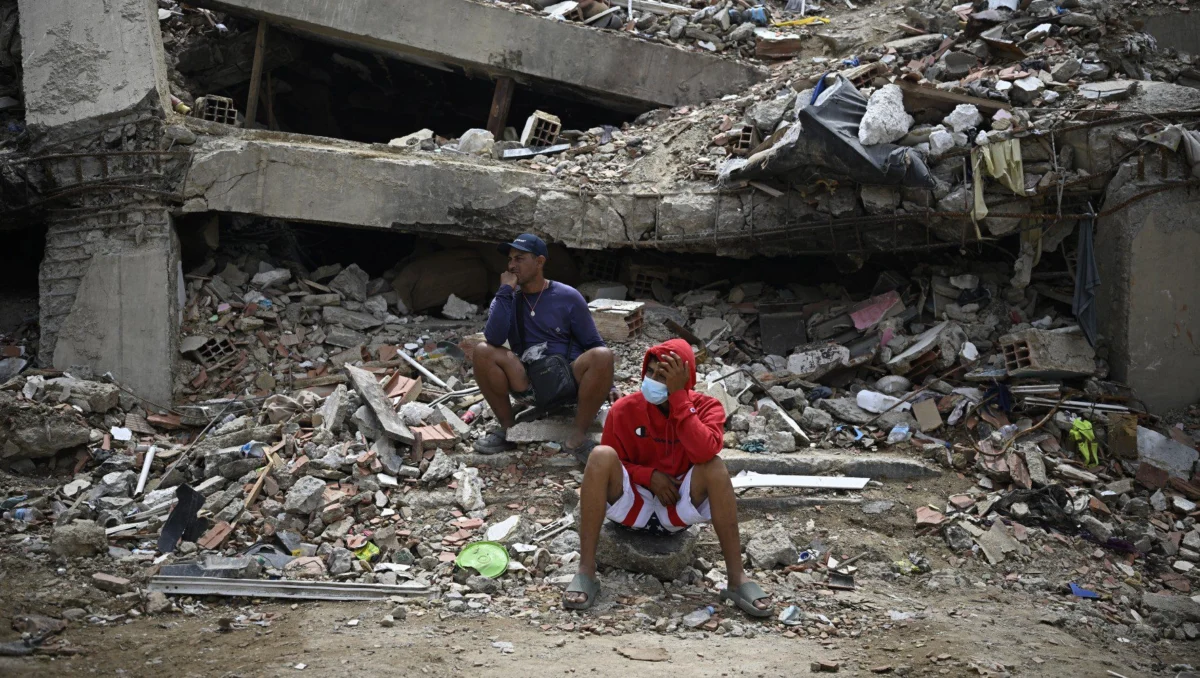
The seismic activity commenced in the early hours of June 24, 2026, when a massive earthquake struck the northwestern region of Venezuela. The intensity of the initial shock was described by geological observers as unprecedented in the country’s recorded history. The structural integrity of urban centers, particularly in the northern states, was compromised instantly as apartment buildings and public facilities succumbed to the tremors.
In the days that followed, the situation deteriorated as a relentless series of aftershocks hampered search and rescue operations. By the end of June, regional authorities had confirmed that over 6,000 individuals had been successfully extracted from the rubble. However, the search for survivors has been complicated by the sheer volume of debris and the instability of the remaining structures. By mid-July, humanitarian organizations noted that thousands remained missing, and the casualty count continued to climb as the reality of the destruction became fully apparent.
Statistical Overview of the Impact
The scale of the destruction is profound, hitting a population that was already experiencing high levels of vulnerability. Official situation reports indicate that at least 5,200 lives have been lost, a figure that analysts warn may rise as emergency responders gain access to more remote or heavily damaged areas. The injury toll, currently standing at 16,700, has placed an enormous strain on an already fragile healthcare system.
Housing insecurity has become the most immediate concern for those displaced. With 18,000 people now without shelter, the need for temporary housing, clean water, and sanitation facilities has reached a critical threshold. These displaced populations are now concentrated in temporary shelters, where the risk of secondary health crises—including the spread of disease and the exacerbation of chronic conditions—remains a primary focus for humanitarian agencies.
The Role of HIAS in the Emergency Response
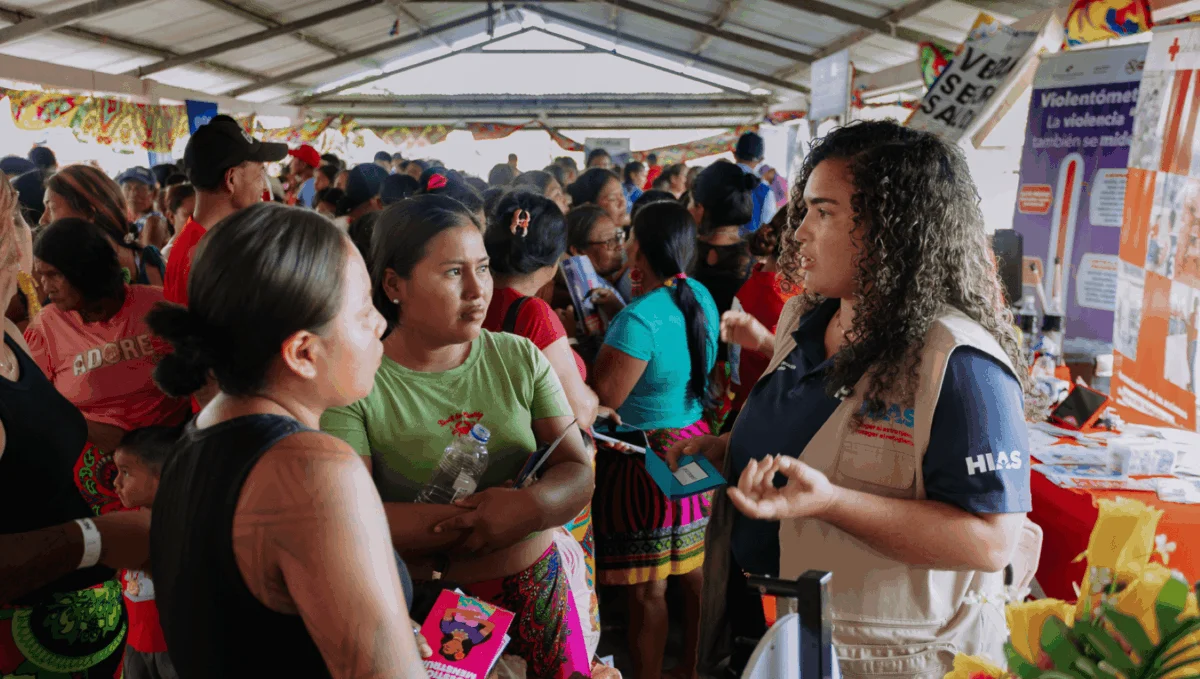
HIAS, which has maintained a presence in Venezuela for 18 years, has shifted its operational model to address the acute needs created by the earthquakes. Given the organization’s history of providing mental health services, protection programs, and violence prevention, it has become a central node in the humanitarian response.
In the immediate aftermath, HIAS Venezuela initiated a comprehensive needs assessment in coordination with the broader humanitarian system and local government authorities. The organization’s current efforts are concentrated in the Distrito Capital, as well as the states of Miranda and La Guaira. These interventions include:
- Psychosocial Support: Adapting existing mental health programs to provide trauma-informed care for survivors. This includes training for local authorities and community leaders in Psychological First Aid (PFA) to manage the immediate mental health toll on families and caregivers.
- Case Management and Direct Assistance: Providing essential supplies and case management services for the most vulnerable, including women, children, the elderly, and individuals with disabilities.
- Emergency Coordination: Partnering with local Jewish communities to facilitate the distribution of water, food, and emergency supplies to those in the hardest-hit regions.
Contextualizing the Humanitarian Landscape
To understand the severity of the current situation, one must look at the structural challenges that existed before the ground began to shake. Years of economic contraction have left a significant portion of the Venezuelan population in a state of chronic food insecurity. Data from the World Food Programme (WFP) and other international monitors have consistently highlighted that a majority of citizens struggle with the rising cost of basic goods, while stagnant wages have eroded the purchasing power of families.
The intersection of the earthquake and these pre-existing economic conditions has created a "multi-layered crisis." Before the disaster, the international humanitarian community was already struggling to meet the basic needs of 7.9 million people for medicine, nutrition, and clean water. The seismic event has effectively destroyed the physical systems—such as clinics, schools, and utility grids—that were the only remaining lifelines for these communities.
Structural Challenges to Relief Efforts
The response to the earthquake is taking place within an uncertain political and economic framework. International aid organizations have faced challenges related to funding, as global support for Venezuela’s humanitarian needs has seen significant fluctuations in recent years. Despite these obstacles, humanitarian actors continue to operate under a strategy of "neutral, impartial, and independent" aid delivery.
The logistical challenge of providing assistance is compounded by the damage to infrastructure. Roadways and utilities in the northwestern part of the country have been damaged, making the distribution of heavy supplies difficult. Furthermore, the psychosocial impact on the population is immense. For many, the loss of a home is compounded by the loss of the social networks and economic activities that provided them with a modicum of stability.
Protection and Vulnerable Groups
A core component of the humanitarian response is the protection of individuals who are at a higher risk of exploitation or neglect. In times of disaster, rates of gender-based violence (GBV) and child abuse often rise. HIAS and other partners are focusing heavily on the protection of women heads of households, unaccompanied minors, and indigenous communities.
In the states of Zulia, Táchira, Apure, Delta Amacuro, and Bolívar, where HIAS also maintains a presence, the organization is working to ensure that the disruption caused by the earthquakes does not lead to a total collapse of protection services. By maintaining these programs, organizations hope to prevent a secondary wave of victimization among the most vulnerable members of society.
Strategic Collaboration and Future Outlook
The recovery phase will likely span several years, requiring a sustained commitment from the international community. The current strategy involves a multi-pronged approach:
- Public-Private Cooperation: Working with local, state, and national government entities to ensure that emergency relief is delivered in alignment with local regulations while maintaining high standards of humanitarian service.
- Capacity Building: By training local community members in first aid and disaster management, organizations are creating a sustainable "first responder" network that can function even when external aid is delayed.
- Integration of Services: Rather than operating in silos, agencies are increasingly linking health, protection, and economic empowerment, recognizing that a survivor needs more than just food; they need a pathway to re-establishing their autonomy.
Implications for the Future of Aid in Venezuela
The 2026 earthquake serves as a somber reminder of the fragility of development in regions already burdened by systemic instability. The disaster has forced a recalibration of humanitarian priorities. While the immediate goal remains the preservation of life through the provision of food, water, and shelter, the medium-term focus is shifting toward the reconstruction of social and physical infrastructure.
The situation in Venezuela underscores the necessity for a more resilient aid infrastructure. Experts suggest that moving forward, the focus must remain on "building back better"—ensuring that new housing and community centers are built to higher seismic standards and that social programs are designed with the flexibility to respond to sudden, large-scale emergencies.
Conclusion
The events of June 2026 have fundamentally altered the lives of millions in Venezuela. As the nation begins the long process of mourning and reconstruction, the focus of the international community remains on ensuring that the most vulnerable are not left behind. Organizations like HIAS remain committed to the long-term work of rebuilding lives, offering not only material assistance but also the essential support needed to heal from the trauma of this unprecedented natural disaster. The road to recovery will be arduous, but the continued coordination of humanitarian efforts provides a essential foundation for the eventual stabilization of the affected regions. Through collective action, the international community aims to restore the dignity and security of those whose lives have been upended by the earth’s instability.