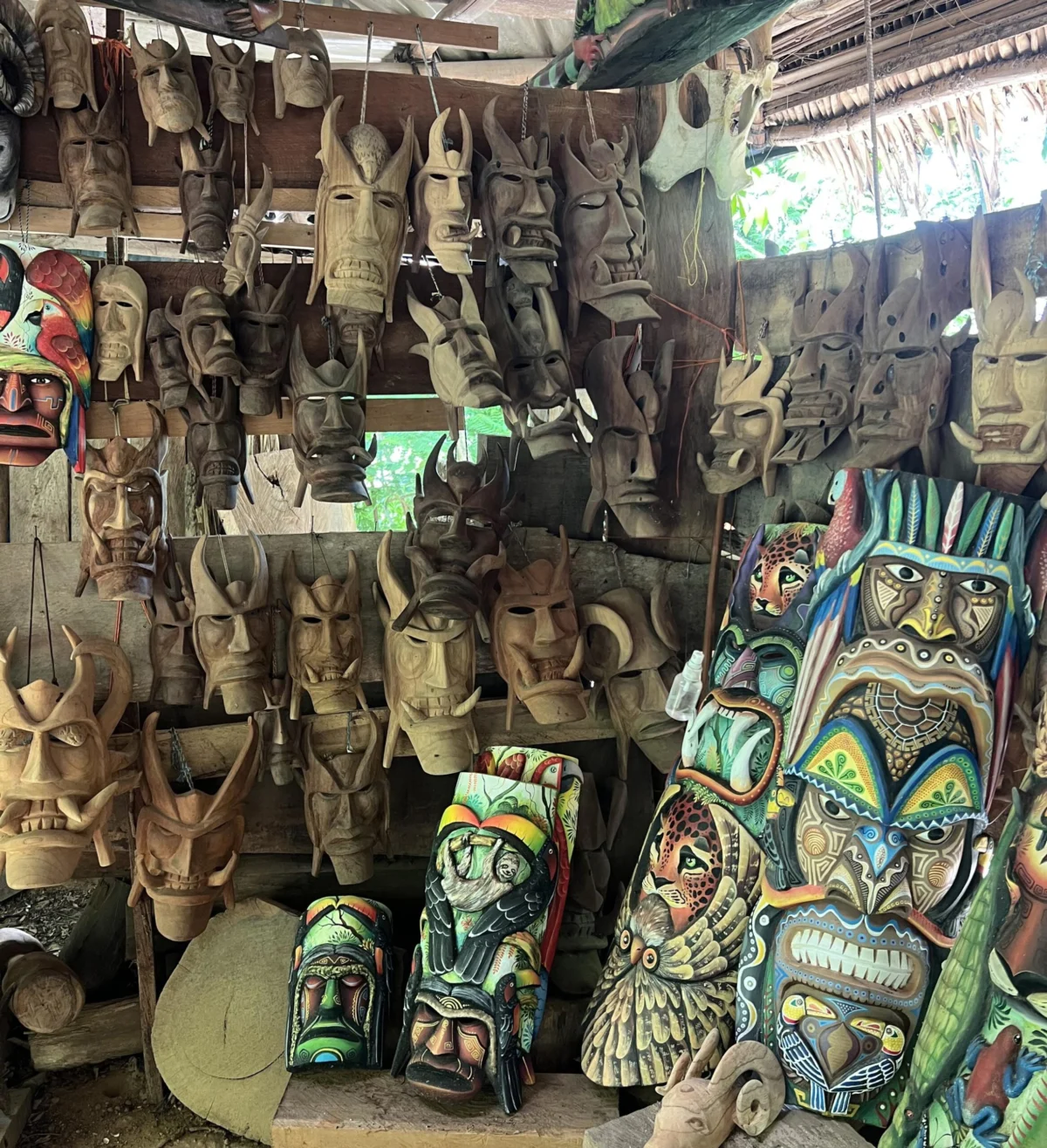
The Boruca Peoples of Costa Rica find themselves at a historic crossroads, forced to navigate the legacy of colonial imposition while combating modern bureaucratic structures that threaten their traditional collectivist society. Since the Spanish conquest in the 1500s, the Indigenous communities within the region have endured centuries of systemic displacement, cultural suppression, and top-down governance. Although Costa Rica gained independence in 1838, true legal recognition for its Indigenous populations did not materialize until 1977, and the right to vote was withheld until 1994. Today, community leaders and activists argue that despite progressive legal frameworks on paper, the federal government largely perpetuates a modernized version of historical colonialism. This institutional inertia threatens not only the sovereignty of the Boruca people but also the ecologically sound agricultural practices that have sustained their homelands for centuries.
The Architecture of Passivity: ADIs and Bureaucratic Control
Modern governance within Costa Rica’s designated Indigenous territories operates primarily through Integral Development Associations (ADIs). Officially mandated as local governing bodies to represent each Indigenous territory, ADIs have instead become instruments of bureaucratic insulation, according to many community members. Within the Boruca communities of Rey Curré and Boruca Village, the implementation of the ADI structure has inadvertently cultivated passivity, contrasting sharply with the historical ethos of communal participation and mutual aid.
Carlos Morales Lázaro, a Boruca community member and former ADI vice president, points to the government’s persistent failure to implement legal protections for Indigenous rights and land defense as evidence of deep-seated institutional racism. He characterizes this failure as a lingering relic of colonialism that allows Costa Rica to project an image of an "ecologist’s paradise" to the international community. Meanwhile, the state fails to protect the very ethnic groups whose traditional land stewardship models genuinely preserve local ecosystems.
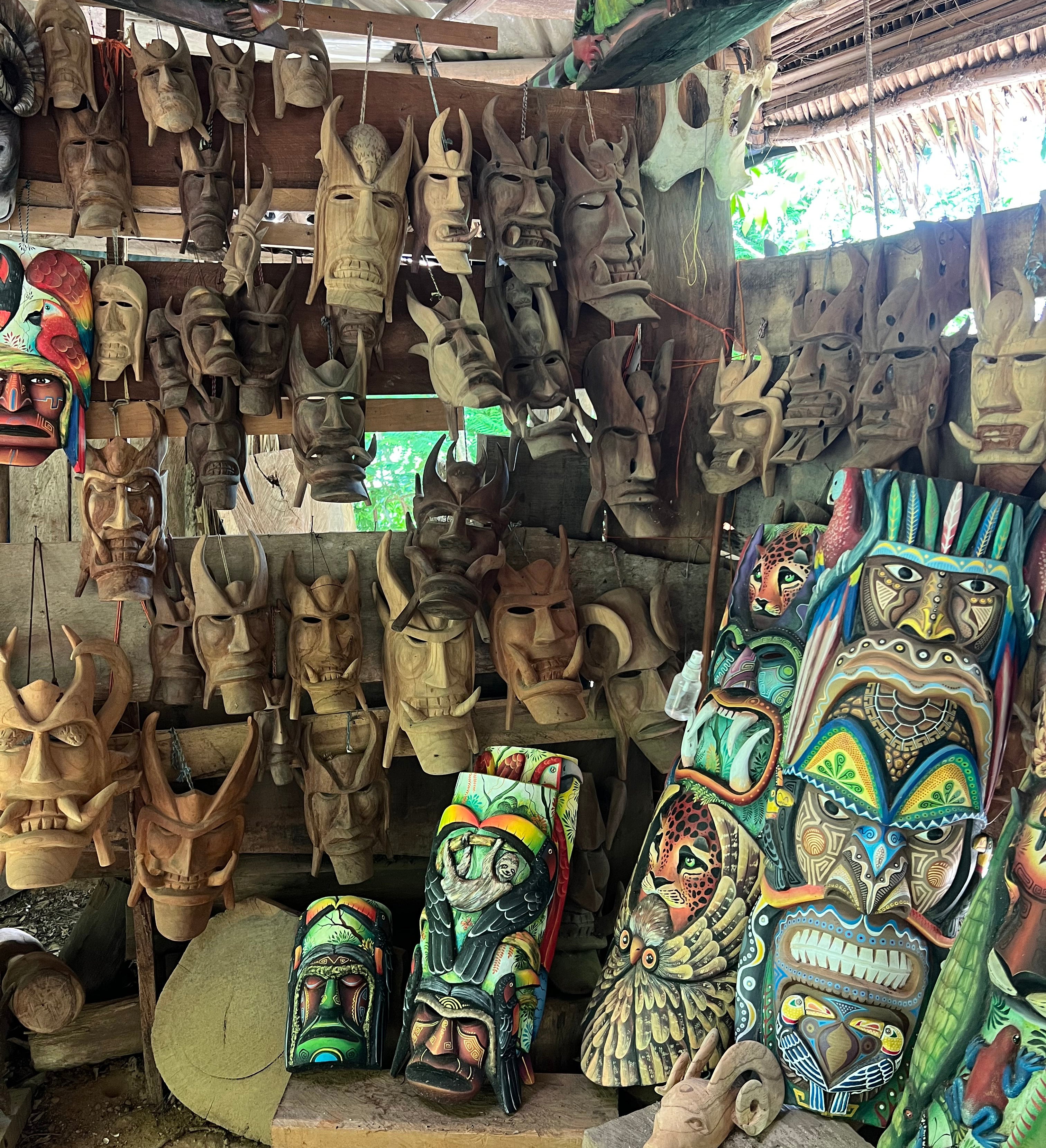
This bureaucratic shift has fractured the social fabric of Boruca life. Brúncajc community leader José Ángel recalls a time before the establishment of the ADI when both Boruca territories thrived under an active citizenry. Neighbors routinely mobilized for communal projects, such as clearing public spaces, maintaining infrastructure, and cultivating future leadership through collective responsibility.
The introduction of rigid municipal funding models has further dismantled this collaborative spirit. Enterprise funding within the territory must now be strictly accounted for and funneled exclusively toward individual organizational needs, effectively outlawing cross-collaboration. Describing the aftermath of a recent crisis where heavy rains nearly washed away the village bridge, Ángel notes that reliance on municipal machinery has replaced community action. Where residents once immediately mobilized with shovels and machetes to resolve the issue, the modern bureaucratic response has instilled a sense of civic helplessness: if the municipality does not intervene, nothing is done.
Historical Chronology of Resistance and Legal Struggle
The tension between state-imposed governance and Indigenous self-determination is further illustrated by decades of resistance against state-sponsored infrastructure megaprojects. The most prominent example is the long-standing battle against the Diquís Dam, a hydroelectric initiative proposed by the state-owned Costa Rican Electricity Institute (ICE).
- 1970s: The Diquís Dam project is initially proposed by ICE as part of a national energy expansion strategy, threatening widespread ecological and cultural disruption.
- 1978: Indigenous peoples from Ujarrás, Salitre, Cabagra, Térraba, Boruca, and Yéma Cájc orchestrate a massive takeover of the civic center in the Buenos Aires canton, marking a united rejection of the project.
- Mid-2000s: ICE redesigns and publicly relaunches the initiative, positioning it to become the largest hydroelectric dam in Central America. The project threatens to displace approximately 1,600 people, including 500 Indigenous residents, while flooding vast tracts of traditional lands in Rey Curré.
- 2011: The Constitutional Court of Costa Rica rules that the Diquís Dam project is constitutional, provided that affected Indigenous communities undergo a formal consultation process within six months of the ruling.
- Post-2011: The state fails to conduct the mandated consultation process. Meanwhile, community resistance solidifies through peaceful marches to San José, coordinated legal actions by the ADI, and grassroots organizing by groups such as Mujeres con Espíritu de Lucha (Women with a Fighting Spirit).
- 2018: Following sustained legal pressure, community activism, and the exposure of procedural failures, the Costa Rican government indefinitely halts the Diquís Dam project.
Socioeconomic Implications and the Erosion of Collectivism
The confrontation over the Diquís Dam highlighted the fundamental disconnect between state promises and the socioeconomic realities experienced by Indigenous populations. Proponents of the $2.5 billion megaproject argued that it would drive national economic growth and provide local employment opportunities. However, community leaders consistently rejected these assertions, pointing to historical precedent where specialized, high-paying jobs were awarded to external contractors while local Indigenous workers were relegated to manual labor.
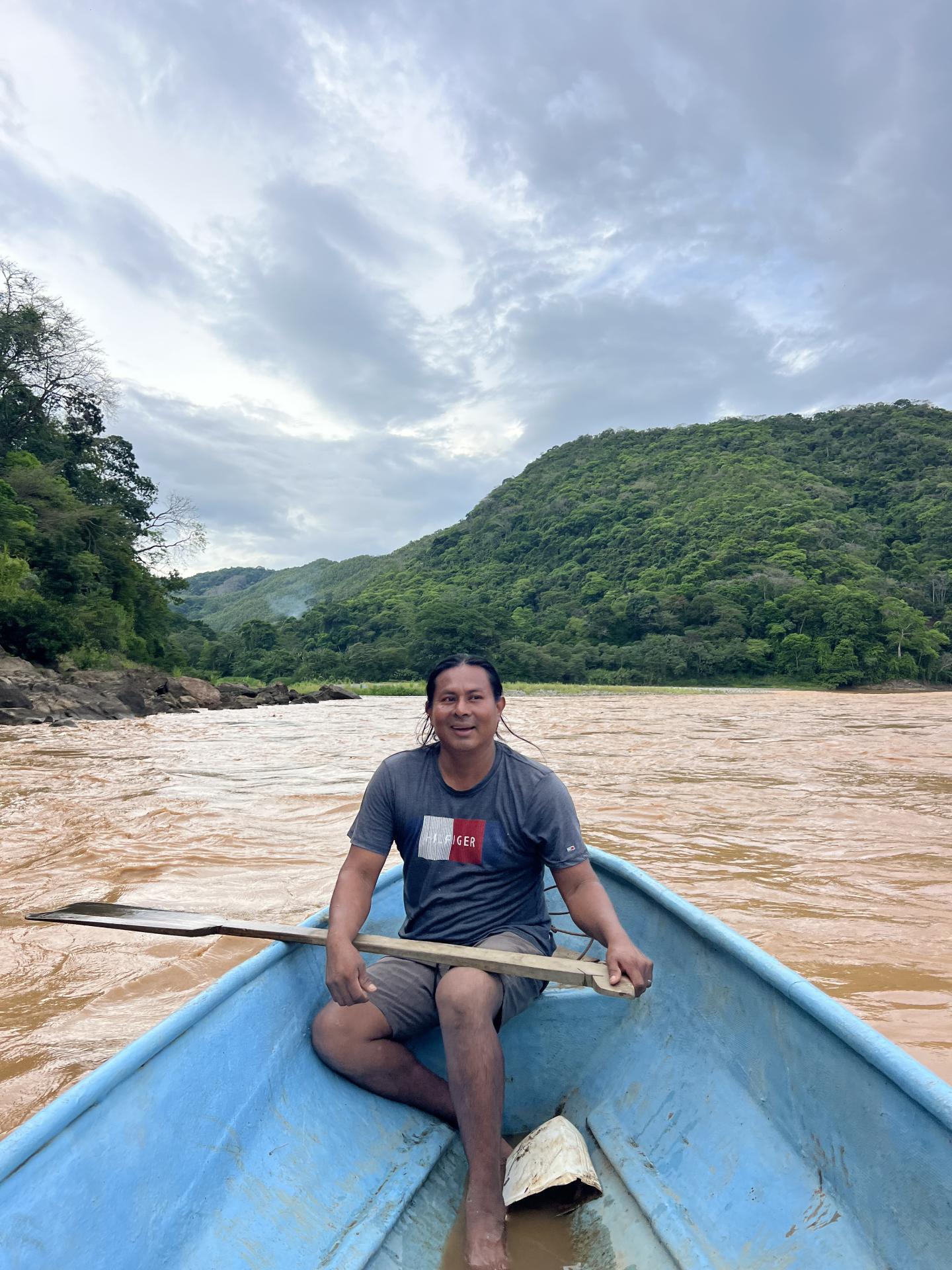
The late Terriba martyr Jehry Rivera articulated this sentiment prior to his passing, noting that promises of employment rarely materialized into equitable economic advancement. Instead, community elders like artisan Rafael González observed that the intrusion of capitalistic priorities consistently undermined communal well-being. González remarked that the overwhelming greed for financial gain frequently overshadowed ethical governance and community stewardship.
This shift toward individualism has also infiltrated local educational institutions. Where classrooms once fostered critical thinking about collective responsibility and community leadership, modern educational structures promote passive participation. Observers like Morales Lázaro emphasize that traditional Indigenous education relies on observation, mentorship, and lived experience rather than isolated instruction within four walls. Without deliberate efforts to train youth in grassroots organizing and cultural preservation, the institutional memory required to defend Indigenous rights risks fading away with older generations.
Broader Impact and Future Outlook
Despite the systemic challenges posed by state-mandated governance models and capitalist integration, a new generation of Boruca activists is actively working to reclaim their heritage. Young leaders like Maria Lázaro, drawing inspiration from familial legacies of community organizing, emphasize the interconnected nature of Indigenous struggles across Costa Rica. By forging solidarity networks across territories such as Salitre and Térraba, these advocates aim to counter government strategies designed to fracture collective resistance.
The implications of the Boruca struggle extend far beyond local territorial boundaries. They raise critical questions regarding the implementation of international standards for Indigenous rights, such as the United Nations Declaration on the Rights of Indigenous Peoples (UNDRIP) and the principle of Free, Prior, and Informed Consent (FPIC). As Costa Rica promotes its green economy on the global stage, the lived experiences of the Boruca Peoples serve as a crucial reminder that true environmental sustainability cannot be achieved without respecting the self-determination and territorial sovereignty of the Indigenous communities who have protected these landscapes for centuries.