The jagged topography of Ethiopia’s remote agrarian and pastoralist regions—defined by sheer cliffs, steep hills, and deep ravines—has long posed a formidable barrier to healthcare access. For pregnant women residing in these isolated territories, the journey to the nearest health facility can take hours, if not days, across unforgiving terrain. Historically, this profound physical isolation, compounded by deep-seated sociocultural barriers, prevalent stigma, and economic constraints, trapped generations of women in a dangerous cycle of high home births and entirely preventable maternal and newborn fatalities. Before recent targeted interventions, institutional delivery rates in these vulnerable districts languished at a dismal 17 percent, leaving countless mothers and infants to face the risks of childbirth without professional medical oversight.
However, a transformative public health initiative launched in 2023 is steadily altering this landscape. Spearheaded by JSI and Amref Health Africa, in close collaboration with local health leaders and regional authorities, the Community-Based Life-Saving Maternal and Newborn Health Service Delivery Model (cMNH) was established as an implementation research project. Designed to confront the root causes of maternal mortality in hard-to-reach areas, the initiative targeted 38 highly vulnerable communities—comprising eight agrarian regions and 30 pastoralist zones characterized by historically high rates of unassisted home deliveries. Encompassing seven primary health centers, the project footprint ultimately extends critical care networks to a total population of 210,787 people. At the core of this model is the deployment of village health leaders (VHLs), trusted community volunteers specifically trained to bridge the dangerous chasm between isolated households and formal health facilities.
The Genesis and Chronology of the cMNH Initiative
The conceptualization and rollout of the cMNH model followed a rigorous, phased timeline rooted in implementation science and participatory community engagement. The groundwork began in early 2023, when public health planners from JSI and Amref Health Africa, working alongside regional health bureaus and woreda (district) health office experts, conducted baseline assessments to identify the geographic pockets with the most acute maternal health deficits.
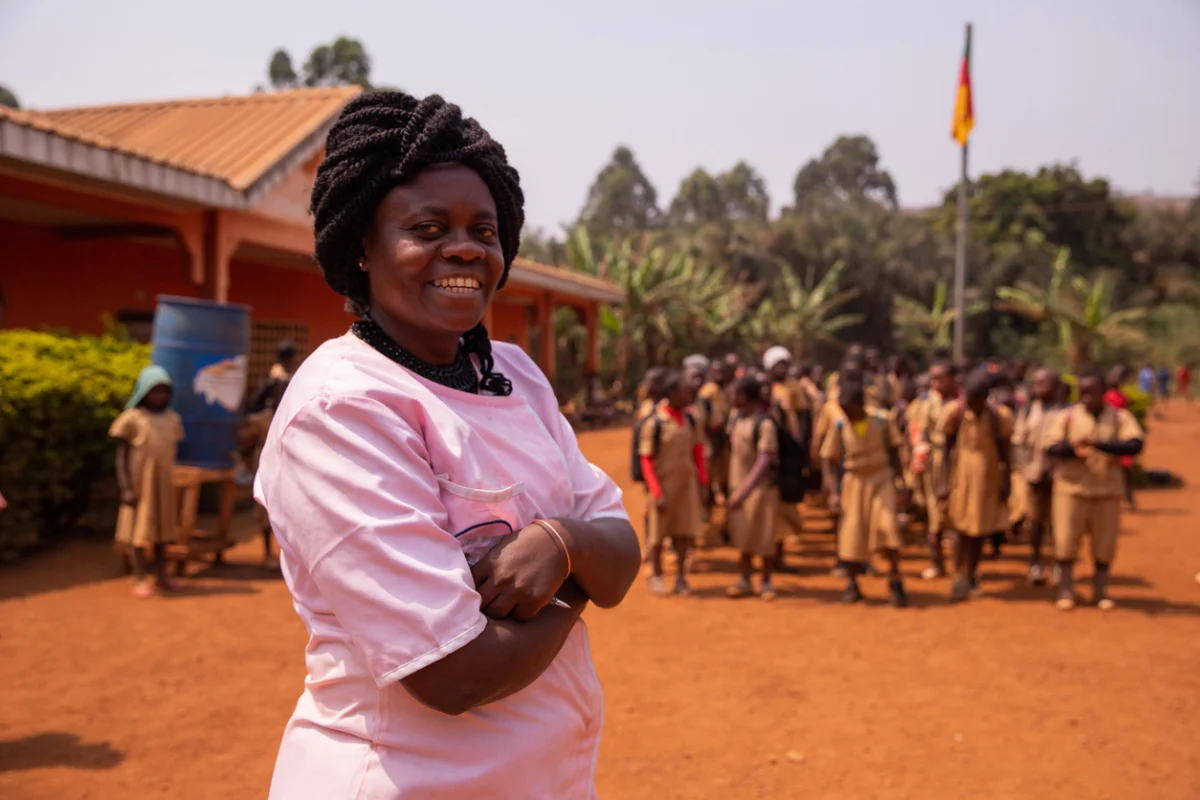
By the spring of 2023, the recruitment phase commenced. Recognizing that external healthcare workers often face cultural resistance or language barriers in remote pastoralist and agrarian enclaves, program organizers prioritized the selection of local residents. Regional health experts recruited and trained 187 village health leaders. These VHLs underwent intensive training modules focused on community mapping, active tracking of pregnant women, respectful maternity care, and the structured delivery of essential maternal health commodities.
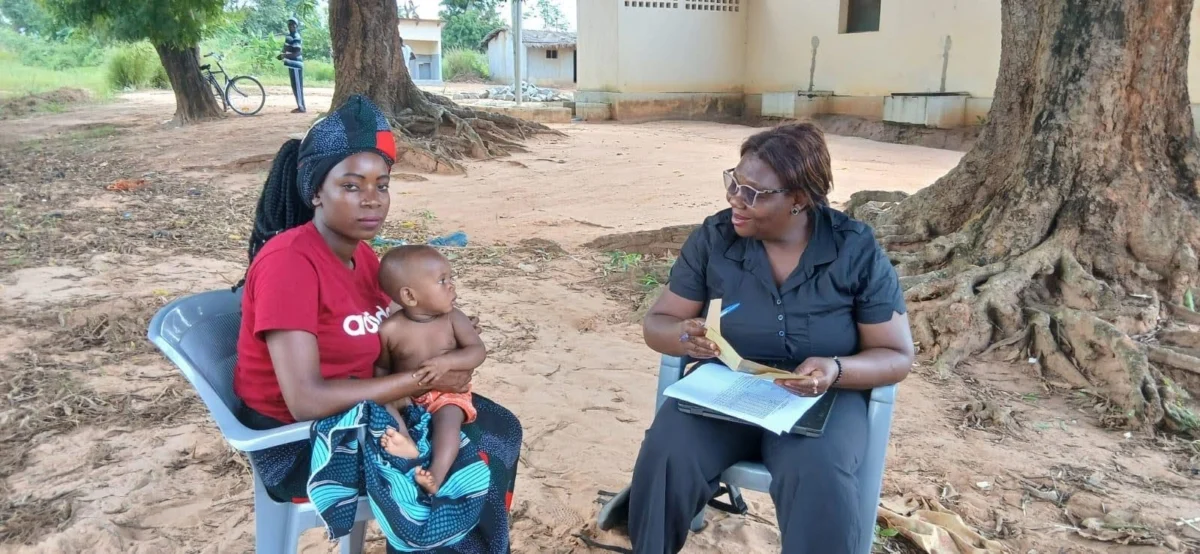
By mid-2023, the newly trained VHLs deployed into their respective communities to initiate systematic household mapping. Unlike passive healthcare models that wait for patients to present at clinics, the cMNH framework demands proactive outreach. VHLs instituted a structured schedule of interactions for every identified pregnancy, mandating a minimum of three scheduled touchpoints: two antepartum visits during pregnancy and one crucial postpartum visit following delivery.
During the antepartum visits, VHLs did not merely provide counseling; they executed the advance distribution of life-saving commodities directly into the hands of pregnant women. This proactive supply chain strategy ensured that essential medications—such as misoprostol to prevent postpartum hemorrhage, chlorhexidine for umbilical cord care, iron and folic acid supplements to combat anemia, and progestin-only pills—were immediately accessible, bypassing the logistical delays of treacherous geography during the onset of labor.
Operational Mechanics: Bridging Primary Care and Community Action
The operational success of the cMNH model rests on its dual commitment to promoting facility-based deliveries while pragmatically acknowledging the realities of rural life. While VHLs continuously reinforced behavior change communication—focusing heavily on birth preparedness, complication readiness, and the distinct advantages of giving birth under skilled medical supervision—they were also equipped to handle contingencies.
System linkages formed a critical pillar of the operational strategy. VHLs worked diligently to optimize local referral networks, educating families on the nearest health posts and actively promoting the utilization of maternity waiting homes. These facilities allow women living in remote areas to travel safely ahead of their due date, staying close to a health center to await labor.
Crucially, the model incorporates pragmatic contingency counseling. Public health officials recognized that despite best efforts, unexpected labor complications, sudden weather events, or persistent cultural pressures would still result in some home births. Rather than ignoring this reality, the cMNH model addresses it head-on. When a mother is forced by circumstance to deliver at home, she is thoroughly instructed by her VHL on the correct protocols for utilizing the emergency cMNH package, ensuring that basic sterile practices and life-saving medications are still deployed to protect both mother and child.
Personal Testimonies: Real-World Impacts on Vulnerable Lives
The human dimension of the cMNH intervention is best understood through the experiences of the women whose lives were directly touched by the work of village health leaders. Their stories highlight the diversity of challenges faced by rural Ethiopian women—ranging from logistical hurdles to intense social isolation—and demonstrate how targeted community care provides viable solutions.
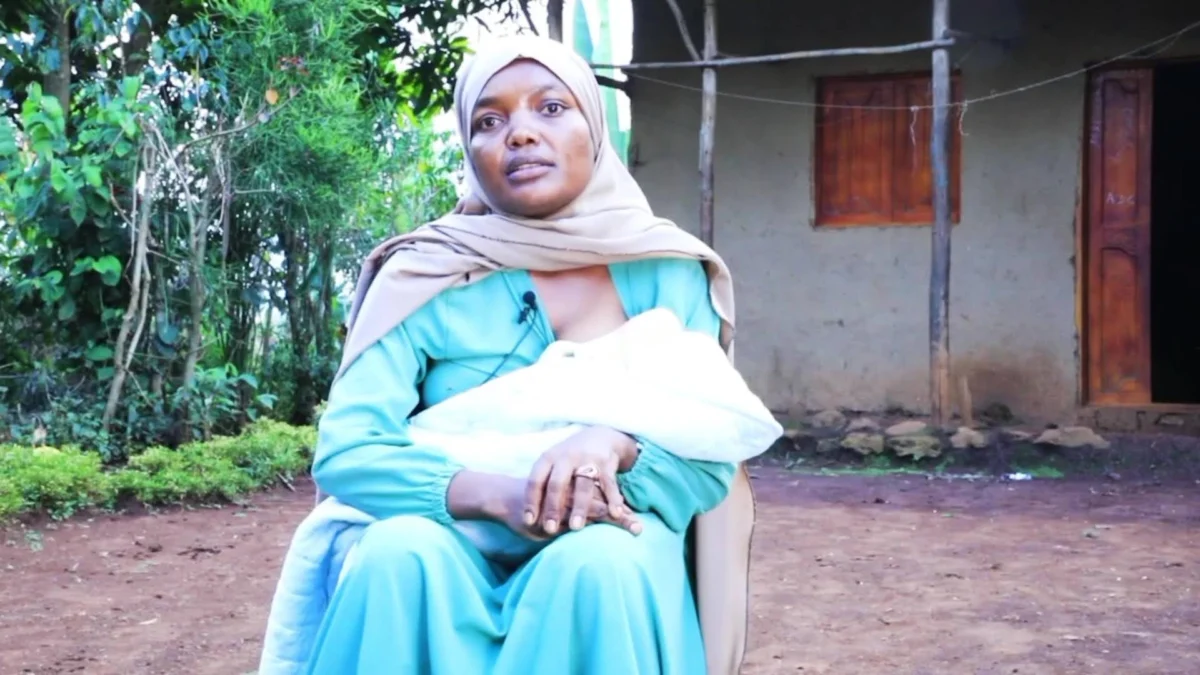
Iftu Abajebel’s journey illustrates the ideal pathway of the cMNH model. Identified and registered by her local VHL during her fourth month of pregnancy, Iftu received a series of three structured home visits. During these interactions, she was provided with an initial two-month supply of iron and folic acid, alongside comprehensive birth-preparedness counseling that underscored the medical necessity of a facility birth. Empowered by the guidance and continuous support of her VHL, Iftu successfully planned for her delivery, navigating the physical distance to reach her nearest health facility when labor began.
Reflecting on her experience, Iftu noted the transformative psychological impact of the outreach: “The home visits, counseling, and information from the VHLs gave me the preparation and confidence I needed for a facility birth.”
In contrast, the experience of Adanech Bayu highlights the model’s capacity to penetrate deeply sensitive, socially stigmatized situations. Adanech, a teenager, faced severe familial conflict and intense social isolation following an unplanned pregnancy. Subject to strict confinement within her family home due to the stigma surrounding adolescent pregnancy, she was entirely cut off from conventional healthcare channels.
However, routine community surveillance conducted by a local VHL pierced this veil of isolation. The VHL successfully identified Adanech and established a confidential channel of care. While the VHL provided standard counseling on the benefits of a facility-based delivery, she pragmatically recognized that Adanech’s family dynamics made a home birth almost inevitable, as they strongly desired to keep the pregnancy hidden from the broader community. Rather than abandoning her, the VHL adapted to the crisis: she equipped Adanech with the cMNH emergency package and meticulously trained her on critical safety and hygiene protocols.
The wisdom of this contingency planning became evident when Adanech went into labor at home. “Just as the VHL had instructed, I wrapped the baby in a clean cloth, and the umbilical cord was cut using a boiled razor blade,” Adanech recalled. “When I took the medication she gave me for post-delivery care, the placenta came out safely. She also gave me an ointment to apply to the umbilical cord, which I used. Today, my child is completely healthy.”
Evaluating the Evidence: Endline Survey Data and Maternal Outcomes
To rigorously measure the efficacy of the intervention, project evaluators conducted a comprehensive endline household survey assessing 1,867 women who gave delivery during the active intervention period. The resulting data point to significant, measurable improvements across key maternal and newborn health indicators in districts that were previously considered beyond the reach of consistent medical oversight.
The quantitative findings validate the core hypothesis of the implementation research: that decentralized, community-managed distribution of health packages can fundamentally shift health-seeking behaviors. Institutional delivery rates within the target communities experienced a marked upward trajectory, contrasting sharply with the historical baseline of 17 percent. Furthermore, rates of antenatal care attendance improved substantially, and the timely consumption of iron and folic acid during pregnancy contributed to a noticeable reduction in self-reported prenatal complications associated with maternal anemia.
Public health analysts reviewing the endline data emphasize that the success of the cMNH model lies in its ability to simultaneously address supply-side and demand-side barriers. While the advance distribution of commodities solved the supply constraint of rural isolation, the persistent, trusted presence of VHLs systematically dismantled demand-side hurdles, such as fear, misinformation, and cultural hesitation regarding modern medical facilities.
Broader Implications and the Path to Scalable Public Health Policy
The conclusive findings from the cMNH project carry profound implications for health policy across sub-Saharan Africa and other low-resource settings characterized by challenging geography. The research indicates that the community-based delivery of an integrated maternal and newborn health package by trained, locally recruited community agents is not only highly feasible but also remarkably safe and socially acceptable within underserved populations.
In many developing nations, health systems remain rigidly facility-centric, assuming that patients will independently navigate physical and financial obstacles to reach clinics. The Ethiopian experience with the cMNH model challenges this paradigm, offering a scalable, evidence-based approach that actively pushes the boundaries of the primary healthcare system outward into the community.
By successfully navigating complex geographic barriers and entrenched cultural stigmas, village health leaders have demonstrated that primary healthcare can be effectively decentralized without compromising clinical safety. As regional health bureaus and national stakeholders evaluate the future of the cMNH framework, the evidence suggests that integrating VHL networks into broader national health strategies could serve as a vital mechanism for optimizing primary care linkages, empowering rural women, and accelerating progress toward the eradication of preventable maternal and newborn mortality in Ethiopia’s most remote frontiers.