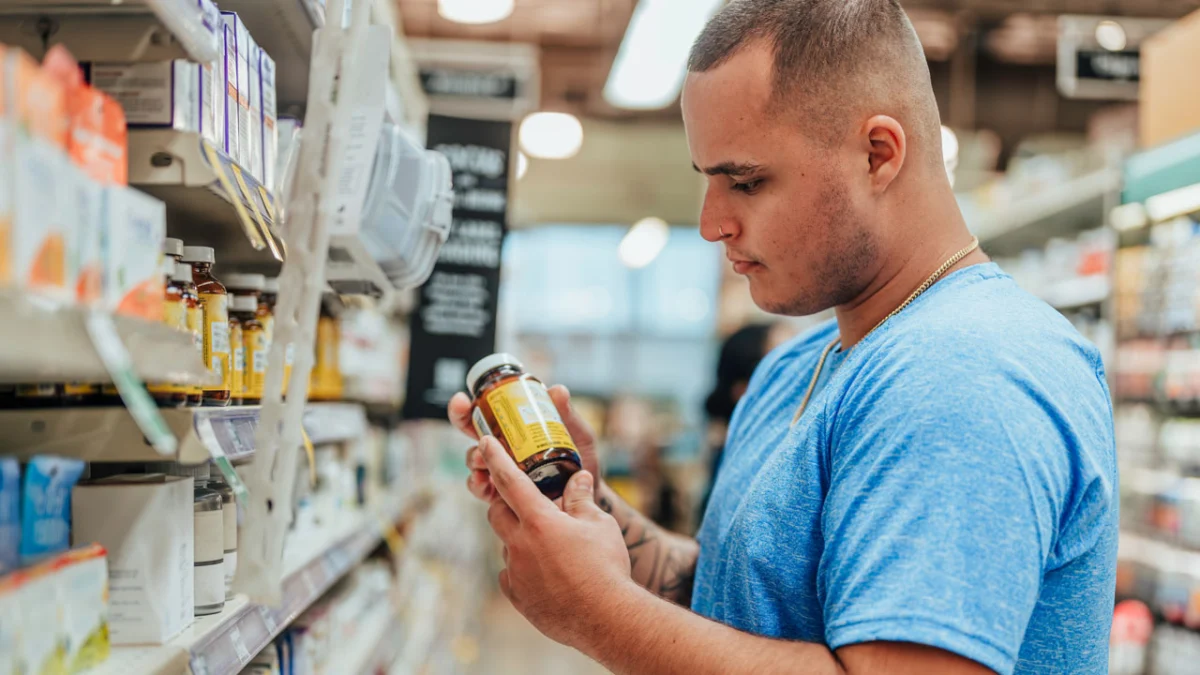
A new survey conducted by the Pew Research Center reveals that nearly eight-in-ten American adults incorporate at least one dietary supplement into their daily routine. This widespread reliance on products ranging from multivitamins and minerals to herbal extracts, protein powders, and probiotics highlights a significant cultural shift in how individuals approach personal wellness and preventive healthcare. The data, collected from a representative sample of 3,554 U.S. adults between July 6 and July 12, 2026, underscores a robust, multi-billion-dollar industry that continues to shape the modern health landscape.
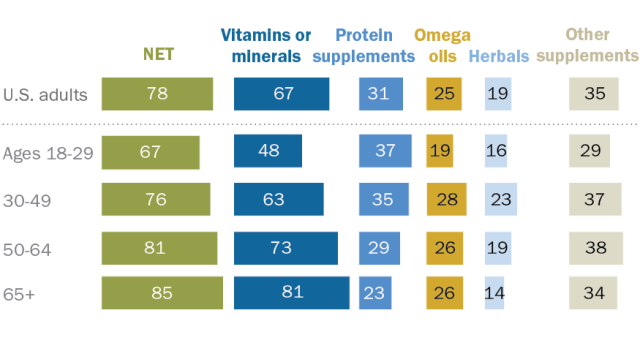
For the purposes of this analysis, "supplements" were defined as products taken for health reasons, excluding prescription medications and over-the-counter drugs such as pain relievers. The findings indicate that the consumption of these products is not merely a niche behavior but a mainstream practice, with 78% of the adult population reporting active use.
A Chronology of the Supplement Surge
The rise of the dietary supplement market has been a decades-long phenomenon. While traditional vitamins have been a staple in American households for generations, the early 2020s marked a pivot point. The onset of the global pandemic in 2020 acted as a catalyst for health-conscious consumerism, as public interest in immune-supporting nutrients like Vitamin D, Zinc, and Vitamin C reached an all-time high.

By 2025, the global dietary supplement market was estimated to be valued at approximately $209.5 billion. This rapid expansion was fueled by a convergence of factors: an aging population, increased awareness of chronic disease prevention, and the proliferation of wellness-focused social media content. As of September 2026, this trajectory shows no sign of slowing, with influencers—ranging from fitness coaches to medical professionals—playing a pivotal role in disseminating health information to a digital-first audience.
Demographic Disparities in Consumption
The Pew Research Center data reveals nuanced patterns of supplement use across various age groups, genders, and socioeconomic backgrounds. One of the most striking findings is the correlation between age and supplement usage.
Older adults, specifically those aged 65 and older, are the most frequent users, with 85% reporting current supplement intake. This high rate is largely driven by the consumption of vitamins and minerals. Medical guidelines frequently suggest that older populations may have specific nutritional requirements, such as increased intake of calcium to support bone density or Vitamin D for metabolic health, which may account for this demographic’s higher engagement with the market.
Conversely, younger adults aged 18 to 29 exhibit different consumption habits. While their overall usage rate is lower (67%), they are notably more likely to use protein supplements—a trend often linked to fitness culture and the "protein maxxing" phenomenon currently trending on social media. Approximately 37% of adults in this younger cohort report using protein supplements, compared to only 23% of those 65 and older.
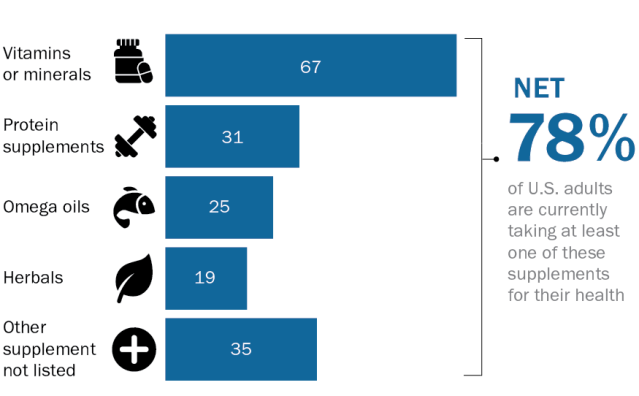
Gender also plays a role in consumption habits. Women (82%) are more likely than men (74%) to report taking supplements. This gender gap extends across multiple categories, including vitamins, minerals, and herbal supplements. Furthermore, the survey found that Asian adults are significantly more likely to incorporate omega oils into their diets, with 40% reporting use, nearly doubling the rate of white, Black, and Hispanic populations.
The Role of Perception and Belief
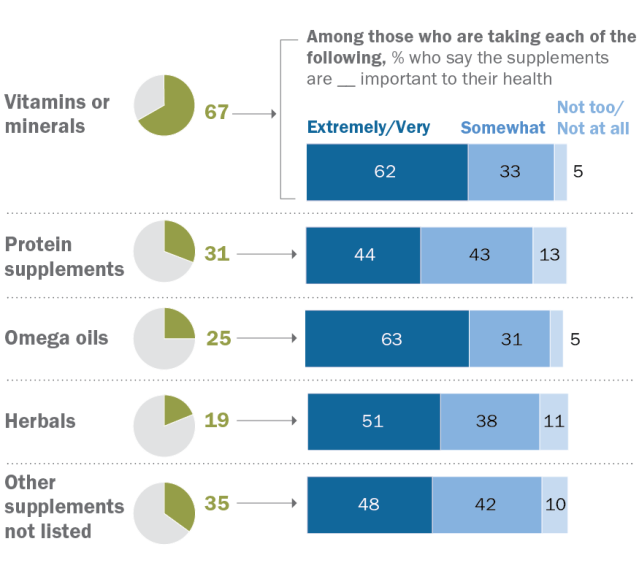
Beyond the raw consumption data, the survey explored the perceived efficacy of these products. A majority of those who take supplements believe they are "at least somewhat important" to their health.
The psychological component of supplement use—the belief that these products provide a necessary buffer against nutritional deficiencies—is perhaps the most powerful driver of market growth. Among users, 62% consider vitamins and minerals to be "extremely" or "very" important. Similarly, 63% of omega oil users attribute high importance to their supplements. While herbal and protein supplements command slightly lower "high importance" ratings, the overall consensus among users is that these products serve a vital function in their daily health maintenance.
Medical Perspectives and Industry Regulation
Despite the popularity of these products, the medical community remains cautious. Health organizations, including the American Medical Association, have frequently advised patients to approach supplements with a critical eye. The core concern for many medical professionals is the lack of stringent oversight compared to pharmaceuticals. Because dietary supplements are generally not subject to the same rigorous pre-market safety and efficacy testing as prescription drugs, the burden of verification often falls on the consumer.
The industry, however, argues that supplements provide an essential bridge for individuals who cannot meet their nutritional needs through diet alone. As consumer demand has grown, so has the volume of misinformation. The rise of "wellness influencers" on platforms like TikTok and Instagram has created a complex information environment where anecdotal success stories often outweigh clinical evidence. This has prompted calls from public health advocates for more robust education and clearer labeling standards to ensure that consumers are not misled by marketing claims.
Economic and Societal Implications
The economic footprint of the supplement industry is undeniable. With an annual valuation exceeding $200 billion, it has become a central pillar of the global wellness economy. This market strength has broader implications for healthcare expenditures. As women and higher-income individuals continue to spend more on health and wellness, the divide in health-related investment between different demographic groups may become more pronounced.
The data shows that 85% of upper-income earners take supplements, compared to 74% of lower-income earners. This income-based disparity suggests that access to "preventive" health, in the form of supplements, may be a luxury good for some, while for others, it is a calculated effort to mitigate the costs of future health complications.
Analysis of Future Trends
As we look toward the remainder of the decade, several trends are likely to persist. First, the influence of social media on health choices will continue to challenge traditional medical authority. When consumers turn to a social media influencer rather than a primary care physician to decide which supplement to take, the risk of improper usage increases.
Second, the diversification of the supplement market will likely accelerate. We are seeing a move away from generic multivitamins toward personalized nutrition, including customized probiotic blends, specialized herbal adaptogens, and performance-based protein additives. The "protein maxxing" trend is merely the latest iteration of a broader movement toward optimized nutrition that views the body as a system to be fine-tuned.
Finally, the regulatory landscape is likely to face increasing pressure. As more Americans rely on supplements for their health, the call for transparency regarding ingredient sourcing, manufacturing standards, and clinical efficacy will intensify. Policymakers will be forced to balance the consumer’s right to access these products with the necessity of protecting the public from unsubstantiated health claims.
Conclusion: A Shift in Health Paradigms
The Pew Research Center’s findings paint a picture of a nation that is deeply invested in the concept of self-directed health. By choosing to supplement their daily diets, Americans are participating in a massive, ongoing experiment with their own physiology. While the benefits of many supplements are supported by science—particularly in cases of specific deficiencies—the widespread, often indiscriminate, use of these products suggests that the American public is increasingly looking for "quick fixes" to complex health challenges.
As this trend continues to evolve, the challenge for both the medical community and the public will be to bridge the gap between wellness-driven consumer behavior and evidence-based medicine. Until that balance is achieved, the reliance on supplements as a cornerstone of daily health will likely remain a defining feature of the American lifestyle, reflecting a culture that values proactive, if sometimes unverified, approaches to longevity and well-being.

The survey methodology, which utilized the Center’s American Trends Panel, provides a high-confidence snapshot of current behaviors, serving as a vital resource for policymakers, healthcare providers, and the public as they navigate this expansive, high-stakes industry. For those interested in the granular details of the study, the full dataset, including the questionnaire and methodology, is available through the Pew Research Center’s public archives. As the supplement market continues to expand, this research will serve as a baseline for understanding how these products impact the health trajectory of the U.S. population in the years to come.