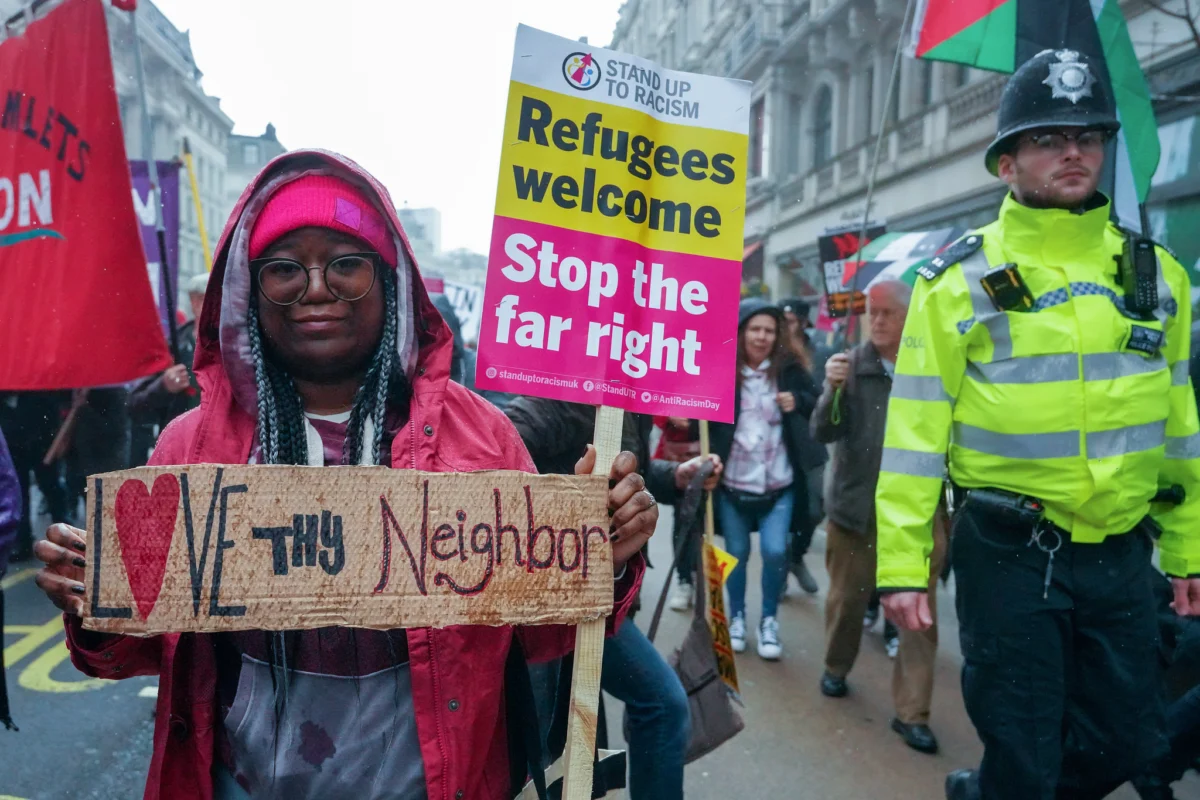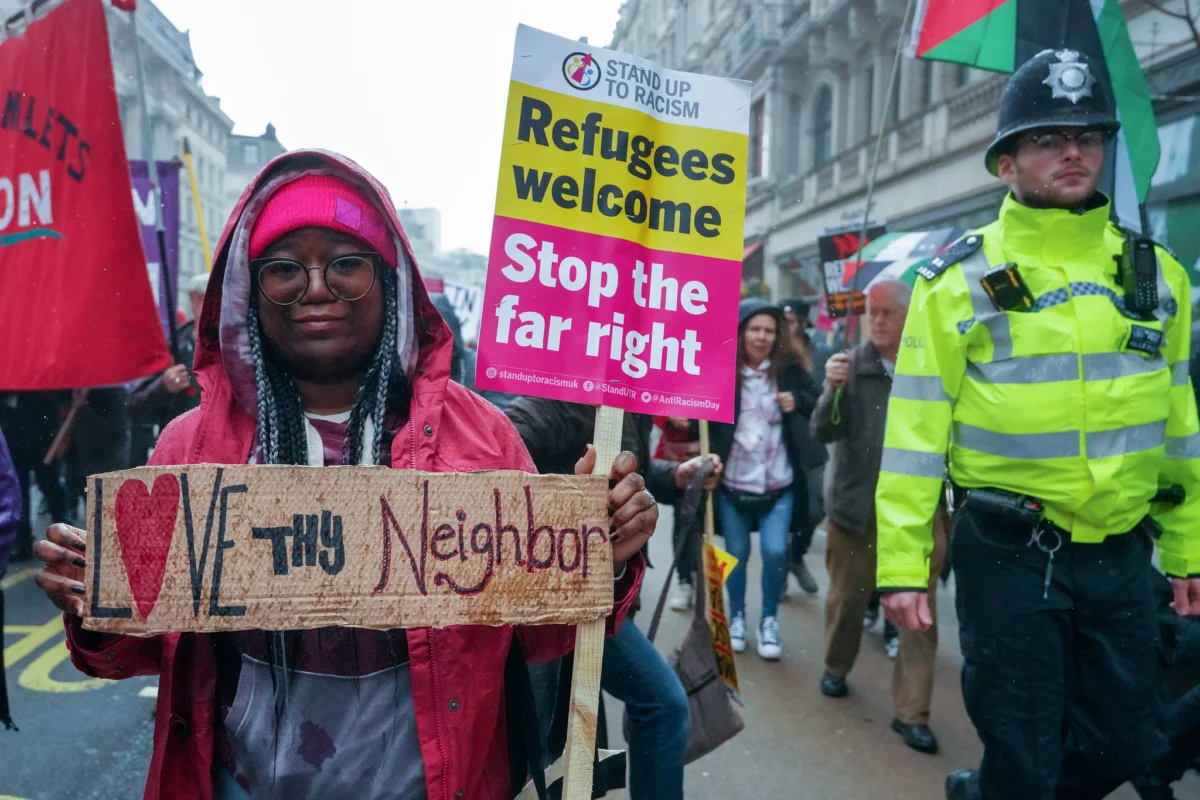
The constitutional landscape of the United Kingdom is currently facing a period of significant volatility as the fundamental statutes governing civil liberties and anti-discrimination face unprecedented scrutiny and potential repeal. For decades, the Equality Act 2010 and the Human Rights Act 1998 have served as the twin pillars of the British legal system, ensuring that individuals are protected from state overreach and private sector discrimination. However, as of March 2026, a convergence of political shifts, media consolidation, and legislative maneuvers has placed these hard-won protections in a precarious position. Legal experts and civil liberties advocates warn that the erosion of these laws could signal a regression in social progress, potentially returning the nation to an era where marginalized communities lacked the legal recourse to challenge systemic unfairness.
The Legislative Foundation: Understanding the Equality and Human Rights Acts
To comprehend the gravity of the current situation, it is essential to analyze the function and history of the primary statutes under threat. The Human Rights Act 1998 (HRA) effectively brought the European Convention on Human Rights (ECHR) into domestic British law. It allows individuals to defend their rights in UK courts rather than having to seek redress in the European Court of Human Rights in Strasbourg. The HRA guarantees fundamental freedoms, including the right to life, freedom from torture, the right to a fair trial, and freedom of expression. Crucially, it mandates that all public bodies—from local councils to the National Health Service and the police—act in a manner compatible with these rights.
Parallel to this, the Equality Act 2010 consolidated over 40 separate pieces of legislation into a single, comprehensive framework. It was designed to provide a legal shield against discrimination based on nine "protected characteristics": age, disability, gender reassignment, marriage and civil partnership, pregnancy and maternity, race, religion or belief, sex, and sexual orientation. Before its enactment, the legal landscape was a patchwork of regulations that often left gaps in protection. The 2010 Act simplified the law, making it unlawful to deny individuals employment, housing, or services based on their identity.
A Chronology of Erosion: 2010 to 2026
The trajectory of these laws has been marked by gradual weakening followed by more overt political challenges.
- 2010–2015: Following the enactment of the Equality Act, the incoming Coalition Government began a process of "red tape" reduction. This included the repeal of provisions that held employers liable for the harassment of staff by third parties (such as customers) and the removal of the power of employment tribunals to make wider recommendations to employers.
- 2015–2022: Successive Conservative administrations explored the possibility of replacing the Human Rights Act with a "British Bill of Rights." Critics argued this was a move to decouple the UK from international human rights standards and limit the ability of the judiciary to challenge executive decisions.
- 2023–2024: Political rhetoric intensified. Reform UK formally pledged to scrap the Equality Act entirely, labeling it a "divider’s charter." Simultaneously, the Conservative government proposed amendments to the Act to clarify the definition of "sex," a move that sparked intense debate regarding the balance of rights between different protected groups.
- 2025–2026: Recent policy reviews by the Labour Party have signaled a potential shift in how rulings from the European Court of Human Rights are integrated into domestic policy. While not advocating for the repeal of the HRA, the proposed "review of application" has raised concerns among civil liberties groups like Liberty and The Equality Trust regarding the potential for "rights regression."
The Role of Media Consolidation and Public Perception
A significant factor in the shifting public sentiment toward these laws is the concentration of media ownership in the United Kingdom. Data indicates that approximately 90% of the UK’s national newspaper circulation is now controlled by just three billionaire-owned entities. This concentration has facilitated a sustained editorial narrative that often characterizes human rights as "special treatment" or a "criminal’s charter."
According to an analysis by The Equality Trust, misleading headlines and "clickbait" narratives have frequently distorted the reality of how these laws function. Common tropes include the invention of "political correctness" scandals or the misrepresentation of legal cases to suggest that equality laws hinder common sense. This campaign of misinformation serves a "divide-and-rule" function, encouraging the public to view civil liberties as zero-sum benefits that favor marginalized groups at the expense of the majority. In reality, the HRA and the Equality Act provide a universal safety net; for instance, the right to a fair trial or protection against age discrimination in the workplace benefits every citizen regardless of their background.
The Dormant Power: The Socio-Economic Duty
One of the most significant yet underutilized aspects of the Equality Act 2010 is Section 1, known as the "Socio-Economic Duty." This clause requires public authorities to consider how their decisions can reduce the inequalities of outcome which result from socio-economic disadvantage. While this duty has been formally commenced and implemented by the devolved governments in Scotland and Wales, it remains dormant in Westminster.
The refusal of successive UK governments to commence this duty in England has meant that major policy decisions—such as budget cuts or urban redevelopment—are not legally required to account for their impact on the poorest members of society. Advocacy groups argue that if Section 1 were fully enacted, it would provide a powerful tool for addressing the widening wealth gap in the UK, ensuring that "leveling up" is a legal obligation rather than a mere political slogan.
Supporting Data and Socio-Economic Impact
The economic and social consequences of weakening these protections are quantifiable. Reports from the Trades Union Congress (TUC) have highlighted that discrimination in the workplace continues to cost the UK economy billions in lost productivity and underutilized talent.
- Disability Rights: Before the 2010 Act and its predecessors, it was legally permissible for businesses to refuse entry to individuals with assistance dogs. Today, despite protections, the "disability pay gap" remains a significant issue, with ONS data showing disabled employees often earn significantly less than their non-disabled counterparts.
- Maternity and Pregnancy: Research indicates that thousands of women still face "pregnancy discrimination" annually, including unfair dismissal or being passed over for promotion. The Equality Act provides the only legal framework for these women to seek justice.
- The US Parallel: Civil liberties groups frequently point to the United States as a cautionary tale. The rolling back of established precedents, such as reproductive rights and voting protections, demonstrates that rights once considered "settled" can be dismantled through judicial appointments and legislative shifts.
Official Responses and Stakeholder Reactions
The debate over the future of these acts has drawn sharp reactions from across the political and social spectrum.
The Equality Trust: Vanessa Boon, Senior Policy & Advocacy Leader at The Equality Trust, emphasizes that these rights are "hard-won" and should not be taken for granted. The organization argues that rights are often eroded "quietly" through underfunded enforcement and narrowed legal interpretations rather than dramatic repeals.
Liberty: The human rights organization has warned that the government’s repeated attempts to restrict protest rights and dilute the HRA are "worse than feared." They argue that the current trajectory threatens the very principle of accountability, where the state is no longer bound by the same rules as the citizenry.
Political Proponents of Reform: Advocates for "scrapping" or "reforming" the Acts, such as representatives from Reform UK, argue that the legislation has created a "litigation culture" that stifles business and infringes on freedom of speech. They contend that the Equality Act encourages "identity politics" and that common law is sufficient to protect individuals from harm.
The Legal Community: The Law Society and various bar associations have expressed concern that replacing the HRA with a domestic Bill of Rights would create legal uncertainty, increase litigation costs, and weaken the UK’s standing in international diplomacy, particularly regarding treaty obligations.
Broader Implications and the Path Forward
The potential dilution of the Equality Act and the Human Rights Act carries implications that extend far beyond the courtroom. These laws shape the culture of the workplace, the accessibility of public spaces, and the basic dignity afforded to individuals in their interactions with authority. If the "Socio-Economic Duty" remains dormant while other protections are stripped away, the UK risks a future defined by deepening inequality and a lack of systemic accountability.
The current climate suggests that the protection of civil liberties is no longer a matter of settled law, but a continuous political struggle. Organizations like The Equality Trust are focusing their efforts on research-led policy and advocacy to prevent further regression. They argue that strengthening these safeguards is essential not only for marginalized groups but for the health of British democracy as a whole.
As the political cycle moves toward the next general election, the fate of the Equality Act 2010 and the Human Rights Act 1998 will likely remain a central point of contention. The outcome of this debate will determine whether the UK continues to uphold the post-war consensus of "never again" regarding the abuse of power, or whether it moves toward a more fragmented and less protected social contract. For now, the legal framework remains in place, but the foundations are visibly under pressure from those who view these universal protections as an obstacle to their political and economic agendas.