The announcement of Budget 2025, which coincided with the International Day of Older Persons, has drawn a complex response from Age Action, Ireland’s leading advocacy organization for the elderly. While the government introduced several measures aimed at easing the financial burden on senior citizens, Age Action has expressed significant concern regarding the adequacy of the core state pension increase and the perceived neglect of those living alone. Nat O’Connor, a policy adviser for Age Action, characterized the budget as a missed opportunity to structurally secure the financial future of Ireland’s aging population, noting that while some progress was made in energy and transport, the fundamental issue of income security remains unresolved.
The State Pension: A Failure of Benchmarking and Indexation
Central to Age Action’s critique is the €12 weekly increase in the State Pension. On the surface, the increase appears as a positive adjustment; however, Dr. O’Connor argues that it fails to account for the cumulative impact of inflation over the last four years. According to Age Action’s analysis, the state has failed to restore the pension to the real-world value it held in 2020. To match the purchasing power of four years ago, the organization asserts that the pension would have required an increase of at least €30 per week—€18 more than the €12 actually granted in Budget 2025.
This discrepancy highlights a broader policy failure: the government’s inability to deliver on promises regarding the benchmarking and indexation of the state pension. Benchmarking involves setting the pension at a specific percentage of average earnings, while indexation ensures that payments rise automatically in line with the cost of living. Age Action points out that Ireland remains an outlier in Western Europe, where most neighboring nations have already implemented these systems to provide retirees with predictable income security. Without these mechanisms, older people remain at the mercy of annual budget cycles, leading to what Dr. O’Connor describes as "weaker income security" and a constant state of financial anxiety for those in retirement.
Combatting Energy Poverty through Fuel Allowance Reform
Despite criticisms of the pension rate, Age Action welcomed the government’s decision to reform the Fuel Allowance. Under the new measures, individuals aged 66 and over will have expanded access to the allowance through a more generous means test. This policy change is a direct response to long-standing advocacy regarding the specific risks older people face during the winter months.
The vulnerability of older populations to energy poverty is rooted in both socio-economic and physiological factors. Many older people in Ireland reside in older, poorly insulated homes that require more energy to heat. Furthermore, as the human body ages, its ability to retain heat diminishes, making a warm living environment a medical necessity rather than a comfort. Age Action noted that the government’s recognition of this reality through the expanded means test will be a vital tool in preventing health complications associated with cold living conditions. This reform is expected to bring thousands of additional households into the safety net of the Fuel Allowance scheme, providing a significant buffer against fluctuating global energy prices.
The Stagnation of Support for Older People Living Alone
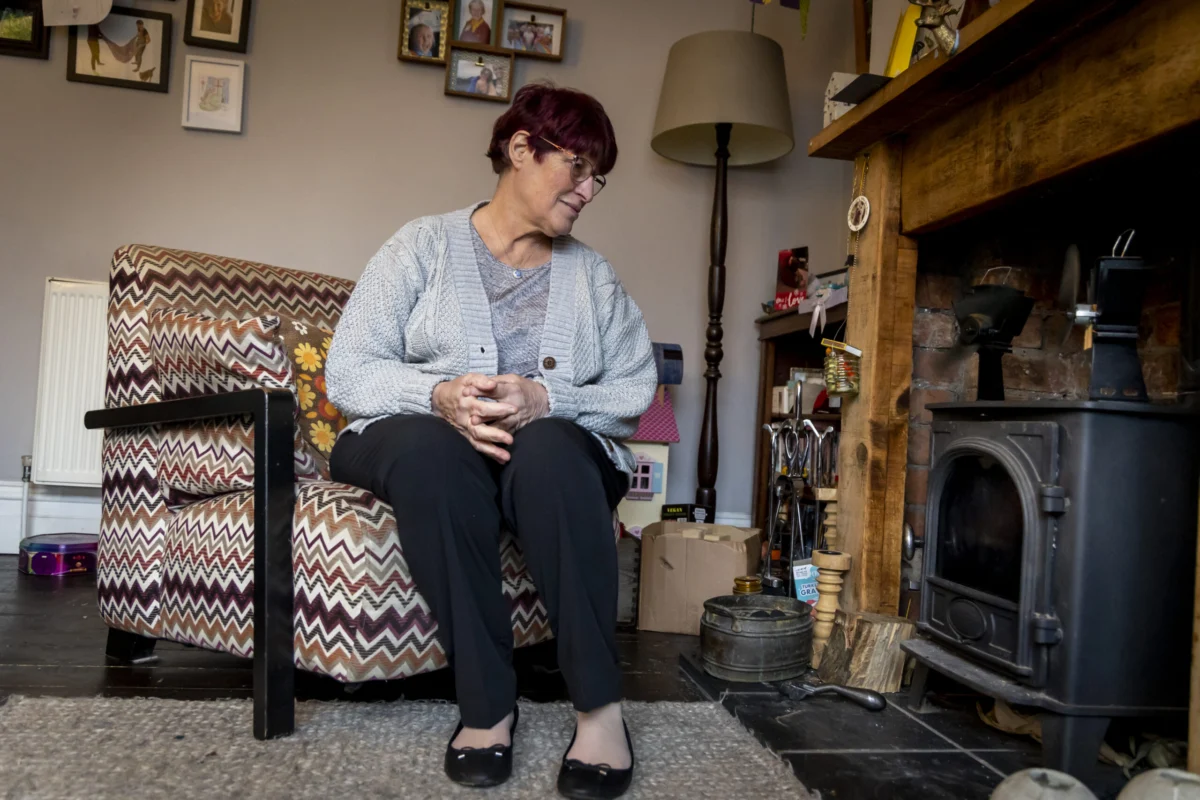
A significant portion of Age Action’s reaction focused on what it termed the "disadvantage" faced by older people living alone. The organization expressed deep regret that Budget 2025 did not provide targeted support for this specific cohort, marking the second consecutive year their needs have been largely overlooked in the budget process.
The Living Alone Allowance has remained stagnant since 2022, when it received a marginal increase of only €3. Current research suggests that individuals living alone bear approximately 79% of the costs faced by a couple, yet the social protection system does not reflect this reality. For instance, the Fuel Allowance for a person living alone is barely half of what a couple receives, despite the fact that heating a home costs roughly the same regardless of the number of occupants.
Furthermore, the means test for the Carer’s Allowance allows older people living alone only half the income threshold permitted for those living with others. This structural disparity has led to a sharp increase in material deprivation. Statistics cited by Age Action indicate that older people living alone were twice as likely to experience material deprivation in 2023 compared to 2020, prior to the recent inflationary spike. When compared to couples aged 65 and over, those living alone are nearly three times as likely to struggle with the costs of basic necessities.
Gender Inequality and the Pension Gap
The failure to support those living alone also carries a significant gender dimension. Six out of ten older people living alone in Ireland are women. Consequently, the stagnation of the Living Alone Allowance and other targeted supports serves to exacerbate existing gender inequalities.
Ireland currently faces a 35% gender pension gap, largely due to women having spent more time in unpaid care roles or having worked in lower-paid sectors over their lifetimes. For many women, the state pension is their sole source of income in later life. By failing to address the specific financial pressures of solitary living, the government is, in effect, allowing the gender wealth gap to widen during the most vulnerable years of a woman’s life. Age Action argues that a gender-sensitive approach to social protection is essential to ensuring that retirement does not become a period of poverty for women.
Transport Inadequacy and the Universal Companion Pass
In a more positive development, Age Action lauded the introduction of a Universal Companion Pass, scheduled for implementation in September 2025. This pass will allow older people who find traveling alone difficult or impossible to bring a companion on public transport free of charge.
Transport inadequacy has long been cited as a primary driver of social isolation among the elderly in Ireland, particularly in rural areas where public transport infrastructure is sparse. For many older adults, the physical or cognitive challenges of navigating public transport systems independently can lead to them becoming homebound. The Universal Companion Pass is seen as a simple but transformative improvement that promotes social inclusion and enables older people to remain active participants in their communities. Dr. O’Connor noted that this measure would be "greatly appreciated" by many who have felt excluded from the benefits of the existing free travel scheme due to their need for assistance.
Chronology and Background: The Road to Budget 2025
The lead-up to Budget 2025 was marked by intense lobbying from various advocacy groups, with Age Action submitting a comprehensive set of proposals focused on Social Protection and broader government reform. These submissions emphasized the need for a "rights-based" approach to aging, moving away from discretionary one-off payments toward permanent, structural changes.
The context of this budget was also shaped by the "cost-of-living crisis" that began in 2021, fueled by post-pandemic supply chain issues and exacerbated by the energy crisis following the invasion of Ukraine. While the government has utilized "cost-of-living bonuses" (one-off payments) to mitigate the impact, Age Action and other NGOs have argued that these do not provide long-term security. The 2025 budget arrived at a time when the Irish state is recording significant surpluses, leading to increased pressure from the public to invest in social infrastructure rather than temporary relief.
Economic Analysis: The Impact of Inflation on Fixed Incomes
The core of the disagreement between the government and advocacy groups lies in the calculation of "adequacy." While the government highlights the €12 increase as one of the largest in recent years, economic data suggests that it barely keeps pace with the current Consumer Price Index (CPI).
When inflation rises, those on fixed incomes—such as pensioners—are hit the hardest. Unlike the working population, which can sometimes negotiate wage increases, retirees are entirely dependent on legislative changes to their income. The failure to index the pension means that every month the government delays an adjustment, the "real value" of the pension drops. For a pensioner, an €18 shortfall (the gap between the €12 increase and the 2020 value) represents significant trade-offs, such as choosing between higher-quality food, home maintenance, or healthcare expenses.
Conclusion and Future Implications
Budget 2025 presents a mixed landscape for Ireland’s older population. The expansion of the Fuel Allowance and the introduction of the Universal Companion Pass represent genuine progress in addressing energy poverty and social isolation. However, the perceived failure to protect the core value of the state pension and the continued neglect of those living alone suggest a lack of a cohesive long-term strategy for an aging demographic.
As Ireland’s population continues to age, the pressure on the social protection system will only increase. Age Action’s call for benchmarking and indexation is not merely a request for more money, but a demand for a systemic shift toward predictability and dignity in retirement. The organization has signaled that it will continue to advocate for these reforms, emphasizing that the "peace of mind" of Ireland’s seniors should not be a variable in annual political negotiations, but a guaranteed right protected by the state. The coming year will likely see these issues remain at the forefront of the political discourse, especially as the nation approaches its next general election.