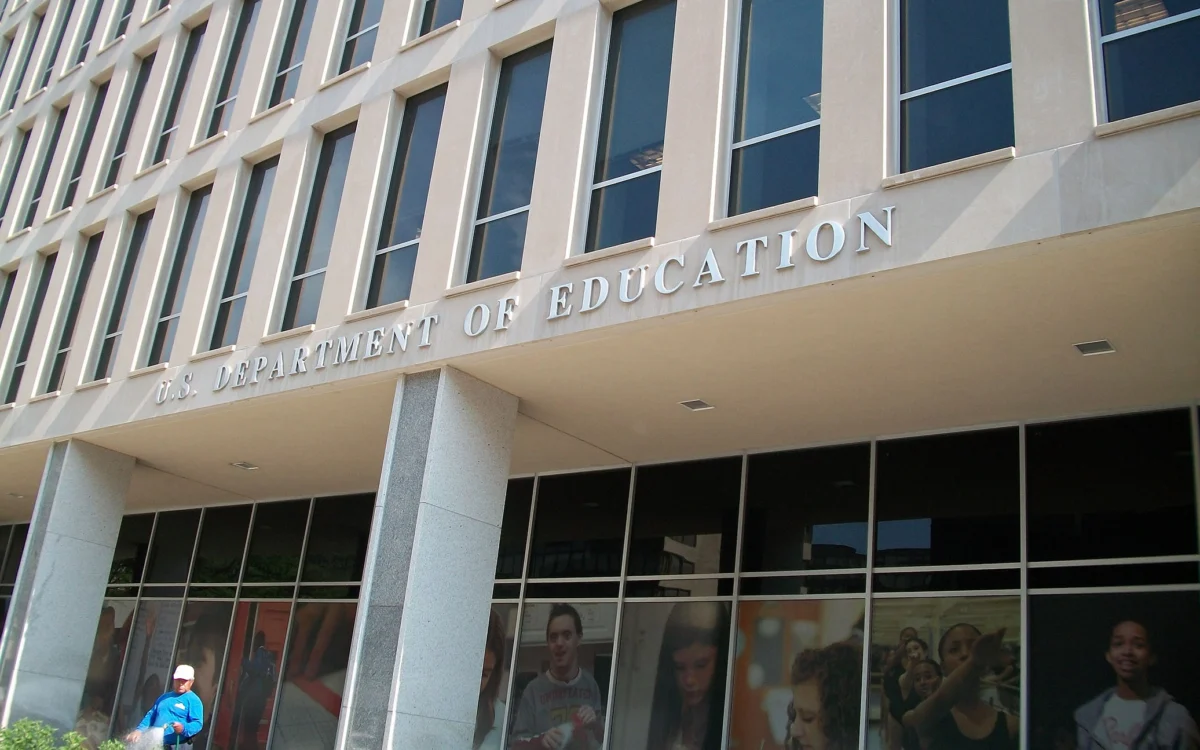
Multiple states have initiated legal action against the U.S. Department of Education, challenging the abrupt cancellation of millions of dollars in grants designated for the crucial training and development of special education teachers. The lawsuits, filed this week in federal court, accuse the Trump administration of unlawfully terminating these vital funding streams, jeopardizing the pipeline of qualified educators essential for supporting students with disabilities.
The affected states, including California, Rhode Island, and Wisconsin, were in the midst of multi-year funding cycles under the State Personnel Development Grant Program when the grants were abruptly halted. This program, a cornerstone of the Individuals with Disabilities Education Act (IDEA), has historically provided sustained support for personnel preparation and professional development initiatives aimed at improving outcomes for children with disabilities, from early intervention services through their transition into adulthood.
A Sudden Shift in Federal Priorities and Funding
The core of the legal challenge lies in the Department of Education’s justification for the cancellations, which stated the grants "reflect the prior administration’s priorities and policy preferences and conflict with those of the current administration." This rationale has been sharply criticized by state officials and disability advocates as arbitrary and detrimental to the educational well-being of vulnerable student populations.
The grants in question were among a larger group of 25 funded under IDEA Part D that the Department of Education’s Office of Special Education Programs (OSEP) ceased last September. According to the lawsuits, these grants were specifically flagged for including language related to diversity, equity, and inclusion (DEI) – even if these references were brief or incidental. The states contend that these DEI considerations were not only present in their original grant applications, submitted between 2021 and 2024, but were actively encouraged and even mandated by the Department of Education at the time of application.
This sudden reversal, occurring mere weeks before the expected disbursement of federal funds, has left the states scrambling to cover the costs of programs that are now in jeopardy. The lack of advance notice and the immediate cessation of funding have forced many of these initiatives to shut down, leaving educators and students in a precarious position.
Legal Grounds for the Lawsuits
The lawsuit filed in the U.S. District Court for the Northern District of California, and similar actions in other states, outlines several key allegations against the Department of Education and its Secretary, Linda McMahon. Central to these claims is the violation of the Administrative Procedure Act (APA). The states argue that the grant cancellations were based on new, undisclosed priorities that did not undergo the mandatory public notice and comment period required by law. This process ensures transparency and allows stakeholders to provide input on significant regulatory changes.
Furthermore, the plaintiffs contend that the federal government overstepped its authority by asserting "nearly limitless discretion to discontinue grants based on new priorities." They assert that the Department failed to provide a "reasoned explanation" for the terminations, a standard requirement for administrative actions. A particularly galling aspect of the federal government’s actions, according to the lawsuit, is the alleged reversal of its own stance: the states were reportedly encouraged, even required, to emphasize equity initiatives in their applications, only to be penalized for these very same initiatives.
California Attorney General Rob Bonta, who is leading the multistate legal effort, expressed strong condemnation of the administration’s actions. "The Trump administration discontinued critical grants designed to improve outcomes for students with disabilities by building the capacity of educators, administrators and systems to ensure timely appropriate services and navigate early intervention," Bonta stated. "This harmful and unlawful action denies vulnerable students the resources they need to learn and succeed."
Background and Significance of the State Personnel Development Grant Program
The State Personnel Development Grant Program (SPDGP) has been a vital component of federal efforts to bolster the special education workforce since its inception. Established under IDEA, the program aims to address critical needs in personnel shortages, enhance the skills of existing professionals, and promote innovative practices in special education.
A Chronology of Funding and Disruption:
- Pre-2021: The SPDGP operated under consistent guidelines, with multi-year grants typically reviewed annually for performance and financial accountability. Awarded funds were rarely cut off, especially without prior notification.
- 2021-2024: States submitted grant applications under the existing framework, which included requirements to address equity in special education.
- September 2023: The U.S. Department of Education’s Office of Special Education Programs (OSEP) identifies 25 grants funded under IDEA Part D for potential halting.
- Weeks Before Fund Disbursement (Specific Date Unspecified): The Department abruptly cancels millions of dollars in grants to California, Rhode Island, Wisconsin, and potentially other states.
- This Week: California, Rhode Island, and Wisconsin file lawsuits challenging the grant cancellations.
The SPDGP typically funds a diverse range of activities, including:
- Recruitment and Retention Initiatives: Programs designed to attract and keep highly qualified special education teachers, especially in high-need areas.
- Professional Development: Training for existing teachers, administrators, and support staff on evidence-based practices, new research, and effective strategies for supporting students with diverse needs.
- University Partnerships: Collaborations with higher education institutions to develop specialized curricula and train future special education professionals.
- Early Intervention Programs: Funding for personnel who work with infants and toddlers with disabilities, ensuring early access to critical services.
- Transition Services: Support for programs that help students with disabilities successfully move from secondary education to post-secondary education, employment, or independent living.
The amount of federal funding awarded through the SPDGP varies annually, but these grants often represent significant portions of state-level budgets dedicated to special education personnel development. For example, in previous years, individual state grants have ranged from several hundred thousand dollars to over a million dollars annually, spread across multiple years. The cancellation of these multi-year awards can have a cascading effect, impacting strategic planning and long-term workforce development goals.
Data and Supporting Evidence
While specific figures for the total amount of canceled grant money were not immediately available, the lawsuits indicate "millions of dollars" are at stake. The impact is felt acutely by the states, which had made commitments and established operational plans based on the secured funding.
The inclusion of DEI language in grant applications, which the Department cited as a reason for cancellation, is particularly noteworthy. Federal policy documents and guidance issued by the Department of Education during the application periods for these grants (2021-2024) often emphasized the importance of equitable access to education and the need to address systemic barriers faced by marginalized student groups. For instance, guidance on improving special education outcomes frequently highlighted the necessity of culturally responsive teaching practices and ensuring that all students, regardless of their background, receive appropriate and high-quality services. This context suggests that the states were acting in accordance with federal directives at the time of their applications.
The lawsuit further alleges that the federal government’s assertion of "nearly limitless discretion" contradicts established legal precedent regarding the termination of federal grants. Typically, such actions require demonstrable cause, adherence to contractual obligations, and due process for the grant recipients.
Official Responses and Broader Implications
A spokesperson for the Department of Education, Amelia Joy, offered a general statement that did not directly address the specifics of the lawsuit. "The department is dedicated to ensuring every child with a disability receives the special education and related services they are legally entitled," Joy stated. "Children with disabilities must receive the services guaranteed under federal law, delivered by qualified personnel prepared to strengthen educational outcomes. The Trump administration has made historic investments to support students with disabilities and will continue to help states expand proven learning methods that produce stronger results."
This response, while affirming the department’s commitment to students with disabilities, does little to assuage the concerns of the states or to explain the rationale behind the abrupt cancellation of these specific training grants. The statement also appears to inadvertently highlight a contradiction, as it refers to "historic investments" made by the Trump administration, while the lawsuits are challenging actions taken by that same administration to cut existing funding.
The implications of these grant cancellations extend far beyond the immediate financial impact on the states. The long-term consequences could include:
- Exacerbated Teacher Shortages: A decline in the number of new special education teachers entering the workforce and a potential increase in attrition among existing teachers who lack adequate professional development opportunities.
- Reduced Quality of Services: Without robust training and support, educators may be less equipped to implement effective instructional strategies, leading to diminished academic and developmental outcomes for students with disabilities.
- Increased Inequities: The focus on DEI in the canceled grants suggests an effort to address disparities. Their removal could hinder progress in creating more equitable educational environments for all students.
- Undermining of Federal-State Partnerships: The abrupt nature of the funding cut and the legal challenges it has spawned could strain relationships between the federal government and state education agencies, potentially impacting future collaboration on critical issues.
The states are seeking the reinstatement of their grants through the court system. The outcome of these lawsuits could have significant ramifications for how federal grants are administered, the degree of discretion federal agencies possess in altering funding priorities, and the future of special education teacher training initiatives across the nation. Disability advocacy groups are closely monitoring the legal proceedings, recognizing that the availability of well-trained and dedicated special education professionals is fundamental to fulfilling the promise of IDEA and ensuring that all children with disabilities have the opportunity to thrive.