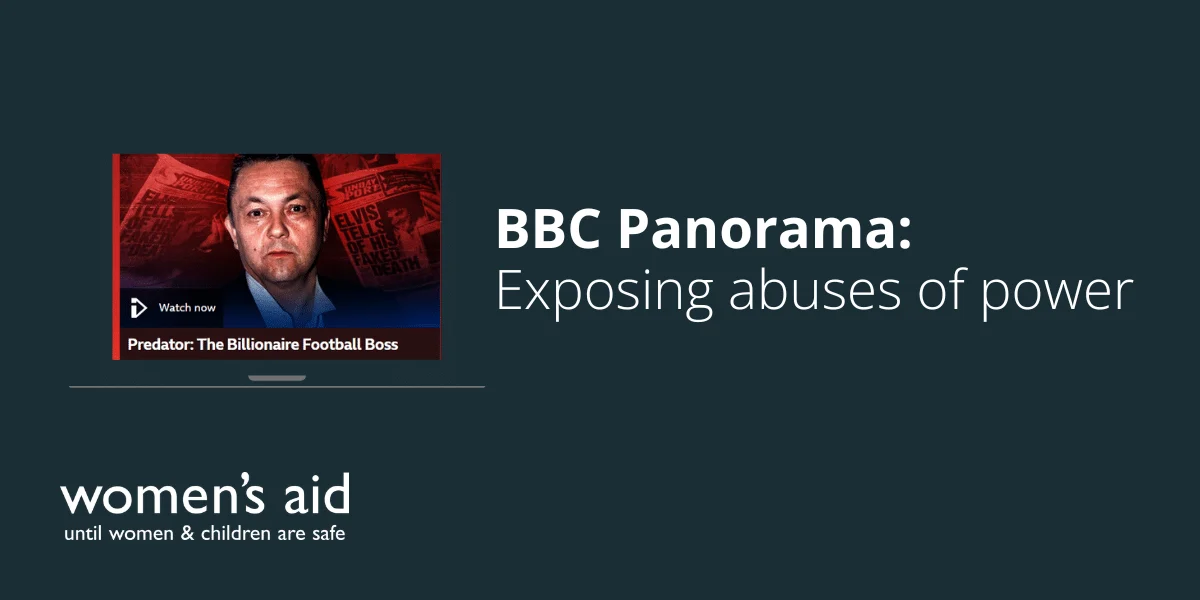
With the FIFA World Cup commencing on Thursday, capturing the attention of billions worldwide, the values projected by football on its grandest stage are under intense scrutiny. This global spotlight provides a critical juncture to evaluate the ethical foundations underpinning the sport’s most influential figures and institutions. The recent BBC Panorama documentary, The Billionaire Football Boss, broadcast last night, has ignited a profound discussion regarding the exercise of power by prominent individuals within the footballing world, specifically focusing on David Sullivan, co-chairman and director of West Ham United Football Club. The program has unearthed serious questions about the potential for abuse of power by influential men and, crucially, the systemic barriers women frequently encounter when attempting to report instances of abuse, harassment, and exploitation within such environments.
The Panorama Investigation: Unveiling Allegations and Systemic Concerns
The BBC Panorama exposé, meticulously researched and presented, centered on the business practices and personal conduct of David Sullivan, a figure whose career trajectory spans adult entertainment, newspaper publishing, and now, the upper echelons of professional football. While the documentary did not present specific judicial findings, it meticulously gathered and aired a series of allegations and testimonies that collectively paint a concerning picture of power dynamics. The core of the investigation probed claims related to alleged sexual misconduct, coercive behaviour, and various forms of exploitation, all underpinned by the significant power imbalance inherent in Sullivan’s professional and personal spheres. The timing of the broadcast, coinciding with a period of peak global interest in football, amplified its reach and impact, prompting immediate public debate and calls for greater accountability within the sport.
The documentary’s revelations are not isolated incidents but rather echo broader societal conversations around workplace culture, particularly in industries where wealth and influence concentrate significant power. It serves as a stark reminder that allegations of misconduct, regardless of the sector, demand rigorous, independent, and fair investigation. The program meticulously highlighted the challenges faced by individuals, predominantly women, who come forward with such claims, often against figures of immense public and financial standing.
Background of David Sullivan and West Ham United
David Sullivan’s journey to becoming a prominent figure in English football is marked by a distinctive entrepreneurial path. Born in 1949, Sullivan built his initial fortune in the adult entertainment industry during the 1970s and 80s, expanding into video production and retail. He later diversified into newspaper ownership, acquiring titles like the Daily Sport and Sunday Sport. His entry into football ownership began with Birmingham City in 1993, alongside his business partner David Gold. The duo oversaw a period of relative stability and some success for the club before selling their stake in 2007.
In 2010, Sullivan and Gold acquired a controlling interest in West Ham United, a historic London club with a passionate fanbase and a rich legacy. Under their stewardship, the club transitioned from its iconic Boleyn Ground to the London Stadium, a move that generated considerable debate among supporters. Sullivan, as co-chairman, has been a highly visible and vocal figure in the club’s operations, often engaging directly with fans and the media. His substantial financial investment and active management style have made him one of the most recognizable owners in the Premier League. The club itself, founded in 1895, is a cultural institution in East London, and its performance and governance are matters of intense local and national interest. The documentary’s focus on such a prominent figure within a beloved institution naturally carries significant weight and potential for widespread impact.
A Chronology of Revelations and Reactions
The path to the Panorama broadcast involved months of investigative journalism, typical of the BBC’s current affairs programming.
- Pre-Broadcast Period (Months prior to air date): The BBC investigative team would have been engaged in extensive research, interviews, and evidence gathering. During this phase, it is plausible that David Sullivan and West Ham United were approached for comment, providing them an opportunity to respond to the allegations before broadcast. This journalistic standard ensures fairness and accuracy.
- Broadcast Date (Last night, as per original article): The Billionaire Football Boss aired, immediately drawing significant public attention and media coverage. Social media platforms experienced a surge in discussions surrounding the documentary’s content and implications.
- Immediate Reactions:
- David Sullivan/West Ham United: Following the broadcast, official statements from Mr. Sullivan or West Ham United were anticipated. In such high-stakes situations, a common initial response involves a strong denial of any wrongdoing, a commitment to upholding high standards of conduct, and often, a statement that any allegations would be taken seriously and handled through appropriate internal processes. It is also common for legal teams to be engaged, and for statements to be carefully worded to avoid prejudicing any potential future legal proceedings.
- BBC: The broadcaster typically issues a statement reaffirming the journalistic integrity of its investigation, the public interest justification for airing the documentary, and its commitment to rigorous fact-checking and fairness.
- Advocacy Groups: Organizations like Women’s Aid, whose perspective is highlighted in the original article, immediately reiterated their calls for serious and independent investigations into such allegations, emphasizing the need for support systems for victims.
- Subsequent Developments (Days/Weeks Post-Broadcast): In the aftermath, calls for formal investigations by football’s governing bodies (e.g., the Football Association, Premier League) often emerge. Sponsors might review their associations with the club or individuals. Public pressure mounts for transparent action and accountability. Internal reviews or external independent inquiries might be initiated by the club or related entities.
The Broader Context: Power Dynamics and Reporting Barriers
The issues brought to light by the Panorama documentary extend far beyond the specific individuals and institutions involved; they tap into pervasive societal challenges regarding power dynamics and the reporting of abuse. Women’s Aid’s statement, articulated in the original article, resonates deeply with the experiences of countless individuals: "At Women’s Aid, we hear from women every day who are reluctant to come forward. Many fear they won’t be believed, will be blamed, or that the person responsible is simply too powerful to challenge."
This reluctance is not unfounded. Research consistently demonstrates the formidable barriers to reporting:
- Fear of Retaliation: Victims often fear professional repercussions, social ostracization, or even legal threats from powerful individuals.
- Lack of Belief/Victim Blaming: A significant percentage of reported sexual harassment or abuse cases are met with skepticism, and victims are often blamed for the perpetrator’s actions. Data from various studies, including those by the Equal Employment Opportunity Commission (EEOC) in the US and similar bodies in the UK, indicates that a vast majority of sexual harassment incidents go unreported, with fear of not being believed or of negative consequences being primary deterrents.
- Power Imbalance: When the alleged perpetrator holds significant influence – whether financial, social, or professional – victims perceive an insurmountable obstacle to justice. This imbalance can manifest in control over careers, access to resources, and the ability to silence dissent.
- Lack of Trust in Systems: Many victims lack faith that formal reporting mechanisms, whether within an organization or through the legal system, will lead to a fair outcome. This distrust is reinforced when high-profile allegations are met with denial, inaction, or what appears to be a superficial investigation.
- Psychological Impact: The trauma of abuse itself, coupled with the stress of navigating a reporting process, can be overwhelming, deterring many from coming forward.
The documentary, by focusing on a figure within the highly visible and economically powerful realm of professional football, serves as a potent illustration of how these barriers are amplified when the alleged perpetrator commands immense influence. It sends a message, as Women’s Aid rightly points out, that "power matters more than truth, and that reporting abuse is not worth the risk." This perception must be robustly challenged to foster environments where accountability is paramount.
Statements from Key Stakeholders
In the wake of such a high-profile exposé, various entities are compelled to issue official responses, shaping public perception and setting the tone for subsequent actions.
- West Ham United’s Response: A club of West Ham’s stature would likely issue a statement reaffirming its commitment to a safe and inclusive environment for all employees, fans, and stakeholders. Such a statement would typically emphasize that the club takes all allegations of misconduct seriously and has robust internal policies and procedures for addressing them. It would likely underscore the importance of due process and fairness, while possibly distancing the club as an institution from the alleged personal conduct of an individual, even a co-chairman. Any internal investigation would be highlighted as a commitment to transparency, though details would remain confidential.
- Football Authorities’ Stance (The FA and Premier League): Both the Football Association (FA), as the sport’s governing body in England, and the Premier League, as the organizing body for the top division, maintain strict codes of conduct and safeguarding policies. In situations involving senior club officials, these bodies would typically issue statements affirming their commitment to upholding the highest standards of integrity and conduct across the sport. They would emphasize their safeguarding responsibilities and indicate that they are monitoring the situation closely. While they might not immediately launch an investigation based solely on a documentary, they would likely await any formal complaints or evidence submitted to them, stressing their readiness to act within their disciplinary frameworks should grounds for investigation arise.
- Advocacy for Victims: Women’s Aid and Beyond: Organizations dedicated to supporting victims of abuse, like Women’s Aid, would seize this moment to amplify their message. They would reiterate the critical need for independent, thorough, and fair investigations into all allegations of abuse, sexual misconduct, coercion, or exploitation. Their statements would advocate for greater institutional support for victims, emphasizing the importance of believing survivors, providing safe avenues for reporting, and ensuring that power does not shield perpetrators from accountability. They would also call for systemic changes within industries like football to prevent such abuses from occurring in the first place, through enhanced safeguarding training, clear reporting lines, and a culture of respect.
- The BBC’s Editorial Position: The BBC would stand by its journalism, emphasizing the public interest in holding powerful figures accountable. They would highlight the rigorous editorial standards applied to the Panorama investigation, the extensive efforts made to verify information, and the commitment to presenting a balanced and fair account within the confines of investigative journalism. Their statement would underscore the role of public broadcasting in scrutinizing institutions and individuals, particularly those who wield significant influence.
Implications for Football and Corporate Governance
The Panorama documentary carries substantial implications, not just for David Sullivan and West Ham United, but for the broader landscape of professional football and corporate governance within high-profile industries.
- Reputational Damage: For individuals, allegations of misconduct can severely damage personal and professional reputations, regardless of eventual legal outcomes. For West Ham United, the association with such allegations, particularly concerning a senior figure, can tarnish the club’s brand, affecting fan morale, commercial partnerships, and its standing within the league. Sponsors, increasingly sensitive to ethical considerations and public perception, may review their agreements.
- Sponsorship and Commercial Impact: Companies invest heavily in football clubs for positive brand association. If a club is perceived to be embroiled in controversy related to serious misconduct, sponsors may reconsider their involvement to protect their own reputations. This can have significant financial consequences for clubs.
- Calls for Enhanced Safeguarding and Accountability: The documentary will undoubtedly intensify calls for football’s governing bodies to review and strengthen their safeguarding policies, codes of conduct for owners and senior officials, and mechanisms for reporting and investigating allegations of abuse. There may be pressure for more transparent and independent oversight of club ownership and management, moving beyond purely financial probity to encompass ethical conduct.
- The Role of Ownership and Leadership: The case highlights the immense influence that owners and senior leaders exert over the culture of an organization. Their conduct, both professional and personal, sets a precedent. A perceived failure in ethical leadership can permeate an entire institution, affecting employee morale, public trust, and overall organizational health.
- Media Scrutiny and Public Trust: The BBC Panorama investigation reaffirms the vital role of investigative journalism in holding powerful figures to account. In an era where trust in institutions can be fragile, independent media scrutiny is crucial for transparency and justice. It also prompts the public to critically examine the power structures that underpin their beloved sports.
The Path Forward: Ensuring Accountability and Support
The questions raised by The Billionaire Football Boss demand more than just immediate reactions; they necessitate a sustained commitment to fostering environments of accountability and support. The path forward involves several critical components:
- Independent Investigations: Any allegations of abuse, sexual misconduct, coercion, or exploitation must be subjected to thorough, independent, and impartial investigations. These investigations should be conducted by bodies free from conflicts of interest and equipped with the expertise to handle sensitive cases, ensuring that evidence is gathered fairly and that due process is afforded to all parties.
- Victim Support and Protection: It is paramount to create safe, confidential, and accessible channels for victims to report abuse without fear of retaliation or disbelief. This includes providing comprehensive psychological, legal, and practical support to those who come forward. Organizations like Women’s Aid are crucial in this regard, and their work must be adequately funded and supported.
- Systemic Cultural Change: Beyond individual cases, there is an urgent need for cultural shifts within institutions, particularly those where power is concentrated. This involves implementing robust ethical frameworks, mandatory safeguarding training for all staff and leadership, clear whistleblowing policies, and a demonstrable commitment from the top to prioritize ethical conduct and respect.
- Strengthening Governance in Sports: Football governing bodies must continuously review and update their governance structures to ensure that owners and senior officials are held to the highest standards of conduct. This may involve more rigorous background checks, clear codes of ethics with tangible penalties for breaches, and independent oversight mechanisms.
In conclusion, the BBC Panorama documentary The Billionaire Football Boss serves as a potent reminder that the glamour and global appeal of football must not overshadow the critical need for ethical leadership and accountability. As millions celebrate the World Cup, the sport is called upon to project not just athletic prowess, but also values of integrity, respect, and justice. The serious questions raised by the documentary about power, abuse, and the challenges faced by victims coming forward underscore an ongoing societal imperative: to ensure that influence never trumps truth, and that all individuals, regardless of their status, are held equally accountable under the law and by the moral compass of society. The conversation ignited by Panorama is a crucial step towards challenging the notion that power matters more than truth, urging a collective commitment to creating safer, more equitable environments for everyone.