In the semi-arid landscapes of Northern Benin, a profound transformation is taking root, driven not by top-down mandates but by the data-driven insights of the region’s youth. World Education, an initiative of JSI, has leveraged consecutive rounds of funding from the Darwin Initiative to implement a model of community development that mirrors the complex, interconnected systems of the natural world. By empowering young researchers to investigate the ecological and social dynamics of their own communities, the program has successfully bridged the gap between traditional agricultural practices and modern environmental science. This initiative has not only revitalized degraded lands but has also provided a blueprint for sustainable economic independence in a region increasingly vulnerable to climate volatility.
The methodology employed in Northern Benin, particularly in the community of Wéréké, centers on the concept of youth-led participatory research. This approach recognizes that local youth are uniquely positioned to act as agents of change, possessing both the technological literacy to utilize modern data collection tools and the cultural fluency to navigate communal social structures. As the April rains begin to restore life to the dry tropical forests and woodland savannas, these young researchers have become as vital to the ecosystem as the underground mycelium that connects the roots of trees, shrubs, and crops.
The Genesis of Participatory Research in Wéréké
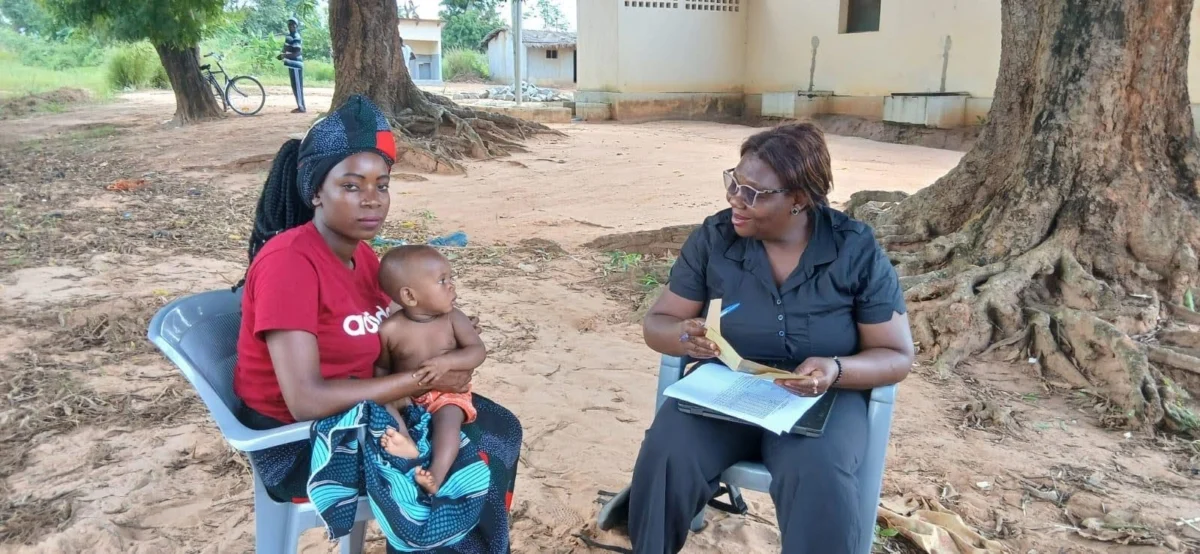
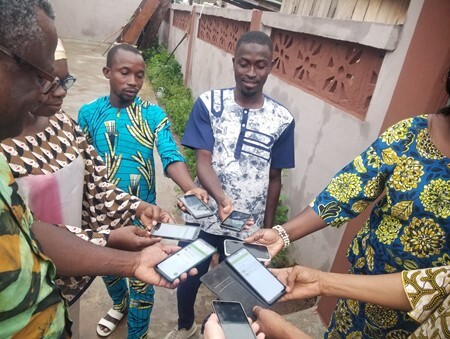
The current success of agroforestry initiatives in Northern Benin can be traced back to a series of critical inquiries launched by youth researchers in 2022. Armed with clipboards and smartphones, these individuals moved through fallow pastures and newly hydrated streams to collect empirical data on the viability of green entrepreneurship. Their research was designed to address three primary pillars: social expectations, ecological health, and economic feasibility.
One of the most significant hurdles identified by the researchers was the cultural disconnect between family expectations and the reality of the local labor market. Traditionally, many families in Northern Benin have encouraged their children to pursue "desk jobs" in urban centers, viewing agricultural labor as a path of last resort. However, the youth-led data revealed a stark reality: the supply of traditional white-collar positions is vastly outweighed by demand, leaving many educated young people unemployed and disconnected from their communities.
Simultaneously, the researchers investigated the symbiotic relationships within their local environment. They sought to prove whether the preservation of native tree species, such as the Néré (Parkia biglobosa), provided tangible benefits to commercial crops like soya. By recording soundbites of insect-eating birds that frequent the Néré canopy and surveying grasshopper populations in adjacent fields, the researchers validated a powerful hypothesis: thriving biodiversity acts as a natural pest management system, thereby safeguarding agricultural outputs without the need for expensive chemical interventions.
Chronology of Development: From WSAB to AgroNative
The transformation of Northern Benin’s agricultural landscape has unfolded through a structured timeline of projects, each building upon the lessons of its predecessor. The first major phase was the Women-led, School-based Agroforestry in Benin (WSAB) project, which ran from 2023 to 2025. This project focused on the intersection of education, gender equity, and environmental restoration.
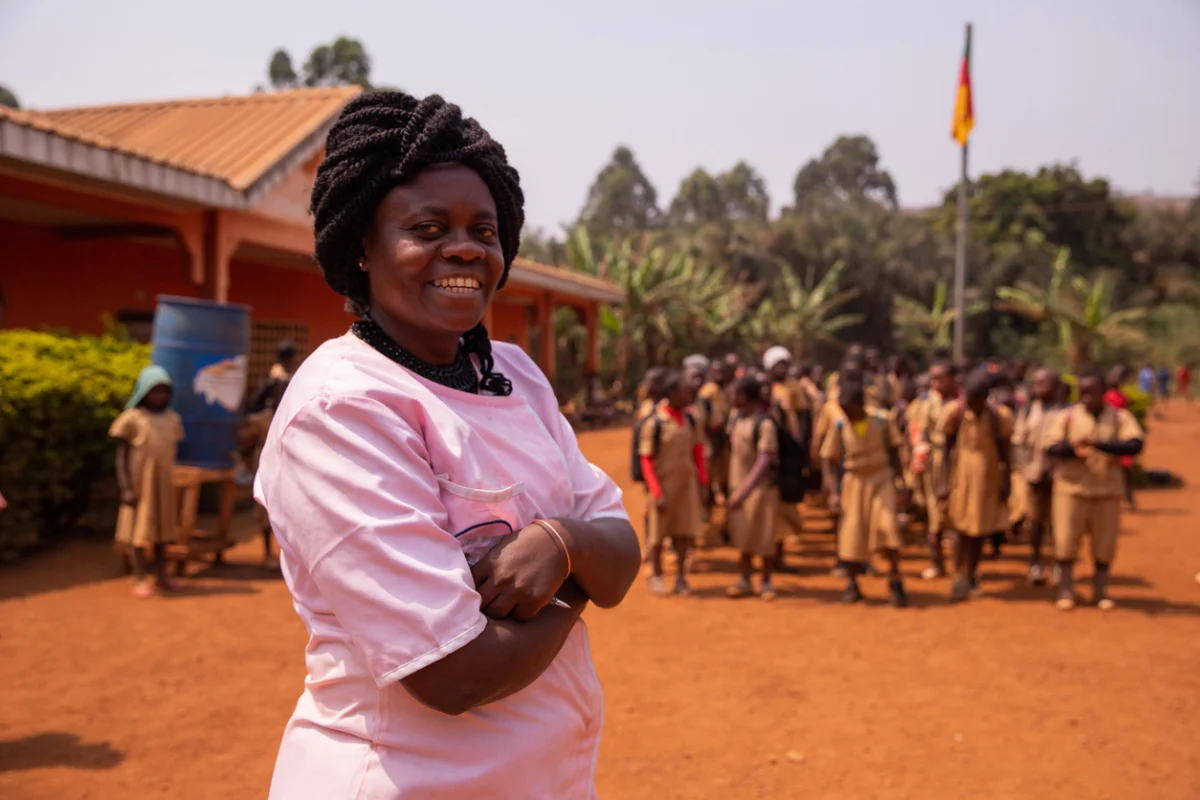
Under the WSAB framework, Mothers of Students Associations (AMEs) were positioned as the primary drivers of agroforestry activities. These women-led microenterprises integrated native plant species into local agricultural plots, focusing on restoring degraded land near schools. The results were statistically significant: over 360 individuals participated in community planting events, resulting in the restoration of 9.5 hectares of land. Financially, these efforts generated 1,180,000 FCFA (approximately 1,950 USD) in revenue. Of this, 257,000 FCFA was reinvested directly into school canteens, providing a tangible link between environmental stewardship and improved nutrition for children.
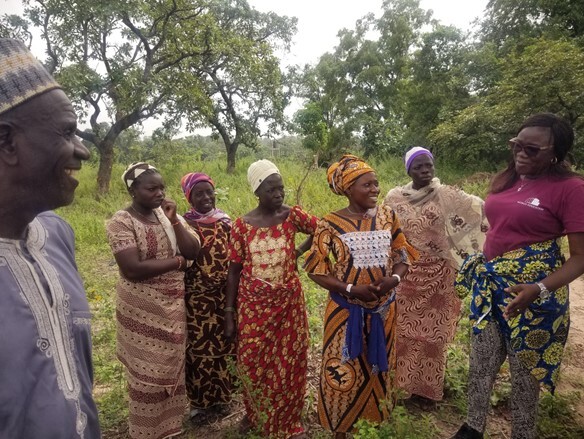
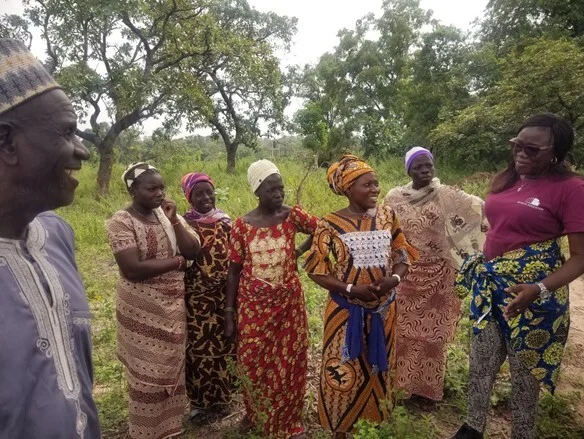
As the WSAB project matured, it became clear that while the women-led model was lucrative, the physical labor involved was disproportionately burdensome for the AMEs. This observation led to the second phase: the integration of youth into the agricultural cooperatives. In the Wéréké community, the agricultural structure was reorganized to include 10 youth members who helped divide agroforestry plots into 40 rent-based sub-parcels. For a symbolic monthly fee of 1,000 FCFA, these young entrepreneurs took responsibility for maintaining native trees while using the land beneath the canopy to cultivate cash crops.
The success of this transition paved the way for the AgroNative project (2024–2026). This current phase aims to scale the impact of previous efforts by strengthening the collaborative web between local communities and government agencies. The AgroNative project has already seen the establishment of Natural Resource Management Committees (NRMCs) in five new villages, with a total membership of 150 individuals. The goal is to sustainably manage 15 hectares of habitat, directly benefiting an estimated 3,000 people.
Bridging the Gap Between Policy and Practice
A critical component of the youth researchers’ work involves analyzing the efficacy of existing government regulations. Beninese agricultural law, specifically Decree No 96-271, mandates that one tree must be planted every 10 meters in certain agricultural zones. While the researchers acknowledged the decree as a positive step toward reforestation, their data suggested that the law’s requirements are insufficient for true ecological restoration.
From a biological perspective, a 10-meter gap between trees is often too wide to support the underground mycelial networks necessary for a self-sustaining ecosystem. In the arid conditions of Northern Benin, isolated trees are more susceptible to heat stress and nutrient deficiencies. The youth researchers argued for a higher density of planting, noting that a fractured ecosystem prevents the symbiosis required for long-term resilience.
This analysis highlights a common tension in international development: the gap between "top-down" legislative requirements and "bottom-up" ecological realities. By presenting their findings to local leaders and government counterparts, the youth researchers are advocating for a more nuanced approach to land management—one that prioritizes ecosystem density and connectivity over simple numerical compliance.
Economic Implications and Data-Driven Results
The economic impact of the agroforestry model in Northern Benin extends beyond simple revenue figures. The transition to "eco-entrepreneurship" has provided a viable alternative to migration, allowing young people to build sustainable livelihoods within their home provinces. The revenue generated by the WSAB and AgroNative projects represents a significant infusion of capital into the local economy, where the average income is often below the national poverty line.
Supporting data from the project indicates that the agroforestry plots have indirectly supported 10,729 people in adapting to climate change. This "indirect support" manifests in several ways:
- Improved Food Security: Contributions to school canteens ensure that the next generation is better nourished.
- Micro-Climate Regulation: Increased tree canopy cover reduces local temperatures and helps retain soil moisture, benefiting neighboring non-project farms.
- Market Development: The cultivation of native species has allowed communities to tap into local "green markets," selling products derived from Néré and other indigenous trees.
However, the research also uncovered potential pitfalls in the distribution of resources. During the second round of participatory research under the AgroNative project, youth researchers found that providing individual farmers with direct donations for their own plots sometimes led to a decrease in wider community engagement. This finding suggests that the long-term viability of the model depends on a collective structure. When resources are isolated, the social "mycelium" of the community begins to fracture. Consequently, the project has shifted its focus toward nurturing shared cooperatives that ensure a fair distribution of both labor and profit.
Analysis of the Mycelial Leadership Model
The metaphorical comparison of community collaboration to mycelium is not merely poetic; it reflects a sophisticated understanding of decentralized systems. In nature, mycelium operates without a central brain, yet it efficiently redistributes nutrients from healthy plants to those in need. The youth-led initiatives in Benin have adopted a similar "complex adaptive system" approach.
In this model, leadership is decentralized. The Natural Resource Management Committees (NRMCs) act as local nodes of authority, making decisions based on immediate environmental shifts and community needs. This grassroots problem-solving approach ensures that the project remains resilient even when faced with external shocks, such as droughts or fluctuating market prices for crops.
Furthermore, the involvement of youth has introduced a "biotechnology" element to traditional farming. The use of BioBlitzes—intense periods of biological surveying where participants attempt to record all living species within a designated area—has allowed the community to catalogue native flora with unprecedented accuracy. This "grassroots science" provides the empirical backing needed to justify the protection of local habitats to both community elders and government officials.
Looking Forward: Sustainability and Collective Resilience
As the AgroNative project continues toward its 2026 goals, the focus remains on the long-term survival of the newly planted ecosystems. This involves practical, daily labor, such as youth hauling water to saplings during the peak of the dry season and community funds being used to hire guards to protect young trees from wandering livestock.
The relationship between the generations has also shifted. The initial friction between family expectations and youth ambitions has largely been replaced by a mutual commitment to resilience. The "old, fractured paradigms" of agricultural labor are being decomposed, much like organic matter in the soil, to provide the nutrients for a new, sustainable approach to agroforestry.
The success of the World Education and JSI initiative in Northern Benin serves as a case study for the power of youth-led research in international development. By providing young people with the tools to analyze their own environment and the agency to act on their findings, the project has created a self-sustaining cycle of ecological restoration and economic growth. In the cool earth of Wéréké, the mycelial web continues to spread, mirroring the growing network of mothers, youth, and government workers who are breathing life into a new, green future for Benin.