July 3, 2026
By HIAS Staff
The United States, at 250 years old, grapples with the enduring legacy of its founding principles, a promise of equality declared by its forefathers that has been a constant source of struggle and redefinition. While the nation’s inception in 1776 was marked by revolutionary ideals, its foundation was simultaneously built upon the systemic injustices of enslaving millions of Africans, displacing Indigenous nations, and establishing a political framework that prioritized exclusion alongside liberty. This inherent contradiction has fueled a continuous, multi-generational movement to expand the definition of who truly belongs within the American fabric, a narrative HIAS has actively participated in for over half of the nation’s history.
A History of Contradictions and Persistent Aspirations
The very declaration that "all people are created equal" was a radical concept for its time, yet its architects did not intend for its application to extend universally. This foundational hypocrisy has shaped American history, transforming it into a testament to the persistent demand for both freedom and equality. The nation’s story is characterized by periods of "radical welcome," offering sanctuary and opportunity to new communities, juxtaposed with eras where institutions reluctantly adapted to demographic shifts and expanded the boundaries of American identity.
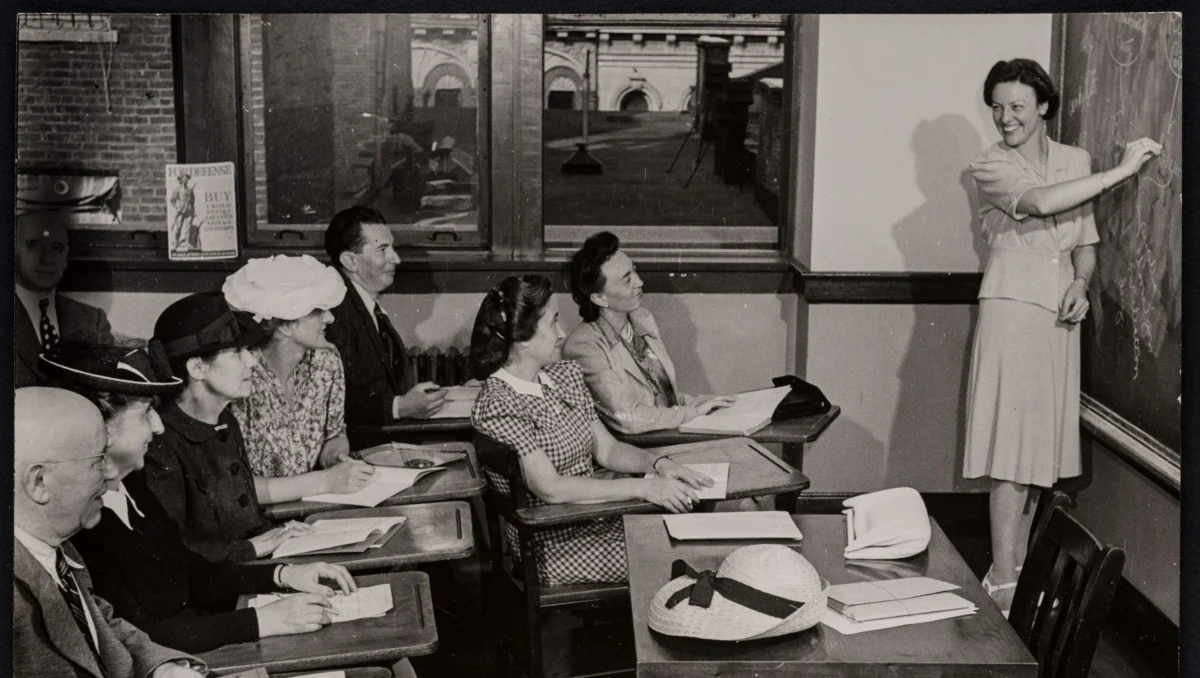
HIAS, as the world’s oldest refugee agency, has been a consistent presence at the forefront of these welcoming efforts. For well over a century, the organization has facilitated the arrival and integration of millions of individuals and families fleeing violence and persecution, offering them a beacon of hope for a new beginning. These newcomers, in turn, have demonstrably contributed to the nation’s growth and prosperity, enriching its cultural tapestry and driving its economic development.
The Braided Narrative of Arrival and Belonging
The uniqueness of the United States is intrinsically linked to the diverse stories of its immigrants and their integration into society. This history is not a monolithic account but a complex, braided narrative of movement, arrival, tension, exclusion, and the relentless struggle for recognition and freedom.
- The Forced Migration of Africans: Millions of Africans were brought to America in chains, subjected to brutal enslavement and denied their basic humanity. Despite this profound injustice, their resilience and contributions laid essential groundwork for the nation’s development, while their descendants continuously fought for liberation and equality.
- Irish Immigrants and Famine: Fleeing the devastating Great Famine, Irish immigrants arrived in America facing significant suspicion and exploitation, yet they carved out essential roles in building the nation’s infrastructure and workforce.
- Chinese Laborers and Exclusion: Chinese laborers were instrumental in constructing the transcontinental railroad, a monumental feat of engineering. However, their contributions were met with discrimination, culminating in the Chinese Exclusion Act of 1882, the first federal law to explicitly ban immigration from a specific ethnic group. This marked a significant rollback of the nation’s welcoming ethos.
- Mexican Workers and Identity: For generations, Mexican workers have sustained American agriculture and infrastructure, often under challenging conditions. Despite their crucial economic contributions, they have frequently faced efforts to push them out of the national consciousness and identity.
- Jewish Refugees and Quotas: Jewish refugees seeking to escape rising anti-Semitism and the horrors of fascism in Europe encountered significant barriers, including restrictive quotas, even as their need for sanctuary was paramount. HIAS played a vital role in advocating for their safe passage and resettlement.
- Afghan Refugees and Geopolitical Consequences: In recent years, Afghan refugees have arrived seeking safety after enduring decades of conflict, a situation partly shaped by American foreign policy decisions. Their resettlement highlights the ongoing need for humanitarian response to geopolitical instability.
These distinct yet interconnected histories illustrate a recurring pattern: individuals and groups, initially viewed with suspicion or outright hostility, have ultimately become integral to the American experience. Their descendants now occupy positions of influence across all sectors of society, from politics and military leadership to business, academia, arts, and sciences, continuously redefining and strengthening the nation.
The Contemporary Landscape: Renewed Challenges and Urgent Calls to Action
Despite this historical arc of progress, the current political climate presents renewed challenges. A vocal minority, feeling threatened by demographic shifts, has increasingly employed exclusionary rhetoric and state apparatus to deport, detain, and marginalize immigrant populations. This trend stands in stark contrast to America’s historical role as a global beacon of welcome and opportunity, leading to a perception of the U.S. as a nation increasingly characterized by rejection.
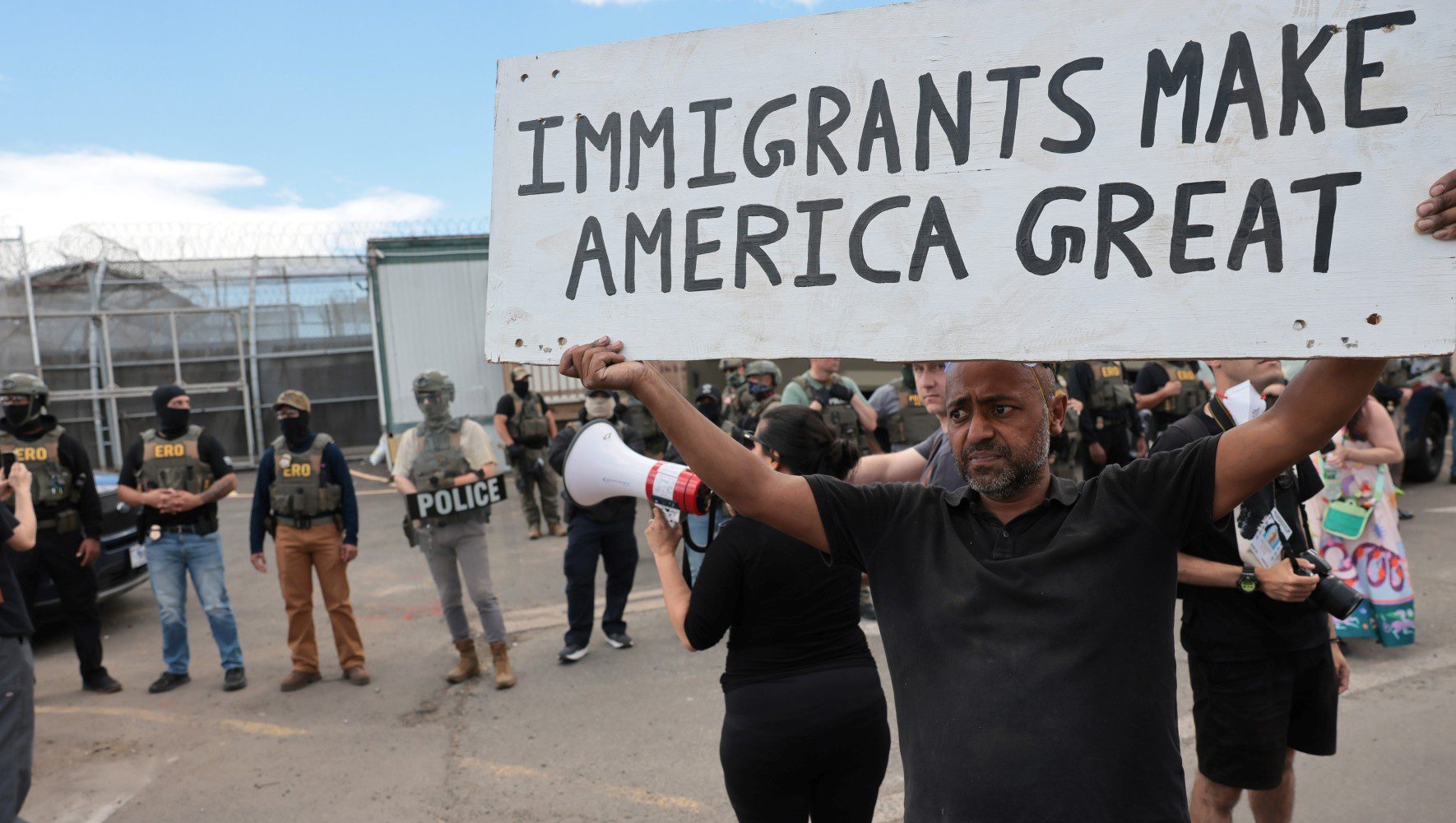
The urgency of this moment is amplified by the approaching midterm elections, presenting a critical opportunity for citizens to affirm their values and advocate for policies that protect vulnerable populations. HIAS emphasizes the importance of electing leaders who recognize that immigration is not a problem to be solved but a fundamental source of national strength and opportunity, a perspective that has historically propelled the nation forward.
HIAS’s Enduring Commitment and the Path Forward
"As the world’s oldest refugee agency, HIAS will always stand for refugees—no matter who is president," the organization states. "And we will do all we can to support our clients, every day, as we have for more than 120 years. Give with confidence to HIAS."
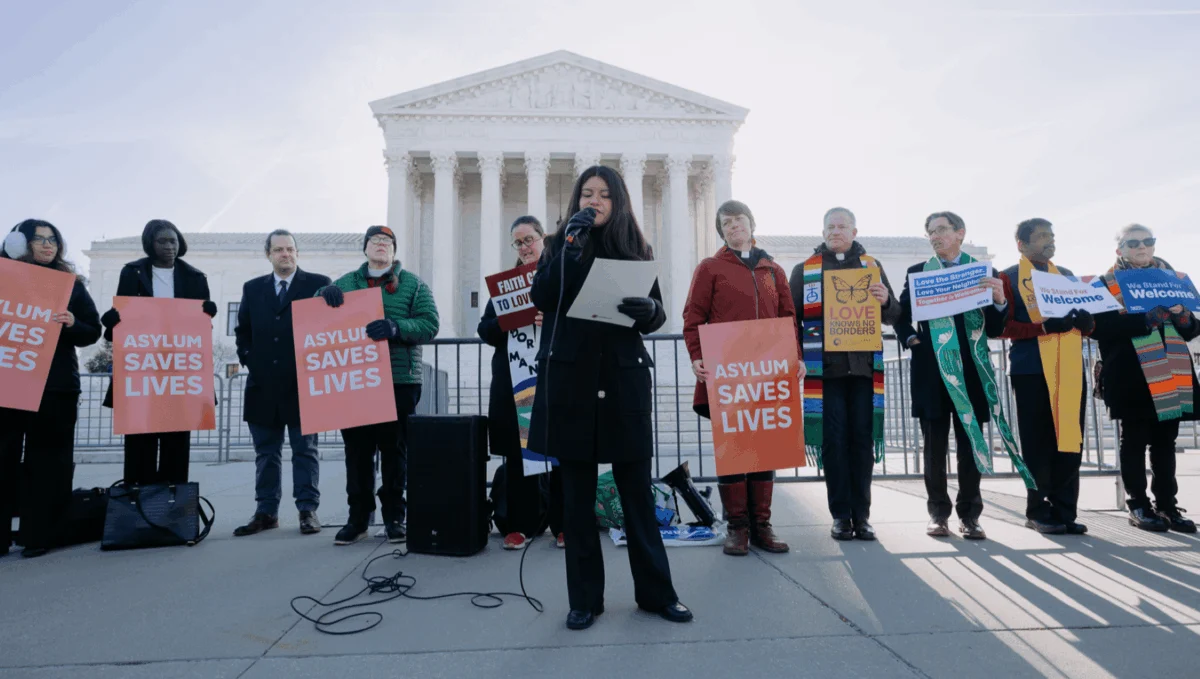
The organization actively witnesses the dedication of communities and individuals who provide essential support to immigrants. Synagogues offer food and care, volunteers protect neighbors from Immigration and Customs Enforcement (ICE) raids, and lawyers contribute their expertise to navigate complex legal processes. HIAS is at the forefront of this advocacy, fighting harmful policies in courts, engaging with Congress, and mobilizing public opinion.
The fight for a more inclusive America is not new. It is a continuation of the struggles waged by generations past. In times of despair, the historical accounts of those who have fought for the promise of equality offer a crucial roadmap and a source of enduring hope. The forward march of history demands continued engagement and activism from every citizen committed to a nation that truly embodies its founding ideals. The organization’s ongoing work, including its support for Afghan refugees and its legal challenges against restrictive policies, underscores its unwavering dedication to upholding humanitarian principles amidst evolving political landscapes.
Broader Impact and Implications
The current trajectory of immigration policy in the United States carries significant implications, not only for immigrant communities but for the nation’s global standing and its internal social cohesion. A retreat from welcoming policies risks eroding the very diversity that has been a cornerstone of American innovation and economic dynamism. Data from organizations like the National Academies of Sciences, Engineering, and Medicine consistently demonstrate the positive economic contributions of immigrants, who often fill critical labor shortages and contribute significantly to tax revenues.
The implications extend to the nation’s moral authority on the international stage. A country that once championed human rights and provided refuge for the persecuted now faces scrutiny for its restrictive measures. This shift can embolden authoritarian regimes and undermine global efforts to address humanitarian crises.
Furthermore, the polarization surrounding immigration debates can deepen societal divisions, impacting community relations and public trust. The demonization of immigrant groups can foster an environment of fear and discrimination, with ripple effects across various social and economic spheres.
The upcoming elections, therefore, represent a pivotal moment. The choices made by voters will determine whether the United States continues on a path of increasing restriction or recommits to its historical legacy of welcoming and opportunity. The persistent activism of organizations like HIAS, coupled with the engagement of citizens in advocacy and electoral processes, offers a pathway to reaffirm the nation’s commitment to its founding promise, ensuring that the struggles of the past 250 years pave the way for a more just and equitable future for all.