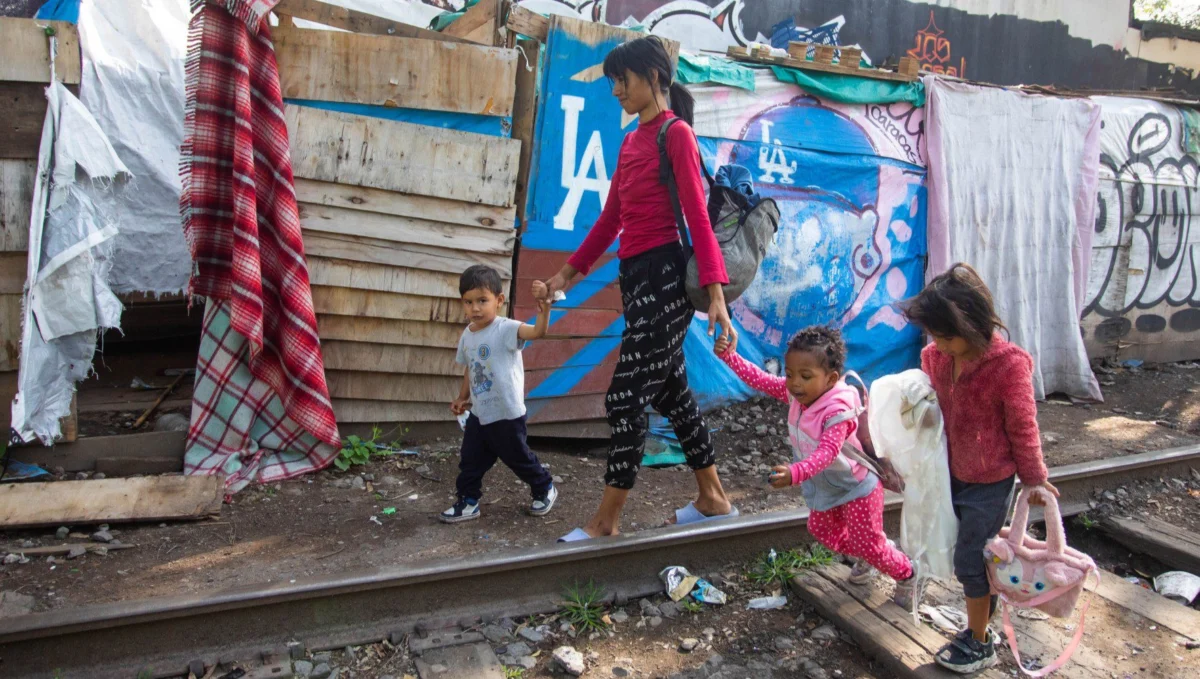
The Darien Gap, a treacherous 60-mile stretch of dense, roadless jungle straddling the border between Colombia and Panama, has long served as one of the world’s most perilous migration corridors. Between 2021 and 2024, this inhospitable terrain witnessed an unprecedented surge in human movement, as hundreds of thousands of migrants and asylum seekers—fleeing violence, economic collapse, and political instability—undertook the arduous journey toward North America. While international media often focused on the geopolitical implications of these flows at the U.S.-Mexico border, a silent, humanitarian infrastructure was being built by the most unlikely of actors: the indigenous communities inhabiting the Emberá-Wounaan region.
For years, these local populations, despite facing their own systemic poverty and lack of basic services, provided the only lifeline for thousands of exhausted travelers. As formal aid organizations struggled to navigate the logistical nightmares of the jungle, the indigenous residents transformed from passive bystanders into the primary responders of a regional humanitarian crisis.
A Chronology of the Darien Crisis
The escalation of migration through the Darien Gap did not occur in a vacuum. The timeline of this phenomenon is closely tied to shifting regional instability and changing U.S. border policies.
- 2021–2022: The post-pandemic economic recovery and political crises in nations such as Venezuela, Haiti, and Ecuador triggered a record-breaking migration wave. Hundreds of thousands of individuals entered the Darien jungle, overwhelming local resources.
- 2023: Migration numbers hit historic peaks, with reports from the Panamanian government indicating that over 500,000 people crossed the gap in a single year. Indigenous communities in Bajo Chiquito and other settlements became the first point of contact, providing food, water, and emergency shelter.
- 2024: The flow of people remained steady, though international scrutiny intensified regarding the ecological and human cost of the route.
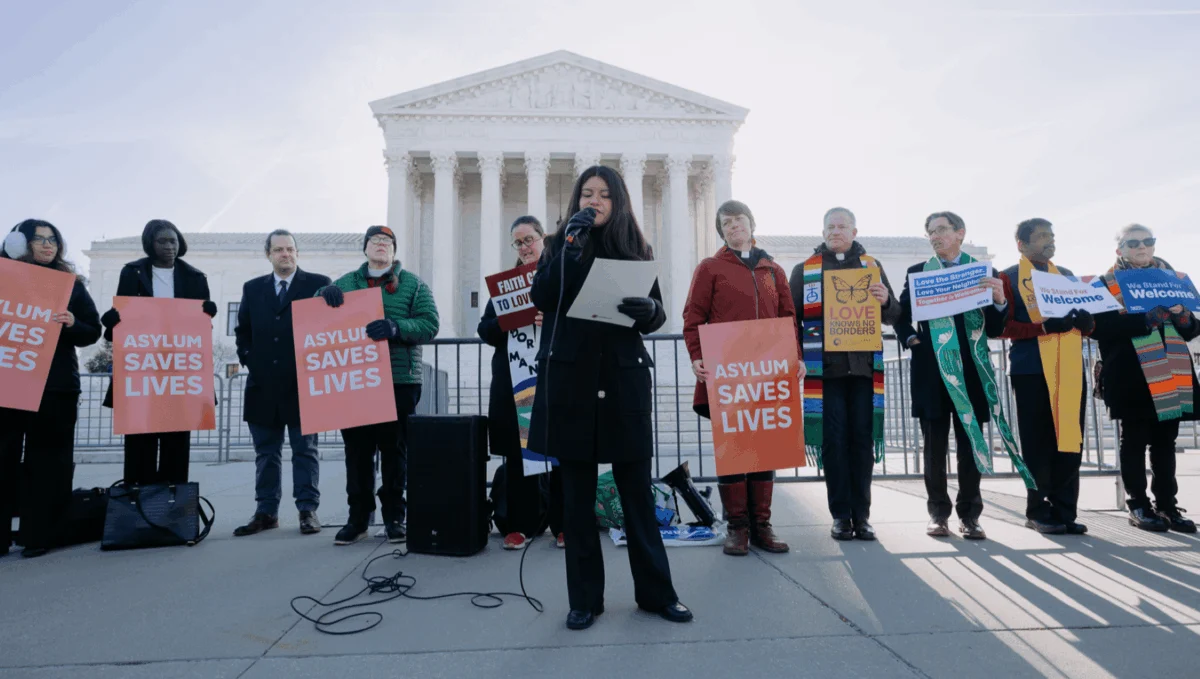
- 2025: A pivotal shift occurred as the United States implemented stricter asylum protocols. These "draconian" measures, as characterized by human rights advocates, effectively closed traditional pathways to legal status at the U.S. southern border.
- 2026: As of July 2026, the region is experiencing a notable decline in transit. Many migrants have either settled in transit countries like Mexico or have been forced into "reverse migration," a process where individuals abandon their journey and return to their countries of origin, often destitute and traumatized.
The Human Cost and the Role of HIAS
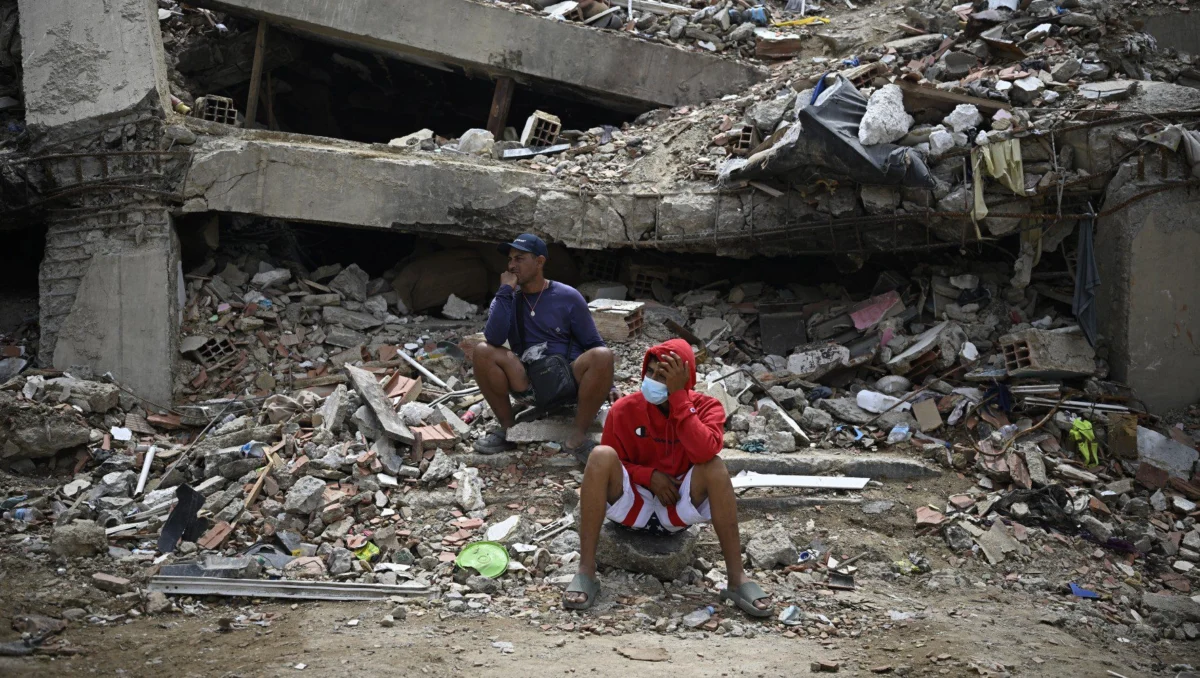
The departure of thousands of migrants from the Darien route has left a vacuum. Many international NGOs, which had previously mobilized in the region to address the acute emergency, have since withdrawn or reduced their operational footprints. However, the communities that bore the brunt of the crisis remain, now dealing with the aftermath of the transient flows and the lingering impacts on their local ecosystems and social structures.
HIAS, which has maintained a presence in Panama since 2010, has chosen a different path. Recognizing that these host communities are now in a post-emergency phase that requires long-term stabilization, the organization has pivoted its strategy. Andrehina Diaz, HIAS Panama’s Program Manager, emphasizes that these communities were never mere witnesses to the crisis.
"The Darien communities were never passive to the migration crisis," Diaz stated. "Instead, they became an essential part of the humanitarian response. By working with indigenous leaders and community members, we have reinforced local capacities and fostered a deeper understanding of the vulnerabilities faced by displaced people."
Analyzing the "Nexus Approach"
The current strategy employed by aid organizations in the Darien is shifting toward what development experts call a "nexus approach." This methodology seeks to bridge the gap between immediate humanitarian relief and long-term development.
Oliver Bush, HIAS Panama’s Country Director, notes that the sudden reduction in migrant flow has created a complex situation for local residents. "It is a province whose communities have been severely affected by the passage of migratory flows over the last few years," Bush said. "The departure or change in these migratory flows has left certain consequences and negative impacts in the communities."
The nexus approach addresses this by strengthening the foundational governance of these communities. By partnering with Panamanian authorities and indigenous leadership, organizations like HIAS are ensuring that the infrastructure built for the crisis—such as health clinics and sanitation facilities—can be repurposed to serve the indigenous population long-term.
Empowerment through Health and Advocacy
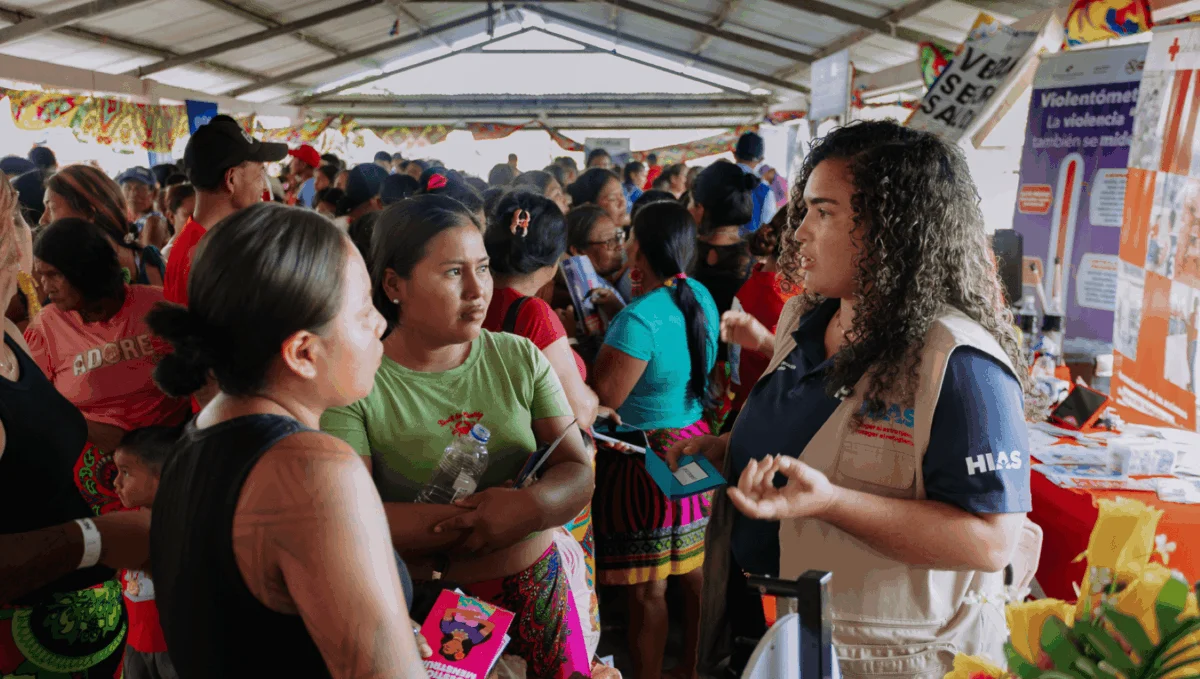
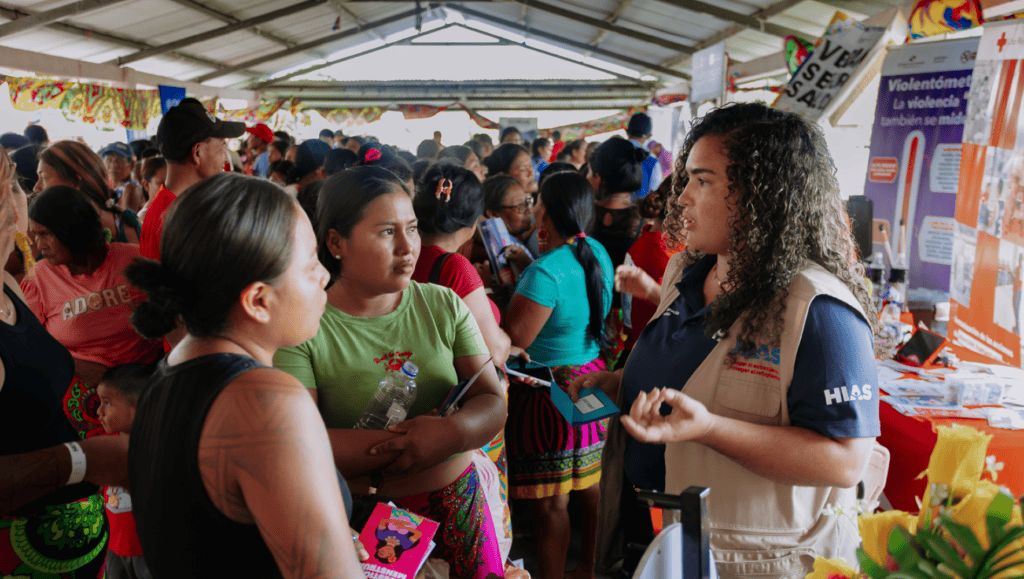
One of the most significant outcomes of the engagement in the Emberá-Wounaan region has been the advancement of gender-focused programs. Over the last two years, a collaboration between HIAS and the Spanish Agency for International Development Cooperation (AECID) has focused on providing health information and violence prevention training to indigenous women and girls.
The program, which reached more than 3,000 individuals, was designed to be culturally sensitive. All materials were produced in local languages and tailored to the social nuances of the Noko and other tribes. The impact has been profound. Esmeralda, a community leader from the Noko tribe, articulated the shift in local perspective: "The project arrived in our community more than two years ago… It was a great benefit because we truly didn’t know what a leader was before. Dominance isn’t just about men deciding for us, as they say. Today, we decide for ourselves."
This sentiment is echoed by other community members, such as Martira from the Nuevo Viga community, who highlighted how the training gave her the confidence to speak in public—a departure from traditional gender roles in the region.
The Broader Implications of Global Displacement
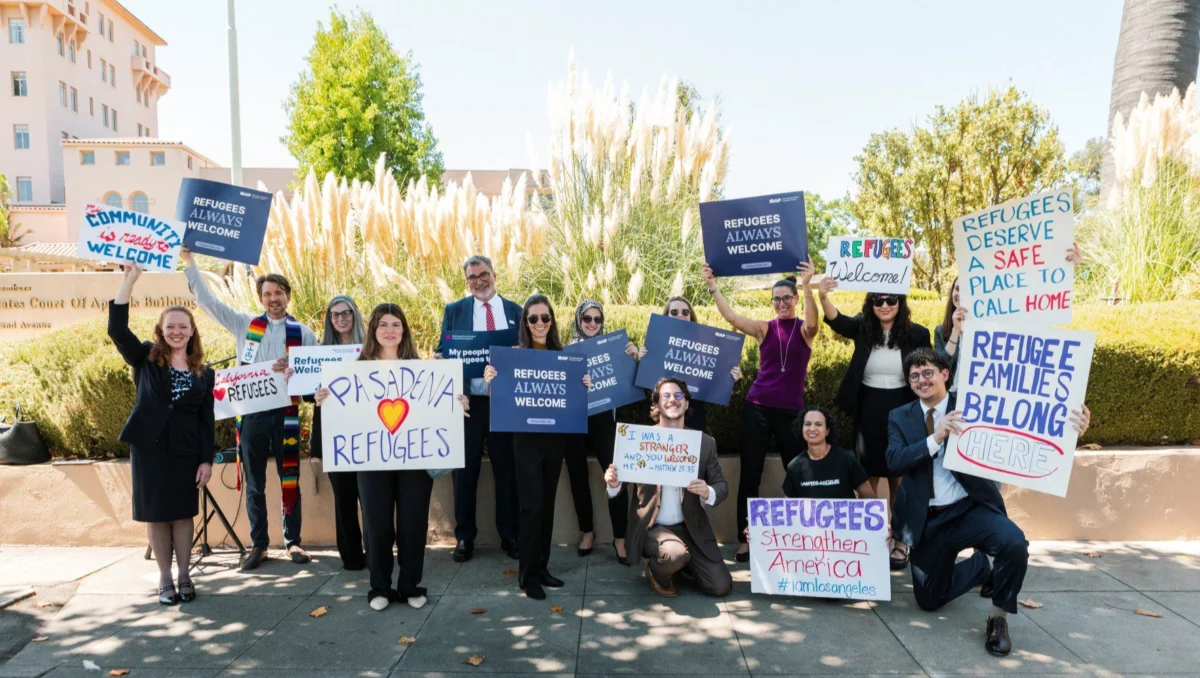
The situation in the Darien Gap serves as a microcosm of a larger, global trend. According to UNHCR data, the vast majority of the world’s refugees are not in Western nations, but in low- and middle-income countries that share borders with conflict zones. When these host nations reach their capacity, the strain on local indigenous and marginalized communities becomes a critical, yet often overlooked, international security and human rights issue.
The failure of the international community to adequately fund or support these "frontline" host communities often results in social tension and the erosion of public services. By investing in these regions, NGOs are not only helping individuals but are also preventing the total collapse of local institutions that are already under severe duress.
Looking Ahead
As of mid-2026, the focus in the Darien region has transitioned from crisis management to sustainable development. The "reverse migration" of thousands of individuals back toward South America presents new challenges—specifically, how to reintegrate those who have returned home with nothing.
For the indigenous communities of the Darien, the path forward involves continuing to advocate for their rights while utilizing the new skills they have acquired through partnerships with organizations like HIAS. The lessons learned in the Darien—that local empowerment is the most resilient form of aid—could serve as a blueprint for other regions grappling with the volatility of human movement.
The humanitarian commitment to these areas is not merely an act of charity; it is an investment in the stability of a region that has, through necessity, become a global waypoint. As the dust settles on the migration routes of the last half-decade, the legacy of the Emberá-Wounaan communities stands as a testament to human resilience, solidarity, and the enduring importance of supporting those who offer refuge when the world is in transit.