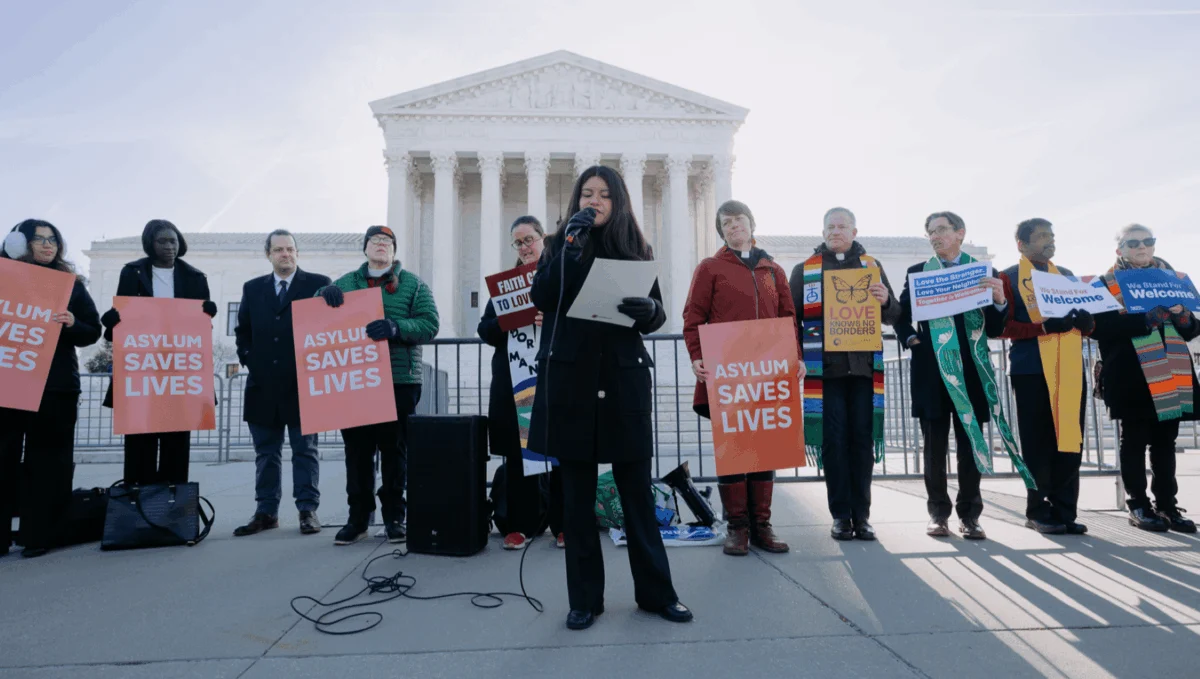
There is a persistent, widespread misconception that the integration of refugees and immigrants serves as a net drain on the United States economy, a narrative that has frequently been leveraged by policymakers to justify restrictive immigration measures and reduced refugee admissions. However, empirical data from government agencies, non-partisan research institutions, and economic analyses consistently contradict these claims. Far from being a fiscal burden, refugees serve as critical engines for domestic economic growth, entrepreneurship, and labor market stability. As the U.S. faces demographic shifts and persistent labor shortages, the role of newcomer populations in maintaining economic vitality has become increasingly central to national prosperity.
The Fiscal Reality: Contributions Versus Consumption
The primary argument often leveled against refugee resettlement concerns the short-term costs of integration. When refugees arrive through the U.S. Refugee Admissions Program (USRAP), they frequently require immediate assistance, including medical coverage via Medicaid and food security through the Supplemental Nutrition Assistance Program (SNAP). While these initial investments are necessary to stabilize displaced families, they represent a small fraction of the long-term economic output generated by these individuals.
A comprehensive study by the U.S. Department of Health and Human Services (HHS), spanning the period between 2005 and 2019, revealed a striking net-positive fiscal impact. During this 15-year window, refugees and asylees contributed approximately $124 billion more in tax revenue than they utilized in government-funded social services. This data underscores that the initial period of resettlement support is not a permanent expenditure but a bridge to long-term economic independence.
Furthermore, the economic footprint of these individuals extends well beyond tax contributions. Refugees command significant consumer spending power, estimated at $83 billion annually. As refugees establish roots, their earning capacity tends to trend upward; longitudinal data indicates that after two decades of residency, the average annual earnings of refugees surpass those of native-born citizens by approximately $4,300. This upward mobility indicates that the initial investment in social services is recouped many times over through increased tax brackets and expanded participation in the consumer economy.

Entrepreneurship as a Driver of Innovation
Beyond traditional employment, refugees demonstrate a remarkable aptitude for entrepreneurship. According to data from the American Immigration Council, 13 percent of refugees in the United States are business owners—a rate that outpaces both the general immigrant population (11 percent) and the native-born U.S. population (9 percent). This trend is largely rooted in the professional histories of those arriving; nearly 43 percent of these individuals were self-employed in their countries of origin before being forced to flee.
Currently, more than 178,000 refugee entrepreneurs operate within the United States, generating over $6 billion in business income annually. These ventures are not merely individual success stories; they function as job-creation engines, fostering local economic development in underserved communities. Despite this success, many refugees face systemic barriers, including limited access to traditional credit and capital.
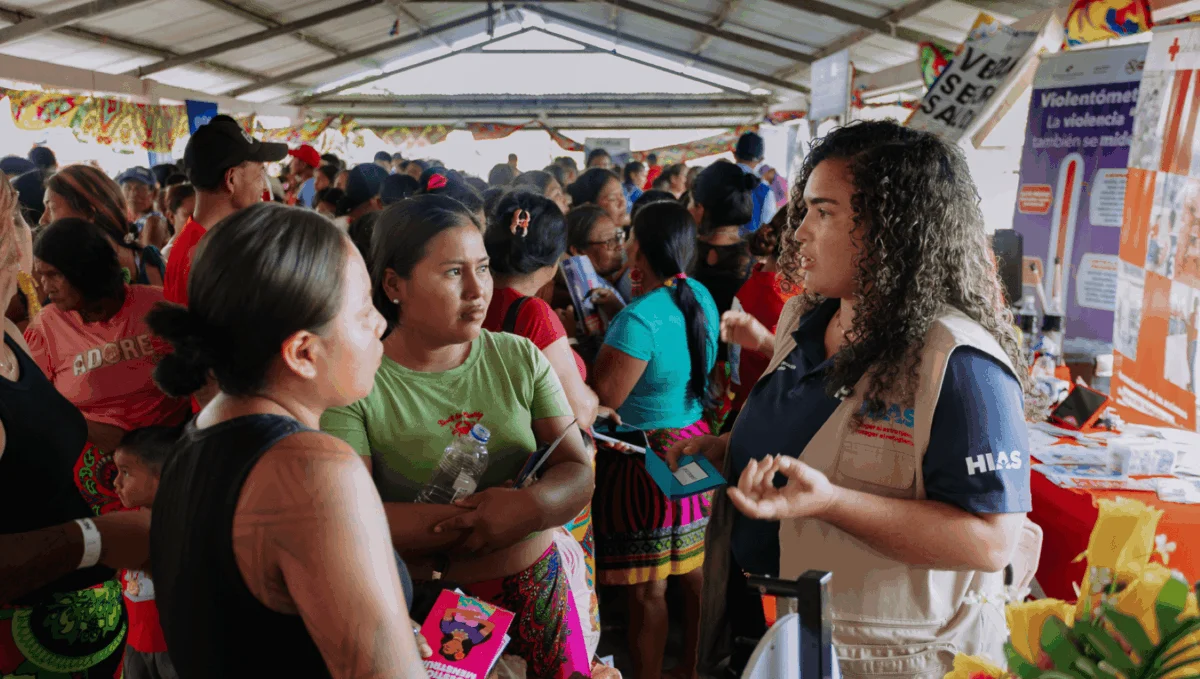
Recognizing these challenges, organizations such as HIAS have implemented initiatives like the Economic Advancement Fund (EAF). Launched in 2022, the EAF functions as a community development financial institution, offering specialized loans, business training, and technical guidance. Such programs are essential in bridging the gap between talent and opportunity, allowing refugees to translate their vocational expertise into sustainable businesses. Phillip Bailey, Director of the EAF, notes that for many participants, entrepreneurship is a fundamental aspect of their identity, providing a pathway to both economic self-sufficiency and community integration.
Mitigating Labor Shortages in Critical Sectors
The United States currently grapples with a systemic labor shortage that is expected to persist until at least 2031, driven primarily by an aging population and declining birth rates among the native-born workforce. The U.S. Chamber of Commerce has identified labor gaps as a significant impediment to economic expansion across nearly every state.
Refugees provide a necessary demographic offset to these trends. Data indicates that 78.2 percent of the refugee population falls within the prime working-age bracket of 18 to 64, compared to only 61.9 percent of the U.S.-born population. With an unemployment rate of less than four percent, refugees are highly integrated into the labor force, frequently filling roles in industries facing acute personnel crises.

Healthcare is a primary beneficiary of this influx. As the demand for home health aides is projected to grow by 17 percent between 2024 and 2034, the contribution of refugee workers becomes vital. Without a consistent inflow of labor, these critical services—essential to the care of the aging American population—would face significant disruption, leading to increased costs and reduced quality of care for millions of residents.
The Economic Consequences of Restrictive Policies
The current administration’s immigration strategy, characterized by increased enforcement and reduced pathways for entry, has had quantifiable effects on the national economy since its escalation in early 2025. While proponents of these policies argue they protect domestic workers, economic modeling suggests the opposite occurs.
Analysis from the Brookings Institution estimates that the decline in immigration observed in 2025 resulted in a reduction of GDP growth by 0.19 to 0.26 percentage points. Furthermore, the contraction in the labor pool and reduced consumer spending caused by these policies led to a loss of at least $40 billion in economic activity. These figures are particularly stark when compared to the broader historical context, in which immigrants contributed an estimated $1.7 trillion to the U.S. economy in 2023 alone.
The fiscal burden of enforcement has also surged. The budget for Immigration and Customs Enforcement (ICE) reached $28.7 billion in 2025, representing a threefold increase from the previous year. Furthermore, legislative action has earmarked an additional $70 billion for immigration enforcement over the next three years. These allocations represent a massive redirection of taxpayer funds away from productive economic investment and toward administrative and enforcement activities that, by many measures, stifle rather than stimulate economic growth.
Broader Implications and Future Outlook
The intersection of immigration policy and macroeconomic health is increasingly complex. The "chilling effect" of aggressive enforcement has led many employers to cancel expansion projects or curtail operations due to an inability to secure necessary labor. When businesses cannot fill roles, they are often forced to reduce output, which in turn diminishes the tax base and reduces the availability of goods and services for the broader public.

The evidence suggests that the debate over refugee resettlement is often framed incorrectly. While policymakers must address the logistical and social challenges of integration, viewing refugees solely through a lens of fiscal cost ignores their role as active contributors to the nation’s long-term economic stability. By filling essential labor gaps, fueling innovation through entrepreneurship, and bolstering consumer spending, refugees play a structural role in the American economy.
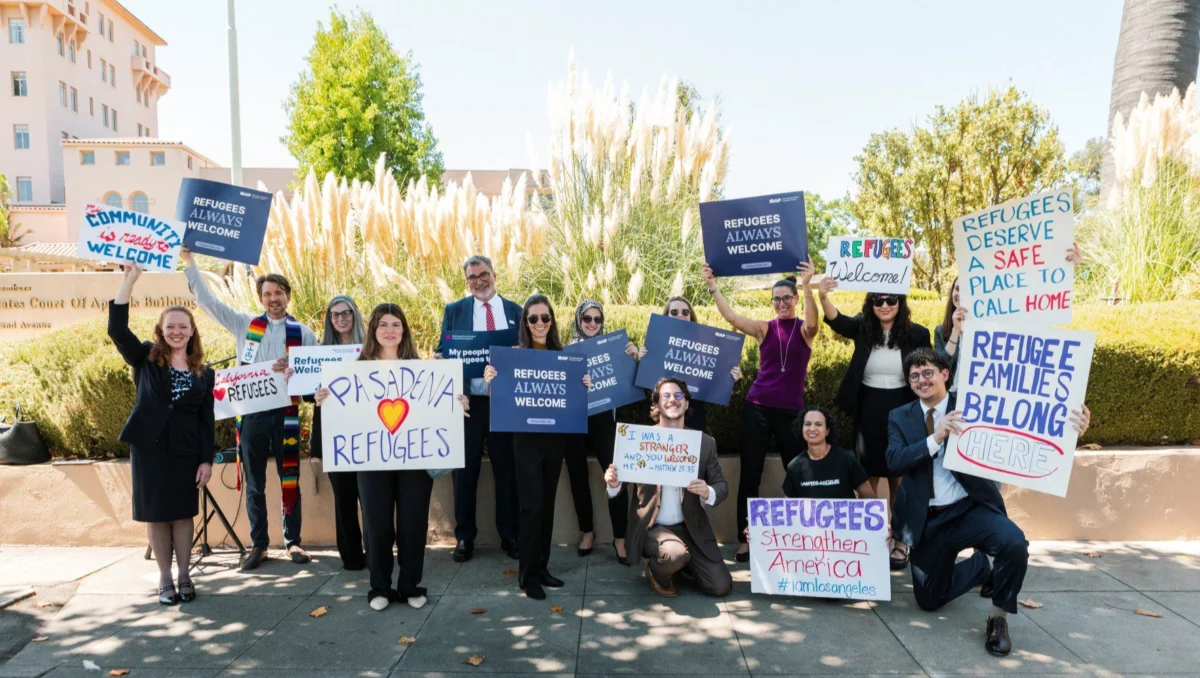
As the U.S. continues to navigate the challenges of an aging workforce and shifting economic global dynamics, the policy choices made regarding immigration will have lasting consequences. The data indicates that a welcoming approach to refugees is not only a matter of humanitarian principle but a pragmatic economic strategy. As the country moves forward, the integration of displaced persons remains a vital mechanism for ensuring that the United States remains a resilient and competitive economy on the global stage. The evidence is clear: the success of the U.S. economy is intrinsically linked to its ability to incorporate and support those seeking a new beginning.