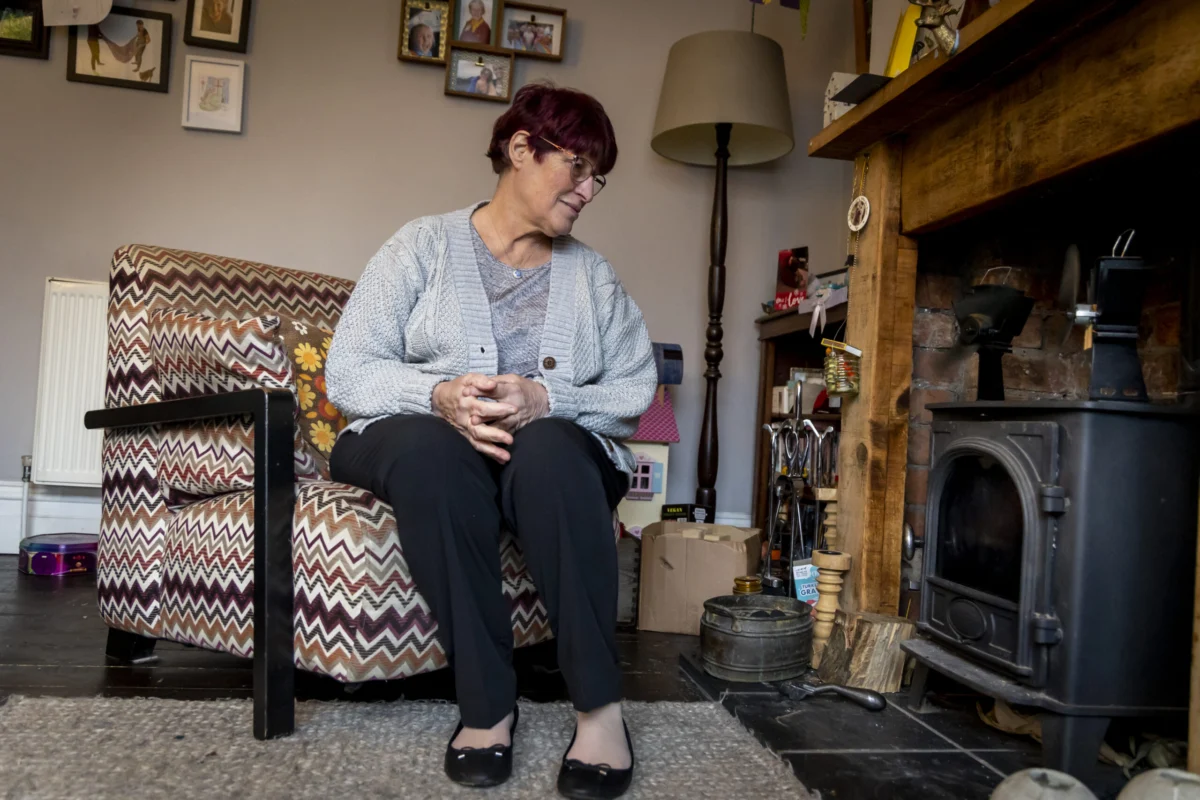
The national advocacy organization for older people, Age Action, has formally voiced its profound disappointment regarding the provisions set forth in Budget 2026, characterizing the fiscal plan as a significant missed opportunity to safeguard the economic stability and well-being of Ireland’s aging population. Despite intensive pre-budget consultations and the submission of detailed policy recommendations, the organization argues that the government has failed to deliver the targeted, permanent measures necessary to address the rising cost of living, energy poverty, and the systemic housing and healthcare needs of more than 860,000 individuals aged 65 and over.
The reaction from Age Action centers on the inadequacy of the State Pension increase and the marginal adjustment to the Fuel Allowance, which the group claims do not reflect the reality of current price levels. While the government emphasized a shift away from the "one-off" cost-of-living payments that characterized previous budgets, Age Action maintains that the replacement measures are insufficient to prevent a decline in the standard of living for older citizens, particularly those living alone or in energy-inefficient housing.
The Economic Gap: Pension Increases vs. Recommended Benchmarks
At the heart of the critique is the €10 weekly increase to the State Pension. According to Camille Loftus, Age Action’s Head of Advocacy and Public Affairs, this adjustment fails to bring the pension rate any closer to the benchmark level recommended by the Pensions Commission. The Commission had previously established that the State Pension should ideally represent 34% of average weekly earnings to ensure a basic but dignified standard of living and to prevent poverty in old age.
Current economic data suggests that the gap between the actual pension rate and this 34% benchmark is widening rather than closing. Age Action notes that while the headline rate of inflation may have decelerated compared to the peaks of 2023 and 2024, the actual prices of essential goods—including groceries, utilities, and healthcare services—remain at historically high levels. For an older person relying solely on the State Pension, a €10 increase represents a marginal gain that is quickly neutralized by the cumulative impact of three years of high inflation.
The advocacy group stressed that during pre-budget meetings with Finance Minister Jack Chambers and Public Expenditure Minister Paschal Donohoe, they highlighted the deep anxiety felt by older people. The removal of the "one-off" lump-sum supports, which provided a temporary buffer in previous years, has left a vacuum that a €10 permanent increase cannot fill. The organization argues that without a structural commitment to the 34% benchmark, the State is effectively allowing the purchasing power of the pension to erode.
Energy Poverty and the Inadequacy of the Fuel Allowance
Beyond the base pension rate, Budget 2026’s provisions for energy support have come under intense scrutiny. The government announced a €5 increase in the weekly Fuel Allowance, a measure Age Action describes as an "inadequate substitute" for the comprehensive Energy Guarantee they had proposed.
Ireland’s older population is disproportionately affected by energy poverty. Data from the Central Statistics Office (CSO) and the Sustainable Energy Authority of Ireland (SEAI) indicates that older people are more likely to reside in older building stock with poor BER (Building Energy Rating) scores. These homes often feature inefficient heating systems and lack modern insulation, meaning it costs significantly more to maintain a healthy indoor temperature.
Age Action’s proposed Energy Guarantee was designed as a targeted mechanism that would account for both the energy efficiency of a home and the prevailing price of fuel. By failing to adopt this model, the government has opted for a "one-size-fits-all" minor increase that fails to reach the majority of retirees. Statistics show that fewer than 3 in 10 State Pension recipients actually qualify for the Fuel Allowance due to strict means-testing and eligibility criteria. This leaves over 70% of older people to absorb the entirety of their heating costs without additional assistance, despite many of them living just above the qualifying threshold.
A Chronology of Advocacy and Budgetary Decisions
The friction between Age Action and the Department of Finance follows a structured period of negotiation and public discourse. The timeline of Budget 2026’s development highlights several key moments where advocacy groups sought to influence the fiscal direction:
- March 2025: Age Action begins the consultation process for its Budget 2026 submission, gathering data from its membership base regarding the primary challenges facing older people.
- June 2025: The Summer Economic Statement is released, signaling the government’s intent to maintain a 5% spending rule while prioritizing permanent tax cuts and social welfare adjustments over one-off payments.
- August 2025: Age Action publishes its formal submission, "Budget 2026: Protecting Income and Ensuring Dignity," which explicitly calls for the €30 increase in the State Pension and the implementation of an Energy Guarantee.
- September 2025: High-level meetings take place between Age Action representatives and Ministers Jack Chambers and Paschal Donohoe. During these sessions, the advocacy group presents evidence of "hidden" poverty among the over-65 demographic.
- October 2025: Budget 2026 is announced in the Dáil. The measures for older people are limited to a €10 pension increase and a €5 Fuel Allowance hike, sparking immediate disappointment from advocacy sectors.
The Broader Context: Housing and Health Needs
Age Action’s disappointment extends beyond direct income supports to the broader infrastructure required to support an aging society. Budget 2026 was expected to make significant strides in addressing the housing crisis as it pertains to "right-sizing" and the provision of home care packages.
The organization pointed out that the lack of progress on housing measures prevents many older people from moving into smaller, more energy-efficient homes, which would simultaneously free up larger family homes for the younger generation. Furthermore, the funding allocated for home care hours and the Sláintecare reforms has been criticized as insufficient to meet the rising demand. As the Irish population continues to age, the strain on the healthcare system and the need for community-based support services grow exponentially.
The failure to integrate these needs into a cohesive budgetary strategy suggests a reactive rather than proactive approach to demography. Age Action contends that by ignoring the intersection of housing, health, and income, the government is creating a long-term fiscal burden that will be more expensive to address in the future.
Comparative Analysis and Official Responses
In defense of Budget 2026, government spokespeople have pointed to the overall "balanced" nature of the package. Minister for Finance Jack Chambers noted that the budget sought to protect the most vulnerable while ensuring the long-term sustainability of the state’s finances. The government maintains that the cumulative effect of tax bracket adjustments, changes to the Universal Social Charge (USC), and the pension increase will result in a net gain for most households.
However, fiscal analysts note that for the majority of pensioners, who are often outside the tax net or have limited taxable income, the benefits of USC cuts and tax bracket changes are negligible. This creates a disparity where working-age households may see a greater relative benefit from the budget than those relying on fixed state incomes.
Other social justice organizations, such as Social Justice Ireland and ALONE, have echoed Age Action’s sentiments. These groups argue that the government’s focus on broad-based tax cuts has come at the expense of targeted social investment. The consensus among these advocates is that Budget 2026 prioritizes short-term political appeal over the long-term structural changes required to support Ireland’s aging demographic.
Implications for Ireland’s Aging Population
The implications of Budget 2026 are likely to be felt across several sectors of Irish society. With more than 860,000 people aged 65 and older, this demographic represents a significant portion of the electorate and a critical component of the social fabric.
- Increased Risk of Social Isolation: If older people are forced to spend a higher percentage of their income on basic necessities like heat and food, their ability to participate in social and community activities diminishes. This can lead to increased rates of loneliness and social isolation, which are known to have detrimental effects on physical and mental health.
- Pressure on Acute Healthcare: Inadequate heating and poor nutrition due to financial constraints are direct contributors to health complications in the elderly. This inevitably leads to higher admission rates in acute hospitals, placing further strain on an already overstretched HSE (Health Service Executive).
- Political Fallout: As the "gray vote" remains one of the most consistent and active voting blocs in Ireland, the perceived neglect in Budget 2026 may influence future electoral cycles. Age Action’s vocal disappointment serves as a signal to policymakers that the current trajectory of support is viewed as unsatisfactory by a large segment of the population.
Conclusion: The Path Forward
Age Action has reaffirmed its commitment to campaigning for a more equitable distribution of national resources. The organization’s Head of Advocacy, Camille Loftus, emphasized that the 860,000 older people in Ireland deserve a budget that recognizes their contribution to society and addresses their specific vulnerabilities.
The group intends to continue its engagement with members of the Oireachtas to advocate for supplementary measures throughout the coming year. They are calling for a fundamental shift in how the State Pension is viewed—not as a discretionary welfare payment, but as a foundational social contract that must be indexed to the reality of the Irish economy.
As the debate over Budget 2026 continues, the focus remains on whether the government will heed the warnings of advocacy groups or if the "missed opportunity" cited by Age Action will lead to a measurable decline in the quality of life for Ireland’s seniors. For now, the organization remains steadfast in its message: Budget 2026 appears to have forgotten the very people who built the country’s current prosperity.