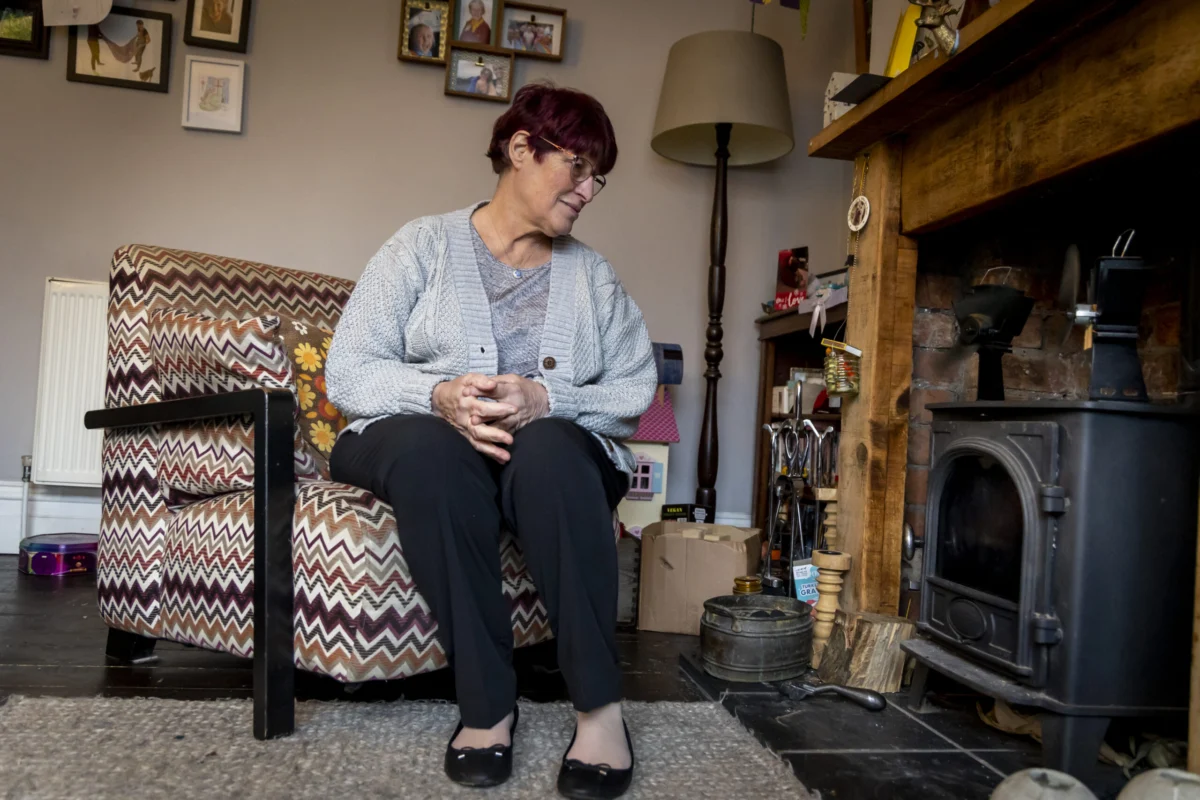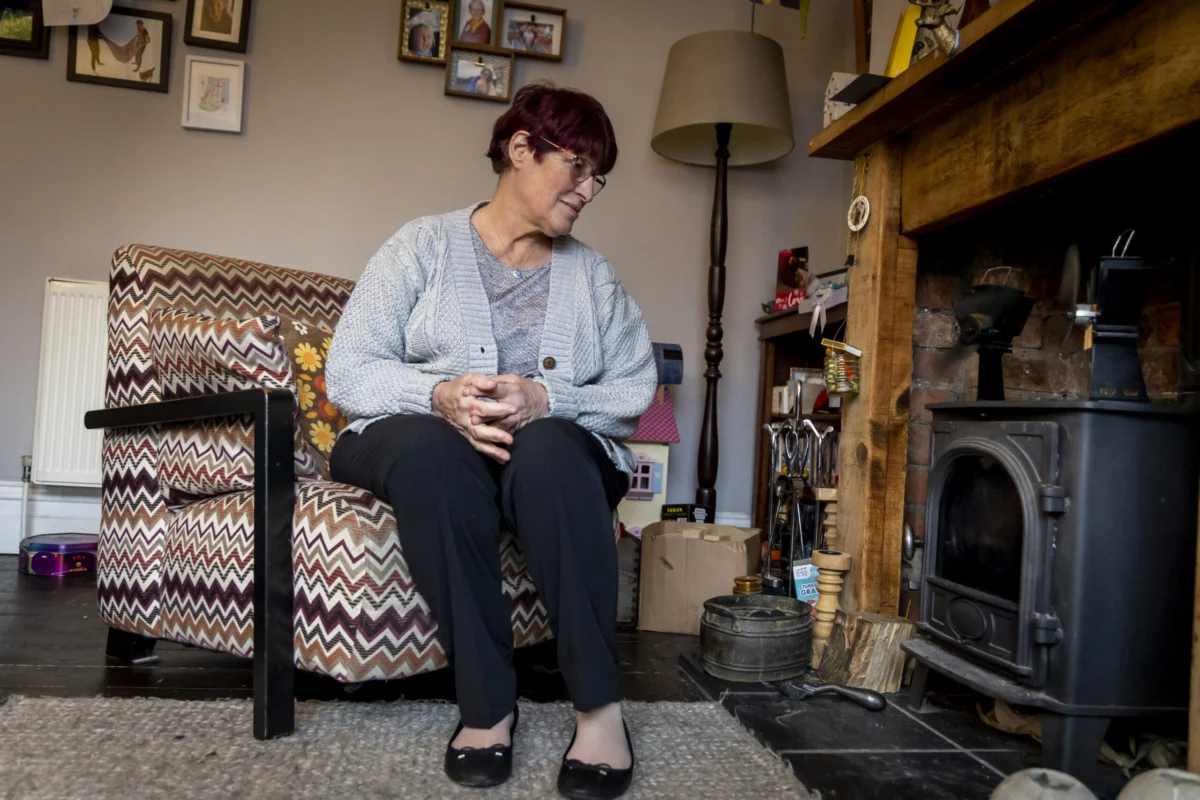
The latest data from the Central Statistics Office (CSO) has revealed a stark and troubling increase in poverty levels among Ireland’s older population, prompting immediate concern from advocacy groups and social policy analysts. According to the 2025 Survey on Income and Living Conditions (SILC), those aged 65 and over, particularly individuals living alone, are facing significantly heightened risks of financial instability and material hardship. The findings indicate that despite temporary government interventions, the underlying economic security of Ireland’s seniors is deteriorating, with income poverty rates for those living alone reaching 30.3%—an increase of 4.4 percentage points from the previous year. This rate is now nearly two and a half times the national average, highlighting a widening gap between the elderly and the general population.
The Statistical Landscape of Elder Poverty in 2025
The 2025 SILC report provides a comprehensive look at the financial health of Irish households, but the data regarding the elderly is especially grim. The 30.3% income poverty rate for older people living alone represents a critical threshold, suggesting that nearly one in three individuals in this demographic is living on an income below the poverty line. This demographic has consistently been identified as one of the most vulnerable in Irish society, yet the 2025 figures show a sharp negative trend compared to 2024.
Income poverty, often referred to as being "at risk of poverty," is defined as having an equivalised disposable income below 60% of the national median. For older people, who often rely on fixed incomes such as the State Pension, the inability of these payments to keep pace with the rising costs of essential services has become a primary driver of this trend. While the national poverty rate has fluctuated, the specific surge among the elderly suggests that general economic growth is not trickling down to those outside the active workforce.
Defining Enforced Deprivation and Consistent Poverty
Beyond the raw income figures, the CSO report delves into the lived experience of poverty through the lens of "enforced deprivation." This metric tracks the number of people who cannot afford at least two out of eleven basic essential items or activities, such as keeping the home adequately warm, replacing worn-out furniture, or buying new clothes.
The 2025 data shows that 18.3% of older people living alone—nearly one in five—experienced enforced deprivation. For older couples where at least one person is aged 65 or older, the rate stood at 9.8%. These figures represent a significant portion of the population who are making daily choices between food, heating, and healthcare.
Furthermore, the report highlights the "consistent poverty" rate, which is perhaps the most severe indicator of social exclusion. Consistent poverty occurs when an individual is both at risk of income poverty and experiencing enforced deprivation. For older people living alone, this rate reached 9.8% in 2025. This indicates that approximately one-tenth of the solo-living elderly population is trapped in a cycle of deprivation that affects both their bank accounts and their physical standard of living.
The Role of Temporary Measures and Budgetary Decisions
Age Action, a leading advocacy body for older people, has pointed to a specific policy failure as a contributor to these rising numbers. Camille Loftus, Head of Advocacy and Public Affairs at Age Action, noted that while one-off cost-of-living measures implemented in 2024 and 2025 were effective in the short term, they failed to provide long-term stability. According to Loftus, these temporary supports reduced the poverty risk for older people by 5.9 percentage points in 2025. However, because these were not converted into permanent, indexed increases in social welfare or pension rates, the protection they offered was fleeting.
The transition from Budget 2025 to Budget 2026 appears to be a focal point of the current crisis. Advocacy groups argue that the government’s reliance on "one-off" payments—lump-sum grants for fuel or electricity—creates a "cliff edge" for vulnerable citizens. When these payments cease or are not renewed in subsequent budgets, the underlying inadequacy of the base pension rate is exposed. The failure to introduce permanent, targeted measures in Budget 2026 has left older people exposed to the full force of inflation and rising service costs.
A Chronological Overview of Ireland’s Cost-of-Living Crisis (2024-2026)
To understand the 2025 data, it is necessary to look at the economic trajectory of the preceding years.
- Early 2024: Ireland experienced a sustained period of high inflation, particularly in energy and food sectors. The government responded with a series of one-off "Cost of Living" bonuses added to the State Pension and Fuel Allowance.
- Late 2024: The SILC 2024 data showed that while poverty was a concern, the temporary measures were holding the most extreme deprivation at bay for many.
- 2025: The full impact of cumulative inflation began to outpace the base increases in the State Pension. The CSO’s March 2026 release (covering the 2025 period) confirmed that the income poverty rate for solo-living seniors jumped to 30.3%.
- Late 2025 (Budget 2026): The government announced Budget 2026. While it contained some social spending, it moved away from the heavy reliance on one-off emergency payments that had characterized the previous two years.
- March 2026: The release of the 2025 SILC report confirms that without the "buffer" of those one-off payments, the elderly population has fallen deeper into financial distress.
This timeline illustrates a reactive rather than proactive approach to social welfare, where temporary fixes masked a structural deficit in the adequacy of the State Pension.

The Gender and Social Dimension of Aging Alone
The data specifically highlights that those living alone are at the highest risk. This demographic is disproportionately composed of women, many of whom may have had interrupted work histories due to caregiving responsibilities, resulting in lower contributory pensions or a total reliance on the non-contributory State Pension.
Living alone also removes the "economy of scale" found in multi-person households. The cost of heating a home, paying for broadband, or maintaining a property does not halve when one person lives there instead of two. Consequently, the "poverty gap"—the distance between a person’s income and the poverty line—is often much wider for single elderly people. This social isolation often compounds the effects of poverty, as individuals may lack the transport or funds to engage in community activities, leading to deteriorating mental and physical health.
Advocacy and Policy Recommendations
In light of the CSO findings, Age Action and other NGOs are calling for a fundamental shift in how the State supports its older citizens. The primary recommendation is the "benchmarking" of the State Pension. This would involve pegging the pension rate to a specific percentage of average weekly earnings or a "Minimum Essential Standard of Living" (MESL) to ensure that it remains adequate regardless of inflationary pressures.
Currently, pension increases are decided annually during the budget process, often becoming a matter of political negotiation rather than being based on the actual cost of living. Advocacy groups argue that until the pension is legally protected and indexed, older people will remain at the mercy of shifting political priorities.
Additionally, there are calls for:
- Enhanced Fuel Allowance: Moving the fuel allowance from a seasonal payment to a year-round energy support, reflecting the high standing costs of utilities.
- Housing Support: Increased investment in "right-sizing" and social housing specifically designed for the elderly to reduce the burden of maintaining older, energy-inefficient homes.
- Healthcare Access: Reducing the out-of-pocket costs for medications and community care services which often consume a large portion of a senior’s disposable income.
Broader Societal and Economic Consequences
The implications of rising elder poverty extend beyond the individual. There is a well-documented correlation between poverty and poor health outcomes. When older people cannot afford to heat their homes or eat a balanced diet, they are more likely to require hospitalization or long-term residential care. This places an additional, and arguably more expensive, burden on the Health Service Executive (HSE).
Furthermore, the rise in "consistent poverty" suggests that a segment of the population is being effectively excluded from society. This erosion of social cohesion can lead to increased rates of loneliness and depression among the elderly, which in turn necessitates more robust social intervention.
From an economic perspective, the failure to provide a stable financial floor for the elderly can dampen local economies, particularly in rural areas where older people are a significant part of the consumer base for local shops and services. When 30% of a specific demographic is living in income poverty, their discretionary spending vanishes, impacting the vitality of small towns and villages.
Conclusion and Future Outlook
The 2025 SILC report serves as a definitive signal that Ireland’s current social contract with its older citizens is under severe strain. The data provided by the CSO does not merely represent numbers on a page; it represents a growing segment of the population that is being forced into impossible financial positions.
The response from Camille Loftus and Age Action underscores a critical warning: without a move toward permanent, structural financial protections, the trend of increasing poverty among the elderly is likely to continue through 2026 and beyond. As the population continues to age, the urgency of addressing these systemic issues becomes more pronounced. The 2025 findings are a clear call to action for policymakers to move beyond temporary "band-aid" solutions and toward a sustainable, dignity-focused social welfare system for Ireland’s seniors.