The digital landscape for LGBTQ+ celebrities has undergone a significant transformation over the past decade, shifting from a paradigm of guarded privacy to one of strategic, often humorous, transparency on platforms such as Instagram and TikTok. In the current media cycle, particularly surrounding major cultural milestones like the Academy Awards, queer public figures are utilizing social media not merely for promotion, but as a primary tool for community building and identity performance. This week’s social media activity from prominent figures including Reneé Rapp, Towa Bird, Meg Stalter, and Queen Latifah highlights a broader trend: the normalization of queer domesticity and the subversion of traditional red-carpet formalities through digital engagement.
The Shift Toward Digital Authenticity in Queer Media
The recent surge in social media engagement from queer celebrities marks a departure from the traditional Hollywood "closet" or the subsequent era of hyper-sanitized public relations. Analysis of current engagement metrics suggests that audiences, particularly Gen Z and Millennial demographics, respond more favorably to "unfiltered" content that emphasizes relatability over polish. This phenomenon is evident in the recent interactions of Towa Bird and Reneé Rapp, whose public-facing relationship and professional collaborations have become a focal point of queer digital culture.
Rapp, a breakout star in both the music industry and film—most recently seen in the Mean Girls musical adaptation—has leveraged her Instagram presence to maintain a direct line of communication with her fanbase. This strategy serves a dual purpose: it bypasses traditional media gatekeepers and allows for a narrative controlled entirely by the artist. When celebrities share candid moments or "bits," as seen with comedian Meg Stalter, they are participating in a form of digital labor that reinforces their brand as authentic and accessible.
Chronology of Weekly Social Media Highlights and Event Context
The week leading up to and following the 96th Academy Awards served as the primary backdrop for this latest wave of celebrity activity. While the Oscars represent the pinnacle of traditional industry achievement, the peripheral events—after-parties, pre-show preparations, and "off-duty" moments—often generate higher levels of social media traction.
On March 10, 2024, the Academy Awards took place in Los Angeles, followed by a series of high-profile events. While the Vanity Fair Oscar Party remains the most documented post-show gathering, a significant portion of the queer community’s visibility occurred at alternative venues, including the Elton John AIDS Foundation Academy Awards Viewing Party and various private boutique gatherings. The social media documentation of these "non-Vanity Fair" parties suggests a diversification of the celebrity ecosystem, where status is no longer exclusively tied to a single, monolithic event.
Throughout the week, the following milestones were noted across digital platforms:
- Pre-Oscar Preparation: Celebrities like Queen Latifah shared glimpses into the longevity of their careers and the maintenance of their public image, emphasizing a sustained presence in an industry known for its transience.
- The "Dream Team" Appearances: Red carpet photography shared by stylists and stars showcased a move toward avant-garde and gender-nonconforming fashion, reflecting a shift in the "Best Dressed" standards of major publications.
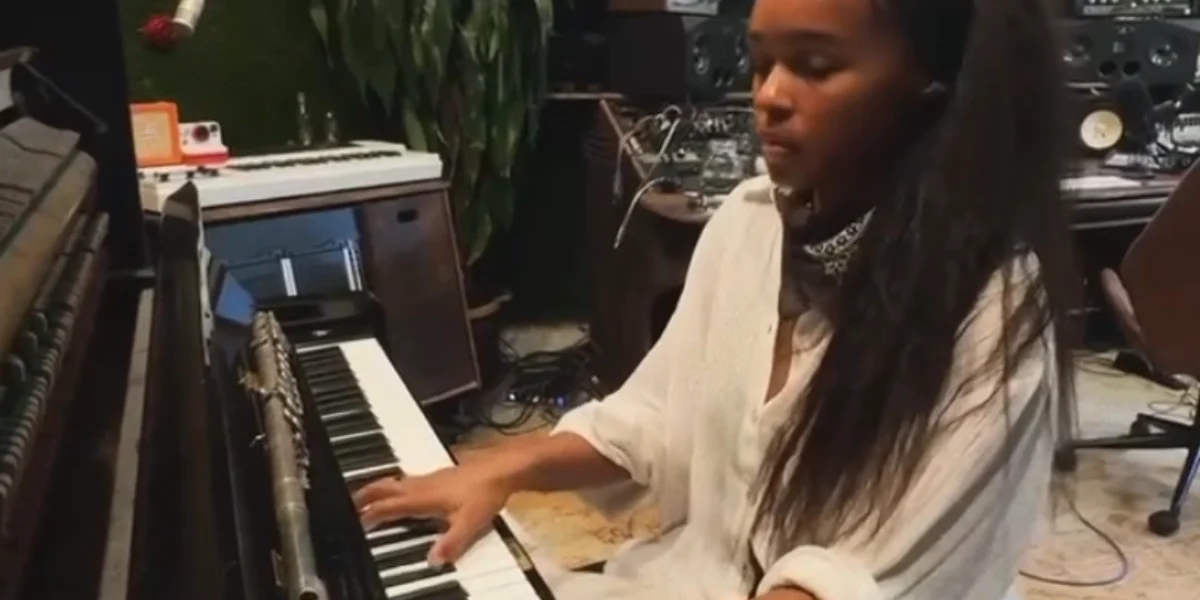
- Music Teasers: Artists utilized the high-traffic week to hint at upcoming projects. The use of "reels" to preview audio stems or studio footage has become a standard industry practice to gauge listener interest before an official release.
Supporting Data on LGBTQ+ Representation and Engagement
According to the 2023 GLAAD "Where We Are on TV" and "Social Media Safety Index" reports, while representation in traditional media has seen fluctuations, the influence of LGBTQ+ individuals on social media platforms continues to grow exponentially. Data indicates that queer-identifying creators and celebrities often experience higher-than-average engagement rates (likes, comments, and shares) compared to their heteronormative counterparts, largely due to the high level of community mobilization among LGBTQ+ fans.
In the case of Reneé Rapp and Towa Bird, their combined social media reach exceeds several million followers, with a significant concentration in the 18–24 age bracket. This demographic is particularly adept at "fandom" culture, where every post is analyzed for subtext, leading to increased algorithmic visibility. For instance, when an artist like Bird shares a link to "applications"—often referring to mailing lists, pre-save links for music, or brand collaborations—the conversion rate from a social media "tap" to a tangible consumer action is notably higher when the content feels personal or spontaneous.
The Strategic Use of Absurdist Humor and "Bits"
A recurring theme in the digital output of queer celebrities is the use of absurdist humor. Meg Stalter, known for her role in the HBO series Hacks, has pioneered a specific brand of digital comedy that relies on "committing to the bit." This involves maintaining a satirical or exaggerated persona without breaking character, even in the comments section or in follow-up posts.
From a sociological perspective, this commitment to performance serves to dismantle the "untouchable" aura of the celebrity. By leaning into the ridiculous, stars like Stalter and Rapp create a shared language with their audience. This week’s highlights included various "reels" where the humor was derived from the mundane—such as the stress of holding onto confidential information or the domestic reality of managing bread dough in the fridge. These posts serve as a grounding mechanism, humanizing figures who are otherwise seen in high-glamour settings.
Industry Implications and the Future of the "After-Party"
The observation of "various non-Vanity Fair parties" by social media commentators points to a shift in how social capital is distributed in Hollywood. For decades, the Vanity Fair party was the singular destination for post-Oscar visibility. However, as the industry becomes more fragmented, niche parties hosted by queer-centric brands or organizations have gained prestige.
These alternative spaces often provide a safer or more celebratory environment for LGBTQ+ stars, who may feel less pressure to conform to the rigid expectations of the traditional Hollywood establishment. The documentation of these events on Instagram provides a window into a "Queer Hollywood" that operates parallel to, and often in conversation with, the mainstream. This visibility is crucial for emerging artists who may not yet have an invitation to the most exclusive tables but have built a massive, loyal following online that rivals the influence of veteran A-listers.
Conclusion and Broader Impact
The collective social media activity of this week’s featured celebrities—from Queen Latifah’s timeless presence to the burgeoning stardom of the Rapp-Bird duo—illustrates the multifaceted nature of modern queer fame. It is no longer enough to simply "be" famous; the contemporary celebrity must be a curator of their own life, a comedian, a political symbol, and a direct communicator.
The implications of this are twofold. First, it allows for a more diverse array of voices to reach the public without the need for traditional approval. Second, it creates a new set of challenges regarding privacy and the labor of constant engagement. However, for the audience, this "No Filter" era provides a level of representation that was previously unimaginable. Seeing a queer icon celebrate a "dream team" on a carpet or joke about domestic chores provides a holistic view of queer life that includes both the extraordinary and the everyday.
As we look toward the remainder of the 2024 media calendar, the trends established during this Oscar week—humor as a brand, digital-first music promotion, and the celebration of alternative social spaces—are likely to become the standard. The evolution of the queer celebrity on Instagram is not just about "fun photos"; it is a sophisticated recalibration of power in the entertainment industry, where the most valuable currency is no longer just a trophy, but an authentic connection with a global digital community.