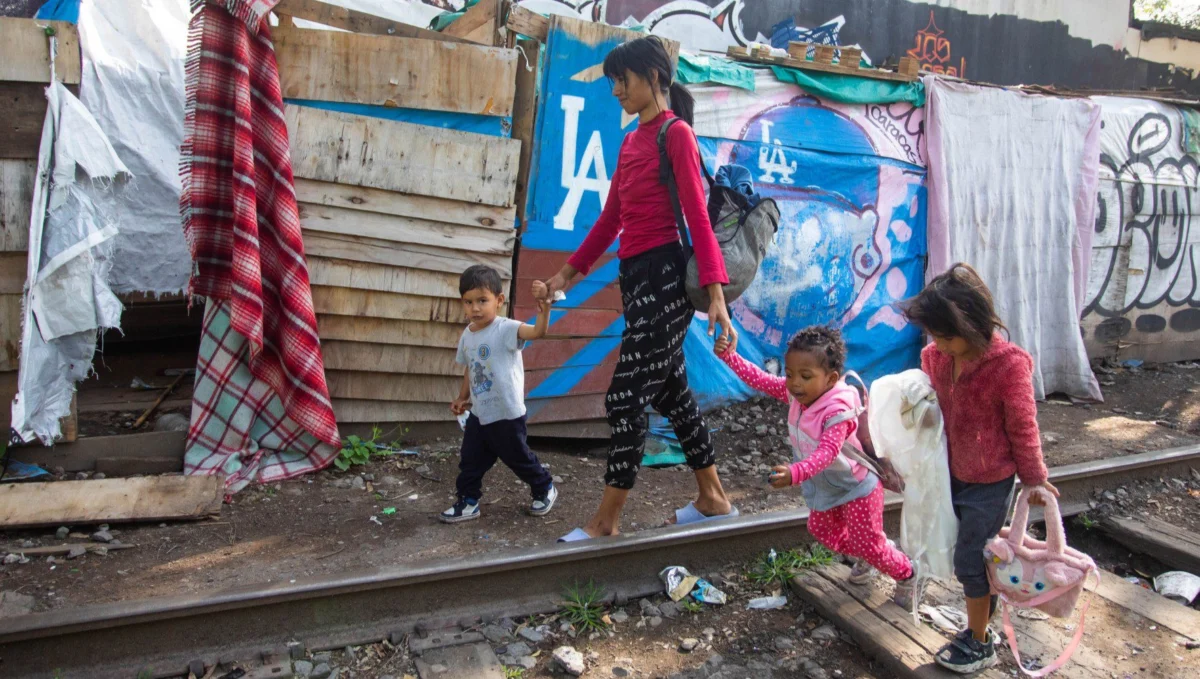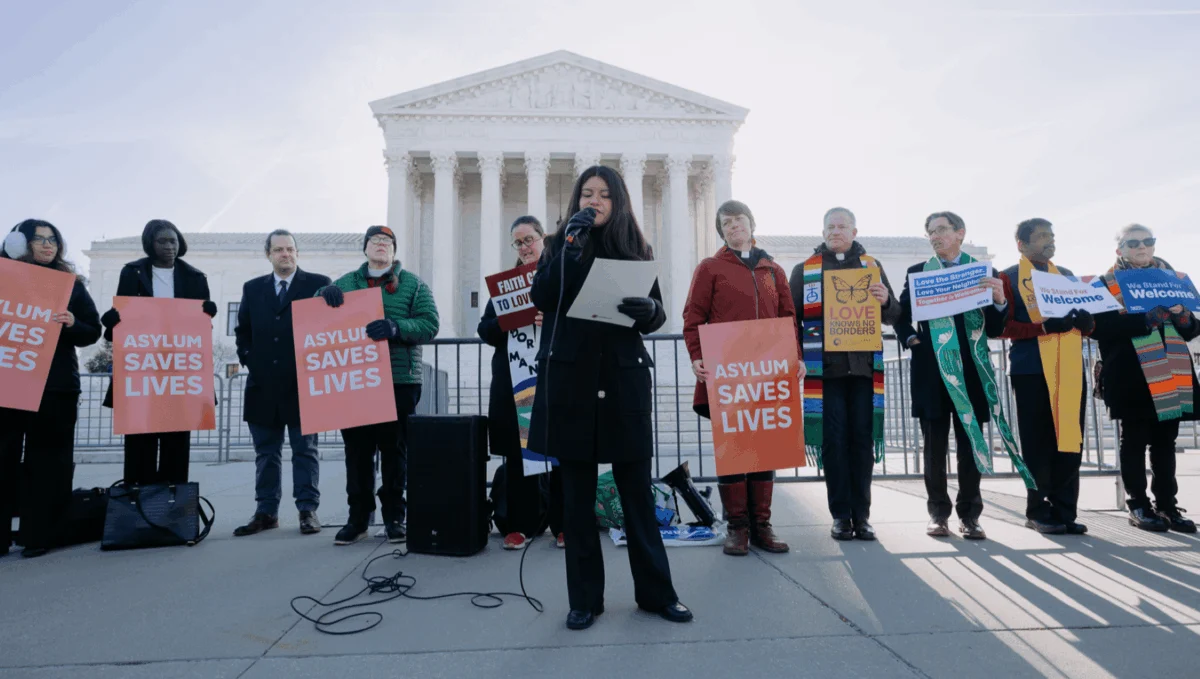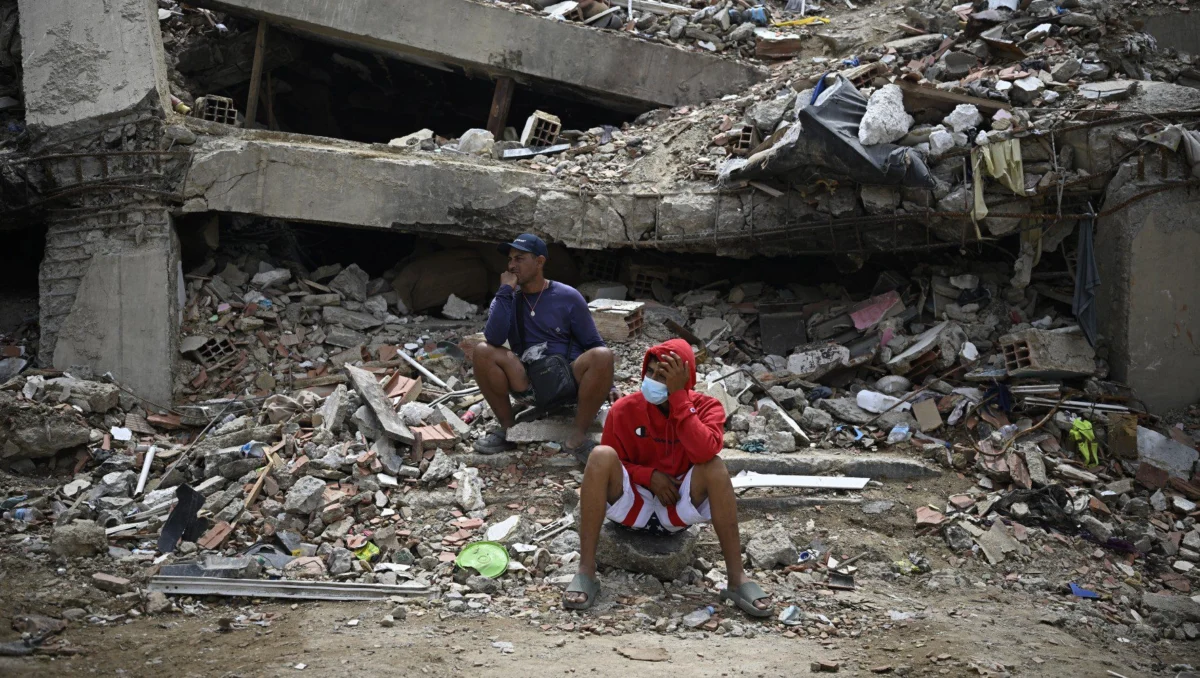
Over the past decade, the United States and the global community have witnessed a disturbing proliferation of disinformation and conspiracy theories targeting immigrants. Among the most insidious is the "Great Replacement Theory," a baseless narrative that falsely claims an orchestrated "invasion" of immigrants is poised to fundamentally alter the demographic composition of Western nations. This dangerous lie, often amplified by dehumanizing rhetoric that wrongly blames immigrants for economic hardship and rising crime rates, serves to ignite hatred and fear, leading to profound and tragic consequences. This in-depth analysis explores the origins, evolution, and devastating impact of the Great Replacement Theory, particularly its connection to antisemitism and its direct influence on policy and violence.
The Genesis of a Hate-Fueled Conspiracy
The Great Replacement Theory, in its contemporary form, posits a deliberate plot by unspecified elites, often including Jewish individuals, to replace the white populations of Western countries with non-white immigrants. While the term itself gained prominence in the early 2010s, its roots run deep, intertwining with centuries-old currents of racism and antisemitism. Early iterations can be traced to the late 19th century, when French journalist Édouard Drumont warned of a Jewish threat to French culture, a sentiment that echoed the eugenics movements in the United States that advocated for the sterilization of Black Americans under the guise of population control. Throughout U.S. history, Jewish immigration itself was frequently framed by political figures as an "invasion" to incite fear and xenophobia.
The modern moniker, "Great Replacement Theory," was popularized in 2011 by French author and conspiracy theorist Renaud Camus in his book Le Grand Replacement. Camus alleged that French elites were facilitating Muslim immigration to dilute France’s white, Christian identity and population. In the American context, this theory has more explicitly identified Jewish people as the orchestrators and non-white immigrants as the "invaders."
The Theory Enters the Mainstream: Violence and Political Platforms
Once confined to fringe online forums, the Great Replacement Theory began to seep into mainstream discourse in the late 2010s. Its insidious influence was starkly illustrated by its role in inspiring acts of violence, most notably the 2017 "Unite the Right" rally in Charlottesville, Virginia. During the white supremacist gathering, marchers chanted "Jews will not replace us," an explicit and chilling connection between antisemitism and the xenophobic movement. This rhetoric directly preceded the horrific massacre at the Tree of Life synagogue in Pittsburgh, Pennsylvania, in 2018. The white supremacist perpetrator of that attack had posted online screeds accusing HIAS (formerly the Hebrew Immigrant Aid Society) of facilitating the migration of "hostile invaders" who would harm "his people." This incident underscored the dangerous intersection of the Great Replacement Theory, antisemitism, and anti-immigrant sentiment.
Nine years later, the Great Replacement Theory has become a pervasive element in American politics, with its hateful ideology being espoused on prominent political stages. This normalization of extremist viewpoints has emboldened those who hold such beliefs and has had tangible, devastating consequences.
Documented Consequences: From Rhetoric to Real-World Atrocities
The ramifications of the Great Replacement Theory extend far beyond hateful rhetoric; they manifest in acts of violence and in the shaping of public policy. Data from the FBI and other law enforcement agencies consistently highlight the rise in hate crimes targeting religious and ethnic minorities. In 2025 alone, antisemitic incidents resulted in the highest number of Jewish fatalities in three decades, a grim testament to the theory’s violent potential.
The perpetrator of the Tree of Life synagogue massacre, for instance, was motivated in part by the congregation’s participation in HIAS’s Refugee Shabbat program, demonstrating how even humanitarian efforts can become targets for those radicalized by this conspiracy. Similarly, the 2019 attack on a Chabad center in Poway, California, which killed one person and injured others, was carried out by an individual who accused Jews of "destroying the white race."
The white supremacist who murdered 23 people at a Walmart in El Paso, Texas, in 2019 was directly inspired by the Great Replacement Theory. The same ideology fueled the mass shooting at a supermarket in Buffalo, New York, in 2022, where the perpetrator targeted a predominantly Black community. These incidents, along with others, paint a clear picture of the direct link between the propagation of this conspiracy and acts of mass violence.
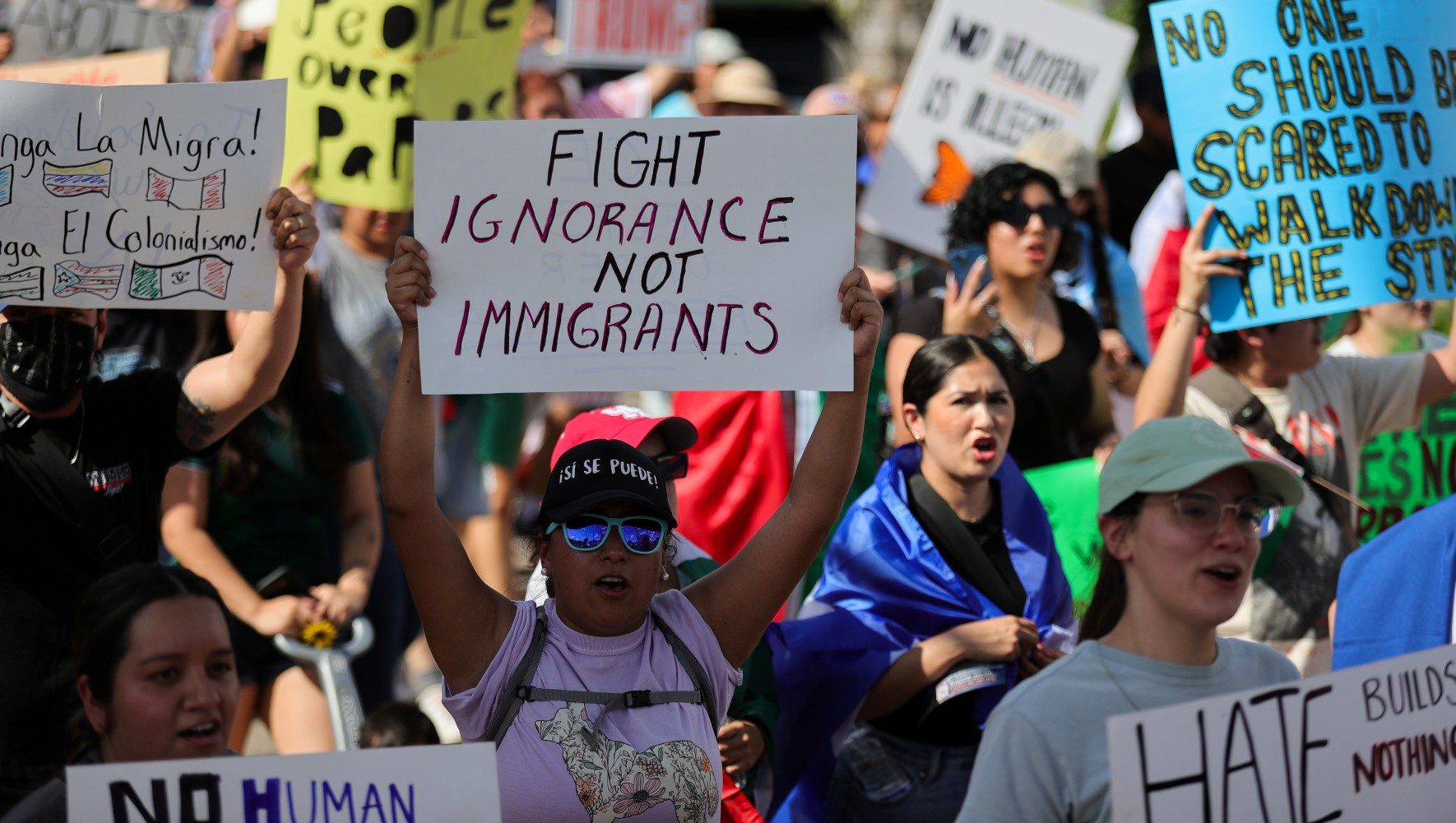
"Invasion" Rhetoric and Policy Implications
Beyond mass shootings, the trope of an "invasion" at the U.S.-Mexico border, a concept inextricably linked to the Great Replacement Theory, has permeated political discourse and influenced policy decisions. This dehumanizing language has been adopted by numerous politicians and media figures, fostering an environment of fear and hostility towards migrants. This rhetoric has been weaponized to promote the pernicious falsehood that migrants are arriving in the U.S. with the intent of committing widespread voter fraud, further demonizing vulnerable populations and undermining democratic processes.
The Trump administration’s immigration policies, particularly since January 2025, have been heavily influenced by this "replacement" narrative. The promotion of "remigration," a euphemism for the forced deportation of non-white individuals from Western countries, has become a central tenet of the anti-immigrant agenda. Since President Trump took office, hundreds of thousands of immigrants have been subjected to mass deportations, a policy that has been shown to fracture communities, destabilize economies, and inflict profound hardship on individuals and families deeply integrated into American society. For example, a 2025 report by the National Immigration Law Center highlighted how these mass deportation policies have demonstrably harmed the social fabric and economic well-being of numerous communities across the United States.
HIAS: A Target of Disinformation
As an international Jewish organization dedicated to providing services to refugees, displaced persons, and immigrants worldwide, HIAS has become a specific target of the Great Replacement Theory. White nationalist media figures and influencers have deliberately disseminated false information about HIAS’s operations, aiming to advance their xenophobic, antisemitic, and racist agendas, and often to generate financial profit from the spread of hate.
HIAS, with over 120 years of history as the world’s oldest refugee agency, has consistently operated on principles of welcome, empathy, and the inherent dignity of every individual. The organization’s work is rooted in the Jewish value of pikuach nefesh (saving a life) and the imperative to offer refuge to those fleeing persecution. By targeting HIAS, proponents of the Great Replacement Theory seek to undermine the very foundations of humanitarian aid and to cast doubt on the legitimacy of organizations that champion the rights of the displaced.
The Broader Impact: Undermining Societal Cohesion
The pervasive influence of the Great Replacement Theory has far-reaching implications for societal cohesion and democratic values. By fostering division and distrust, it erodes the social fabric that binds diverse communities together. The demonization of immigrants and the scapegoating of minority groups create an environment ripe for further polarization and conflict.
The theory’s embrace by some political figures and its amplification through media channels pose a significant threat to democratic discourse. When baseless conspiracy theories are used to justify discriminatory policies and incite hatred, the principles of equality, justice, and human rights are imperiled. The normalization of such ideologies not only endangers vulnerable populations but also undermines the foundational values of a pluralistic and democratic society.
Combating the Spread of Hate
Addressing the Great Replacement Theory requires a multi-faceted approach. It necessitates robust fact-checking and the dissemination of accurate information to counter the spread of disinformation. Educational initiatives that promote critical thinking and media literacy are crucial in equipping individuals with the tools to discern truth from falsehood. Furthermore, holding accountable those who intentionally spread hate speech and disinformation is essential in mitigating its harmful effects.
HIAS, in its ongoing commitment to supporting refugees and immigrants, continues to advocate for policies based on compassion and human rights, while actively debunking the dangerous lies propagated by proponents of the Great Replacement Theory. As the world’s oldest refugee agency, HIAS remains steadfast in its mission to stand for refugees, irrespective of political shifts or the proliferation of hateful ideologies. The fight against ignorance and fear, as championed by organizations like HIAS, is a critical endeavor in safeguarding a more just and humane future for all. The organization’s enduring dedication, spanning over 120 years, underscores its unwavering commitment to providing support and dignity to those in need, a mission that will not be deterred by hatred in any form.