The Strategic Shift from Digital to Tangible Media
Autostraddle, founded in 2009 as a digital-first platform for lesbian, bisexual, and queer women as well as non-binary individuals, has long been a cornerstone of online queer culture. For over a decade, the site operated primarily as a high-volume blog, surviving on a mix of advertising, community fundraising, and its "A-Plus" membership program. However, the decision to launch a print magazine represents a strategic pivot toward archival quality and brand prestige.
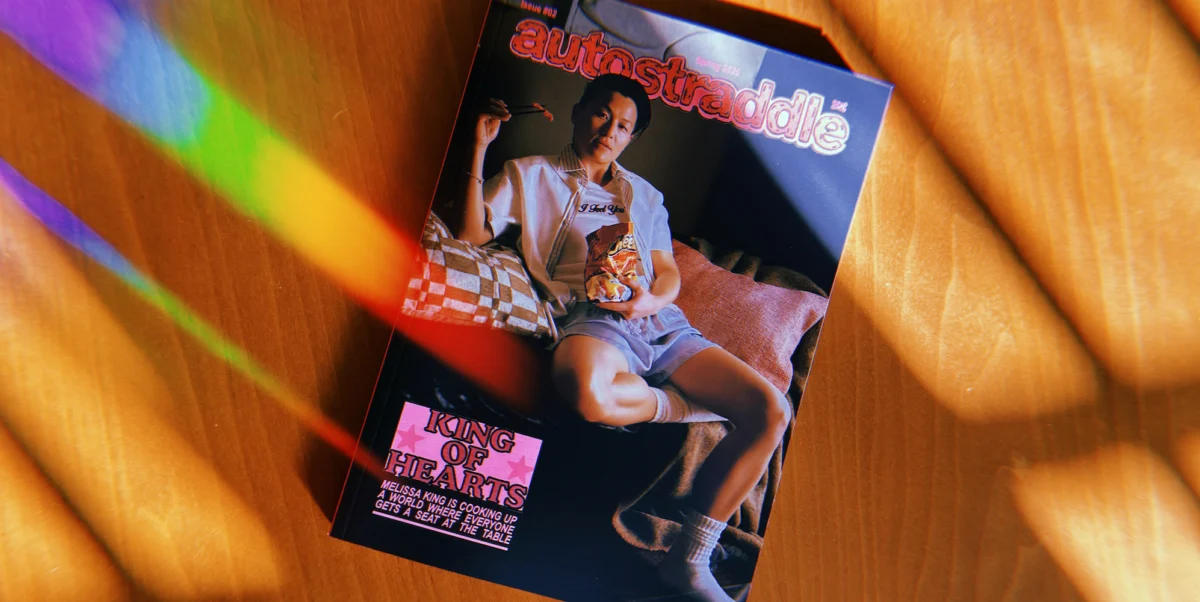
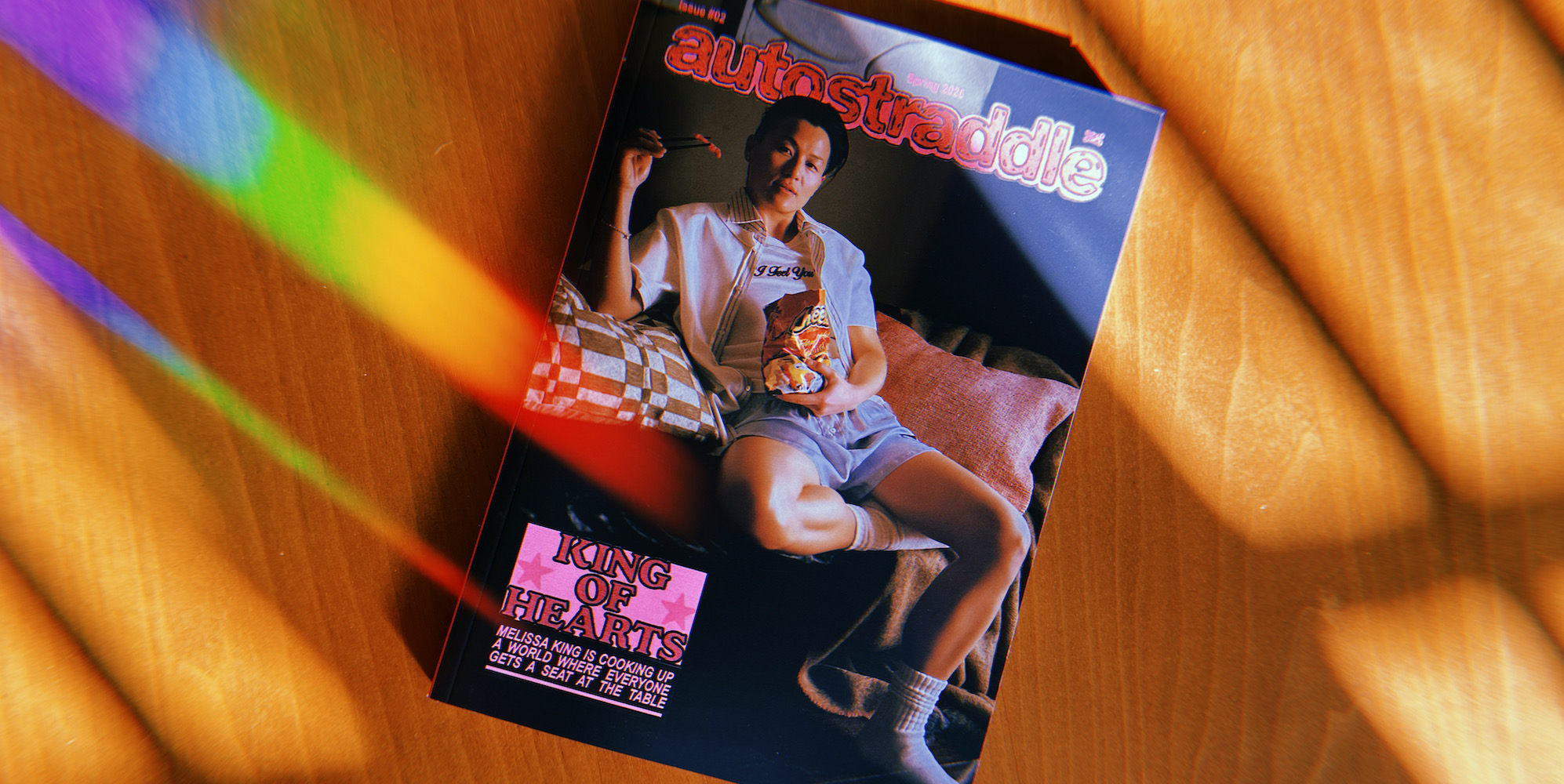
The transition to print is not merely a nostalgic gesture but a calculated response to the volatility of the digital advertising market. By producing a physical product, Autostraddle establishes a more permanent presence in the lives of its readers. Issue 02, described by the editorial team as a "masterpiece," focuses on elevated production values, featuring high-resolution photography, bespoke illustrations, and long-form essays that are designed to be kept on coffee tables and in personal archives rather than scrolled past in a social media feed.
Melissa King: A Study in Queer Excellence and Representation
The selection of Melissa King as the cover star for Issue 02 is a move that reflects the magazine’s commitment to highlighting intersectional success stories. King, the winner of Top Chef: All-Stars and a prominent advocate for the LGBTQ+ and AAPI communities, embodies the "masterpiece" theme through her culinary artistry and public identity.
King’s presence on the cover serves a dual purpose. First, it appeals to a broad demographic of queer individuals who see her as a pioneer in the professional culinary world. Second, it reinforces Autostraddle’s editorial mission to bridge the gap between niche community reporting and mainstream cultural influence. The feature interview within the issue delves into the nuances of King’s career, the pressures of representation, and the evolution of her personal style, providing the kind of in-depth profile that has become increasingly rare in digital-only formats.
Collaborative Synergy: The Role of For Them
A key component of the production of Issue 02 is the partnership with For Them, a brand known for its focus on queer wellness and identity-affirming products. This collaboration highlights a growing trend in the media world: the "brand-as-publisher" model. By partnering with a company that shares its core demographic, Autostraddle is able to offset the high costs of print production while ensuring that the advertisements and aesthetic of the magazine remain cohesive with the editorial content.
For Them’s involvement extends beyond financial sponsorship; the brand’s visual identity and commitment to community wellness are woven into the fabric of the magazine. This partnership allows for a more integrated reader experience, where the commercial aspects of the publication feel like an extension of the community rather than an intrusion. In the current economic climate, such partnerships are essential for the survival of independent print media, providing a stable foundation for ambitious creative projects.
Chronology of the Print Project
The journey toward Issue 02 began several years ago as Autostraddle sought ways to commemorate its tenth anniversary and beyond.
- 2009–2020: Autostraddle establishes itself as a digital leader in queer media, building a massive global audience.
- 2021–2022: The editorial board begins exploring print options as a response to the "digital fatigue" reported by its readership.
- 2023: Launch of Issue 01. The inaugural issue served as a proof-of-concept, testing the appetite of the community for a high-end print product. The success of the first issue, which sold out multiple print runs, provided the necessary data to proceed with a second volume.
- Late 2023 – Early 2024: Development of Issue 02 begins, with a focus on increasing page count, improving paper quality, and securing high-profile talent like Melissa King.
- Spring 2024: Official release of Issue 02, marketed as a "masterpiece" of queer art and journalism.
Supporting Data and Market Analysis
The revival of print among niche communities is supported by broader publishing trends. While large-scale general interest magazines have seen a decline in circulation, "indie" or "boutique" magazines have seen a 12% increase in new title launches over the past three years. According to industry data, readers in the 18–35 demographic are increasingly likely to purchase print media if it offers a "curated" experience that cannot be replicated online.
For Autostraddle, the data suggests that their "A-Plus" members are 40% more likely to purchase a physical magazine than the general site visitor. This high conversion rate within the existing community allows the publication to bypass traditional newsstand distribution models, which are often prohibitively expensive for independent publishers. By selling directly to consumers and through select queer-owned bookstores, Autostraddle maximizes its profit margins and maintains a direct line of communication with its audience.

Editorial Content and Aesthetic Direction
Issue 02 is structured as a "zine-style" collage of queer life, but with the professional polish of a high-fashion monthly. The internal layout utilizes a mix of experimental typography and traditional grid structures, creating a visual rhythm that mirrors the diversity of the stories being told.
The content includes:
- The Masterpiece Gallery: A showcase of visual art from emerging queer artists, emphasizing the "masterpiece" theme.
- Long-form Narrative Essays: Deep dives into queer history, community building, and the politics of identity.
- Cultural Criticism: Reviews and analyses of queer representation in modern film and literature.
- Tactile Elements: The magazine uses varied paper stocks and finishes, providing a sensory experience that digital screens cannot offer.
Responses from the Community and Media Critics
Initial reactions to Issue 02 have been overwhelmingly positive, with media critics noting the "boldness" of the design and the "gravitas" of the writing. Community members on social media platforms have praised the publication for its inclusivity, specifically noting the representation of non-binary and trans individuals both in front of and behind the camera.
In a statement regarding the release, the editorial team emphasized that this issue is intended to be a "love letter" to the community. While official statements from the cover star, Melissa King, highlighted her pride in being part of a project that "centers queer joy and excellence," the broader media reaction has focused on Autostraddle’s ability to maintain its independent voice while scaling its production quality.
Broader Impact and Implications for Queer Media
The success of Autostraddle’s print magazine has significant implications for the future of LGBTQ+ media. For decades, queer publications like The Advocate and OUT were the primary sources of information for the community. As those publications shifted toward more corporate structures, a gap was left for more radical, community-focused journalism.

Autostraddle’s print venture proves that there is a viable market for independent, community-funded queer media that refuses to compromise its voice for mainstream appeal. Furthermore, it sets a precedent for other digital-native brands. If a blog can successfully transition into a high-end print publisher, it opens the door for a new wave of "boutique" media that prioritizes quality over clickbait.
Conclusion: The Future of the Masterpiece
As Autostraddle continues to distribute Issue 02, the focus remains on sustainability. The "masterpiece" moniker is not just a marketing slogan; it is a standard the publication aims to maintain for future issues. By combining the agility of a digital platform with the prestige of a print magazine, Autostraddle has created a hybrid model that may well be the blueprint for the survival of independent journalism in the 21st century.
The magazine serves as a physical reminder of the power of queer storytelling. In a world where digital spaces can be precarious and subject to the whims of algorithms, a print magazine offers a permanent, unchangeable record of a community’s existence, its struggles, and its triumphs. Issue 02 stands as a testament to the fact that queer media is not just surviving, but is capable of producing works of lasting artistic and journalistic value.