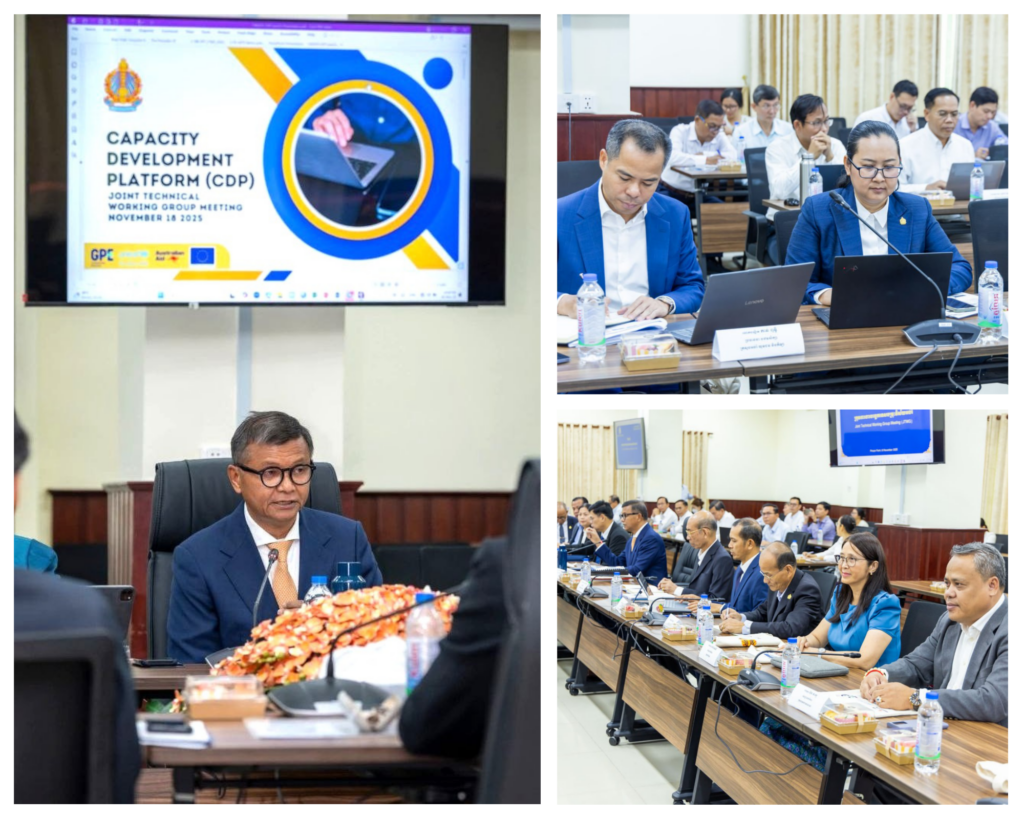
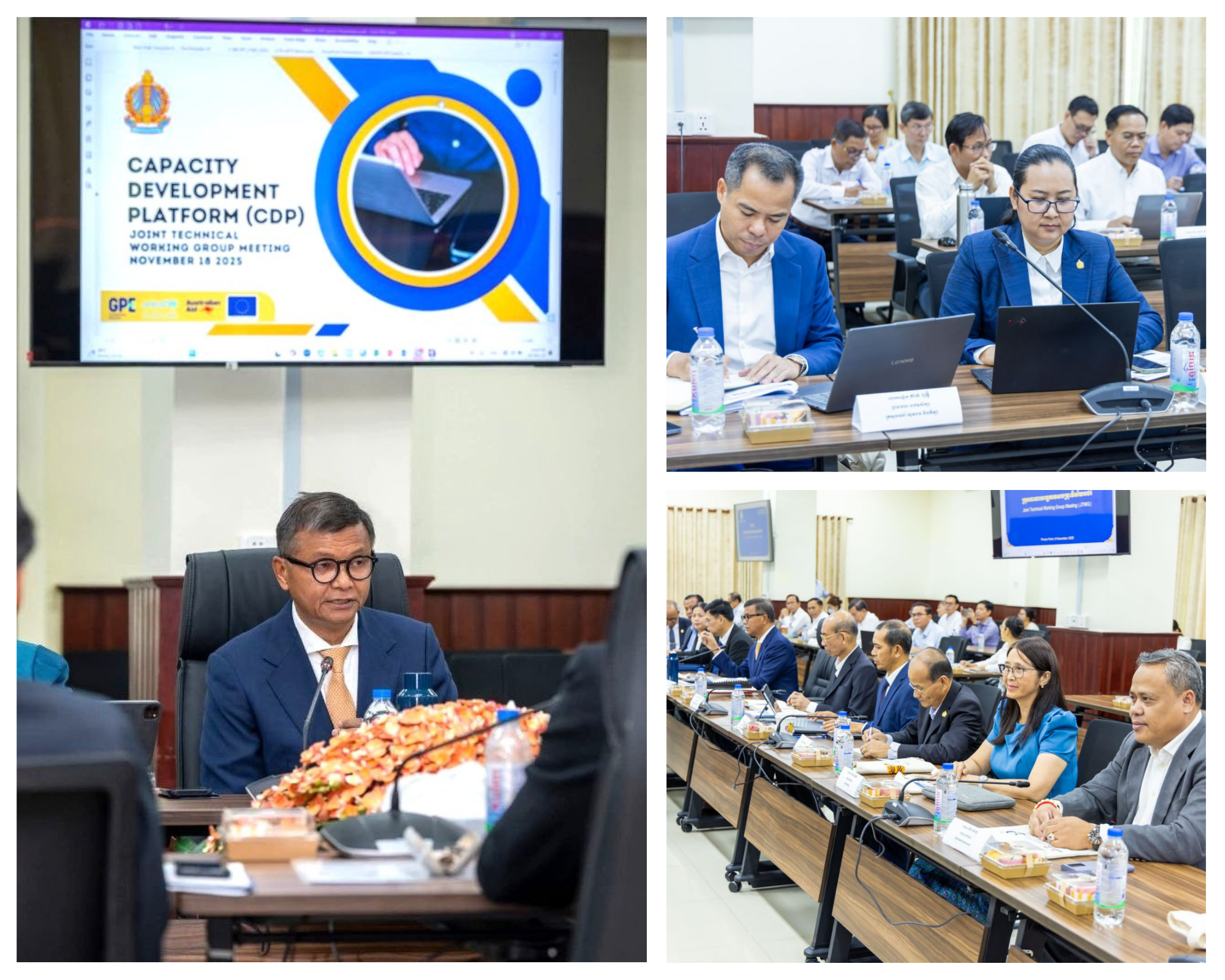
In a landmark move for the Southeast Asian educational landscape, the Cambodian Ministry of Education, Youth, and Sport (MoEYS), in close coordination with UNICEF and technical partner World Education, officially inaugurated the Capacity Development Platform (CDP) in November 2025. This digital infrastructure represents a pivotal shift in how the Kingdom of Cambodia approaches the professional lifecycle of its educators, offering a centralized, accessible, and accredited ecosystem for continuous learning. Funded through a multi-lateral partnership involving the Global Partnership for Education (GPE), the European Union (EU), and the Australian Department of Foreign Affairs and Trade (DFAT), the CDP is designed to bridge the urban-rural divide by providing high-quality pedagogical resources to teachers regardless of their geographical location.
The launch of the CDP comes at a critical juncture as Cambodia seeks to modernize its economy and workforce in alignment with its "Pentagonal Strategy." By prioritizing the digital literacy and professional standards of its teaching force, the government aims to catalyze an improvement in student learning outcomes across the nation’s primary and secondary schools. The platform is not merely a repository of digital content but a sophisticated management system that integrates directly into the national framework for teacher qualifications and career progression.
A Strategic Timeline of Digital Transformation
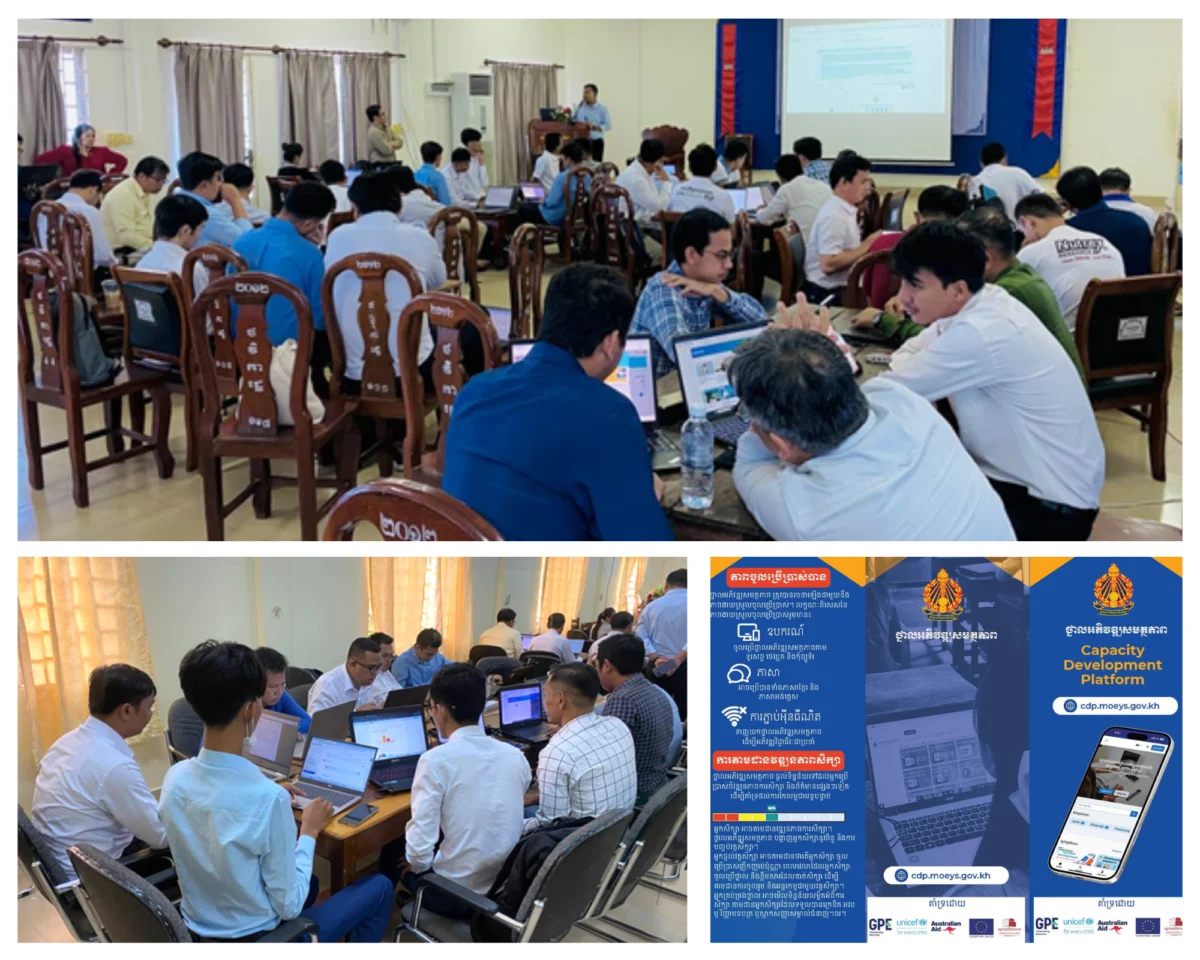
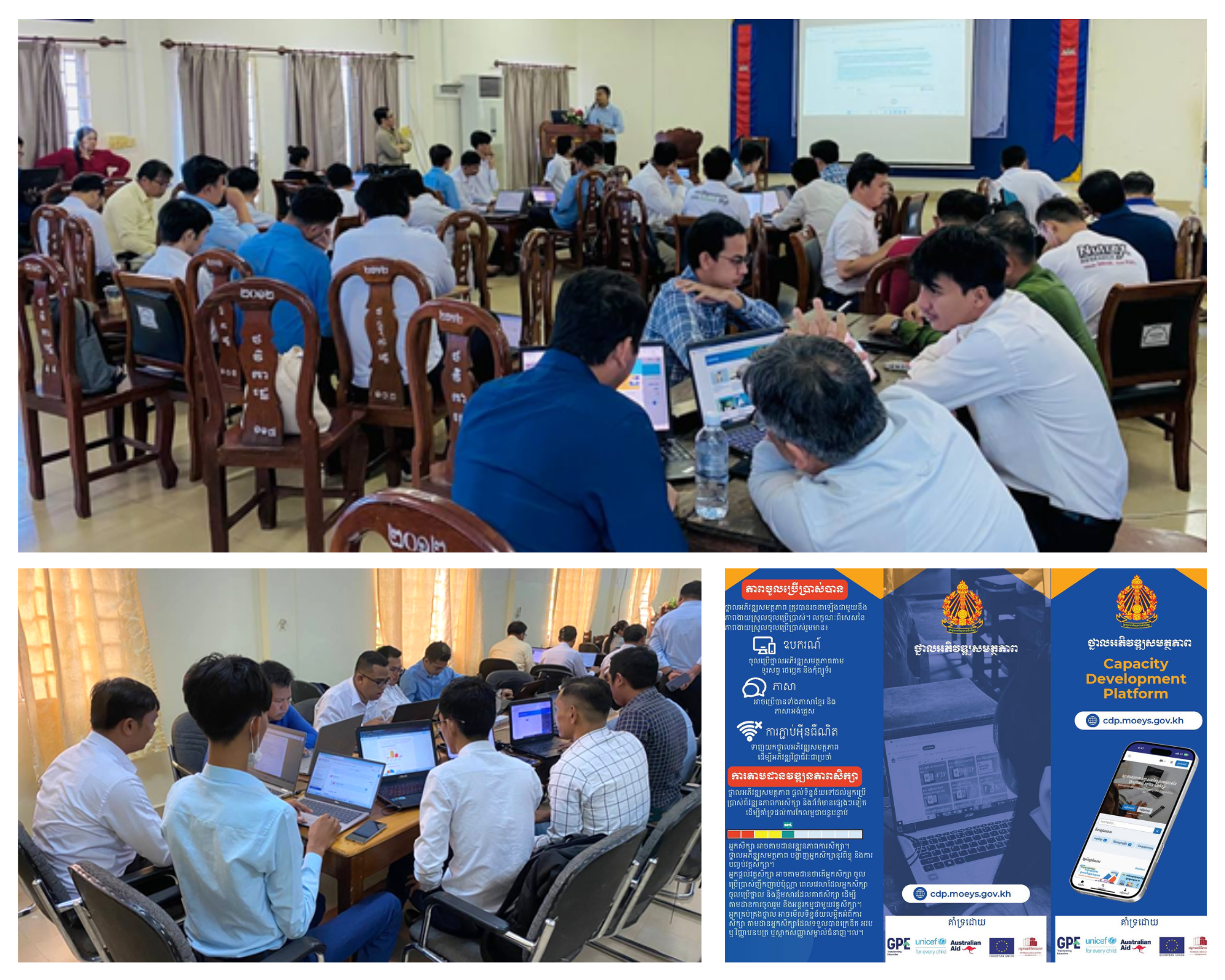
The journey toward the November 2025 launch was characterized by extensive consultation and technical groundwork. Recognizing that top-down technological impositions often fail to gain traction, World Education—an initiative of JSI—led a co-design process that began years prior. A significant milestone in this timeline occurred in May 2025, when MoEYS staff and educators gathered for a series of intensive capacity-building workshops held on May 5-6 and May 19-20.
These workshops served as the "stress test" for the platform’s interface and curriculum. During these sessions, educators from various provinces provided feedback on the platform’s usability, ensuring that the final product would be intuitive for users with varying levels of digital proficiency. This period of iterative development was essential for aligning the platform’s technical capabilities with the practical realities of the Cambodian classroom.
By the time the platform reached its official launch in November, it had already undergone rigorous security audits and technical refinements. The transition of ownership to the MoEYS Department of Digital Transformation marked the final phase of the initial rollout, ensuring that the Cambodian government possesses the internal capacity to maintain, secure, and scale the system without indefinite reliance on external consultants.
Human-Centered Design for Local Realities
One of the most distinctive features of the CDP is its adherence to human-centered design principles. In many developing contexts, digital platforms fail because they assume high-speed internet and high-end hardware. World Education and MoEYS took the opposite approach, acknowledging that many Cambodian educators access the internet via smartphones and often deal with low-bandwidth connections in remote provinces like Ratanakiri, Mondulkiri, and Preah Vihear.
The CDP was built to be "smartphone-first," featuring an interface optimized for mobile viewing and a backend designed to function efficiently even on 3G or unstable 4G networks. This inclusivity ensures that a teacher in a remote floating village on the Tonle Sap has the same access to professional growth as a teacher in a well-funded school in Phnom Penh.
Furthermore, the platform addresses the "digital skills gap." Rather than assuming all teachers are tech-savvy, the CDP includes built-in tutorials and a robust user-support system. This approach recognizes that technology is a tool to empower people, not a replacement for human-centric pedagogy. By lowering the barrier to entry, the MoEYS has ensured that the platform is an enabling force rather than a source of frustration for the workforce.
Institutional Integration and Career Progression
The CDP is unique in that it is not a "parallel" or "add-on" system. From its inception, it was integrated into the existing institutional frameworks of the MoEYS. This means that the professional development credits earned through the platform are officially recognized and linked to the national career pathway for teachers.
In the past, teachers often had to travel long distances to provincial capitals or the national capital to attend workshops, often at their own expense or at the cost of classroom time. The CDP digitizes this process, allowing teachers to upgrade their qualifications through online and blended learning modules. This integration ensures sustainability; because the platform is tied to promotions and salary increments, teachers have a tangible incentive to engage with the content and complete their courses.
To manage this complex ecosystem, a dedicated government governance group was established. This group oversees the quality of the content, ensures the security of user data, and manages the accreditation process. By embedding the CDP within the Department of Digital Transformation, the MoEYS has signaled that digital education is a permanent pillar of the national strategy, not a temporary project.
Quantifiable Impact and Early Success Stories
The impact of the CDP was immediate and measurable. Since its launch, the platform has seen an unprecedented rate of adoption among the Cambodian teaching corps. Current data indicates that more than 44,000 users have registered on the platform, representing a significant portion of the nation’s teaching force. Of these, over 23,000 educators have already enrolled in accredited courses, ranging from early grade reading methodologies to advanced Information and Communication Technology (ICT) for teaching and learning.
The success of the ICT modules has been particularly noteworthy. As Cambodia pushes for greater digital literacy among its youth, teachers must first master these tools themselves. Mrs. Proeut Sanh, a primary school teacher from the Kralanh District in Siem Reap Province, shared her experience with the ICT course, noting that it has fundamentally changed her classroom dynamic. "The course strengthened my knowledge and practical skills in using digital tools and AI for lesson planning," she stated. "It has made my students more active and participatory in the classroom, as I can now bring more dynamic content to our daily lessons."
This testimonial highlights the "multiplier effect" of the CDP. When one teacher gains digital fluency, hundreds of students benefit from a more engaging and modern educational experience. The inclusion of Artificial Intelligence (AI) training in the curriculum also positions Cambodian teachers at the forefront of global educational trends, preparing them to guide students through an increasingly AI-driven world.
International Cooperation and Funding Synergy
The development of the CDP serves as a model for effective international cooperation. The funding structure—a blend of grants and strategic support from the GPE, EU, and DFAT—demonstrates a unified commitment by the international community to Cambodia’s educational future.
The Global Partnership for Education has been a long-term partner in Cambodia’s quest to improve basic education, while the European Union has focused heavily on the systemic strengthening of government institutions. Australia’s DFAT has contributed significant expertise in regional educational standards and rural development. By pooling these resources, the MoEYS was able to build a world-class platform that might have been out of reach through a single-funder model.
UNICEF’s role as a facilitating partner ensured that the project remained focused on the ultimate beneficiaries: the children. By improving teacher quality, UNICEF and its partners are addressing the root causes of educational inequality. World Education’s technical leadership provided the bridge between high-level policy goals and the technical realities of software development and user experience design.
Strategic Analysis: The Future of Cambodian Education
The launch of the CDP is likely to have long-lasting implications for the Cambodian education sector. First, it provides the MoEYS with unprecedented data on teacher performance and professional needs. Through the platform’s analytics, the Ministry can identify which provinces are lagging in certain competencies and deploy targeted resources accordingly. This data-driven approach to governance is a hallmark of modern education systems.
Second, the CDP sets the stage for a permanent "blended learning" model. While digital platforms are powerful, they are most effective when combined with in-person mentoring. The MoEYS is already developing new modules that use the CDP for the theoretical components of teacher training, followed by practical, in-person workshops. This hybrid approach maximizes the efficiency of digital tools while maintaining the essential human connection of the teaching profession.
Looking ahead, the platform is expected to expand its course offerings. New modules are currently in development to help teachers meet mandatory standards as part of the national in-service teacher qualification upgrading program. As the platform evolves, it may also expand to include resources for school administrators and vocational trainers, further broadening its impact on the nation’s human capital.
Conclusion: A Milestone in Digital Sovereignty
The Capacity Development Platform represents more than just a technological achievement; it is a milestone in Cambodia’s journey toward digital sovereignty and educational excellence. By co-designing a system that fits the local context, integrating it into national law, and training a new generation of digital administrators, Cambodia has created a sustainable engine for professional growth.
As H.E. Dr. Hang Chuon Naron, Deputy Prime Minister and Minister of MoEYS, noted during the launch, the platform empowers educators with the tools and knowledge they need to inspire the next generation. In doing so, the CDP is not only transforming the careers of 44,000 teachers but is also laying the foundation for a more prosperous, digitally literate, and equitable Cambodia. The success of this initiative will likely serve as a case study for other nations in the region and throughout the developing world, proving that with the right partnerships and a human-centered approach, digital transformation is not just possible—it is transformative.