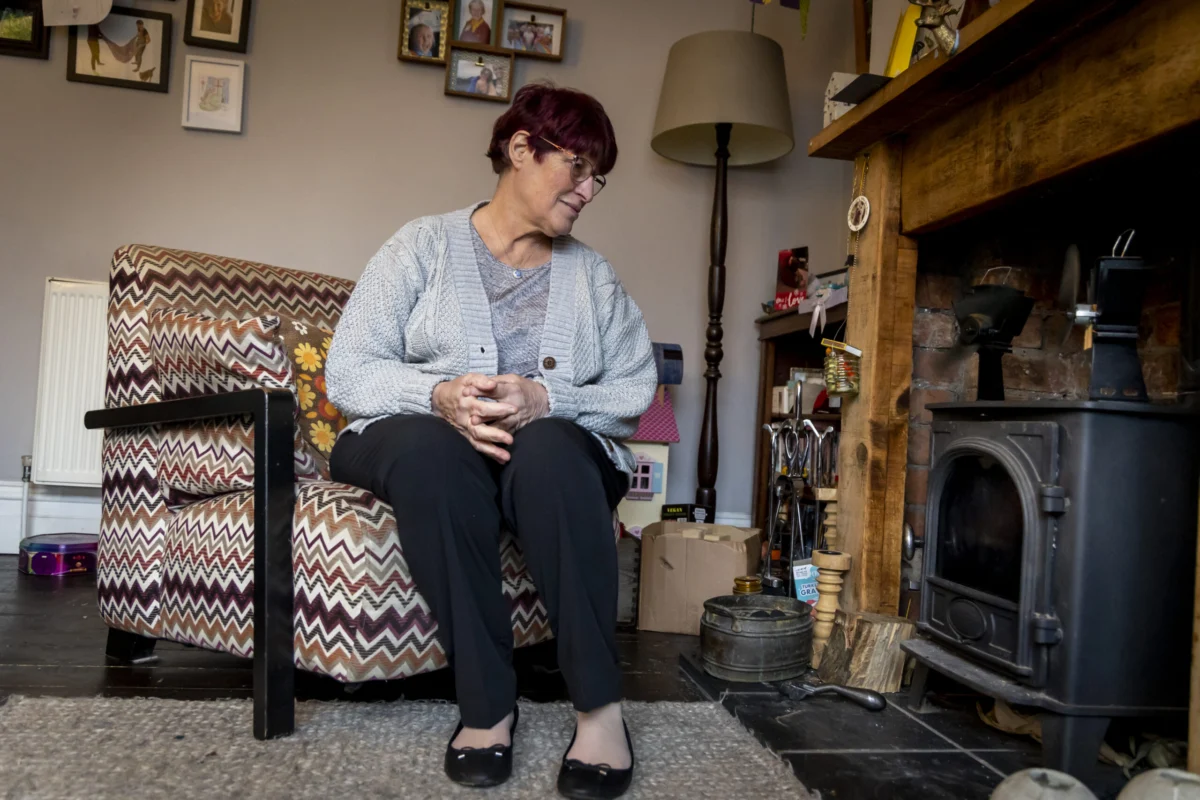
The 2024 general election campaign has entered a critical phase as advocacy groups and civil society organizations scrutinize the manifestos of Ireland’s political parties. Among the most vocal is Age Action, the nation’s leading advocacy organization for older people, which has issued a stark warning regarding the marginalization of older citizens in political discourse. As the first weeks of the campaign unfold, the organization is calling on all candidates and parties to provide concrete, actionable plans to address the systemic challenges facing the aging population. The demand is not merely for inclusion in campaign rhetoric but for a fundamental shift toward a rights-based approach to aging that ensures equality, dignity, and the eradication of ageism within the state’s legislative framework.
Dr. Nat O’Connor, Senior Policy Adviser at Age Action, has highlighted a significant disconnect between the demographic weight of older voters and the attention they receive from political leadership. According to recent electoral data, nearly one in three voters in this general election will be aged 60 or older. Despite this substantial presence, feedback from Age Action’s members suggests a profound sense of exclusion. Older people across the country have reported that they have yet to hear a meaningful discussion regarding policies that directly impact their lives, leading to a widespread sentiment that politicians do not take their concerns seriously or accord them the respect they deserve as active participants in Irish democracy.
The Demographic Shift and the 20-Year Horizon
The urgency of Age Action’s appeal is underscored by the demographic reality currently facing the Republic of Ireland. At present, there are over one million residents aged 60 or older, a cohort that includes approximately 185,000 individuals aged 80 or older. This demographic profile is not static; rather, it represents the beginning of a significant societal transformation. Projections indicate that within the next twenty years, the number of older people in Ireland will nearly double. This shift will result in a significantly higher proportion of citizens in advanced older age, a group that traditionally requires more intensive support from the state in terms of health and social care, specialized housing, and accessible transport systems.
Age Action contends that the current political landscape lacks the long-term strategic vision necessary to prepare for this eventuality. The organization argues that the failure to plan for a doubling of the older population is not only a failure of governance but a looming crisis for the entire social contract. "None of the parties seem to be planning long-term to meet this eventuality," Dr. O’Connor stated, emphasizing that the lack of foresight should be a concern for all citizens, regardless of their current age, as the quality of the state’s aging infrastructure will eventually impact everyone.
Chronology of the 2024 Election and Aging Policy
The 2024 general election follows a period of significant economic volatility and social change in Ireland. Over the last four years, the country has navigated the aftermath of the COVID-19 pandemic, a cost-of-living crisis driven by global inflation, and a chronic housing shortage. For older people, these macro-level events have had specific, often debilitating, consequences.
The timeline leading up to the current campaign shows a gradual accumulation of grievances among the older population. In 2022 and 2023, while government budgets provided one-off cost-of-living payments, advocacy groups argued that these temporary measures failed to address the underlying inadequacy of the State Pension. By early 2024, the debate over the pension age and the sustainability of the Social Insurance Fund dominated headlines, yet the lived experience of those already in retirement often remained secondary to fiscal abstractions.
As the 2024 campaign officially commenced, the focus of the main political parties shifted heavily toward housing for younger generations and childcare costs. While these are universally recognized as critical issues, Age Action notes that the specific housing needs of older people—such as "right-sizing" options and assisted living facilities—have been largely omitted from the conversation. The first two weeks of the campaign have seen various televised debates and manifesto launches, yet the "one in three" voters over 60 have found themselves searching for policies that address their unique vulnerabilities, such as digital exclusion and the accessibility of essential services.
Economic Pressures and the State Pension
A primary concern identified by Age Action is the increasing difficulty older people face in making ends meet on the State Pension. While the pension is often viewed as a fixed safety net, its purchasing power has been eroded by the rising costs of energy, food, and healthcare. The organization has long advocated for the benchmarking of the State Pension to a level that ensures a "Minimum Essential Standard of Living" (MESL).
Supporting data from the Vincentian Foundation for Social Justice suggests that for many older households, particularly those in rural areas or those living alone, the current pension rate falls short of the income required to live with dignity. This economic strain is compounded by the fact that many older people do not have access to occupational pensions and are entirely dependent on the state. The lack of a clear commitment from political parties to index-link the pension to wages or inflation remains a point of contention that Age Action insists must be addressed before polling day.
The Challenge of Digital Exclusion
Beyond financial concerns, the "digital-first" approach adopted by both the public and private sectors has created a significant barrier for older citizens. Age Action has reported widespread frustration among its members regarding the difficulty of accessing banking, utilities, and even basic public services without being forced online.
While the state has moved toward digital transformation to increase efficiency, a substantial portion of the older population remains digitally excluded, either due to a lack of infrastructure in rural areas, the cost of technology, or a lack of digital literacy. The closure of physical bank branches and the removal of cash as a payment option in various venues have further marginalized those who are not comfortable with digital interfaces. Age Action is calling for a "right to an analog life," ensuring that those who cannot or choose not to use digital services are not penalized or denied access to essential societal functions.
Healthcare, Housing, and Transport Infrastructure
The anxieties of older voters are also rooted in the perceived frailty of the nation’s infrastructure. In healthcare, the focus on Sláintecare—Ireland’s ten-year plan for health reform—has yet to yield the necessary improvements in home care hours and community-based supports that would allow older people to age in place. The waiting lists for home care packages and the shortage of healthcare assistants have left many families struggling to provide the necessary care for their elderly relatives.
In terms of housing, the current market offers few incentives or options for older people to move from large, under-occupied family homes into more manageable, age-appropriate accommodation within their own communities. Age Action argues that a dedicated housing strategy for an aging population is essential to free up larger housing stock while ensuring that older people remain integrated into their neighborhoods.
Transport also remains a critical pillar of independence. In many parts of Ireland, the lack of reliable, accessible public transport effectively traps older people in their homes, leading to increased social isolation and a decline in mental and physical health. The organization is demanding a commitment to a universal design approach in all future transport and urban planning projects.
Official Responses and Political Landscape
While the major political parties—including Fine Gael, Fianna Fáil, and Sinn Féin—have included mentions of older people in their broader social policy frameworks, the level of detail has been criticized as insufficient. Government parties often point to the increases in the State Pension delivered in recent budgets as evidence of their commitment. However, opposition parties and advocacy groups argue that these increases are reactive rather than strategic.
In response to Age Action’s calls, some candidates have acknowledged the need for a senior cabinet minister for older people or a dedicated commissioner for aging, similar to the Ombudsman for Children. Such a role would be tasked with ensuring that all new legislation is "age-proofed" and that the rights of older people are protected across all government departments.
Broader Impact and Policy Implications
The implications of ignoring the needs of the older population extend far beyond the immediate electoral cycle. If the state fails to implement a rights-based approach to aging, the long-term consequences will include an overwhelmed healthcare system, a deepening of the housing crisis, and a fragmented social fabric where a significant portion of the population feels disenfranchised.
The "Ten Asks" put forward by Age Action for the 2024 general election serve as a roadmap for what a more inclusive society could look like. These asks include the abolition of mandatory retirement, the establishment of a statutory right to home care, and the implementation of a national strategy to combat ageism. By addressing these issues now, the next government can move toward a sustainable model of aging that recognizes the diversity and contribution of older people.
As the campaign enters its final weeks, the pressure on political parties to respond to Age Action’s challenge will likely intensify. With older people constituting a disciplined and high-turnout voting bloc, their influence could prove decisive in many constituencies. The demand from Age Action is clear: political parties must demonstrate that they take older people seriously, not just as a demographic to be managed, but as equal citizens with rights that must be upheld. The outcome of this election may well determine how Ireland navigates its demographic transition and whether it becomes a country that truly respects and supports all its citizens as they age.