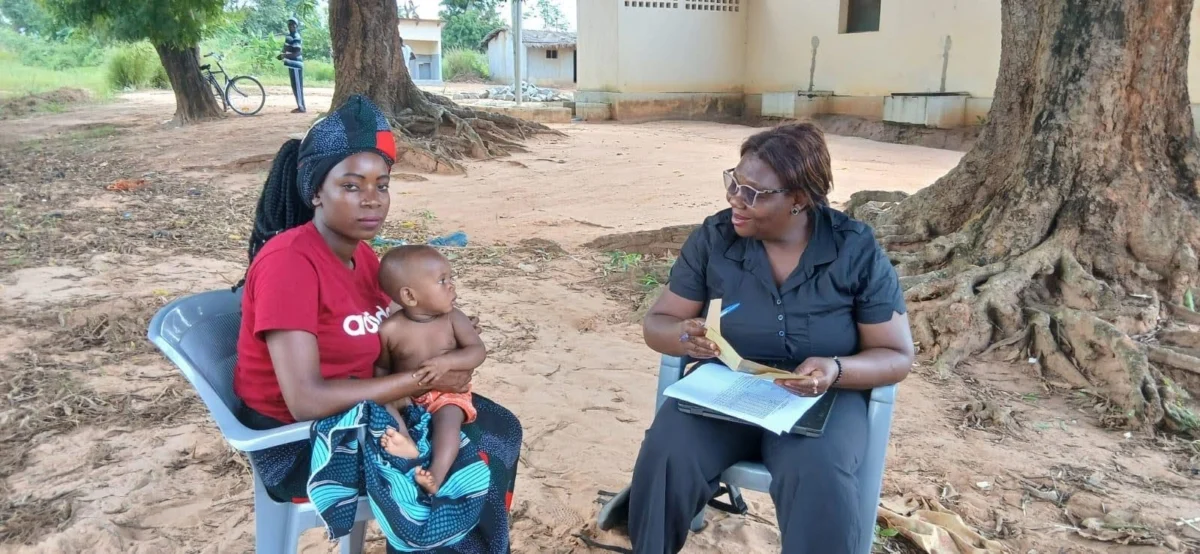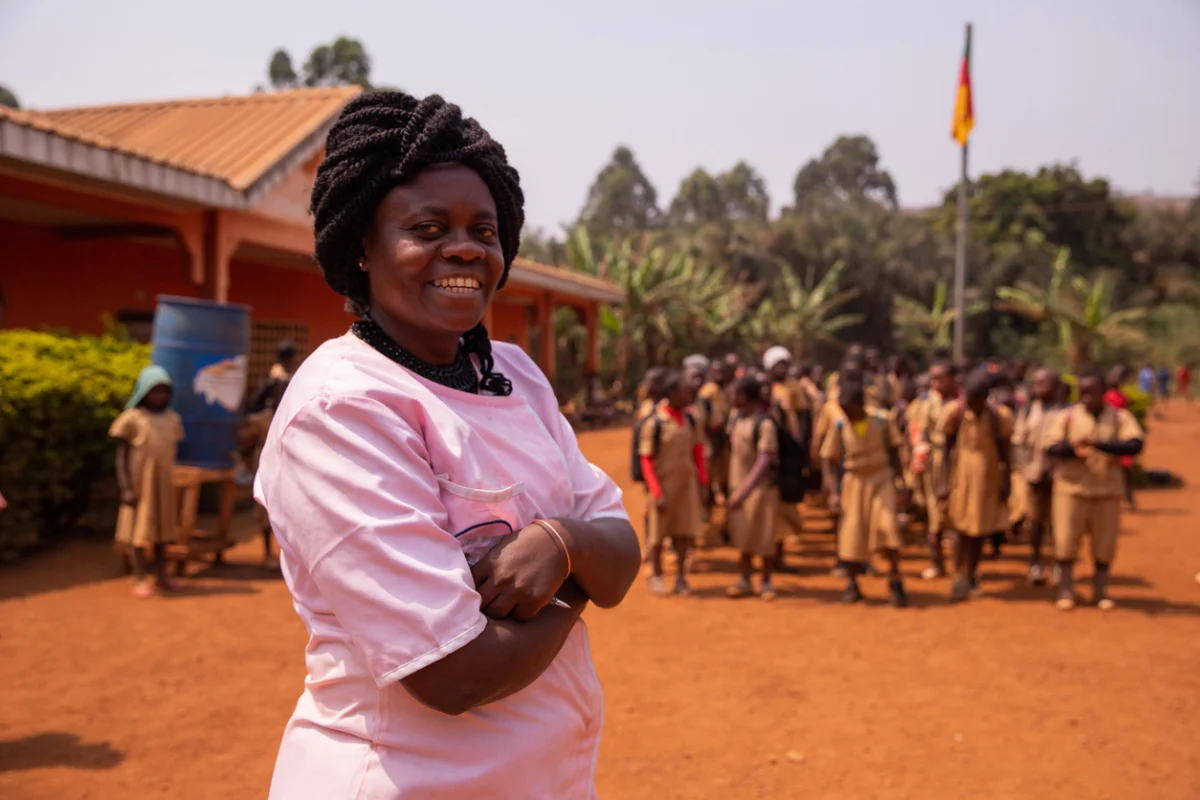
The Government of Mozambique’s National Youth Institute has officially designated World Education, an initiative of JSI Research & Training Institute, Inc., as the primary recipient of the Eu Sou Capaz (I Am Capable) Technical Assistance and Training Activity. This strategic partnership, backed by substantial financing from the World Bank, represents a pivotal component of the broader Empowering Adolescent Girls to Earn and Read (EAGER) vision. EAGER is a multi-country strategic framework designed to improve educational and economic outcomes for millions of girls and women across East and Southern Africa, specifically targeting Mozambique, Zimbabwe, and Madagascar. The Eu Sou Capaz activity is engineered to scale government-led interventions that directly tackle the complex web of social, economic, and behavioral factors currently driving high school dropout rates among adolescent girls in Mozambique. By focusing on systemic reform and community-level engagement, World Education aims to dismantle the structural obstacles that prevent girls from completing their education and transitioning into the productive workforce.
A Strategic Response to Mozambique’s Educational Challenges
The launch of the Eu Sou Capaz Technical Assistance and Training Activity comes at a critical juncture for Mozambique’s education sector. Despite significant strides in primary school enrollment over the last decade, the transition to and completion of secondary education remains a daunting hurdle for the nation’s female youth. Statistics from the World Bank and various United Nations agencies indicate that while primary enrollment is nearly universal, only a fraction of girls successfully navigate the transition to secondary school. Factors such as geographical distance to schools, lack of financial resources for supplies, and the heavy burden of domestic labor often force girls out of the classroom prematurely.
World Education’s role in this initiative is twofold. First, the organization will provide high-level technical assistance to the National Youth Institute to refine and implement social and behavior change (SBC) strategies. Second, it will lead capacity-building efforts to ensure that government systems are robust enough to manage and scale these interventions independently in the long term. This focus on sustainability is a hallmark of the JSI/World Education approach, which prioritizes "system strengthening" over temporary aid. By embedding technical expertise within the National Youth Institute, the program ensures that the Mozambican government remains the primary driver of change, fostering local ownership and long-term institutional resilience.
The EAGER Vision and Regional Synergy
The EAGER project, which provides the overarching framework for Eu Sou Capaz, is a $250 million regional initiative aimed at addressing the gender gap in education and earnings. In Mozambique, the program is specifically tailored to address the unique socio-cultural landscape of the country. The initiative recognizes that education does not exist in a vacuum; rather, it is inextricably linked to the economic health of a community and the agency afforded to its female members.
By aligning with the EAGER vision, the Eu Sou Capaz activity benefits from a regional exchange of data and best practices. While Mozambique faces specific challenges—such as the aftermath of climate-related disasters in provinces like Sofala and Cabo Delgado—it shares common hurdles with neighboring Zimbabwe and Madagascar, including high rates of early marriage and limited access to reproductive health education. The technical assistance provided by World Education will leverage regional insights to develop localized solutions that are both culturally sensitive and evidence-based.
Addressing the "Invisible Barriers" to Success
Obert Darara, JSI’s World Education Country Lead in Mozambique, emphasizes that the program’s philosophy goes beyond mere physical access to classrooms. "Eu Sou Capaz is about more than access—it is about removing the invisible barriers that stop girls from thriving," Darara stated during the program’s rollout. "By integrating social and behavior change with human-centered design, we are supporting the National Youth Institute to redesign systems around girls’ realities, ensuring enrollment leads to achievement."
These "invisible barriers" often include deeply entrenched socio-cultural norms that prioritize male education or view adolescent pregnancy as an inevitable rite of passage. In many rural Mozambican communities, gender-based violence (GBV) and the lack of menstrual hygiene management (MHM) facilities in schools also serve as significant deterrents. World Education’s approach utilizes human-centered design (HCD) to engage directly with the girls themselves, as well as their parents and community leaders, to identify exactly why they are leaving school. This data-driven methodology allows the program to tailor its material support—such as the provision of school kits, uniforms, and bicycles—to the specific needs of the population.
Pilot Programs and Community Leader Mapping
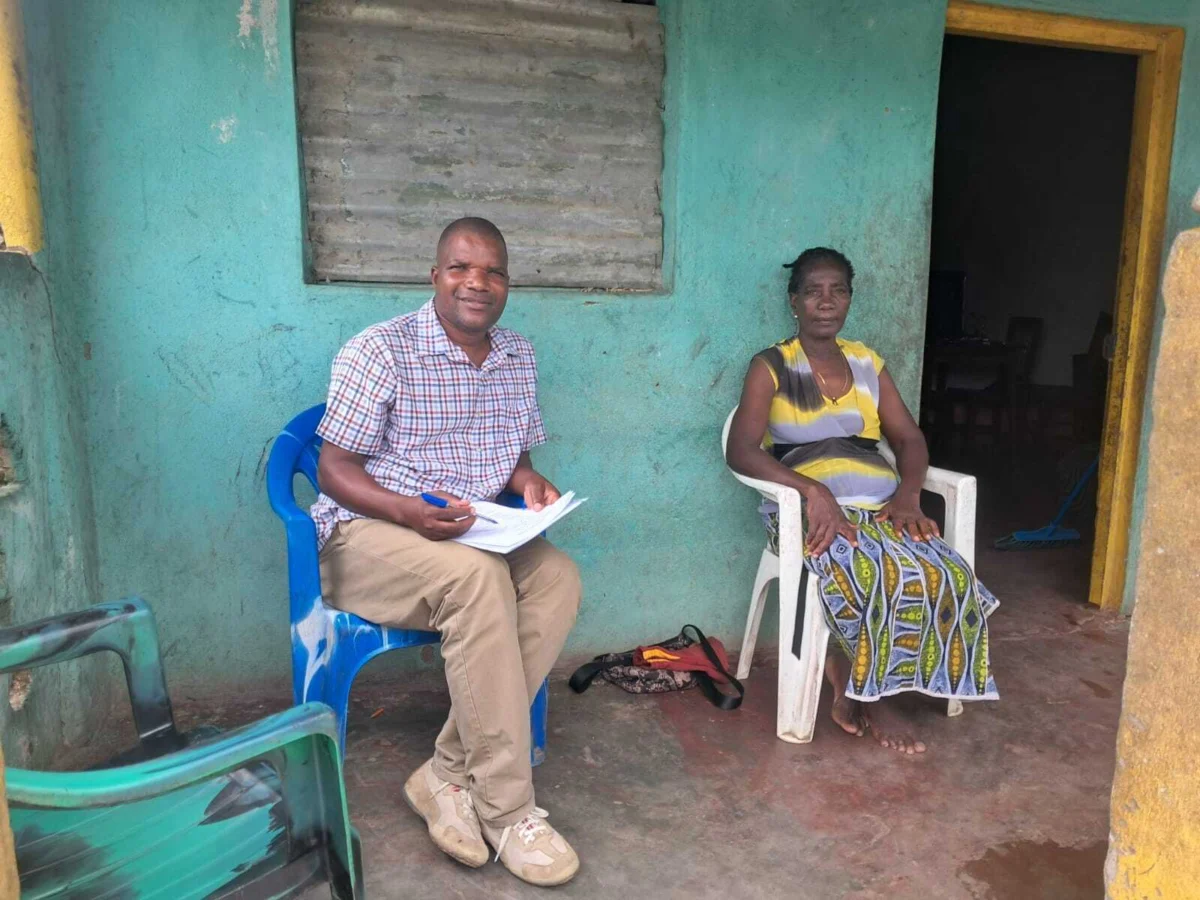
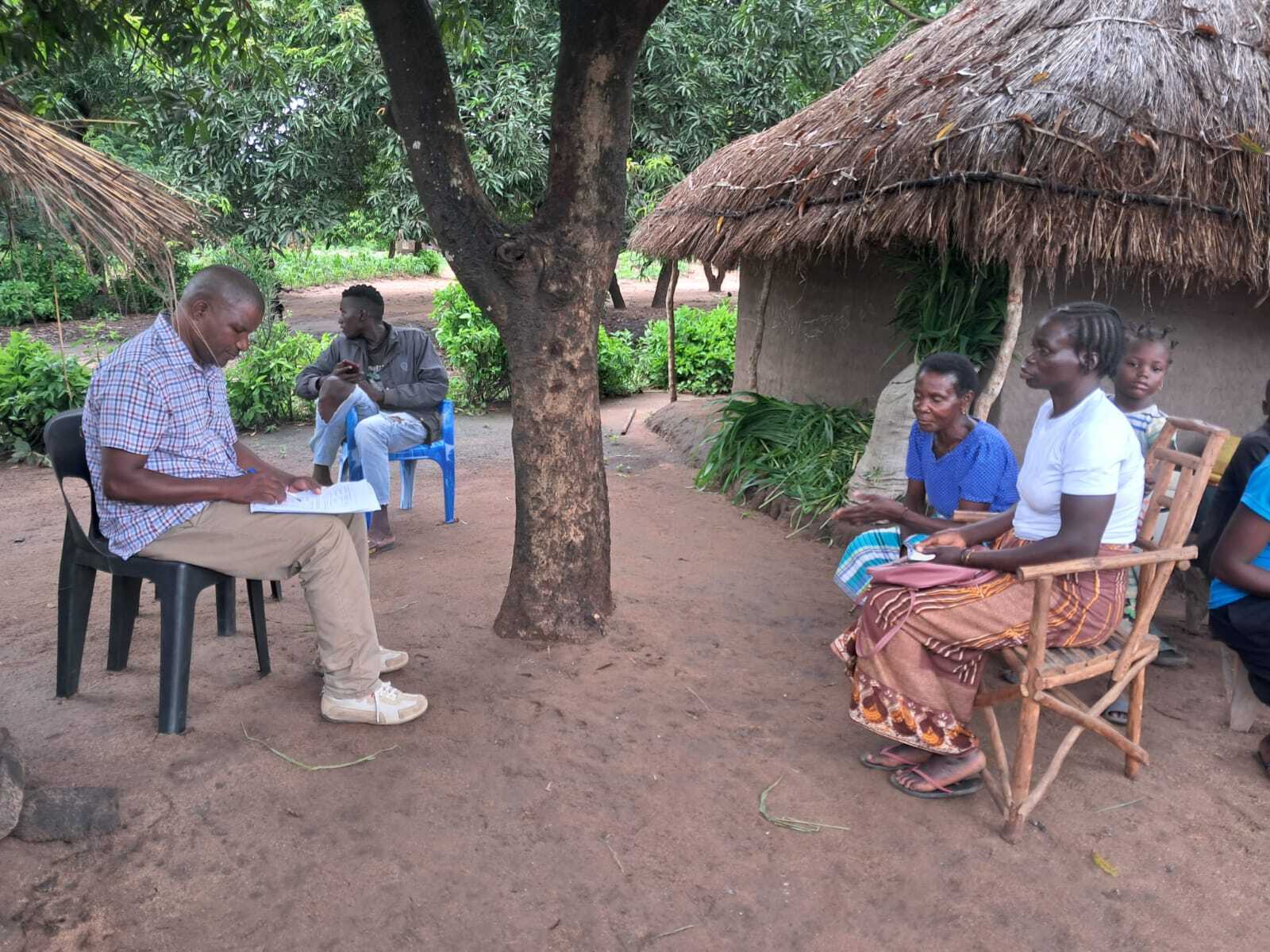
A cornerstone of the current phase of the project is the pilot of the Community Leader Mapping Tool. Recently, Alberto Domingos and other team members from World Education conducted extensive one-on-one interviews with community leaders in the Sofala Province. This province was chosen for its strategic importance and its history of resilience following natural disasters, which often exacerbate school dropout rates as families lose their livelihoods.
The Community Leader Mapping Tool is designed to identify influential figures within a village—including traditional chiefs, religious leaders, and matriarchs—who can serve as "education champions." By securing the buy-in of these gatekeepers, World Education and the National Youth Institute can more effectively challenge harmful norms, such as child marriage, and promote the long-term benefits of keeping girls in school. The pilot in Sofala has already provided invaluable data on how local power structures influence educational decisions, allowing the project to refine its community mobilization strategies before scaling them nationwide.
Data-Driven Impact and the 15-Year Legacy
The Eu Sou Capaz model is not a new experiment; it is the culmination of World Education’s 15-year history of impactful work in Southern Africa. Over the past decade and a half, the organization has developed a sophisticated suite of tools and methodologies that have been proven to increase retention rates and improve literacy outcomes.
To date, World Education’s regional efforts have successfully reached hundreds of thousands of learners. The organization has established a track record of:
- Developing Transformative Life-Skills Curricula: These programs teach adolescent girls about their rights, financial literacy, and reproductive health, empowering them to make informed decisions about their futures.
- Implementing Data Collection Systems: Utilizing mobile technology to track student attendance and performance in real-time, allowing for rapid intervention when a girl is at risk of dropping out.
- Strengthening Government Capacity: Training thousands of civil servants and educators in gender-sensitive pedagogy and school management.
By applying this extensive experience to the Eu Sou Capaz activity, World Education ensures that the program is not only nationally scalable but also highly responsive to the nuances of individual Mozambican communities. The use of data is particularly crucial in a country as diverse as Mozambique, where linguistic and cultural differences between the northern, central, and southern regions require a flexible approach to program implementation.
Economic Implications and Long-Term Goals
The broader implications of the Eu Sou Capaz initiative extend far beyond the classroom. There is a direct correlation between female education and national economic growth. According to World Bank research, every additional year of secondary education can significantly increase a girl’s future earning potential and reduce the likelihood of her living in extreme poverty. Furthermore, educated women are more likely to have smaller, healthier families and to invest a higher percentage of their income back into their children’s education and health, creating a "multiplier effect" that can lift entire communities out of poverty.
In Mozambique, where the economy is striving to diversify beyond extractive industries, a skilled and educated female workforce is essential for long-term stability. The Eu Sou Capaz activity aims to prepare girls not just for graduation, but for meaningful participation in the labor market. This includes vocational training and the development of "soft skills" like leadership and problem-solving, which are highly valued by employers in both the public and private sectors.
Institutional Responses and Collaborative Governance
The partnership between the National Youth Institute and World Education has been met with positive responses from various international development stakeholders. The World Bank, as the primary financier, has underscored the importance of the technical assistance component. By providing the Government of Mozambique with high-level expertise, the project mitigates the risks associated with large-scale program implementation and ensures that funds are utilized effectively to reach the most vulnerable populations.
Furthermore, the initiative aligns with the Mozambique Government’s Five-Year Plan, which prioritizes human capital development and gender equality. The National Youth Institute has expressed its commitment to using the Eu Sou Capaz platform to create a more inclusive environment for the nation’s youth, ensuring that no girl is left behind due to her socio-economic status or geographical location.
Conclusion: A New Chapter for Mozambican Girls
As the Eu Sou Capaz Technical Assistance and Training Activity moves into its next phase of implementation, the focus remains on the girls of Mozambique. The combination of World Education’s technical expertise, the World Bank’s financial backing, and the National Youth Institute’s political will creates a powerful synergy capable of driving lasting change.
By addressing the root causes of school dropout—ranging from harmful socio-cultural norms to the lack of material support—the initiative is paving the way for a generation of Mozambican women who are truly "capable" (Capaz) of shaping their own destinies. The ongoing work in provinces like Sofala serves as a blueprint for a nationwide transformation, one where every girl has the opportunity to read, learn, and earn. Through rigorous data analysis, community-led mobilization, and a commitment to human-centered design, World Education and its partners are not just building schools; they are building a more equitable and prosperous future for all Mozambicans.