June 9, 2026
By HIAS Staff
The European Union stands at a critical juncture as the comprehensive EU Pact on Migration and Asylum officially takes effect on June 12, 2026. This landmark legislation, debated for years, aims to overhaul the bloc’s approach to managing migration and asylum, promising greater efficiency and shared responsibility among member states. However, as the Pact is implemented, human rights organizations and advocates express profound concerns about its potential impact on the fundamental rights of individuals seeking safety and protection within Europe, particularly in the context of rising xenophobia and politically charged debates surrounding immigration.
Context: A Continent Grappling with Displacement
The impetus for a new EU migration framework is deeply rooted in the significant influx of displaced populations into Europe over the past decade. The Syrian civil war, commencing in 2011, triggered a massive exodus, forcing millions to seek refuge across the continent. This surge, while a humanitarian imperative, also ignited intense political debates and social anxieties within many European nations. Consequently, various political factions have, at times, exploited anxieties surrounding refugees, asylum seekers, and immigrants to gain electoral advantage, leading to the erosion of protections for those fleeing violence and persecution.
Despite the prevalent narrative of overwhelming numbers, current data from the UNHCR reveals a more nuanced picture. As of the latest available figures, Europe hosts approximately 20 million displaced people. This figure, while substantial, pales in comparison to the global total of 117 million individuals requiring safety worldwide. Crucially, the majority of these displaced persons are either internally displaced within their own countries or reside in neighboring middle- and low-income nations, underscoring that Europe, while a significant destination, is not the primary host for the global refugee population.
Shifting Demographics and Declining Numbers
The landscape of displacement in Europe has undergone significant shifts. The large-scale displacement of millions of Ukrainians following Russia’s full-scale invasion in February 2022 marked a recent peak in asylum applications. By the end of 2025, an estimated 5.2 million Ukrainian refugees remained in Europe, constituting the largest group of displaced individuals on the continent. Following Ukrainians, the most significant populations seeking refuge in Europe hail from Venezuela, Afghanistan, and Syria.
However, an analysis of recent trends reveals a notable decline in overall asylum applications and irregular border crossings in the years preceding the Pact’s implementation. Following the 2022 peak, the number of refugees and asylum seekers in the EU has been trending downwards. Irregular border crossings, a key metric often highlighted in political discourse, also saw a significant decrease, with approximately 239,000 cases recorded in 2024. This downward trend is further substantiated by Eurostat data, which indicated a 27% decrease in first-time asylum applicants in the EU in 2025 compared to the previous year, with a total of 669,400 applications.
Interestingly, Venezuelan nationals have emerged as the largest group of asylum seekers within the EU. Spain has become a primary destination for these individuals, now hosting the largest number of asylum applicants. Despite persistent anti-refugee sentiments, the reality on the ground shows a concentration of asylum applications within a few key member states. Spain, Germany, Italy, France, and Greece collectively account for a significant 83% of all first-time asylum applications. This concentration highlights the uneven distribution of asylum responsibilities and the enduring challenges of equitable burden-sharing among member states.
The 1951 Refugee Convention and Emerging Challenges
The foundational principles of asylum protection in Europe are anchored in the 1951 Refugee Convention, a pivotal international treaty born from the devastation of World War II and the ensuing mass displacement. The Convention establishes a clear framework for identifying individuals who are refugees and outlines their rights. The core tenet is the principle of non-refoulement, which prohibits the return of refugees to territories where their life or freedom would be threatened.
Despite the historical lessons embedded in the Convention, recent years have witnessed a growing trend of legislative and policy shifts within the EU that human rights advocates argue risk undermining these established protections. The EU Pact on Migration and Asylum is at the forefront of these concerns. Critics contend that the Pact’s provisions could lead to increased detention of asylum seekers, the return of vulnerable individuals to countries where they face persecution, and a general curtailment of the rights afforded to those seeking safety.
The Pact introduces accelerated asylum procedures at the EU’s external borders. While proponents argue this will expedite processing and reduce backlogs, critics fear it will lead to more individuals being denied asylum, even if they would typically qualify for protection under existing laws. Furthermore, the Pact establishes a controversial concept of "safe countries," allowing for the return of individuals to these designated nations, irrespective of their specific risk of persecution. This provision raises serious questions about the thoroughness of individual risk assessments and the potential for sending people back to danger.
Barriers to Protection and the Perils of the Journey
Individuals seeking asylum in the EU are theoretically entitled to remain in the bloc while their applications are processed. However, the reality on the ground often falls short of these legal guarantees. Many asylum seekers experience prolonged periods of detention or are forced to reside in substandard living conditions, exacerbating their vulnerability. In some border regions, reports of individuals being denied their fundamental right to seek asylum and subjected to illegal "pushbacks" persist, a practice that contravenes international and EU law.
Adding to these challenges, member states have been increasingly criticized for shirking their resettlement obligations. Resettlement programs offer a vital legal pathway to safety for refugees identified by the UNHCR as needing protection, providing an alternative to dangerous irregular journeys. The decline in these commitments leaves many vulnerable individuals with no safe or legal avenues to reach Europe.
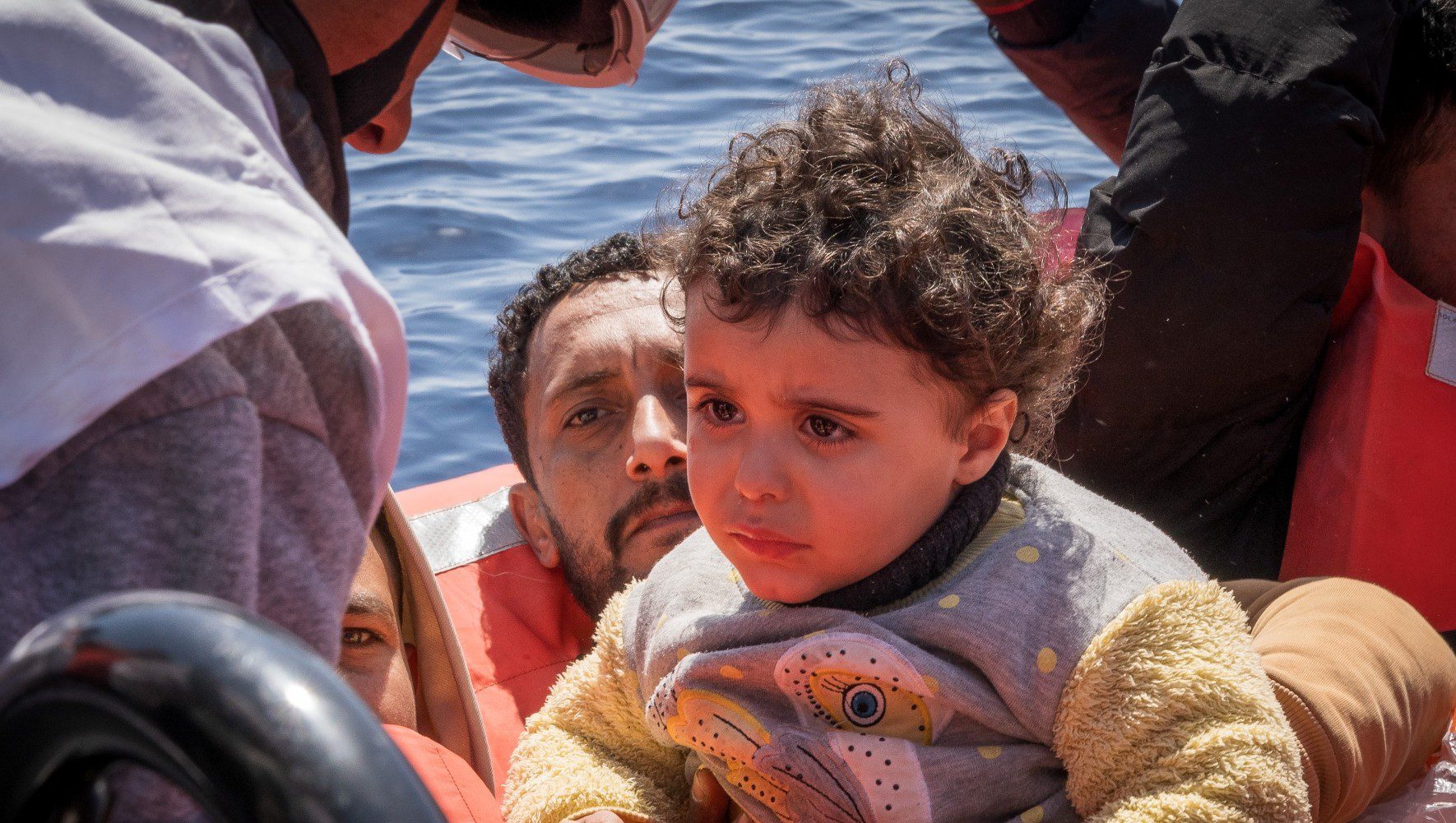
The perilous nature of irregular migration routes, particularly across the Mediterranean Sea, is starkly illustrated by tragic statistics. Since 2014, an estimated 34,000 people have died or gone missing attempting to cross the Mediterranean. The image of a child being rescued from a boat in the Mediterranean on March 16, 2024, by a Doctors Without Borders vessel, which rescued over 170 individuals, serves as a poignant reminder of the immense risks undertaken by those desperate for safety. Between 2,000 and 3,000 migrants and asylum seekers are estimated to perish or disappear annually while attempting this crossing.
The EU Pact on Migration and Asylum: Implications and Advocacy
The EU Pact on Migration and Asylum, set to take effect on June 12, 2026, is designed to address perceived shortcomings in the EU’s migration system. Its stated objectives include strengthening external border controls, streamlining asylum procedures, facilitating returns of those not granted protection, and promoting a more equitable distribution of responsibilities among member states. However, the Pact also reflects a heightened political emphasis on deterring irregular arrivals and enhancing border security.
Potential consequences of the Pact, as outlined by various watchdog organizations, include the increased use of detention facilities, heightened pressure on frontline member states, and a greater reliance on emergency measures that could compromise human rights. Despite these concerns, proponents of the Pact argue that it provides a necessary framework for managing migration flows in a more orderly and controlled manner.
In the face of these developments, HIAS Europe is actively engaged in advocating for the rights of refugees and asylum seekers. The organization emphasizes that as the Pact is implemented, European countries remain bound by international human rights standards and European legal frameworks. HIAS Europe is urging member states to adopt an approach that prioritizes the safety, dignity, and well-being of asylum seekers.
HIAS’s Role in Europe
HIAS, a global humanitarian organization, has a significant presence in Europe through HIAS Europe. The organization actively manages humanitarian programming and supports Jewish communities, organizations, and activists across the EU in their efforts to welcome and integrate refugees. HIAS Europe endeavors to provide a distinct Jewish voice in the broader European discourse on forced displacement.
Through a combination of technical expertise and financial assistance, HIAS Europe empowers local Jewish communities to not only support refugees abroad but also to foster welcoming environments within their own communities. These initiatives often focus on building social cohesion, frequently through interfaith collaborations and community sponsorship models.
With established offices in Belgium and Greece, HIAS is strategically positioned to advocate for refugee rights and provide direct assistance to refugees. Furthermore, through partnerships with local organizations in Ukraine and Moldova, HIAS extends crucial support to Ukrainians displaced by the ongoing conflict.
The implementation of the EU Pact on Migration and Asylum marks a pivotal moment for refugee protection in Europe. As the continent navigates this evolving landscape, the commitment to humanitarian principles, adherence to international law, and the unwavering advocacy for the rights of those seeking safety will be paramount in ensuring that the pursuit of orderly migration does not come at the expense of human dignity and fundamental freedoms.
HIAS is a global Jewish non-profit organization that builds a world where refugees find safety, welcome, and opportunity. For more information on HIAS’s work in Europe, please visit https://hias.org/hias-eu/.