The recent Winter Bazaar season, a cornerstone initiative by Cultural Survival, has concluded another successful series of events, marking a vital intersection of cultural celebration, economic empowerment, and community connection for Indigenous Peoples worldwide. The Bazaars, designed to foster Indigenous livelihoods and cultural sustainability, provided a significant platform for artists and artisans to showcase their creations and connect directly with a global audience. This past winter, the program embraced the theme of renewal and the return of light, aligning with the winter solstice and the cyclical nature of Indigenous New Years. The events, held at historically significant and artistically vibrant venues, drew considerable participation from Indigenous vendors, staff, volunteers, interns, homestay hosts, performers, and the public, fostering a spirit of reciprocity and shared appreciation. The campaign’s call to "Shop Indigenous!" resonated strongly, garnering gratitude expressed in multiple languages, including "Yakoke," "Kutaputush," and "Gracias," underscoring the international reach and impact of the initiative.
Boston’s Historic Cyclorama: A Venue of Echoing Cycles
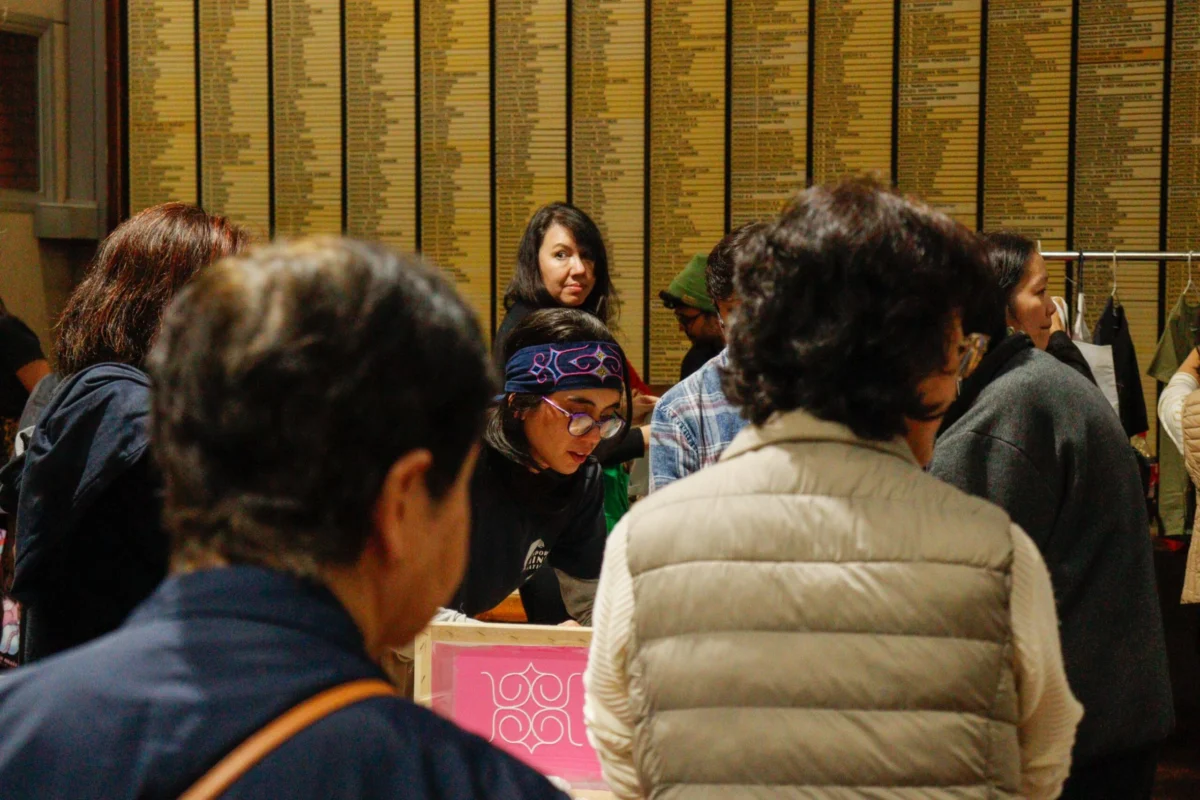
The first of the two major Winter Bazaars took place on December 13-14, 2025, at the iconic Cyclorama, located within the Boston Center for the Arts. This venue, with its profound historical significance, provided an elegant and evocative backdrop for the event. The supportive staff at the Cyclorama contributed to the seamless execution of the bazaar, while the circular architecture of the space itself became a thematic element, mirroring the cyclical rhythms of time, the year, and the natural world, which are central to many Indigenous cosmologies. The layout of the bazaar was thoughtfully designed to harmonize with this circular form, facilitating a natural and energetic flow of both attendees and participants throughout the expansive venue. This intentional design amplified the sense of continuity and interconnectedness that the Bazaars aim to cultivate.
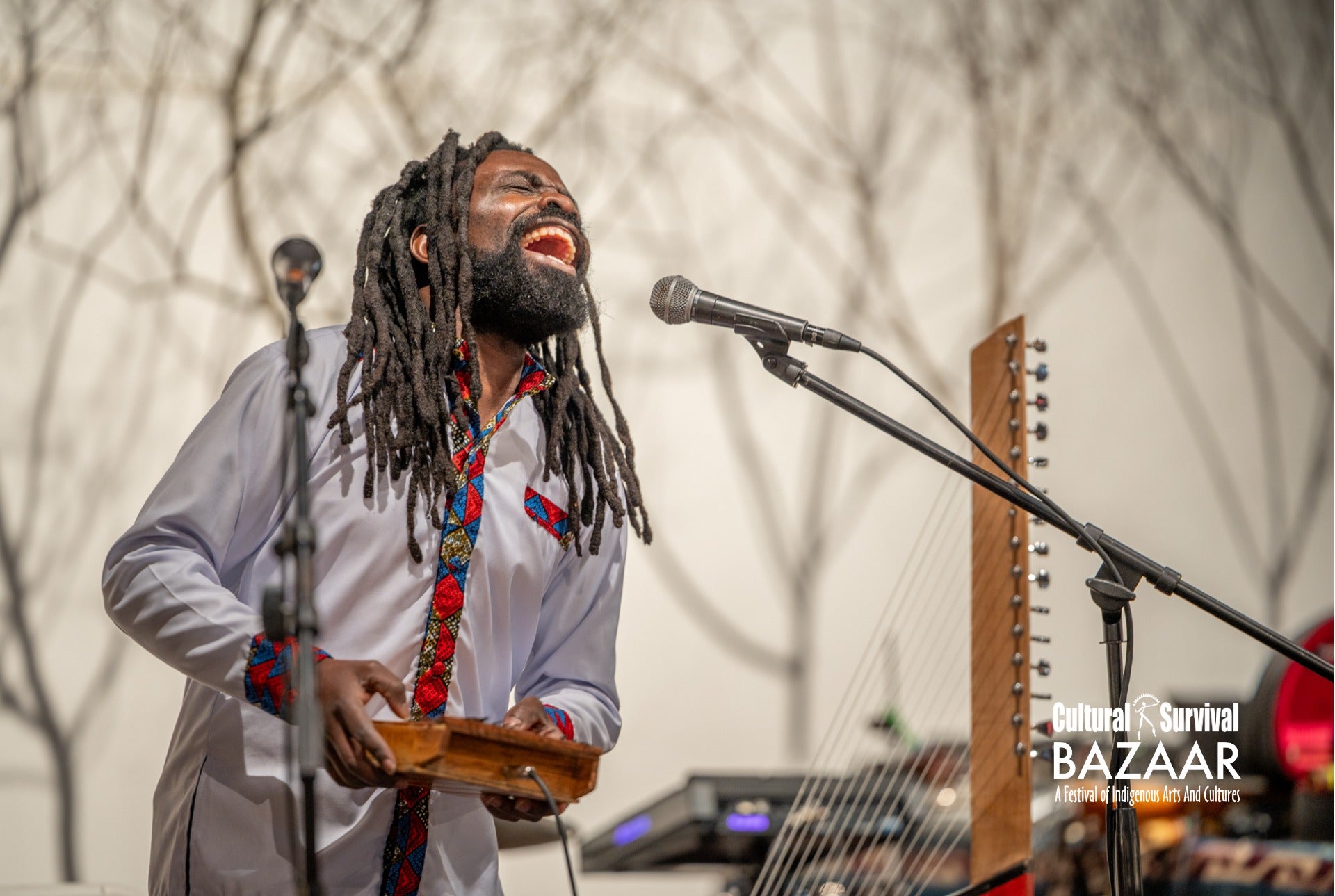
The choice of the Cyclorama, a building originally designed for panoramic paintings and now a space for artistic expression, underscored Cultural Survival’s commitment to integrating contemporary Indigenous art and culture within historical and culturally significant settings. The venue’s unique architectural features not only provided an aesthetically pleasing environment but also served as a subtle yet powerful reminder of the enduring nature of Indigenous traditions and their ability to adapt and thrive across generations. The inherent elegance of the space lent a dignified atmosphere to the marketplace, elevating the experience for both vendors and visitors and reinforcing the value and artistry inherent in the Indigenous goods presented.
Providence’s WaterFire Art Center: A Hub of Creative Capital
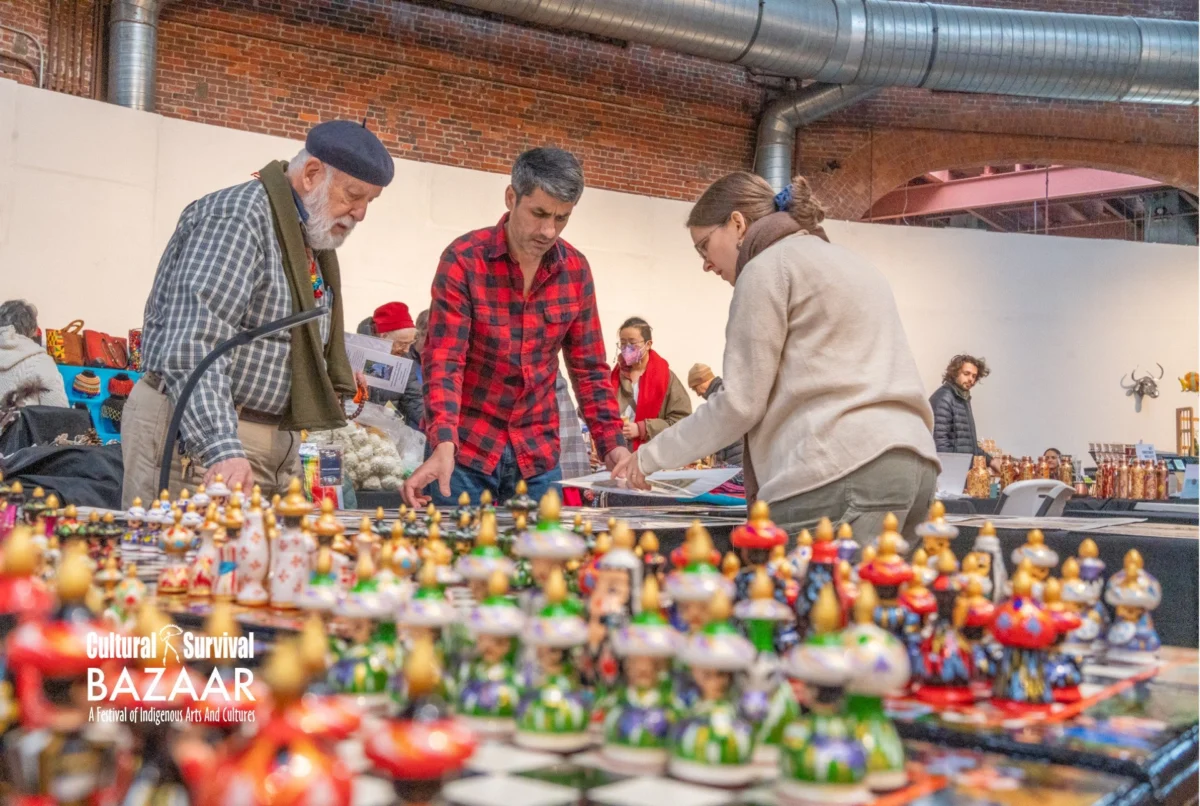
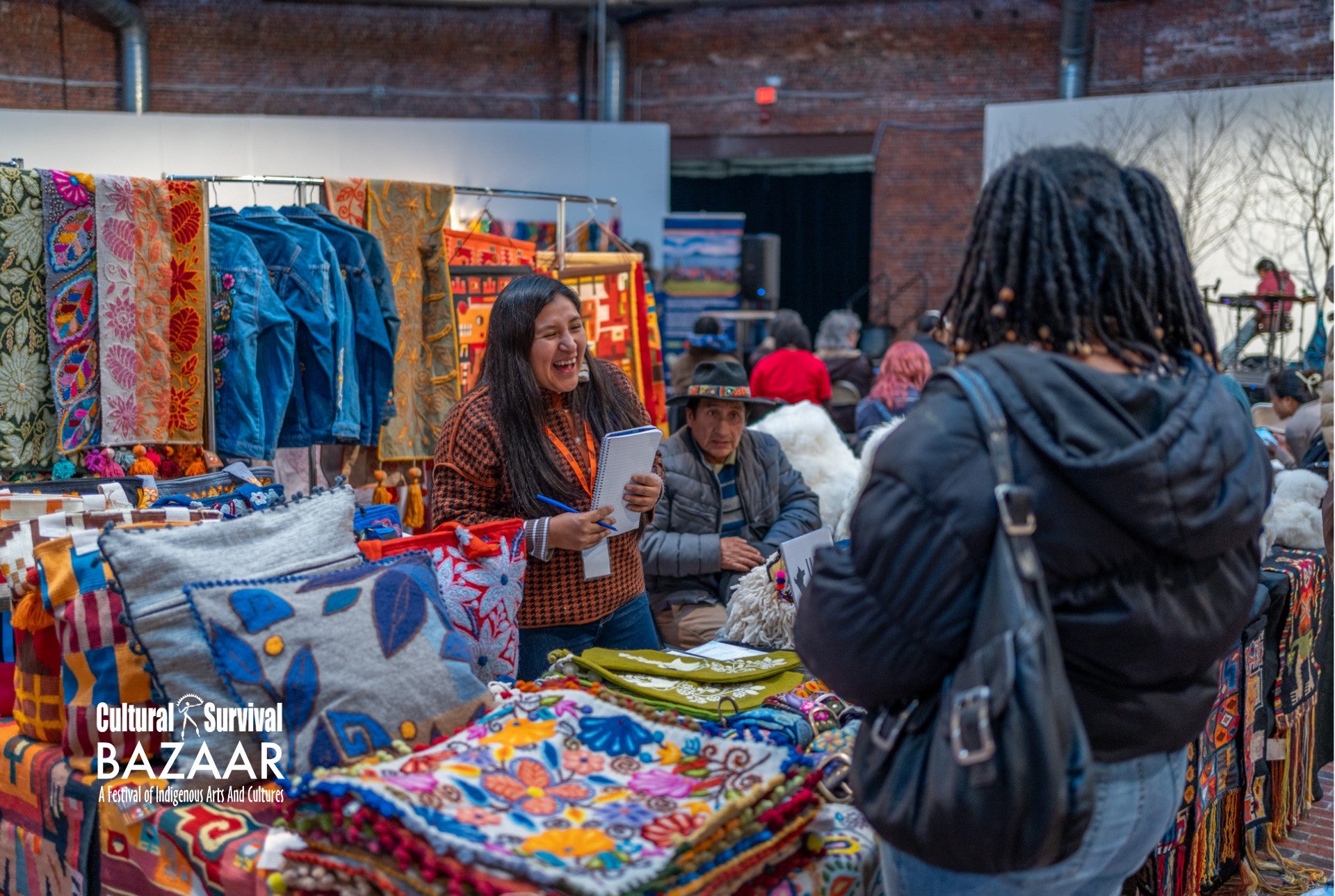
Following the Boston engagement, the Winter Bazaar series moved to Providence, Rhode Island, on the subsequent weekend. The WaterFire Art Center, renowned as a vibrant hub for artists and art enthusiasts within the city often lauded as the "Creative Capital" of the United States, warmly welcomed the event. This expansive 15,000-square-foot venue offered considerable space, allowing vendors to present their physical crafts and performance arts with ample room to engage with the public. The WaterFire staff demonstrated exceptional dedication, providing outstanding support and flexibility before, during, and after the bazaar. This collaborative spirit has fostered a strong working partnership, with anticipation for continued engagement in future events.
The WaterFire Art Center’s reputation as a nexus of artistic innovation and community engagement provided an ideal environment for the Cultural Survival Bazaars. Its industrial-chic aesthetic, coupled with its commitment to showcasing diverse artistic expressions, resonated with the mission of the Bazaars to highlight the breadth and depth of Indigenous creativity. The generous floor plan enabled a more immersive experience for attendees, allowing them to explore the intricate details of handcrafted items and engage in meaningful conversations with the artists. The flexibility offered by the venue’s management was instrumental in adapting to the unique needs of the Indigenous vendors, ensuring a comfortable and productive environment for commerce and cultural exchange. This partnership underscored the growing recognition of Indigenous art as a vital component of the broader artistic landscape.
Quantifiable Impact: Fostering Livelihoods and Cultural Sustainability
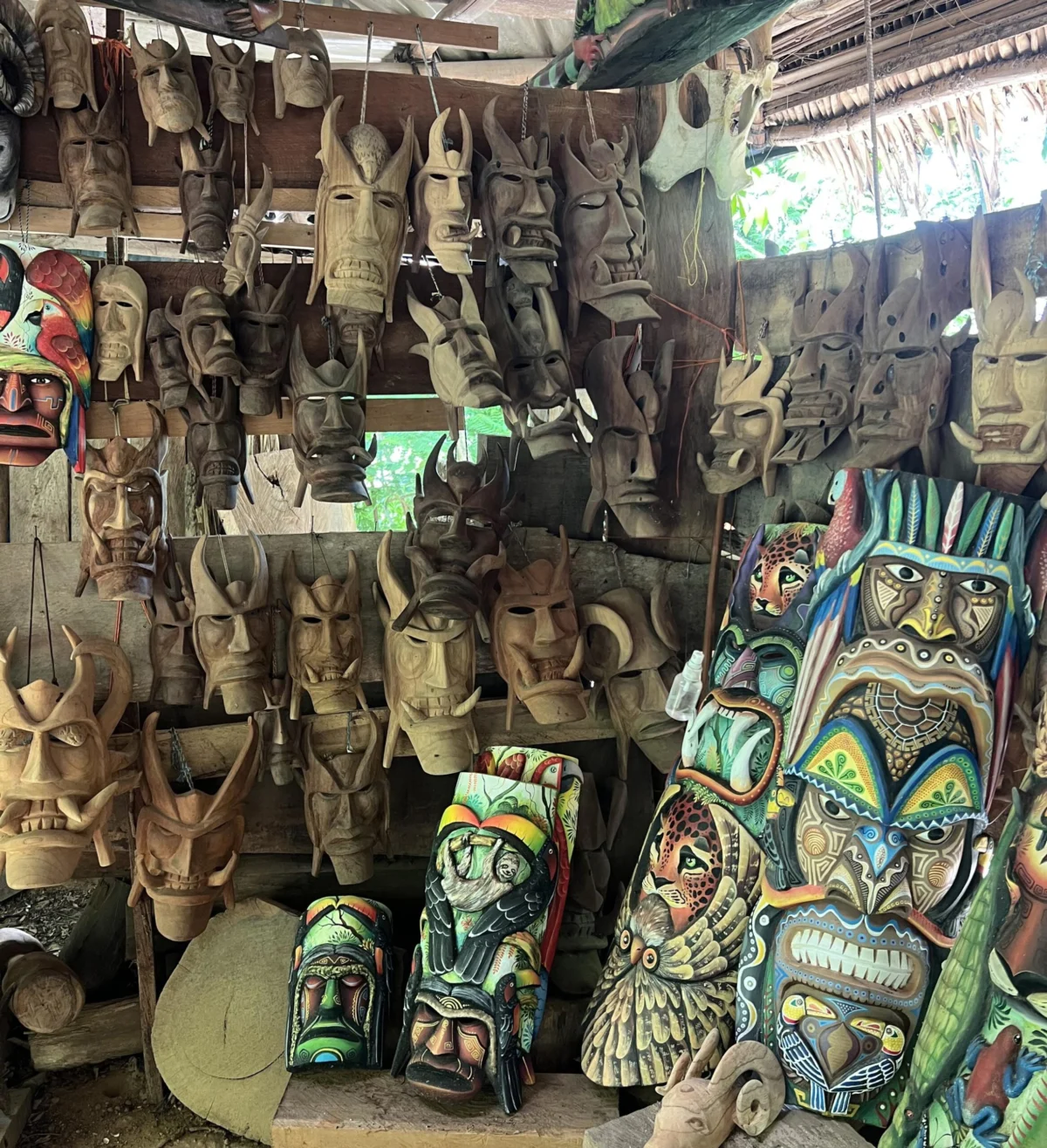
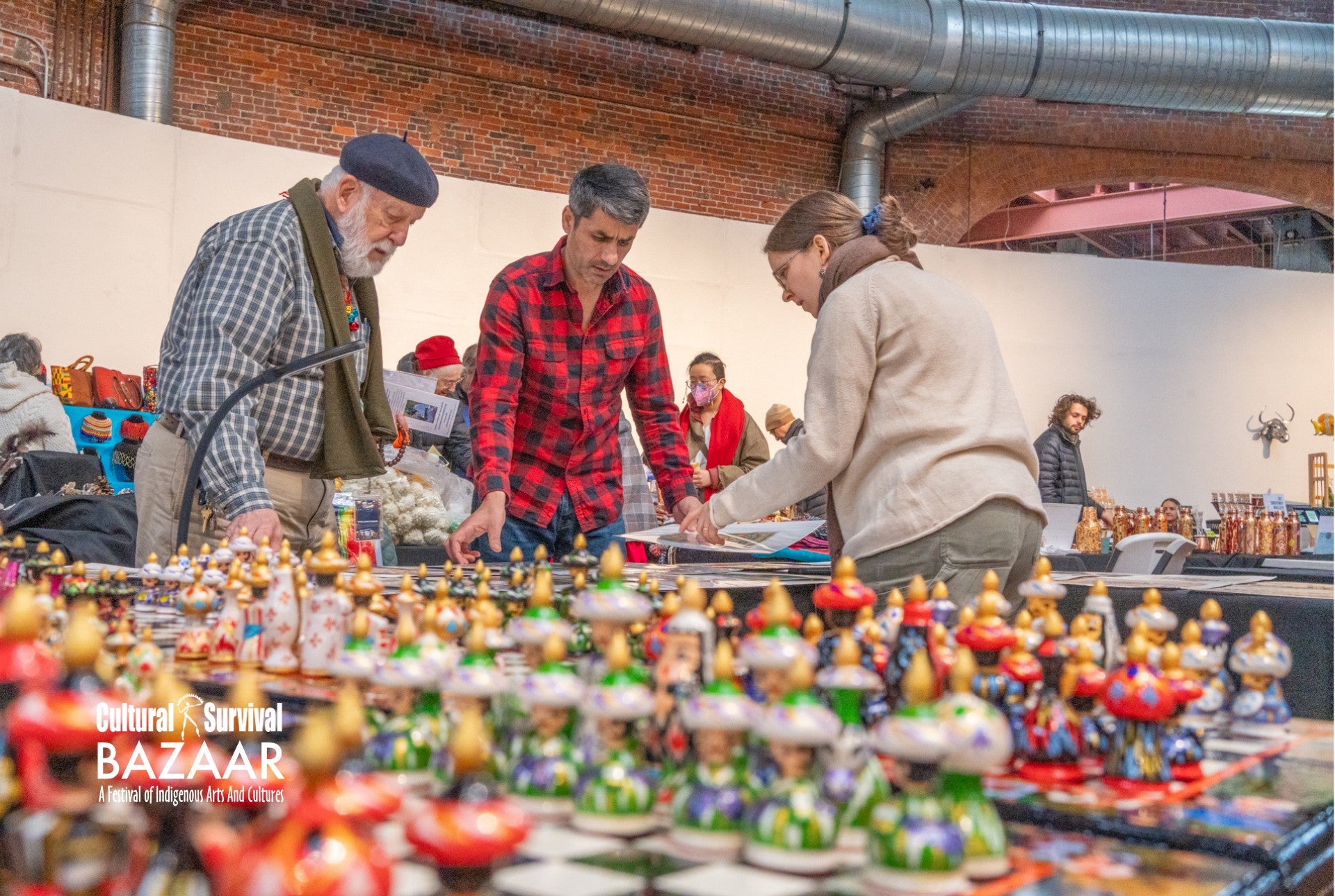
The reach and impact of the Winter Bazaars extend far beyond their immediate economic transactions, playing a crucial role in fostering Indigenous livelihoods, ensuring cultural sustainability, and building vital personal connections. These events provide a rare and invaluable opportunity for the public to engage directly with Indigenous artists from across the globe, offering profound insights into diverse ways of perceiving and existing in the world. Between the two Winter Bazaars, a remarkable total of 54 artists and their representatives participated, directly impacting an estimated 935 individuals hailing from 34 distinct communities spread across 25 countries.
The collective economic contribution of the vendors was substantial, generating nearly $300,000 in sales. This figure represents a significant infusion of capital into Indigenous communities, with individual vendor earnings ranging from $1,000 to $10,000 per event. Such economic empowerment is critical for supporting the continuation of traditional crafts, enabling artists to invest in their businesses, and providing a sustainable income that can help preserve cultural practices. The direct financial benefit allows artists to reinvest in materials, tools, and educational opportunities for younger generations, thereby ensuring the transmission of ancestral knowledge and skills. This economic impact analysis highlights the Bazaars’ role not just as a marketplace, but as a vital engine for economic self-determination within Indigenous communities.
Emerging Voices: New Artists Showcase Innovation and Tradition
The 2026 season welcomed a significant influx of new talent, with 56 new vendors selected from an impressive pool of 110 applications. This rigorous selection process ensures that the Bazaars continue to feature diverse and high-quality Indigenous artistry. Among these emerging talents was the Associaçāo Indígena Pyk’re, a Kayapo association from Brazil. Two representatives from this organization presented exquisite seed and wood jewelry, alongside intricately designed cloth pieces that echo the ceremonial body paintings of their people. Their participation was further enriched by a deeply moving cultural sharing session on the final day, featuring word and song, which offered attendees a profound glimpse into Kayapo traditions.
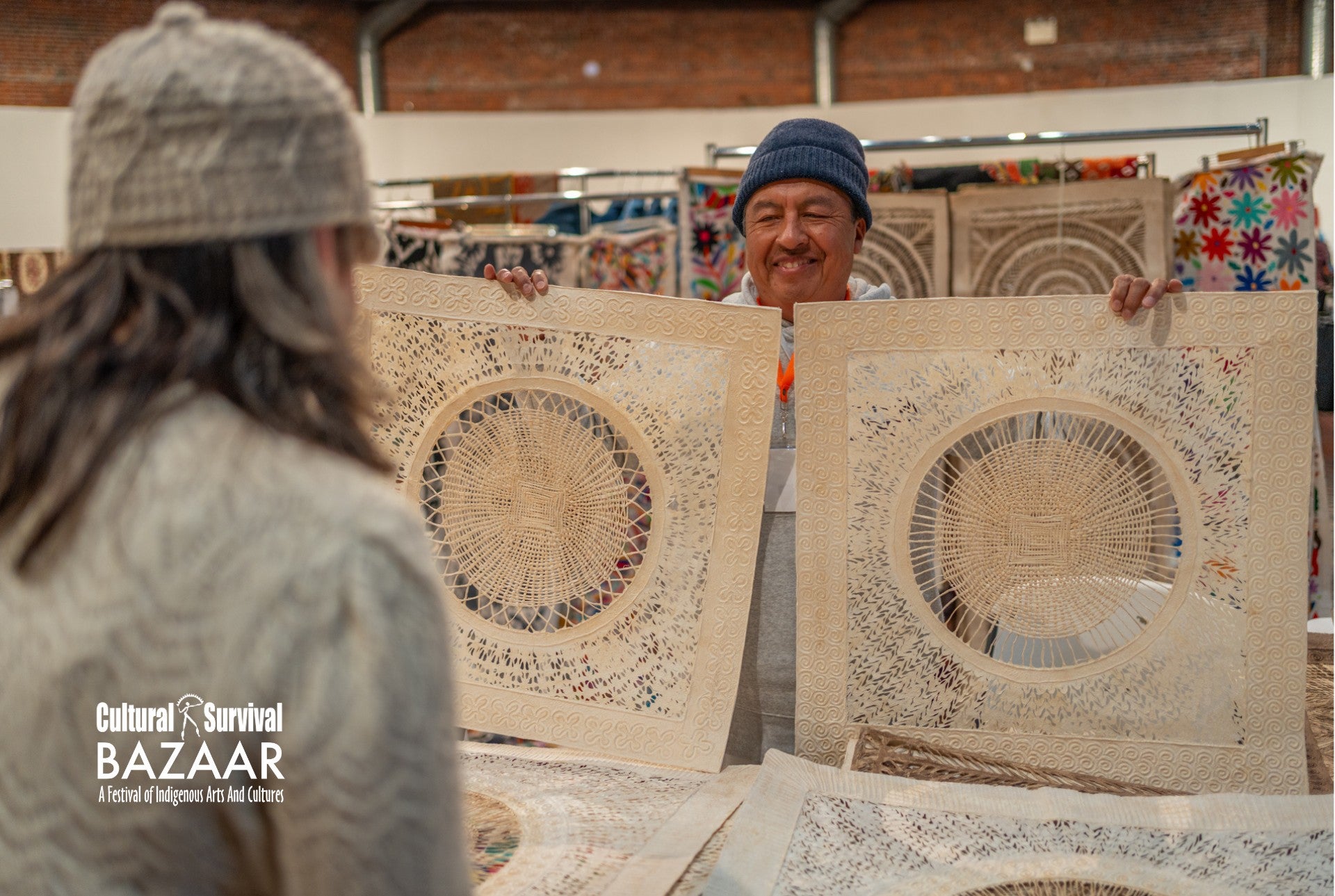
Another notable debut featured Jeremy Arviso (Hopi, Diné, Akimel O’odham, and Tohono O’odham), a multidisciplinary artist whose work powerfully transmits Native stories through his innovative designs in jewelry, clothing, and outerwear. His brand is driven by a mission to "challenge the status quo of dominant culture with thought-provoking graphics and messages." Arviso also engaged attendees with a session of physical movements, encouraging participants to stretch and re-energize after a weekend of engagement. The inclusion of these new artists underscores the Bazaars’ commitment to showcasing both established masters and emerging talents, fostering a dynamic and evolving platform for Indigenous artistic expression. The success of these new vendors points to a growing interest in contemporary Indigenous art that engages with both traditional aesthetics and modern sensibilities.
Melodies and Movements: A Tapestry of Performances
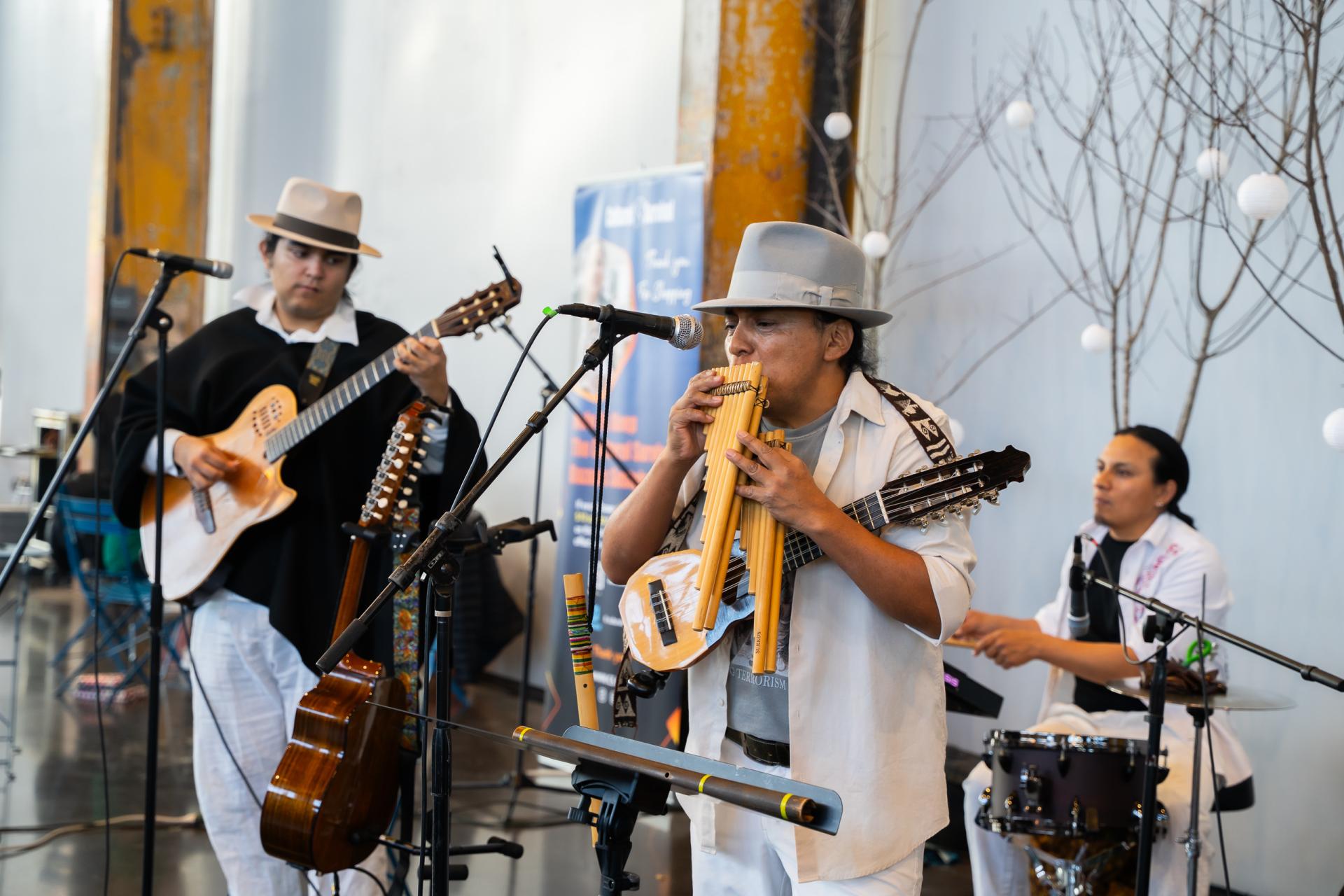
The Winter Bazaars were further enlivened by a curated selection of performers who captivated audiences with their artistry and cultural resonance. Yarina, a group whose Kichwa Otavalo fusion music actively promotes the revitalization of Kichwa traditions through language, music, arts, and crafts, has been a steadfast friend and partner to Cultural Survival for nearly two decades. Their distinctive sound has become intrinsically linked with the identity of the Cultural Survival Bazaars, evoking a sense of familiarity and enduring connection for many attendees.
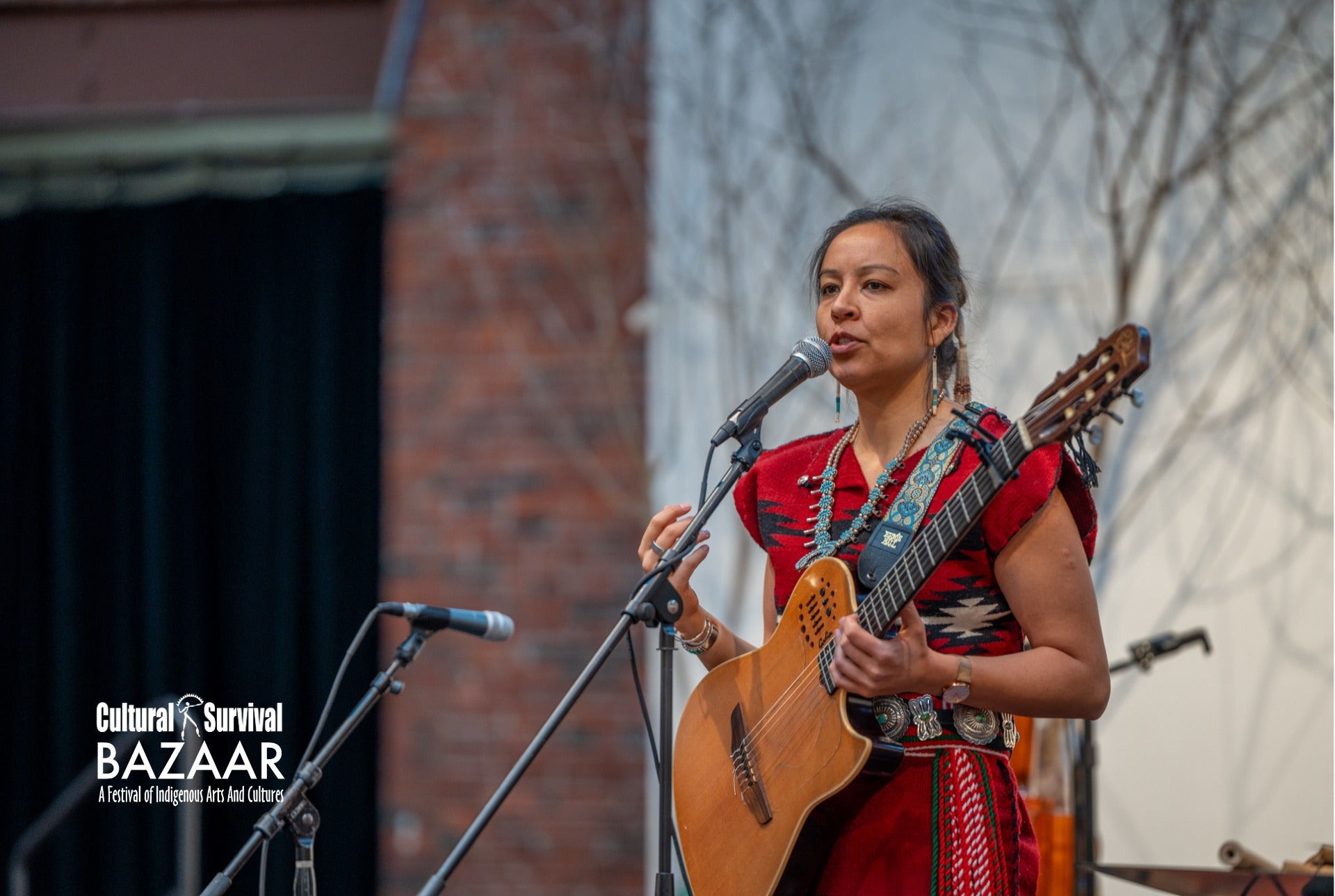
Adding to the vibrant performance lineup was Dr. Lyla June Johnston, a CS Board Member and a renowned musician, author, and community organizer. Performing under her artistic name, Lyla June, she delivered an inspirational set of multi-genre music deeply rooted in Indigenous philosophy, healing, and environmental stewardship. Her performances are characterized by their profound connection to Indigenous wisdom and a powerful call for ecological balance. The enchantments of the season were further amplified by Ugandan folk musician Samual Nalagira and his troupe of talented dancers. Their captivating performance, which followed a meticulous sound check, brought many to their feet, creating an atmosphere of joy and shared cultural appreciation. The synergy between these diverse artistic expressions created a rich and immersive cultural experience for all.
Bazaar Musing: A Spontaneous Celebration of Connection
A particularly poignant and memorable moment occurred during Yarina’s performance on the final evening of the bazaar. As the intensity of successive weekends of vending, performing, and connecting began to wind down, a spontaneous and deeply moving celebration unfolded. A member of Yarina initiated a dance, which quickly inspired other vendors and staff members to join in. This unplanned and joyful convergence of individuals served as a powerful embodiment of the core values of the Bazaars. More than mere commercial opportunities, these events are profound moments of connection that forge lasting memories and create meaningful pathways for Indigenous Peoples.
This impromptu dance party was more than just a moment of shared merriment; it was a potent illustration of the Bazaars’ function as a vehicle for cultural exchange and knowledge sharing. It provided a much-needed infusion of energy, revitalizing both the physical and spiritual well-being of those present before the final closing of the venue. The scene of people hugging, exchanging heartfelt goodbyes, and promising "Till next time" underscored the deep bonds formed through these gatherings. This spontaneous expression of joy and solidarity highlighted the human element at the heart of Cultural Survival’s work, demonstrating how shared experiences can transcend cultural and geographical boundaries, fostering a sense of global Indigenous community.
Looking Ahead: Opportunities for Engagement in Summer 2026
As the Winter Bazaar season concludes, anticipation is already building for the upcoming Summer 2026 Bazaar Season. Cultural Survival actively seeks to expand its network of support and participation, offering various avenues for individuals and organizations to engage with their mission. Prospective craft vendors are invited to apply, as are food vendors seeking to share their culinary traditions. Opportunities also exist for individuals to become homestay hosts, providing welcoming accommodations for visiting artists, and for volunteers to contribute their time and skills to ensure the smooth operation of the events. Furthermore, those wishing to support the organization’s broader mission can contribute as donors, with all avenues for engagement clearly outlined and accessible.
The Summer 2026 season will feature two key locations:
Tiverton, Rhode Island:
- Dates: July 24-26, 2026
- Venue: Tiverton Four Corners Arts Center
- Address: 3852 Main Road, Tiverton, RI 02878
- Hours: 10:00 AM – 6:00 PM
Providence, Rhode Island:
- Dates: August 1-2, 2026
- Venue: Farm Fresh Rhode Island
- Address: 10 Sims Ave, Providence, RI 02909
These upcoming events promise to continue the legacy of the Winter Bazaars, offering vital economic opportunities and fostering cultural exchange, thereby reinforcing Cultural Survival’s commitment to supporting and amplifying Indigenous voices and cultures globally. The consistent success and growth of the Bazaars demonstrate their critical role in promoting economic self-sufficiency and cultural continuity for Indigenous artists and communities worldwide.