Grandparents Day is celebrated in the United States on the first Sunday after Labor Day, which falls on Sept. 13 this year. As the nation prepares to honor the role of the older generation in the family structure, new data from the U.S. Census Bureau and the Pew Research Center provides a comprehensive portrait of what grandparenthood looks like in the mid-2020s. For millions of Americans, the transition into grandparenthood is a significant milestone that often coincides with retirement and the shifting priorities of later life. According to the 2025 Survey of Income and Program Participation (SIPP), two-thirds of U.S. adults aged 65 and older are now grandparents, cementing this role as a fundamental experience for the nation’s aging population.
A Chronology of the Modern Grandparent
The rise of the "grandparent generation" has been influenced by demographic shifts, longer life expectancies, and changing family norms. Historically, the role of the grandparent was viewed through the lens of retirement and leisure. However, as the 21st century has progressed, the "active grandparent" model has become the standard.
The institutional recognition of this day began in 1978, when President Jimmy Carter signed a proclamation designating the first Sunday after Labor Day as National Grandparents Day. The initiative was championed by Marian McQuade, a West Virginia housewife who sought to educate youth about the important contributions seniors have made throughout history. In the decades since, the observance has evolved from a commemorative gesture into an opportunity for sociologists and economists to evaluate the health and stability of the American family unit.
The Demographics of Grandparenthood
The likelihood of achieving the status of grandparent is intrinsically linked to age, though the data reveals a broad distribution across the life cycle. According to the 2024 SIPP data, the transition typically begins in the 40s, with 8% of adults in that age bracket reporting they are grandparents. This share grows significantly as the population ages: 27% of those in their 50s and 51% of those in their 60s hold the title. By the time Americans reach their 80s, the vast majority—roughly 74%—are grandparents. The average age of a U.S. grandparent stands at 68, suggesting that the majority of this cohort is well-positioned to play an active, ongoing role in the lives of their descendants.
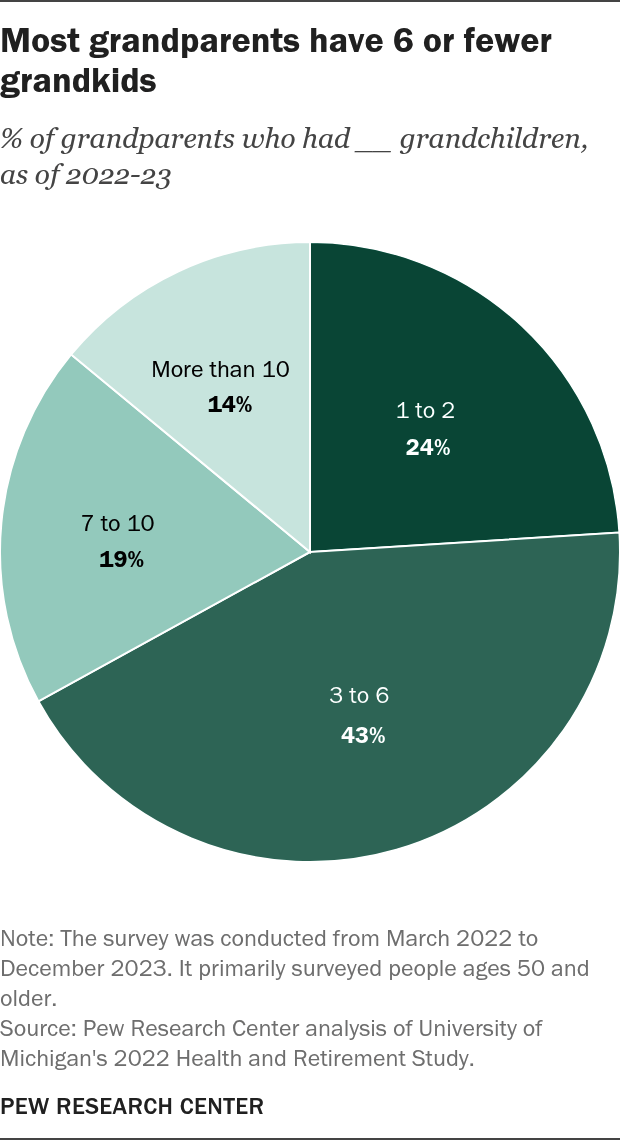
The size of these family networks varies, with the University of Michigan’s Health and Retirement Study (HRS) indicating that the average grandparent has six grandchildren. While 24% of respondents reported having only one or two grandchildren, a significant 14% have more than 10. These figures illustrate the enduring nature of multi-generational households and the expanding webs of kinship that define the modern American experience.

The Caregiving Paradigm and Economic Implications
One of the most consequential aspects of modern grandparenthood is the role of the grandparent as a caregiver. Data from the 2022-2023 period shows that approximately 21% of grandparents provided 100 hours or more of care for their grandchildren or great-grandchildren over a two-year window. While this averages to roughly one hour per week, the aggregate impact on the American labor market and family budget is profound.
Sociologists often point to this "informal caregiving economy" as a critical safety net. When grandparents provide childcare, they allow parents—particularly mothers—to maintain workforce participation, thereby contributing to household economic stability. However, this dynamic is not without its challenges. The HRS survey, conducted during the latter stages of the COVID-19 pandemic, highlights a period where in-person care was restricted. Analysts suggest that current caregiving levels may be higher than those captured in the 2022-2023 data, as the normalization of social interaction has encouraged a resurgence in multi-generational engagement.
Living Arrangements and Multi-generational Housing
The configuration of the American household is also undergoing a quiet transformation. In 2024, 8% of children lived with a grandparent who served as the head of the household. This structure, often born out of economic necessity or cultural tradition, represents a return to a more communal living model. Of these children, nearly half (48%) reside in homes with both a grandmother and a grandfather present, while 43% live in households headed by a grandmother alone.
This trend has implications for housing policy and urban planning. As more families opt for multi-generational living, the demand for "granny flats" or accessory dwelling units (ADUs) has increased. Policymakers are increasingly tasked with addressing zoning laws and social service requirements that support these integrated living arrangements, recognizing that the presence of grandparents can provide essential stability for children in single-parent households or families facing financial precarity.
Communication and Emotional Proximity
Despite the geographic dispersion that often characterizes modern families, technology has bridged the gap between generations. Pew Research Center findings from September 2025 demonstrate that 70% of grandparents aged 65 and older communicate with their grandchildren at least a few times a month. This connectivity is fueled by a mix of in-person visits, telephone calls, and the ubiquitous use of digital messaging.
Perhaps more importantly, the emotional bond remains a primary driver of life satisfaction for older Americans. In qualitative surveys, many adults aged 65 and older cite their relationships with grandchildren as a top source of excitement for their later years. This suggests that the emotional dividend of grandparenthood acts as a buffer against the loneliness often associated with the aging process.
Disparities in Familial Closeness
While the desire for connection is universal, the intensity of those bonds varies across demographic groups. A June 2025 survey revealed that 36% of U.S. adults with living grandparents describe themselves as "extremely or very close" to them. A notable divergence appears in racial demographics: 49% of Black Americans report high levels of closeness with their grandparents, compared to 36% of Hispanic adults, 34% of Asian adults, and 32% of White adults.
Researchers hypothesize that these differences may be rooted in cultural traditions that prioritize extended family hierarchies and communal child-rearing. In many communities of color, the grandparent is viewed not just as an elder, but as a central pillar of the family’s social and educational support system. This data underscores that while the structural experience of being a grandparent is defined by age and family size, the quality of the experience is deeply influenced by cultural heritage.
The Broader Impact on Society
The implications of these findings are vast. As the U.S. population continues to age, the role of the grandparent will likely shift further toward active mentorship and economic support. The "Grandparent Economy"—the cumulative spending by seniors on their grandchildren’s education, extracurricular activities, and gifts—continues to be a multi-billion dollar driver of consumer demand.
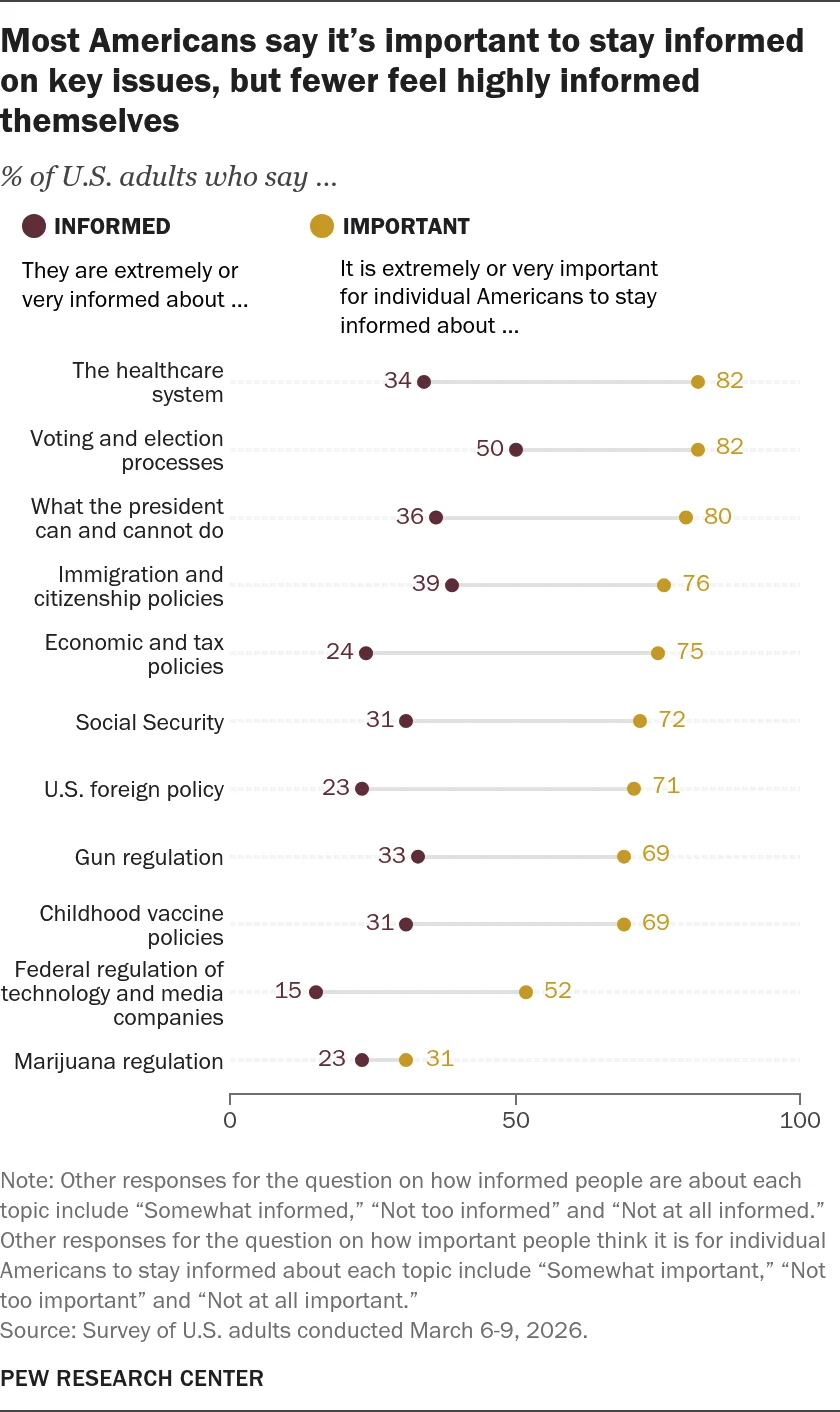
Furthermore, as the political landscape grapples with issues like social security, healthcare, and education funding, the grandparent demographic represents a powerful voting bloc with a vested interest in the long-term success of their descendants. The "grandparent effect"—where an individual’s political and social priorities shift toward the future of their grandchildren—is a well-documented phenomenon that shapes public policy.
As we approach this year’s Grandparents Day, the data paints a picture of a generation that is anything but passive. Whether they are serving as primary caregivers, providing a stable home, or maintaining deep emotional connections through digital means, America’s grandparents are integral to the social fabric. Their ability to adapt to changing economic and social realities ensures that they remain a cornerstone of the American family, providing the intergenerational continuity that is essential for a stable society. In reflecting on these six key facts, one finds that the institution of grandparenthood is not merely a stage of life, but a dynamic, evolving relationship that serves as a vital bridge between the past and the future.