The 25th Session of the United Nations Permanent Forum on Indigenous Issues, held on April 24, 2026, provided a critical platform for Indigenous leaders and advocates to address pressing global concerns. Among them, Jen Deerinwater, Founding Executive Director of Crushing Colonialism, delivered a powerful statement highlighting the often-overlooked realities and rights of Indigenous individuals with disabilities. Deerinwater’s address underscored the profound intersectionality of Indigenous identity, disability, and the enduring legacies of colonialism, calling for urgent action from both the United Nations and Indigenous communities themselves.
Deepening the Understanding of Indigenous Disability
Deerinwater began by situating the issue within a global context, referencing United Nations estimates that over 1 billion people, or approximately 15% of the world’s population, live with disabilities. She further highlighted the global Indigenous population, estimated at 476 million. Building upon these figures, she cited data from the Indigenous Persons with Disabilities Global Network, which estimates that 71 million Indigenous people globally live with disabilities. A significant concentration of this demographic, approximately 45 million, resides in the Asia Pacific region, often in countries facing developmental challenges.
Crucially, Deerinwater pointed out that disability rates disproportionately affect Indigenous women and Two-Spirit, Lesbian, Gay, Bisexual, and Trans (2SLGBTQT) individuals within these communities. She asserted that these elevated rates of disability and chronic illnesses are not attributable to genetic predispositions but are instead direct consequences of the pervasive impacts of colonialism, violence, and systemic oppression. These impacts, she elaborated, encompass the ravages of war and conflict, widespread environmental degradation, and the accelerating climate crisis, all of which disproportionately burden Indigenous populations.
Gaps in Data and the Need for Comprehensive Study
A significant challenge identified by Deerinwater is the scarcity of comprehensive global data. She emphasized that the statistics presented are inherently incomplete due to the absence of a dedicated global study on Disabled Indigenous people. Furthermore, she noted that even the United Nations’ global population figures for disabled people are based on a 2013 report, a number that has undoubtedly increased in the intervening years due to escalating global conflicts, the ongoing climate crisis, and the lingering effects of the COVID-19 pandemic. This data deficit, she argued, hinders effective policy development and resource allocation.
Accessibility and Healthcare: Pillars of Well-being
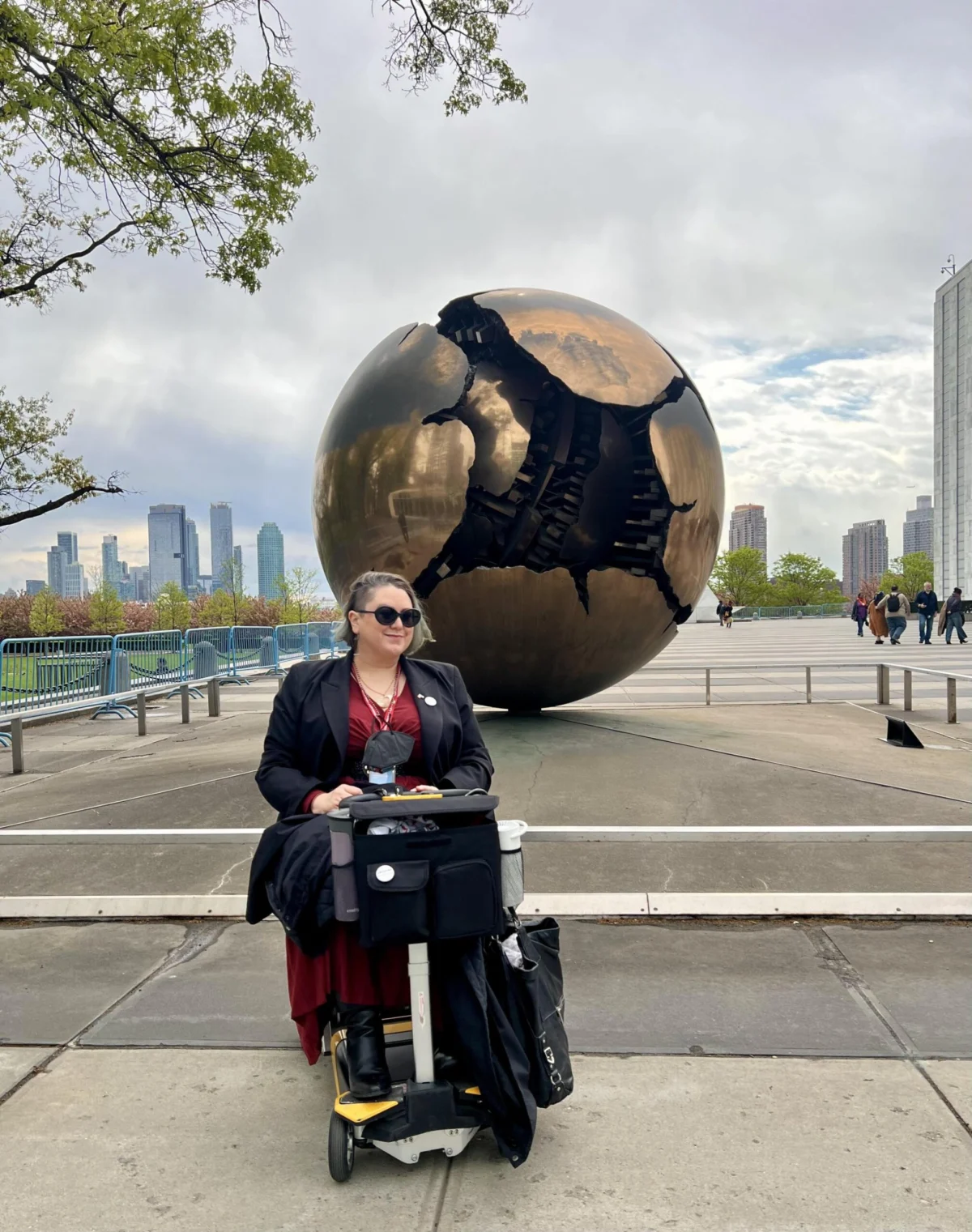
Deerinwater then pivoted to the critical issue of accessibility, questioning the very notion of achieving good health—encompassing mental, emotional, and spiritual well-being—when basic accessibility is not guaranteed. She raised a pointed question: "How can we have good health, including our mental, emotional, and spiritual health, if we can’t traverse the world, including the UN NYC headquarters and these related events, if they’re not disability accessible for a wide range of disabilities?" This highlights the practical barriers faced by Indigenous individuals with disabilities in participating in vital global forums and accessing essential services.
The lack of access to fundamental facilities, such as accessible restrooms and medical services, was another critical point. Deerinwater stressed that good health outcomes are inextricably linked to the ease of access to disability and mobility-related devices, such as the scooter she herself uses. Beyond physical devices, she underscored the imperative for robust community-based care systems. She articulated that Indigenous communities cannot solely rely on colonial governments for support during crises or to meet their healthcare needs, including assistance with daily living activities. This points to a need for self-determination in healthcare provision and a recognition of traditional care practices.
A Call for Sovereignty, Dignity, and Joy
Deerinwater’s address culminated in a clear and unequivocal call for action. She asserted that "Disabled Indigenous people deserve the same sovereign and human rights as anyone else. We deserve to live with dignity and joy." This powerful statement frames disability rights not as an addendum to human rights, but as an intrinsic component of them, particularly for Indigenous peoples who have historically had their sovereignty and human rights undermined.
Her specific calls to action were directed at two key entities:
- The United Nations: Deerinwater urged the UN to undertake a comprehensive global study specifically focused on Deaf, Disabled, and chronically ill Indigenous people. Such a study, she implied, would provide the necessary data to inform international policy and advocacy efforts.
- Indigenous Relatives and Tribal Leaders: Recognizing the importance of internal community support and self-governance, she implored her fellow Indigenous leaders and communities to proactively establish disability access and care systems within their own territories. This plea emphasizes the responsibility of Indigenous leadership to address the needs of all their members.
Deerinwater concluded her remarks with a poignant reminder: "We are your relatives. Do not forget us." This heartfelt appeal underscores the deep-seated familial and communal bonds within Indigenous societies and serves as a powerful reminder of shared responsibility. Her closing "Wado. Thank you" signifies gratitude and respect within Indigenous protocols.
Background and Context: The UN Permanent Forum on Indigenous Issues
The United Nations Permanent Forum on Indigenous Issues (UNPFII) is a high-level advisory body to the Economic and Social Council (ECOSOC) of the United Nations. Established by ECOSOC in 2000, it is the UN’s central coordinating body for all matters relating to Indigenous peoples. The Forum provides a unique opportunity for Indigenous peoples to voice their concerns and contribute to policy discussions at the international level. Its annual sessions bring together representatives from Indigenous communities, governments, UN agencies, intergovernmental organizations, and NGOs to discuss a wide range of issues, including health, education, culture, economic and social development, human rights, and the environment.
The 25th session, held in April 2026, would have followed a series of global challenges, including the lingering impacts of the COVID-19 pandemic, which disproportionately affected vulnerable populations, including Indigenous communities and individuals with disabilities. The ongoing climate crisis and various geopolitical conflicts also continue to exacerbate existing inequalities and create new vulnerabilities for Indigenous peoples worldwide. Therefore, discussions at this session were likely focused on resilience, adaptation, and the urgent need for inclusive and equitable solutions.
Implications and Broader Impact
Jen Deerinwater’s statement at the 25th UNPFII carries significant implications for the future of Indigenous rights and disability advocacy.
- Data-Driven Advocacy: The call for a global study on Disabled Indigenous people is a critical step towards rectifying the current data void. Comprehensive data will empower advocacy efforts, allowing for more targeted interventions, resource allocation, and evidence-based policymaking. It will move the discourse beyond anecdotal evidence to a more robust, quantifiable understanding of the challenges faced.
- Intersectional Approach: Deerinwater’s emphasis on the compounding disadvantages faced by Indigenous women and 2SLGBTQT individuals with disabilities highlights the crucial need for an intersectional approach to advocacy. Policies and programs must recognize and address the unique experiences of those at the confluence of multiple marginalized identities.
- Self-Determination in Care: The call for Indigenous communities to develop their own disability access and care systems speaks to the principle of self-determination. It acknowledges that Indigenous peoples are best positioned to design and implement solutions that align with their cultural values and address their specific needs, rather than relying solely on external governmental structures.
- Challenging Colonial Legacies: By linking disability rates to the impacts of colonialism, Deerinwater’s statement directly confronts the historical and ongoing systemic oppression that has shaped the lives of Indigenous peoples. This framing is essential for understanding the root causes of many health and social disparities.
- Universal Design and Inclusion: The emphasis on accessibility within UN spaces and broader community infrastructure points to the need for universal design principles. Creating environments and systems that are inherently accessible benefits everyone and fosters a more inclusive society.
- Elevating a Marginalized Voice: The fact that disability has been "barely mentioned" at the Forum underscores how often the needs of Disabled Indigenous people are overlooked, even within spaces dedicated to Indigenous issues. Deerinwater’s intervention aims to bring this crucial demographic to the forefront of global Indigenous discourse.
The statement serves as a potent reminder that the rights and well-being of Indigenous peoples are not monolithic. Addressing the specific needs of Disabled Indigenous individuals is not only a matter of human rights but also a fundamental aspect of achieving true justice, equity, and self-determination for all Indigenous peoples. The legacy of colonial structures continues to manifest in systemic barriers, and recognizing and dismantling these barriers, particularly for the most vulnerable within Indigenous communities, is an urgent and ongoing task.