For millennia, Indigenous Peoples have woven the fabric of their societies through the threads of ancestral knowledge, meticulously passed down through generations. This profound inheritance, encompassing ecological understanding, healing practices, cultural narratives, and agricultural techniques, forms the bedrock of their identity and resilience. In an era marked by rapid modernization and environmental challenges, the preservation and revitalization of this traditional wisdom have become paramount. Cultural Survival’s Indigenous Youth Fellowship Program is actively nurturing a new generation of Indigenous leaders who are at the forefront of this vital endeavor, demonstrating that honoring the past is not merely an act of remembrance, but a powerful strategy for strengthening Indigenous identity, ensuring community resilience, and advancing self-determination for the future. These young changemakers are safeguarding traditional medicine in Mexico, restoring ecological balance in Ecuador, and meticulously documenting cultural heritage and agricultural practices in Indonesia, embodying a global movement to protect and empower Indigenous communities.
Mexico: Revitalizing Maya Traditional Medicine in Kancabchén
In the heart of the Yucatán Peninsula, within the Maya community of Kancabchén in Quintana Roo, Mexico, a dedicated group of young women known as the U Chak Lu’umil Ch’e’eno’ob Collective—meaning "Red Land of Wells"—is breathing new life into ancient healing traditions. Comprising Yeni Tun, Brenda Pech, Doris Tun, and their coordinator Nelly Cauich, these women are deeply rooted in their community, with some having pursued higher education at the Intercultural Maya University of Quintana Roo. Their academic journeys fostered a profound appreciation for their Maya heritage, solidifying their identities as Maya women and inspiring them to champion the recognition of their culture within Kancabchén.
Timeline of Initiatives:
- Pre-2022: While not explicitly detailed, the community historically relied heavily on traditional medicine, with grandmothers serving as midwives and healers. A gradual decline in the use of these practices began to be observed.
- 2022: The U Chak Lu’umil Ch’e’eno’ob Collective was formally established with the overarching goal of preserving, protecting, and promoting Maya culture. This marked a conscious effort to counter the erosion of traditional knowledge.
- Initiation of Traditional Medicine Project: Recognizing the critical challenge of limited access to modern medications at the local health center and the concurrent decline of traditional healing practices, the collective, spearheaded by Nelly Cauich, launched a comprehensive project to preserve and revitalize Maya traditional medicine.
- Documentation and Knowledge Gathering: The project commenced with extensive interviews of local Knowledge Keepers, particularly the elder women who held deep understanding of medicinal plants. These interviews meticulously documented the specific plants used, their healing properties, traditional preparation methods, and application techniques.
- Establishment of the "Ts’aak Wíinik" Botanical Garden: A tangible manifestation of their efforts, the "Ts’aak Wíinik" ("Healing Garden") was established. This living repository serves not only as a space for cultivating and preserving medicinal plants but also as an educational hub.
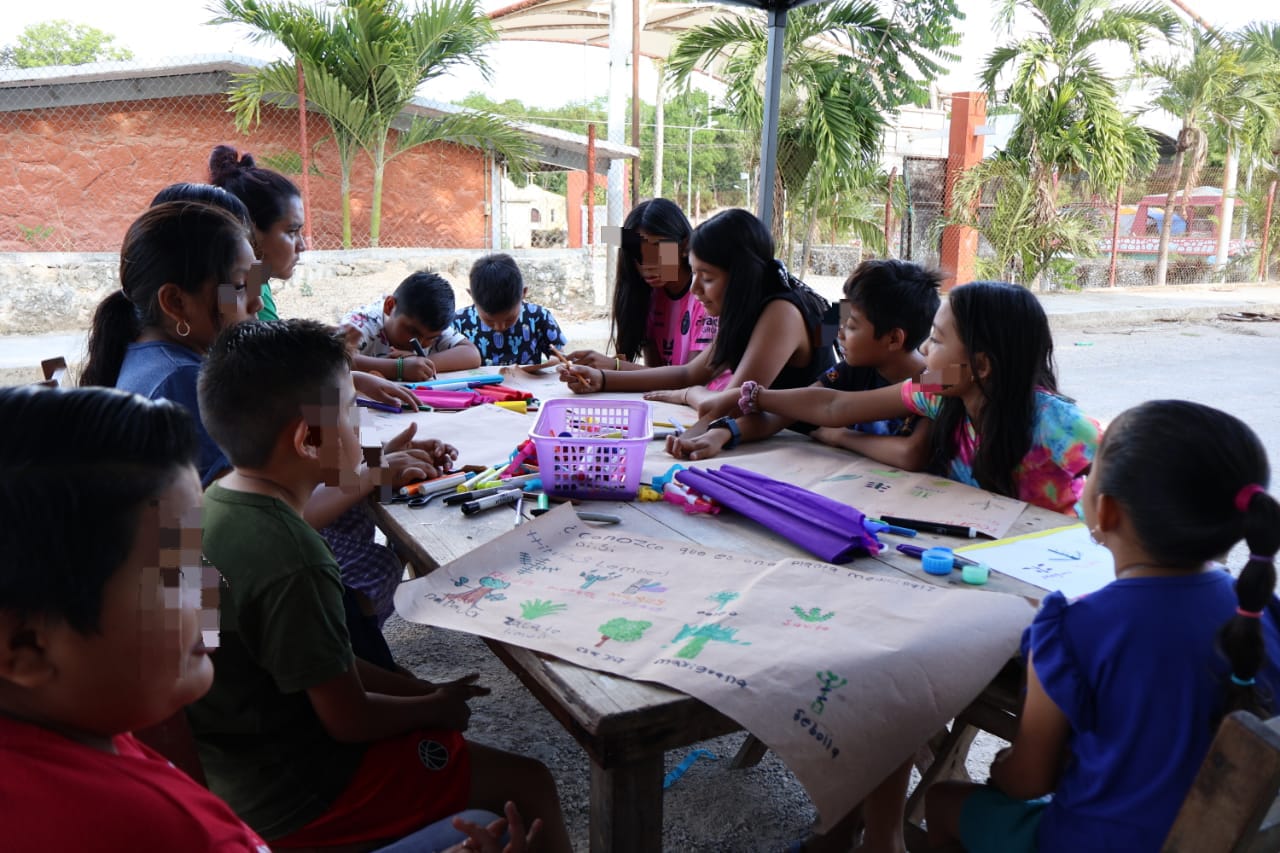
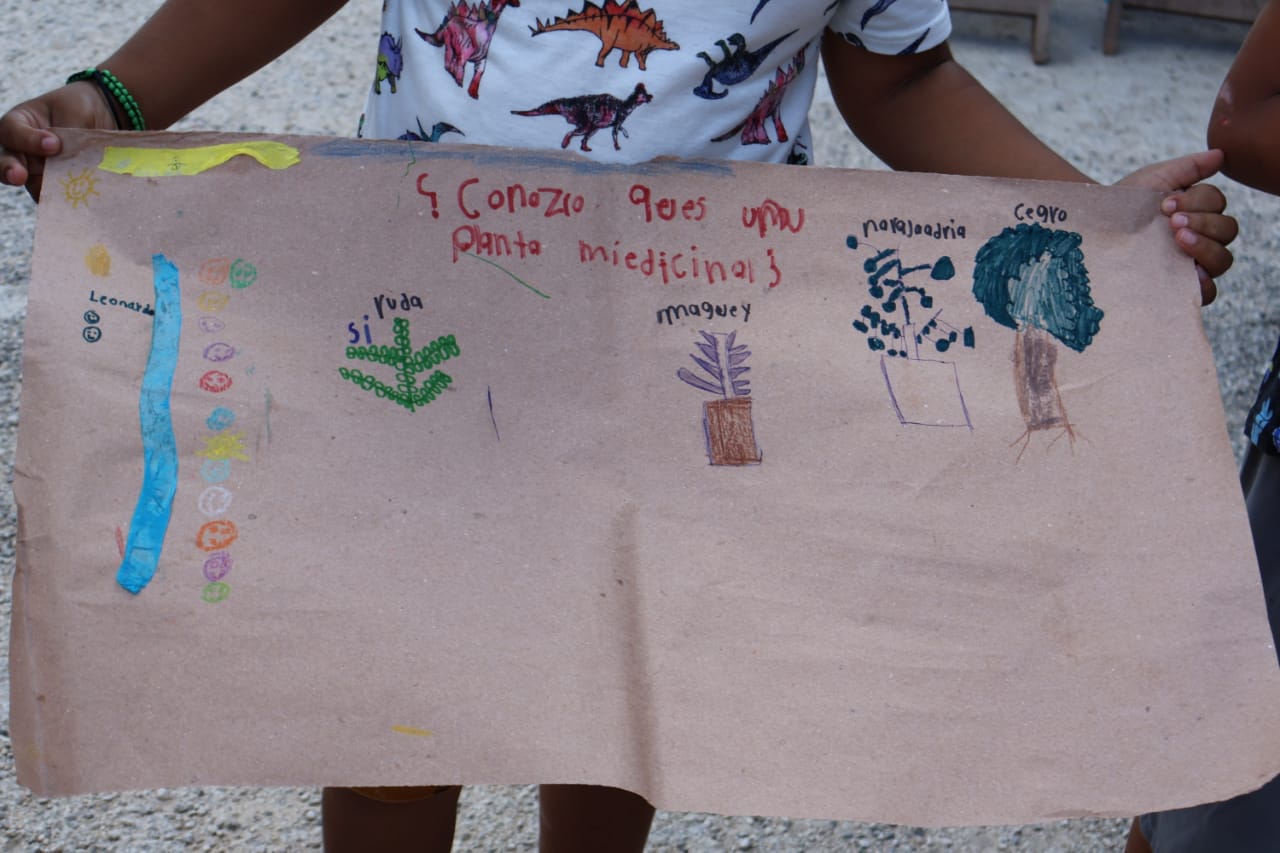
- Educational Workshops for Youth: To ensure the intergenerational transfer of knowledge, the collective organized engaging workshops for children and youth. These sessions introduced younger generations to the local medicinal flora and instilled an understanding of their cultural and medicinal significance.
- Compilation of a Handbook: A critical output of the project was the creation of a handbook detailing local medicinal plant remedies. This publication serves as a permanent record, safeguarding the documented knowledge for future use and study.
Kancabchén, a rural Maya community with approximately 1,440 residents, has long grappled with healthcare access issues. The local health center often faces shortages of essential medications, exacerbating the vulnerability of its population. Compounding this challenge is the diminishing use of traditional medicine, leading to an alarming loss of ancestral healing practices and the knowledge associated with them. This confluence of factors creates significant barriers to accessing healthcare that is both effective and culturally appropriate for the community’s needs.
The collective’s initiative, born from a deep respect for the wisdom of community grandmothers who historically served as traditional midwives and healers, addresses these critical issues head-on. By documenting medicinal plants, establishing a botanical garden, and conducting educational workshops, they are not only preserving invaluable ancestral knowledge but also actively reintroducing it to younger generations. The creation of the "Ts’aak Wíinik" botanical garden provides a living library of these vital resources, ensuring their continued availability and study. The compilation of a handbook further solidifies this knowledge, creating a lasting resource that can be consulted and expanded upon. Through these concerted efforts, the U Chak Lu’umil Ch’e’eno’ob Collective is successfully safeguarding crucial ancestral knowledge, facilitating its transmission to the next generation, and forging new avenues for community health and well-being. This project exemplifies how localized, culturally grounded initiatives can directly address pressing community needs and strengthen self-reliance.
Ecuador: Defending Territories and Restoring Ecosystems in Azuay Province
In the highlands of Ecuador, where the ancestral territories of Indigenous communities are increasingly threatened by extractive industries, Patricia Fernanda Pulla Matute, also known as Kañari, is leading a powerful movement to defend her land and revitalize ecological knowledge. Growing up in the parish of San Joaquín, Fernanda was deeply influenced by her grandmother, who instilled in her a profound respect for ancestral medicine and the interconnectedness of all living things. This foundational understanding became a catalyst for action when protected areas in her territory faced imminent danger from hydroelectric projects linked to mining activities.
Chronology of Activism and Restoration:
- Childhood and Early Influences: Fernanda’s upbringing in San Joaquín, influenced by her grandmother’s teachings on ancestral medicine and nature, laid the groundwork for her future activism.
- Emergence of Threats: Hydroelectric projects, often tied to mining concessions, began to pose a significant threat to the ecological integrity of Indigenous territories in the region.
- Formation of the Coordinadora de Comunidades Ancestrales de San Joaquín: In response to these escalating threats, Fernanda and her family became active participants in the Coordinadora de Comunidades Ancestrales de San Joaquín. This organization was established to defend Indigenous territories and uphold the rights of ancestral communities.
- Leadership Role: Fernanda served as the secretary of the Coordinadora for one year, contributing to its strategic planning and advocacy efforts.
- Artistic and Cultural Engagement: Beyond her land defense work, Fernanda actively participates in artistic and cultural groups, further deepening her understanding of her identity and the importance of cultural preservation.
- Launch of "Warmi Ñan": Driven by the need for a proactive approach to ecological restoration and knowledge revitalization, Fernanda launched "Warmi Ñan" (meaning "Women’s Path"). This community-led initiative aims to bolster the resilience of the territory.
- Community Nursery Establishment: A key component of "Warmi Ñan" was the establishment of a community nursery. This nursery focuses on cultivating native plant species crucial for reforesting areas of the páramo damaged by wildfires.
- Strengthening Women and Youth Leadership: The project explicitly recognized and worked to strengthen the leadership roles of women and youth, acknowledging their vital contributions to territorial defense and ecosystem protection.
- Territorial Assessment and Prioritization: The initial phase involved a comprehensive assessment of damaged areas, prioritizing native species for restoration, and documenting the ancestral knowledge essential for effective territorial management.
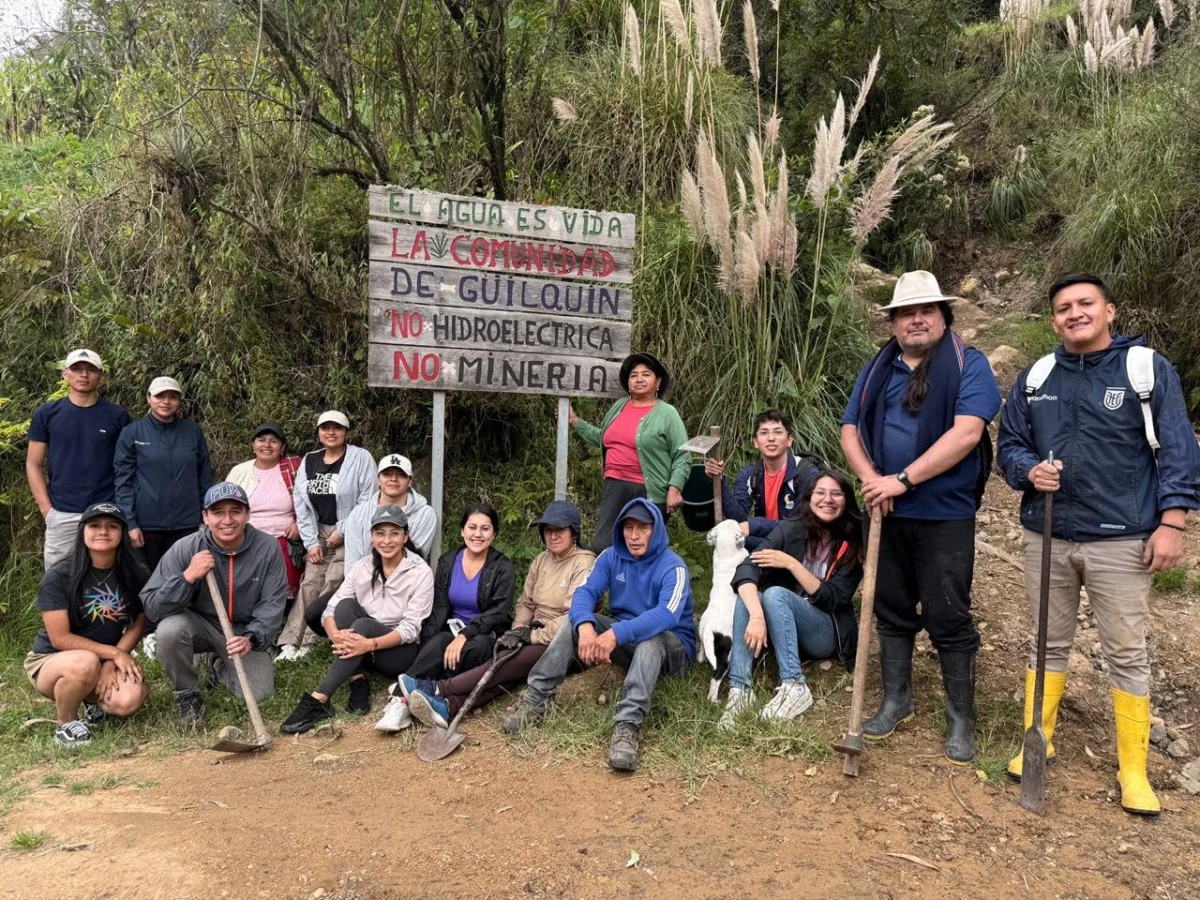
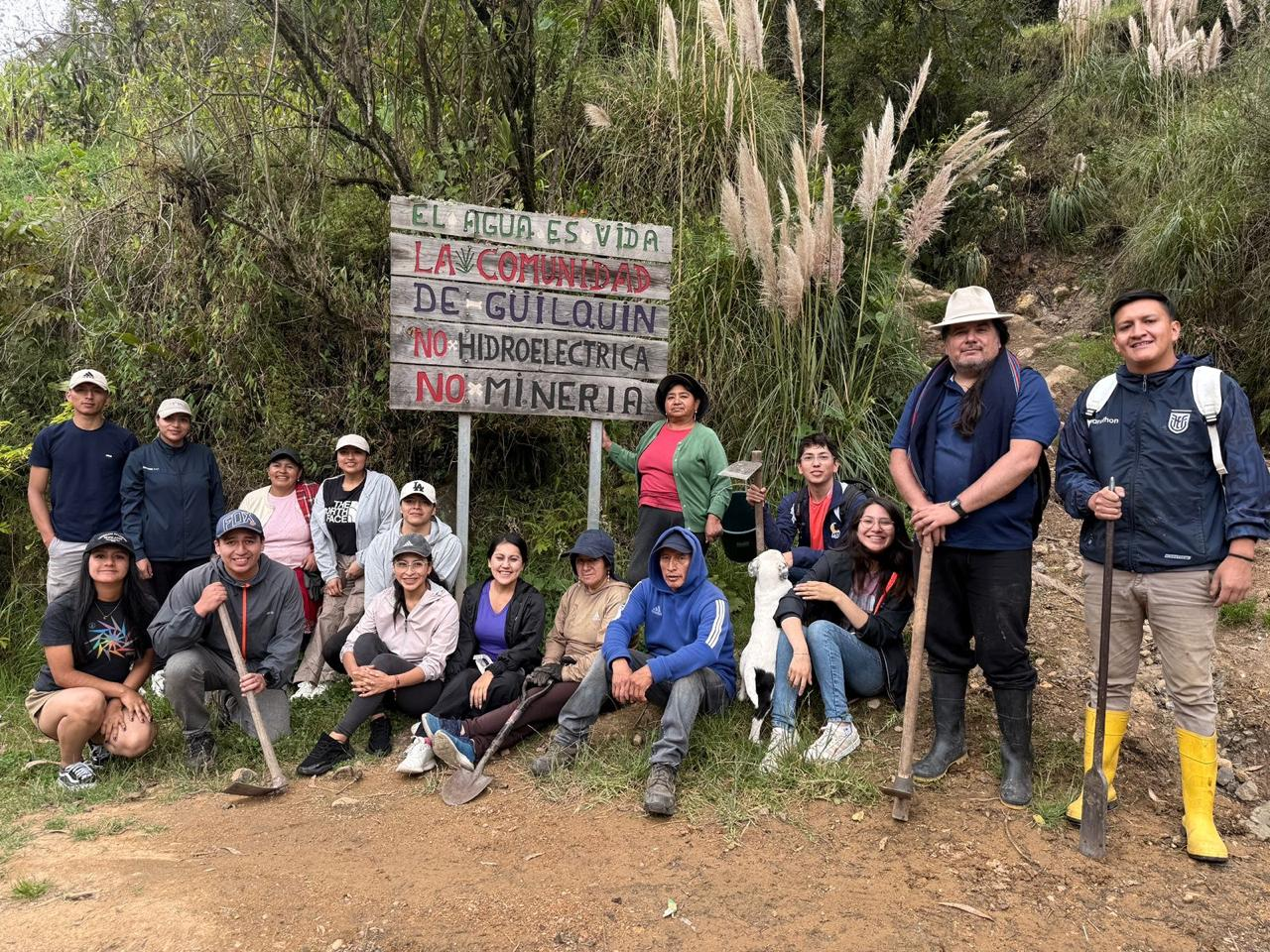
- Collective Workdays and Reforestation: Community members organized collective workdays to cultivate native and medicinal plants in the nursery. Subsequently, reforestation efforts commenced, aiming to restore the páramo ecosystem.
- Ecological Recovery and Wildlife Return: Reforestation activities have begun to yield positive results, with evidence of returning wildlife such as rabbits, deer, birds, and wild guinea pigs, indicating a nascent ecological recovery.
Communities across Azuay Province are increasingly confronting the devastating impacts of expanding mining and hydroelectric projects. These industrial pressures, compounded by the effects of prolonged droughts, have inflicted severe environmental damage. Water sources have become contaminated, and wildfires have ravaged vast expanses of páramo grasslands and vital wetlands. The consequence has been a significant loss of native plant species and critical wildlife habitats, disrupting the delicate ecological balance. The páramos surrounding San Joaquín and neighboring parishes remain under intense pressure from numerous mining concessions. Furthermore, the planned Yanuncay Multipurpose Project, a large-scale hydroelectric development, poses a direct threat to the Yanuncay River, its rich biodiversity, and the ecological stability of both the páramo and riverine ecosystems, which are essential for providing water and sustaining life for communities throughout the region.
In direct response to these pervasive threats, Fernanda initiated "Warmi Ñan." This community-driven project is strategically designed to enhance the resilience of the territory through a dual approach: ecological restoration and the revitalization of ancestral knowledge. A cornerstone of the initiative is the establishment of a community nursery dedicated to propagating native plant species. These plants are then used for reforestation efforts in páramo areas that have been devastated by wildfires. Crucially, "Warmi Ñan" places a strong emphasis on strengthening the leadership capacities of women and youth, recognizing their indispensable role in defending their territories and safeguarding the ecosystems that are the lifeblood of their communities.
The project’s methodology began with a thorough assessment to identify degraded areas, meticulously prioritize native species for restoration, and document the traditional ecological knowledge necessary for effective territorial stewardship. Armed with this vital information, community members have actively engaged in collective workdays, cultivating native and medicinal plants within the community-built nursery. The subsequent reforestation activities are not only helping to rebuild the páramo ecosystem but are also fostering the return of native wildlife, including rabbits, deer, birds, and wild guinea pigs. Through these integrated efforts, "Warmi Ñan" powerfully illustrates how community organizing, coupled with the deep wisdom of ancestral knowledge, can serve as a potent force in protecting Indigenous territories and fortifying ecosystem resilience in the face of environmental crises such as wildfires and industrial encroachment.
Indonesia: Documenting and Revitalizing Toraja Cultural Heritage
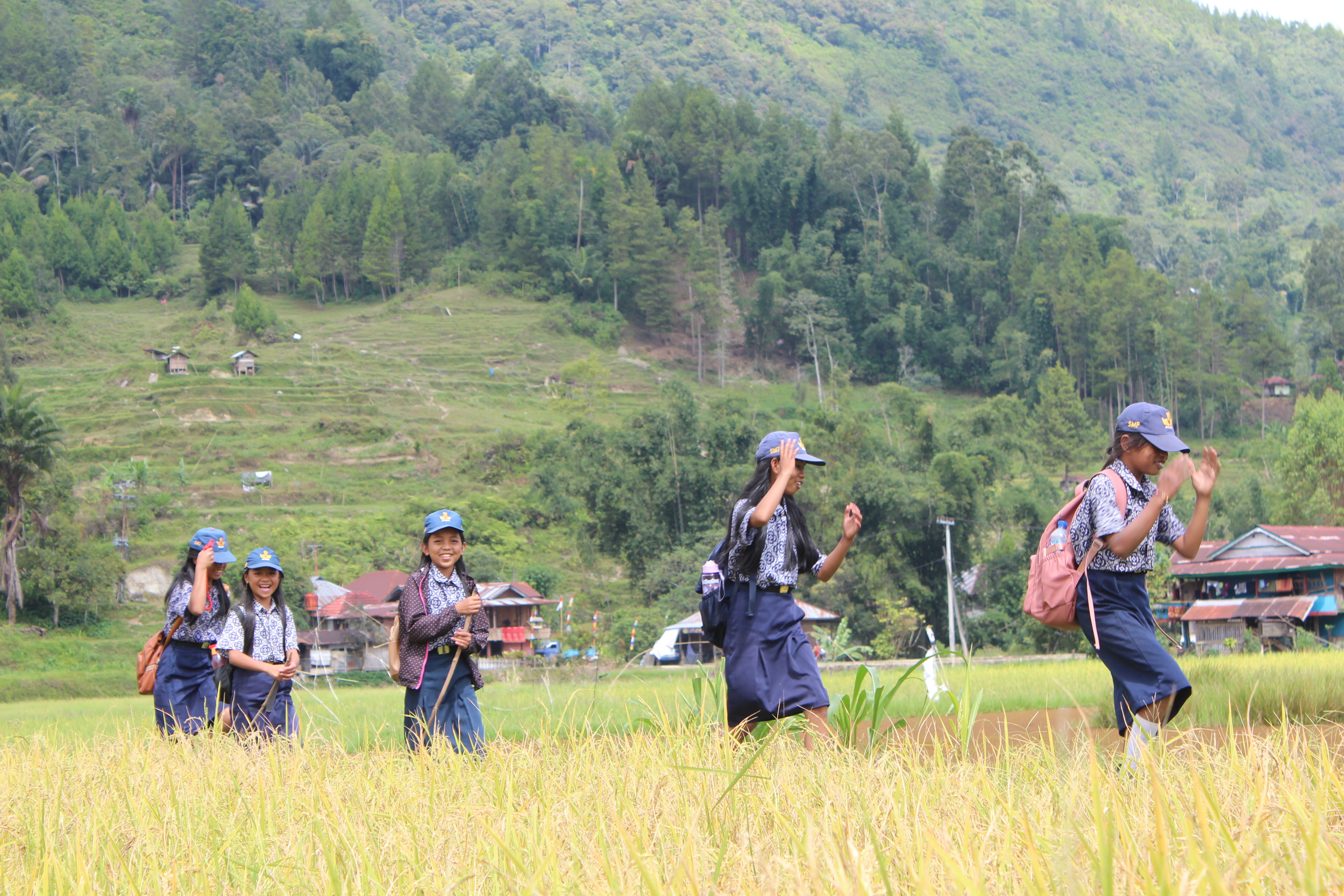
In the remote Baruppu’ village, nestled within the ancestral lands of the Toraja people in Indonesia, Gustin Tandirara is dedicated to empowering Indigenous children by grounding their education in their rich cultural heritage. Since 2022, Gustin has been working with elementary and junior high school students, fostering a stronger connection to their culture and history. Alongside her peers, she co-founded Melada Sisola Baruppu’—a name that translates to "Learning Together with My Friends in Baruppu’." This innovative Indigenous learning initiative seamlessly integrates ancestral knowledge with formal education, directly addressing the scarcity of culturally relevant learning opportunities for Indigenous youth in the region.
Historical Context and Modern Challenges:
- Baruppu’ Village: Located in the northernmost part of the Toraja Indigenous territory in Indonesia.
- Livelihood: The majority of community members depend on agriculture for their sustenance.
- Unique Language: The community speaks a distinct language specific to the region.
- Devastating War of 1880: A significant historical event that led to the loss of much of the community’s history and cultural knowledge, with few written records remaining.
- Threats of Modernization: Contemporary challenges include the pervasive influence of modernization and a national education system that often overlooks or excludes Indigenous histories.
- Endangered Cultural Practices: The survival of unique cultural practices, such as Pa’bussuk bamboo music and the traditional cultivation of Upe’ (a culturally significant Indigenous crop), is under threat.
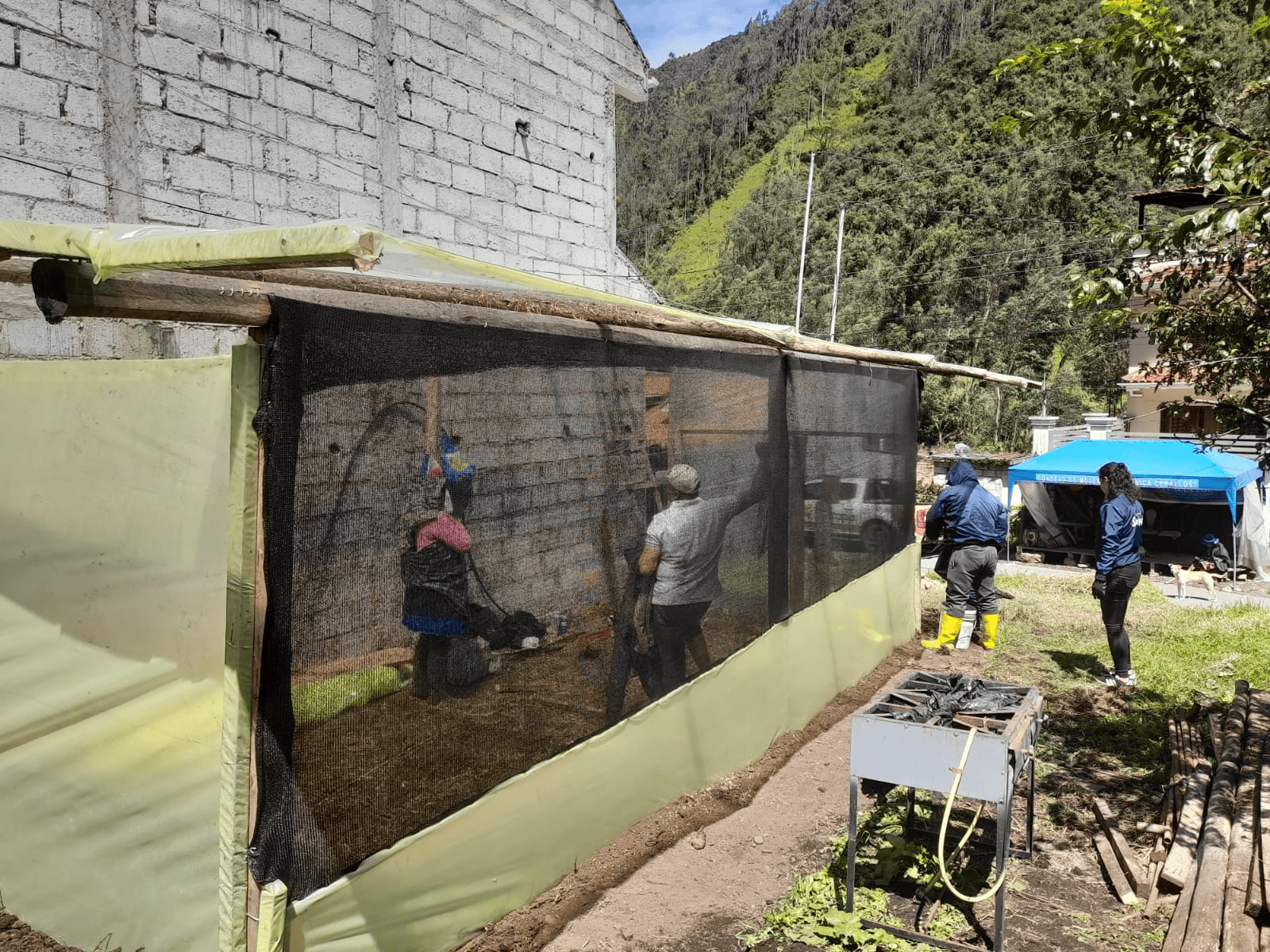
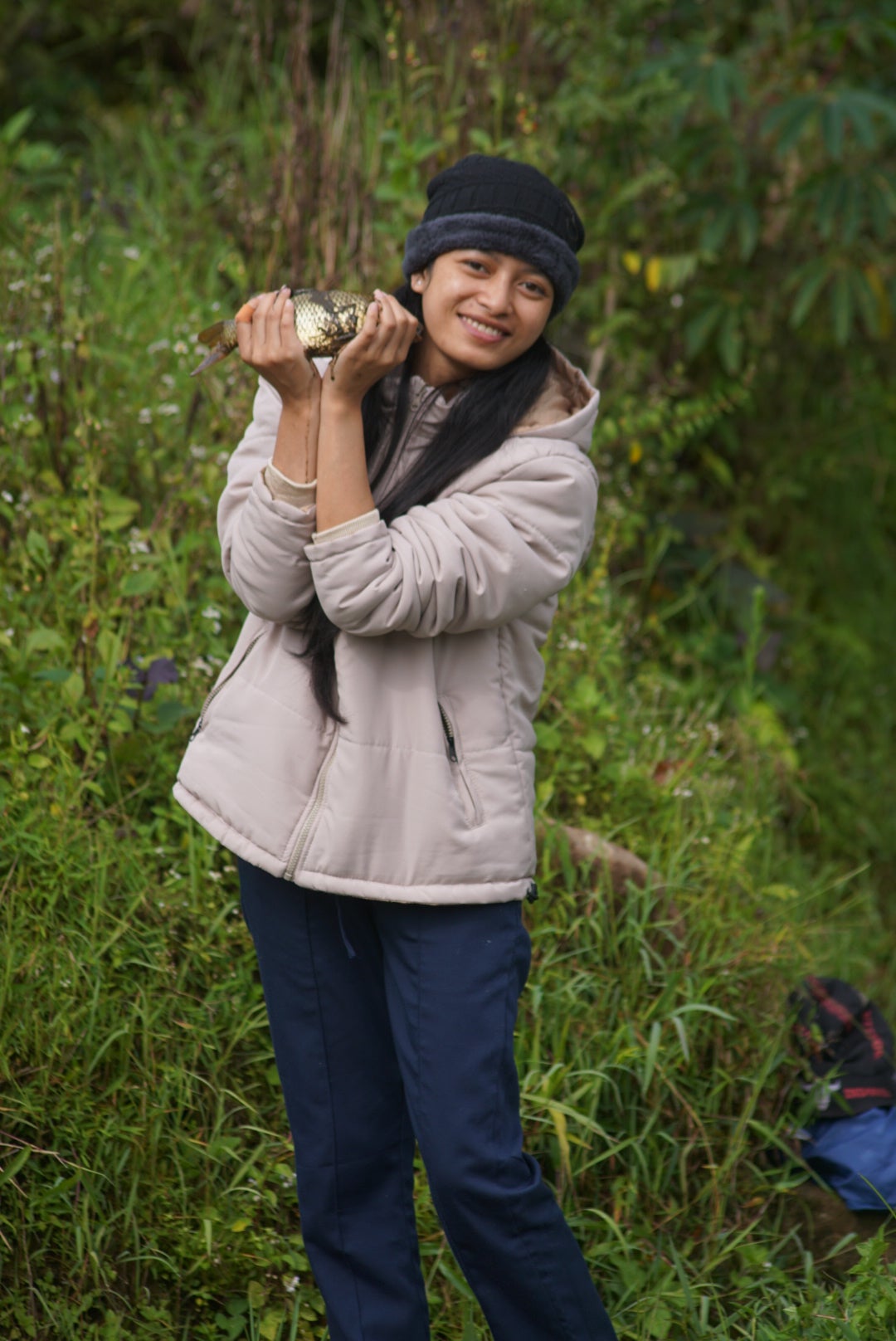
Gustin’s fellowship project expanded upon the work of Melada Sisola Baruppu’ with a focused objective: to revitalize traditional agricultural practices, meticulously document community history, and cultivate cultural pride among the youth of Baruppu’. Collaborating closely with local Knowledge Keepers, she spearheaded the restoration of the community pond, integrating traditional water management techniques with modern engineering principles. A significant contribution to the community’s well-being and agricultural practices was the provision of a communal Tedong (water buffalo). This sacred and practical animal plays a pivotal role in farming, transportation, and ceremonial life within the community. Furthermore, students actively participated in hands-on training sessions to learn the cultivation of Upe’, a direct reconnection with an agricultural tradition that has sustained their community for generations.
A central pillar of Gustin’s project was the creation of a comprehensive book documenting the history and culture of Baruppu’. This monumental undertaking involved extensive interviews with Elders, storytellers, and families, drawing upon their rich oral traditions and collective memories. The resulting publication serves as an invaluable repository, preserving the community’s history, folklore, and ancestral knowledge for the benefit of future generations. Through these multifaceted efforts, Gustin Tandirara is playing a crucial role in recovering cultural knowledge that was on the verge of being lost forever. Her work is simultaneously inspiring Indigenous youth to embrace their heritage with pride and empowering them to become the torchbearers of their traditions.
Broader Impact and Implications
The work undertaken by these young Indigenous leaders, supported by organizations like Cultural Survival, signifies a critical juncture in the global effort to safeguard cultural heritage and promote self-determination. Their initiatives are not isolated projects; they represent a growing wave of Indigenous-led movements that are reclaiming agency and demonstrating the enduring relevance of ancestral knowledge in contemporary society.
Supporting Data and Trends:
- Global Indigenous Population: While estimates vary, Indigenous Peoples constitute approximately 6% of the world’s population, yet they inhabit regions rich in biodiversity and natural resources.
- Cultural Erosion: UNESCO estimates that at least 40% of the world’s languages are endangered, with many of these being Indigenous languages. This loss of language is intrinsically linked to the erosion of cultural knowledge.
- Environmental Guardianship: Indigenous territories often overlap with areas of significant biodiversity and play a crucial role in climate regulation. Studies have shown that areas managed by Indigenous Peoples often exhibit lower rates of deforestation and greater biodiversity.
- Economic Empowerment: Revitalizing traditional practices can lead to sustainable economic opportunities, such as ecotourism, traditional crafts, and the sale of culturally significant agricultural products.
Analysis of Implications:
The success of these fellowship programs has profound implications. Firstly, they directly contribute to the preservation of tangible and intangible cultural heritage, preventing the irreversible loss of languages, traditions, and ecological wisdom. Secondly, by empowering Indigenous youth, these initiatives foster a strong sense of identity and belonging, crucial for combating alienation and promoting mental well-being in an increasingly globalized world. Thirdly, the projects underscore the critical role of Indigenous knowledge in addressing global challenges such as climate change and biodiversity loss. The ecological restoration efforts in Ecuador, for instance, highlight practical, community-based solutions to environmental degradation. Finally, by strengthening community resilience and self-determination, these programs enable Indigenous Peoples to advocate more effectively for their rights and to shape their own futures according to their cultural values and aspirations. The U Chak Lu’umil Ch’e’eno’ob Collective’s focus on traditional medicine addresses immediate healthcare needs while reinforcing cultural autonomy. Similarly, Gustin Tandirara’s efforts in Indonesia ensure that the younger generation is equipped not only with modern education but also with the deep historical and cultural context that defines their identity.
These young leaders are not merely preserving the past; they are actively constructing a more sustainable, equitable, and culturally vibrant future for their communities and for the world. Their dedication serves as a powerful reminder that ancestral knowledge is a living, evolving resource, vital for navigating the complexities of the 21st century.