The global education landscape is witnessing a significant shift in how humanitarian aid addresses the needs of children in crisis zones, as World Education, an initiative of JSI Research & Training Institute, Inc. (JSI), moves to implement a pioneering psychosocial support framework in Cameroon. This initiative serves as a critical pillar of a broader five-year strategic activity spanning from 2024 to 2029, led by Nascent Solutions, Inc. (Nascent) and funded through the United States Department of Agriculture (USDA) Foreign Agricultural Services (FAS) under the McGovern-Dole International Food for Education and Child Nutrition Program. By prioritizing the mental and emotional well-being of both students and educators, the program seeks to rebuild the foundational structures of learning in regions that have been destabilized by years of civil unrest.
The intervention specifically targets the Northwest and Southwest regions of Cameroon, areas that have been at the epicenter of a protracted socio-political crisis. For more than six years, these regions have faced a volatile environment characterized by school boycotts, displacement, and varying degrees of violence, which have collectively hindered the educational progress of an entire generation. World Education’s strategy moves beyond the traditional metrics of enrollment and literacy, acknowledging that academic success is inextricably linked to the psychological stability of the school community.
Contextualizing the Crisis: The Anglophone Conflict and its Educational Toll
To understand the necessity of this intervention, one must look at the historical and socio-political backdrop of the Northwest and Southwest regions, often referred to as the Anglophone regions of Cameroon. The crisis, which escalated in late 2016, began as a series of protests by lawyers and teachers over the perceived marginalization of the English-speaking legal and educational systems. By 2017, the situation transformed into an armed conflict between government forces and non-state armed groups seeking independence for a state they call Ambazonia.
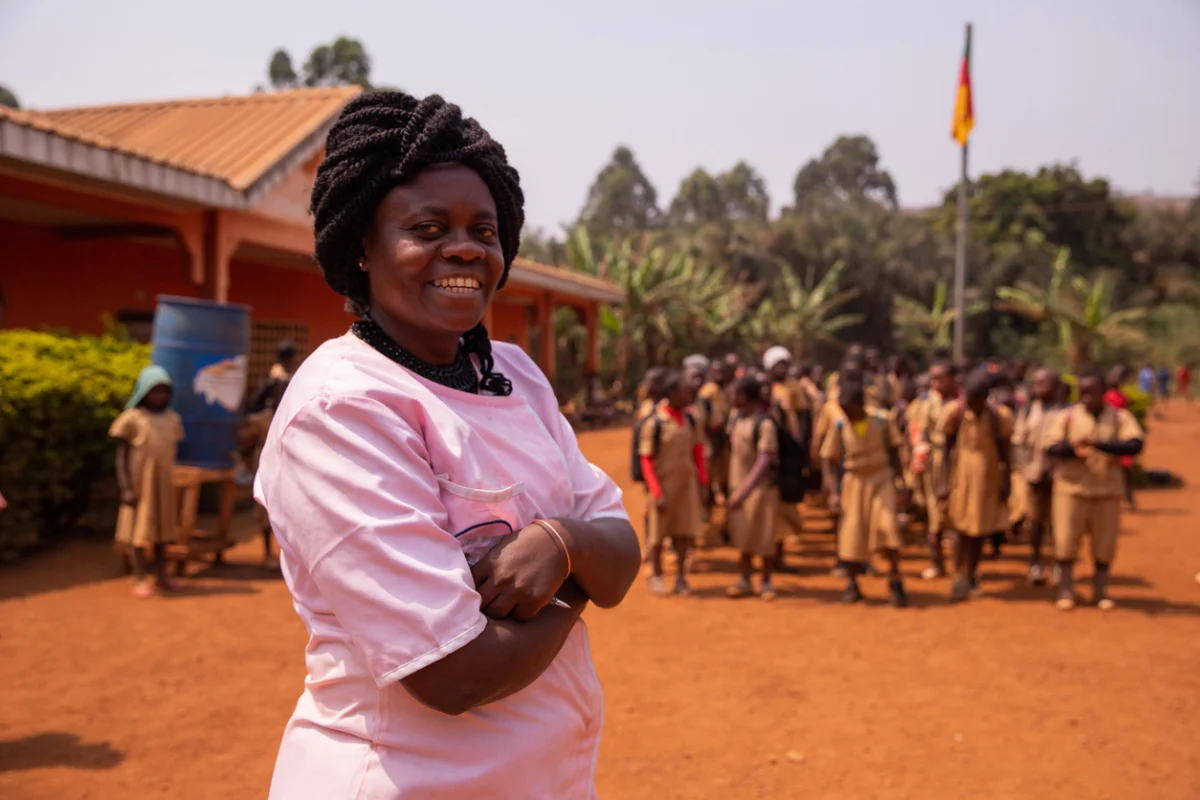
The impact on the education sector has been catastrophic. According to data from the United Nations Office for the Coordination of Humanitarian Affairs (OCHA), at the peak of the conflict, more than 80% of schools in these two regions were closed, affecting more than 700,000 children. Schools became targets of attacks, and "ghost town" lockdowns frequently prevented students from attending classes. Even as some schools have reopened in recent years, the trauma remains pervasive. Students have witnessed violence, lost family members, and experienced the instability of internal displacement. Teachers, too, have operated under immense pressure, often facing threats for their commitment to remaining in the classroom.
World Education’s entry into this landscape is timed to address the "hidden scars" of this conflict. While physical infrastructure and food security are vital—aspects handled by the primary McGovern-Dole grant—the emotional readiness to learn is the catalyst that ensures these other investments bear fruit.
The Strategic Framework: PSTs and PSGs
The core of the World Education initiative lies in a dual-structured approach that integrates professional clinical oversight with grassroots community mobilization. This strategy is designed to create a "safety net" that surrounds the child from the classroom to the home.
Psychosocial Support Teams (PSTs)
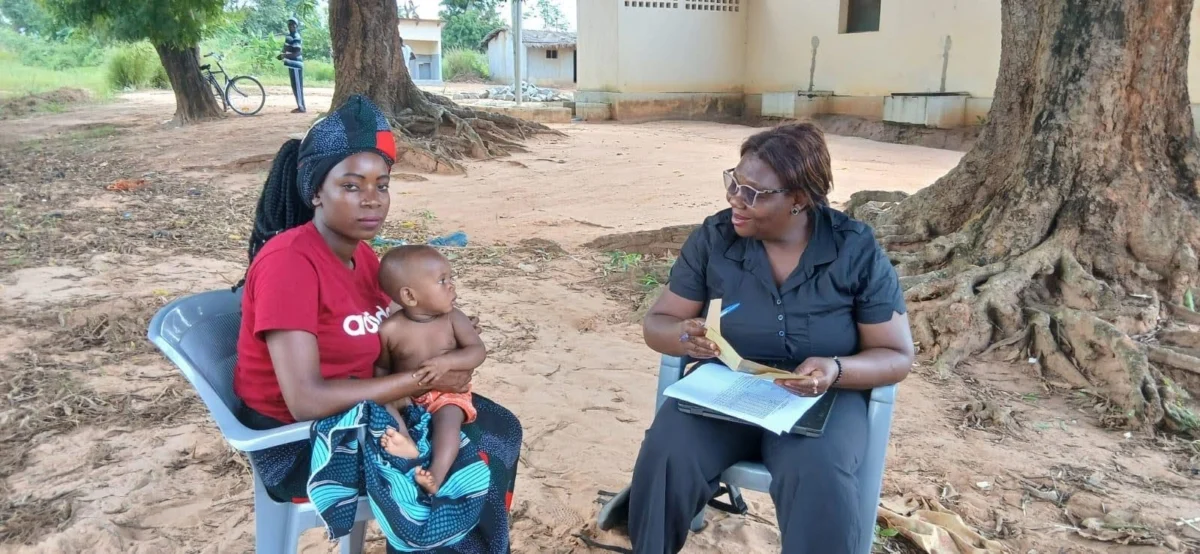
The first tier of the intervention involves the creation of specialized Psychosocial Support Teams (PSTs). These teams represent a sophisticated collaboration between the education and health sectors. World Education is leading the development of technical training materials to equip 96 master teachers and 96 local public health professionals. This cadre of 192 specialists will be trained in standardized screening methods to identify behavioral red flags in children.
These indicators include symptoms of chronic anxiety, clinical depression, withdrawal, and antisocial behaviors that often stem from post-traumatic stress disorder (PTSD). By placing these teams directly within the school ecosystem, the program ensures that interventions are immediate. The PSTs are trained to provide "psychological first aid" and simple psychosocial interventions designed to make the school environment feel welcoming and safe. For more severe cases, these teams serve as a vital link to clinical referrals, ensuring that children with deep-seated trauma receive the professional psychiatric care they require.
Psychosocial Support Groups (PSGs)
Recognizing that a school cannot be a sanctuary if the surrounding community is in distress, the second tier of the strategy focuses on Psychosocial Support Groups (PSGs). These are broader, community-based networks that incorporate school management committees, parents, and local traditional and religious leaders.
The PSGs are tasked with "community sensitization"—the process of educating the public on the importance of mental health and the specific needs of children living in conflict zones. By integrating wellness activities into the daily routines of the community and the school, the PSGs work to eliminate the stigma associated with trauma. This layer of the program ensures that the "child-friendly space" extends beyond the school gates, fostering a culture where the emotional well-being of the youth is a shared community priority.
A Chronology of Implementation and Long-term Goals
The 2024–2029 timeline reflects a phased approach to building sustainable local capacity. The program is not designed as a temporary relief measure but as a systemic overhaul of how school communities manage crisis.
- Phase 1 (2024): The initial year focuses on the development of specialized technical training curricula and the selection of the 192 PST members. This phase involves deep consultation with local stakeholders to ensure the materials are culturally sensitive and linguistically appropriate for the Northwest and Southwest regions.
- Phase 2 (2025–2026): This period marks the intensive training of master teachers and health workers. Concurrently, World Education will begin mobilizing the community-based PSGs. This is the "roll-out" phase where screening protocols are introduced in target schools.
- Phase 3 (2027–2028): The focus shifts to monitoring, evaluation, and the strengthening of school management committees. During this time, the project aims to see the PSTs operating independently, with minimal external oversight, as local professionals take full ownership of the processes.
- Phase 4 (2029): The final year is dedicated to sustainability and policy advocacy. World Education and Nascent Solutions will work to integrate these psychosocial models into the broader national education framework of Cameroon, providing a blueprint for other conflict-affected regions.
Supporting Data and Economic Implications
The decision to fund this initiative via the USDA’s McGovern-Dole program is backed by significant data regarding the intersection of nutrition, health, and education. Globally, the McGovern-Dole program has reached millions of children, with data showing that school feeding programs, when combined with health and wellness interventions, can increase school attendance by over 10% and significantly improve cognitive function.
In Cameroon, the economic implications are profound. A 2021 report on the impact of the Anglophone Crisis suggested that the disruption of education could lead to a significant "human capital gap" in the coming decades, potentially reducing the country’s future GDP. By intervening with psychosocial support now, World Education is helping to mitigate the risk of a "lost generation." Research from the World Health Organization (WHO) indicates that every $1 invested in scaled-up treatment for common mental disorders like depression and anxiety leads to a $4 return in better health and ability to work. In a school context, this translates to higher graduation rates and a more resilient workforce.
Perspectives from Leadership
The philosophy behind this holistic approach is best articulated by those steering the initiative. Adam Turney, Director at JSI/World Education, emphasizes that the program is designed to dismantle the invisible barriers to education. "Our approach goes beyond traditional educational support to address the hidden emotional barriers that prevent children from thriving," Turney stated. He highlighted that the goal is to build "sustainable support networks directly inside Cameroon’s schools," emphasizing that the strength of the program lies in its local professional training and community mobilization.
While Nascent Solutions leads the overarching five-year activity with a focus on food security and literacy, the partnership with World Education allows for a specialized focus on the "human element" of the crisis. Industry analysts suggest that this partnership model—combining the logistical strength of a large-scale food program with the specialized technical expertise of a psychosocial educator—represents a best-practice approach for modern humanitarian interventions.
Broader Impact: Education as a Tool for Peacebuilding
Beyond the immediate psychological benefits, the World Education initiative carries significant weight as a peacebuilding tool. In conflict zones, schools are often the first institutions to fail and the last to be restored. By transforming schools into safe, supportive environments, the program provides a sense of normalcy and hope to communities that have known only instability for years.
The strengthening of school management committees is particularly vital. By connecting these committees with the broader needs and visions of parents, the project fosters a sense of agency among local citizens. When parents feel they have a stake in a safe and functioning school system, it strengthens social cohesion and provides a non-violent pathway for community development.
Furthermore, the inclusion of local health workers in the PSTs bridges the gap between the education and health sectors, creating a more integrated social service infrastructure. This interdisciplinary cooperation is essential for the long-term resilience of the Northwest and Southwest regions.
Future Outlook and Sustainability
As World Education and Nascent Solutions move forward with the 2024–2029 activity, the international community will be watching closely. The success of this model in Cameroon could provide a scalable framework for other conflict-ridden nations where the psychological toll of war often goes unaddressed in favor of more visible infrastructure needs.
The ultimate goal of the initiative is organic sustainability. By the end of 2029, the 192 master teachers and health workers, along with the numerous PSGs, are expected to function as a permanent fixture of the Cameroonian educational landscape. Through this deep-rooted community ownership, the wellness of students and teachers will no longer be dependent on international grants, but will be maintained as a fundamental pillar of the local educational mission.
In a region where the future has often seemed uncertain, this initiative offers a tangible roadmap toward recovery. By ensuring that children are not only fed and enrolled but are also emotionally ready to learn, World Education is helping to secure a more stable and prosperous future for the children of Cameroon.