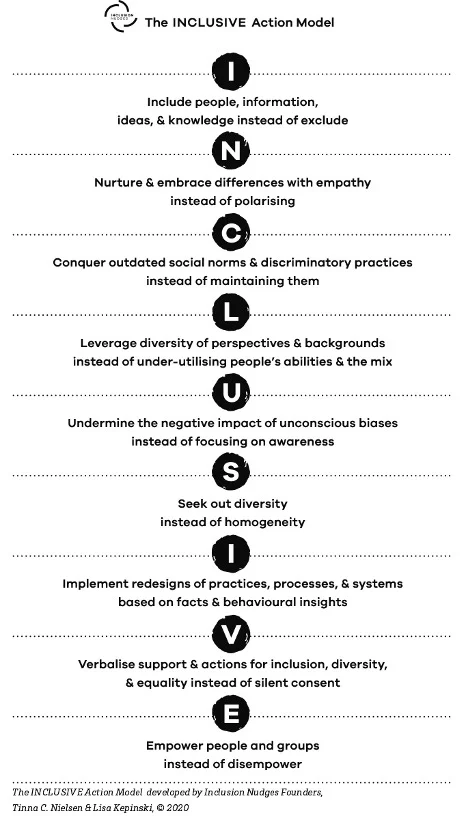
Unconscious bias awareness training, a pervasive and often mandated response to combatting discrimination and inequality, has emerged as a cornerstone of diversity, equity, and inclusion (DEI) initiatives across corporations, institutions, and governments worldwide. Billed as a swift remedy to entrenched systemic issues, this multi-billion dollar industry promises to foster more equitable environments by making individuals aware of their inherent prejudices. However, a growing body of research and real-world experience increasingly indicates that this widespread approach is, at best, largely ineffective, and at worst, counterproductive, potentially exacerbating the very biases it aims to mitigate. This critical examination delves into the limitations of current bias training methodologies and champions a paradigm shift towards designing systemic solutions for a truly just and inclusive world.
The proliferation of unconscious bias awareness training can be traced back to the burgeoning understanding of cognitive psychology in the late 20th century, particularly the work of psychologists Daniel Kahneman and Amos Tversky, who illuminated the existence of "System 1" (fast, intuitive, unconscious) and "System 2" (slow, deliberative, conscious) thinking. This theoretical framework provided a scientific basis for explaining how implicit associations and stereotypes could influence decision-making outside of conscious awareness. As global conversations around social justice, equality, and workplace fairness gained momentum, especially in the wake of the #MeToo movement exposing widespread sexual harassment and the #BlackLivesMatter movement highlighting systemic racial injustice, organizations found themselves under immense pressure to demonstrate proactive commitment to DEI principles.
The Rise of a Global Industry and the "Quick Fix" Mentality
From roughly the early 2000s, and particularly accelerating in the 2010s, bias training transitioned from an academic concept to a practical, often mandatory, corporate intervention. Companies, seeking to mitigate legal risks, enhance their public image, and genuinely foster more inclusive cultures, invested heavily in programs designed to uncover and address unconscious biases. The pattern became remarkably predictable: an employee grievance citing discriminatory treatment, a public relations crisis stemming from perceived exclusion, or a general desire to signal support for diversity would often trigger the immediate implementation of organization-wide bias training. It became a default, almost reflexive, response.
This reactive deployment often positioned bias training as a "quick fix" or a "defensive shield" against calls for deeper, structural change. The announcement, "We’re offering bias training across the organization," frequently served as a public declaration that "things are going to change here," implying that awareness alone would translate into behavioral modification. This approach fueled a lucrative industry, with consultants and platforms offering various forms of training, from online modules to in-person workshops. Reports from industry analysts estimate the global DEI market, of which bias training is a significant component, to be worth tens of billions of dollars annually, projected to grow further. Yet, despite this massive investment and widespread adoption, many organizations report little to no tangible improvement in their DEI metrics or workplace culture. The question then becomes: why isn’t this widely adopted solution delivering on its promise?
The Fundamental Misalignment: Why Awareness Alone Fails
The core issue lies in a fundamental misunderstanding of how the human mind operates and how biases manifest. Unconscious bias training primarily targets the conscious, rational "System 2" mind. It provides knowledge, data, and scenarios designed to make individuals aware of their implicit biases, such as affinity bias, confirmation bias, or gender bias. The assumption is that once aware, individuals will consciously override these biases and make more equitable decisions.
However, the vast majority of our cognitive functioning, including the automatic processing that gives rise to biases and stereotypes, occurs within the "System 1" mind. This system operates rapidly, intuitively, and without conscious effort, making it highly resistant to direct, knowledge-based interventions. Telling someone about their biases, even with good intentions, does not automatically disarm the unconscious mechanisms that drive behavior. It’s akin to teaching someone the theory of swimming from a textbook and expecting them to be an Olympic swimmer without ever entering the water. The language of traditional training, which appeals to rational thought, simply isn’t speaking to the "brain system" that needs to be influenced for lasting behavioral change.
Documented Negative Outcomes: When Training Backfires
Beyond mere ineffectiveness, a growing body of research highlights several ways in which unconscious bias awareness training can actively backfire, undermining the very goals it seeks to achieve:
- Mental Overload and Enhanced Bias: Consciously trying to suppress or monitor every potential bias can lead to cognitive overload. When individuals are under mental strain or distracted, they are more likely to revert to automatic, System 1 thinking, which, ironically, strengthens the impact of existing biases. The constant vigilance required to counteract unconscious processes can be exhausting and unsustainable, leading to greater reliance on default, biased behaviors rather than reducing them.
- Reinforcing Stereotypes: Paradoxically, by explicitly discussing stereotypes and biases, some training programs can inadvertently reinforce them. Research, including studies published in journals like Psychological Science, suggests that bringing certain stereotypes to conscious attention, even in a critical context, can make them more accessible in memory and thus more likely to be activated later, potentially leading to increased biased thinking and behavior.
- Strengthening Misconceptions of Inequality: A 2020 study, for instance, revealed that making individuals in privileged positions aware of racial prejudice and inequality in society did not necessarily shift their belief in society being largely fair. Instead, for some, it strengthened this belief and even led to a more optimistic perception of past inequalities. This "awareness backfire" can occur when individuals, after being exposed to the concept of bias, rationalize existing disparities as natural or unavoidable, rather than as consequences of systemic issues requiring active intervention.
- The "Bias is Natural" Excuse: When participants are told that biases are "natural" and universal aspects of human cognition, it can inadvertently decrease their motivation to change. If everyone is biased, the perceived personal responsibility to overcome it diminishes, leading to a "lean back" effect where individuals feel less compelled to challenge their own prejudices or advocate for change.
- Activating Shame and Fear: The very terminology—"Unconscious Bias Awareness Training" or even "Inclusion & Diversity Training"—can trigger defensive psychological reactions. For some, it may evoke feelings of being "fixed" or judged, leading to anxiety. For others, particularly those in positions of power, it can activate loss aversion, sparking fears of losing privilege, status, or power. These negative emotions can foster resentment, resistance, and a desire to prove one’s "non-biased" status, rather than genuine openness to self-reflection and change. Comments such as "I’ll lose privilege" or "Now, I’ll show them how wrong they are" are not uncommon, highlighting the counterproductive emotional responses.
- Moral Licensing: Perhaps one of the most insidious negative effects is "moral licensing." This psychological phenomenon occurs when individuals engage in a positive action, such as attending bias training, which then creates a self-perception of being a "good person" or being "non-discriminatory." This positive self-image can unconsciously license them to subsequently behave in less inclusive, or even discriminatory, ways. Studies have demonstrated this effect vividly: individuals who strongly disagreed with sexist statements were later more likely to make sexist comments or hire a man for a stereotypically male job, feeling secure in their "non-sexist" credentials. Similarly, those who expressed anti-racist sentiments sometimes exhibited subtle discriminatory behavior towards racial minorities, unconsciously believing their prior moral act had granted them permission.
Statements from Researchers and Practitioners
Leading researchers in organizational psychology and behavioral economics have consistently raised alarms about the efficacy of traditional bias training. Dr. Frank Dobbin and Alexandra Kalev, sociologists who have extensively studied diversity programs, concluded in their Harvard Business Review article that "diversity training doesn’t work" and can even "activate bias or spark a backlash." They advocate for structural changes over individual attitude adjustments. Similarly, behavioral economist Iris Bohnet, in her book What Works: Gender Equality by Design, argues that while awareness of biases is a first step, it is insufficient without concrete design interventions that remove opportunities for bias to influence decisions.
While some DEI consultants and training providers might argue that awareness is a crucial prerequisite for change, the consensus among behavioral scientists is that awareness alone rarely translates into sustained behavioral modification. HR professionals, often tasked with implementing these programs, frequently express frustration over the lack of measurable impact, despite significant budgetary allocations. Corporate leaders, initially hopeful, often grow disillusioned when training initiatives fail to move the needle on diversity metrics or improve employee satisfaction related to inclusion.
An Effective Path Forward: Designing for Inclusion through Nudges
Given the limitations and potential downsides of awareness-based training, a fundamental re-evaluation of our approach to de-biasing is imperative. The human mind cannot be "rewired" or "fixed" through conscious effort alone. Instead, the solution lies in working with our cognitive systems, leveraging insights from behavioral and social sciences to design environments and processes that minimize the impact of bias by default. This is where the concept of "Inclusion Nudges" offers a powerful and empirically supported alternative.
An Inclusion Nudge is a deliberate action or design intervention crafted to influence the unconscious mind, making inclusive behavior the easy, automatic, and default choice in daily interactions and decision-making. These nudges bypass the need for constant conscious vigilance or rational arguments, directly influencing the System 1 mind. They leverage principles from nudge theory, which posits that subtle interventions can steer choices in a predictable direction without restricting freedom of choice or imposing mandates.
Inclusion Nudges are effective because they:
- Minimize Mental Shortcuts: They proactively reduce opportunities for biases to influence decisions.
- Work with the Unconscious: By appealing to System 1, they create lasting behavioral changes that align with desired inclusive outcomes.
- Are Cost-Effective: Many nudges involve simple, low-cost modifications to existing processes.
- Respect Autonomy: They guide behavior without coercion, allowing individuals to still make their own choices.
- Are Sustainable: Once implemented, they create a default inclusive environment that requires less ongoing conscious effort.
A Pioneering Example: Blind Auditions in Orchestras
A classic and highly illustrative example of an Inclusion Nudge is the implementation of blind auditions by symphony orchestras. Beginning in the 1970s, spurred by internal questioning about the overwhelming predominance of white male musicians, some orchestras started having candidates perform behind a screen, completely obscuring their identity from the selection committee. The results were immediate and dramatic. The number of women selected for orchestras increased by as much as 50% in some cases, and the ethnic diversity of successful candidates also saw a significant shift.
This simple design change—anonymizing the candidate—directly mitigated gender, racial, and appearance biases that had unconsciously influenced evaluators. The focus shifted entirely to musical merit. Some orchestras even went further, laying carpets on the stage to muffle the sound of shoes, as the click of high heels could subtly prime gender stereotypes in the unconscious minds of the committee members, potentially affecting their perception of the musical performance. This evidence has been available for over four decades, yet its broader adoption across other industries, particularly in hiring and promotion, has been surprisingly slow. While technological platforms are now making anonymous screening easier, the resistance to implementing such straightforward, effective changes highlights the deep-seated reliance on traditional, less effective methods.
Conclusion: A Call for Systemic Design
The ongoing reliance on unconscious bias awareness training as a primary solution for discrimination and inequality represents a significant misallocation of resources and effort. While creating a shared language and moments of self-reflection can have some fleeting positive effects, these are insufficient to instigate the deep, systemic behavioral changes required for true equity. The scientific evidence is compelling: awareness alone is not the solution.
Instead, the path towards a more just and inclusive world necessitates a strategic shift from trying to "fix" individuals to proactively "designing" inclusive systems. By understanding the intricacies of human cognition and leveraging the power of Inclusion Nudges, organizations can embed inclusive defaults into their processes, structures, and environments. This means actively mitigating the influence of unconscious bias by making inclusive behavior the automatic norm, rather than an arduous conscious effort. Thousands of individuals and organizations globally have already begun to implement these change designs with proven success. It is time to embrace these evidence-based approaches, speed up their adoption, and make inclusion the default, everywhere, for everyone.