Protecting the safety and rights of refugees is not merely a moral imperative; it is a codified legal obligation deeply embedded in international treaties, domestic laws, and fundamental humanitarian principles. This commitment, established over decades, forms the bedrock of global efforts to assist individuals fleeing violence and persecution. In an era of escalating displacement, understanding this legal architecture is more critical than ever. This analysis, presented in HIAS’s "Deep Dive" series, examines the intricate legal framework that underpins refugee protection, from its international origins to its application within the United States, and the ongoing challenges to its integrity.
Historical Roots and International Principles
The concept of offering sanctuary to those displaced by conflict or persecution has ancient roots. However, the modern international legal framework for refugee protection was largely forged in the aftermath of World War II and the Holocaust. The profound human tragedy of that era necessitated a global consensus on how to address mass displacement and prevent future atrocities.
The cornerstone of contemporary international refugee law is the 1951 Convention Relating to the Status of Refugees and its subsequent 1967 Protocol. These landmark agreements established the first universally recognized definition of a "refugee" and laid down minimum standards for their treatment, thereby creating a permanent and comprehensive system for safeguarding vulnerable populations.
At the heart of the 1951 Convention lie two pivotal principles:
- Non-refoulement: This fundamental principle unequivocally prohibits the return of refugees to any territory where their life or freedom would be threatened due to their race, religion, nationality, membership in a particular social group, or political opinion. This ensures that individuals fleeing persecution are not forcibly returned to face further danger.
- Right to Seek Protection: The Convention affirms the right of individuals to seek asylum in another country. This principle is crucial for enabling those fleeing persecution to find safety and begin rebuilding their lives.
Beyond these core tenets, the Convention outlines a range of rights afforded to refugees, including access to courts, education, employment, and public assistance. Crucially, it emphasizes the principle of non-discrimination, ensuring that refugees are treated with the same rights and dignity as the nationals of the host country. The 1967 Protocol significantly expanded the Convention’s scope by removing its geographical limitations, making its protections applicable to refugees worldwide, regardless of where they originated.
Today, the United Nations High Commissioner for Refugees (UNHCR) serves as the principal international body tasked with coordinating global refugee protection and assistance efforts. Organizations like HIAS work in close collaboration with UNHCR, advocating for refugee rights and providing essential services to displaced populations across various regions. This partnership ensures a coordinated and effective response to the complex needs of refugees on a global scale.
U.S. Refugee Legal Obligations: A Shifting Landscape
Within the United States, the legal framework for refugee protection is primarily governed by the Immigration and Nationality Act (INA), enacted in 1965. This foundational legislation has been instrumental in shaping U.S. immigration policy, including provisions for asylum and refugee status. The INA’s commitment to refugee protection was further solidified by the Refugee Act of 1980. This critical amendment brought U.S. law into closer alignment with the international standards set forth by the 1951 Convention.
The Refugee Act of 1980 established the U.S. Refugee Admissions Program (USRAP), a structured system for admitting refugees into the country after they have been identified by UNHCR or other designated organizations and have undergone rigorous security and health screenings. HIAS, as one of the nation’s leading resettlement agencies, plays a vital role in this program, partnering with the federal government to help refugees successfully integrate into American communities.
The Refugee Act also created a formal process for individuals physically present in the U.S. to apply for asylum. Asylum seekers must demonstrate a well-founded fear of persecution in their home country based on specific protected grounds: race, religion, nationality, membership in a particular social group, or political opinion.

Under these legal commitments, refugees resettled in the U.S. are entitled to:
- The right to work.
- Access to public education for their children.
- The opportunity to apply for lawful permanent residency after one year.
- The ability to petition for immediate family members to join them in the U.S.
These provisions underscore a historical American commitment to humanitarian principles and the provision of refuge to those fleeing persecution. However, in recent years, this commitment has faced significant challenges.
The Trump Administration’s Assault on Refugee Rights
The period of the Trump administration marked a significant and deliberate erosion of refugee rights and protections within the United States. From its inception, the administration implemented policies that were widely seen as an aggressive assault on both domestic and international obligations.
- Suspension of USRAP and Record Low Ceilings: Almost immediately upon taking office in January 2017, the Trump administration temporarily suspended the U.S. Refugee Admissions Program (USRAP). This action left thousands of refugees in limbo and created immense uncertainty for individuals already in transit or awaiting resettlement. Subsequently, the administration set the lowest refugee admissions ceiling in U.S. history, drastically reducing the number of individuals who could find safety in the country. Furthermore, the administration initiated a review of previously approved refugee cases, causing profound anxiety for those who had already begun to rebuild their lives in the U.S. These actions were often undertaken without clear consideration for the legal obligations to refugees or the escalating global humanitarian crises.
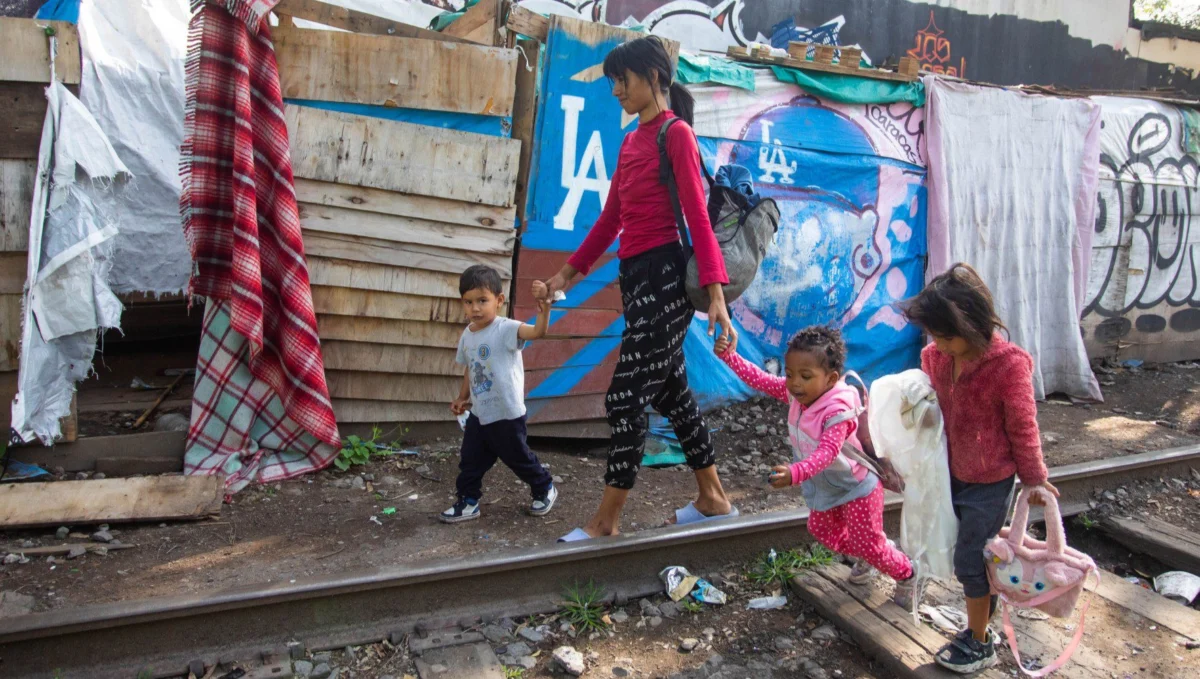
- Closing the Border to Asylum Seekers: The administration effectively closed the U.S.-Mexico border to asylum seekers, implementing policies that made it exceedingly difficult for individuals fleeing violence to seek protection or receive fair hearings. Practices such as the "Remain in Mexico" policy (officially known as the Migrant Protection Protocols) forced asylum seekers to wait in dangerous conditions in Mexico while their cases were processed. This effectively denied vulnerable displaced people access to urgently needed safety and legal support. In response, HIAS expanded its legal and social services to assist asylum seekers through its staff attorneys and pro bono partners.
- Mass Deportation Programs and Third-Country Deportations: The Trump administration aggressively pursued a mass deportation program characterized by high-profile raids and the removal of individuals from their homes, workplaces, and public spaces. A particularly concerning practice was the implementation of "third-country deportations," sending individuals to countries where they faced significant danger, thereby violating the principle of non-refoulement. These well-funded operations often resulted in violent and, in some cases, unlawful removals, instilling fear within communities and leading to widespread insecurity. HIAS actively spoke out against these harms, provided resources and information to affected communities, and mobilized Jewish communities nationwide to organize vigils, offer legal accompaniment, and prepare to support neighbors facing the threat of deportation.
These policies represented a stark departure from established U.S. legal and humanitarian commitments, prioritizing restrictive immigration policies over the protection of vulnerable populations.
Ongoing Challenges and the Fight for Protection
Despite the challenges posed by the Trump administration, the fundamental legal pathways to safety for refugees and asylum seekers remain critical, both in the United States and globally. HIAS, along with numerous other organizations, continues to advocate tirelessly to ensure that governments honor their legal obligations to refugees and asylum seekers.
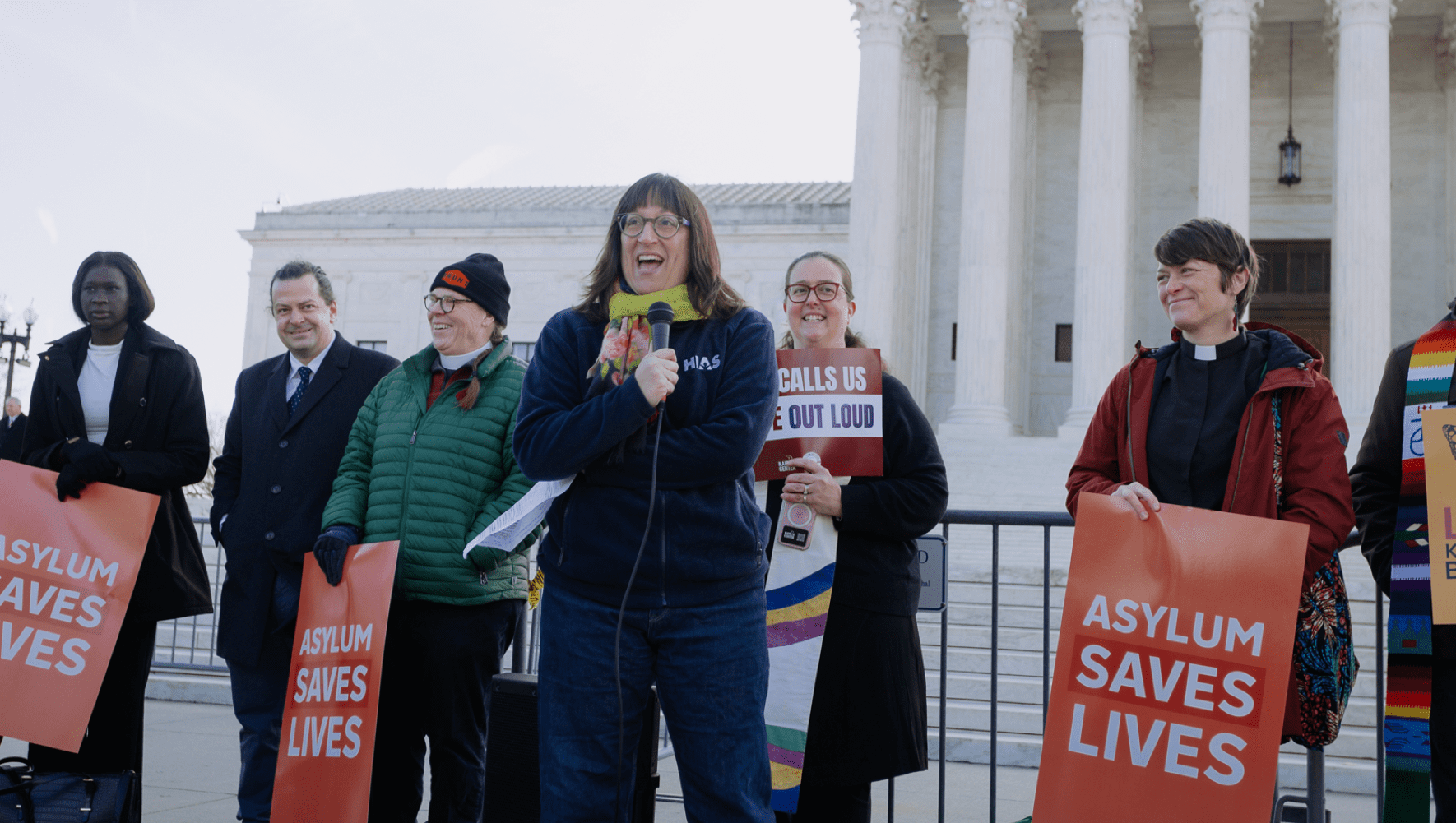
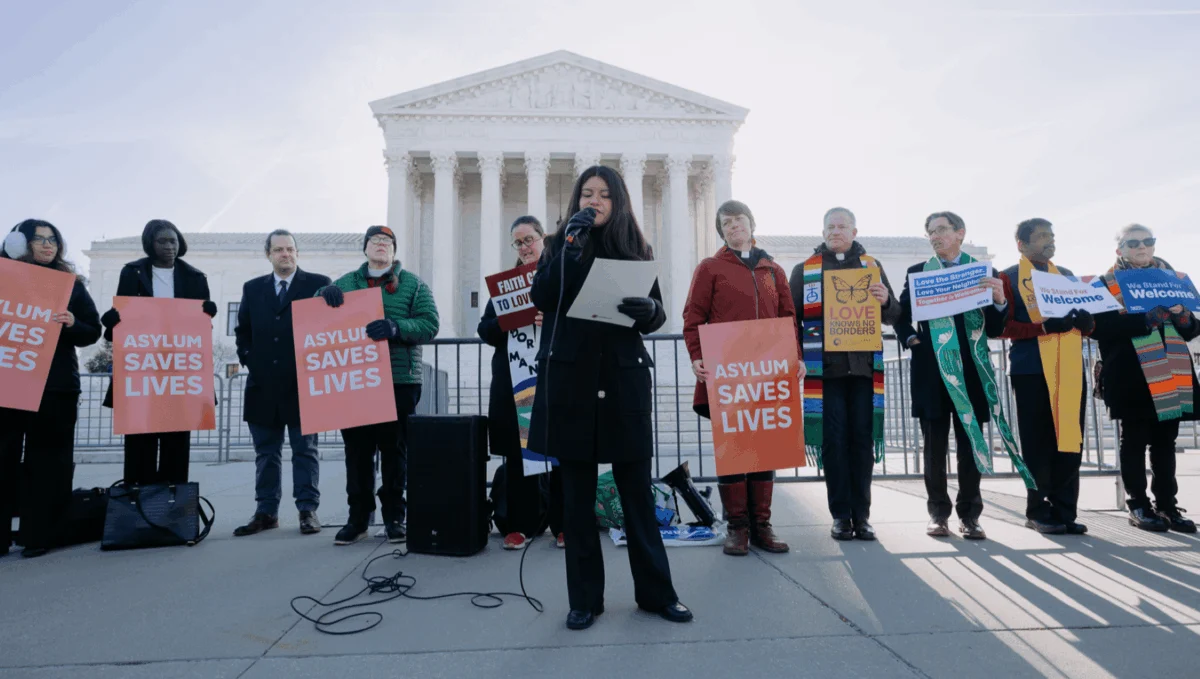
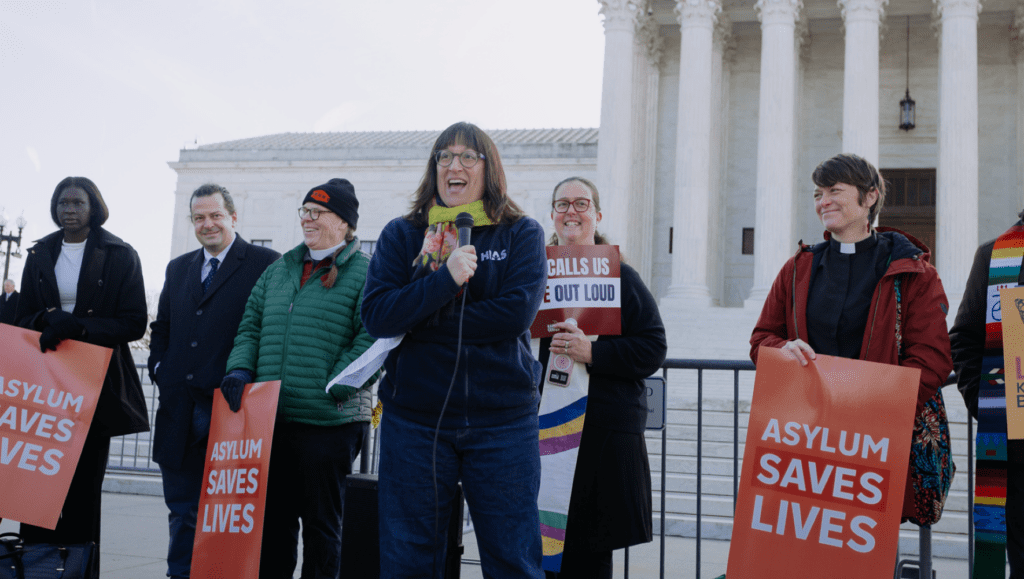
The case of Mullin v. Al Otro Lado, heard by the Supreme Court on March 24, 2026, highlights the ongoing legal battles surrounding asylum at the U.S.-Mexico border. HIAS filed an amicus brief in this case, underscoring the critical importance of ensuring that individuals fleeing violence and persecution can still seek asylum at the border. The Supreme Court’s decision in this matter is expected to have significant implications for the future of asylum law in the United States.
The legal framework for refugee protection is not static; it is a dynamic and often contested space. The principles enshrined in international conventions and domestic laws represent a hard-won consensus on humanity’s responsibility to those in need. Protecting these rights requires constant vigilance, robust advocacy, and a collective commitment to upholding the values of compassion and justice.
As global displacement continues to rise due to conflict, climate change, and political instability, the need for strong and accessible asylum systems becomes even more pronounced. The legal obligations to refugees are not merely bureaucratic hurdles; they are a testament to our shared humanity and a crucial mechanism for preventing suffering and fostering a more just and equitable world. The ongoing efforts to uphold these principles, exemplified by organizations like HIAS, are essential in ensuring that the promise of refuge remains a reality for those who need it most.