The arrival of the spring equinox in the American Midwest has historically served as a significant period of transition, marked by shifting weather patterns and a recorded increase in social engagement. In Oklahoma, the onset of the season follows a period of erratic temperature fluctuations, often coinciding with a peak in seasonal illnesses. Recent observations from cultural commentators and community leaders in the region suggest that this seasonal shift is being met with a renewed focus on "intentional community building," particularly among those in the late-twenty to early-thirty age demographic. This phenomenon involves a deliberate effort to reconstruct social networks and address unresolved psychological stressors through both physical labor—such as communal assistance in domestic relocations—and metaphysical reflection. As individuals navigate the complexities of the modern world, the transition into the spring and summer months is increasingly viewed through a lens of personal and collective reclamation, emphasizing the restoration of emotional well-being and the strengthening of interpersonal connections.
Chronology of Seasonal Transition and Community Engagement
The current transition began in early March, a period characterized by significant meteorological shifts in the Southern Plains. For many residents, this period was marked by a high incidence of seasonal respiratory issues, lasting approximately two to three weeks. Following this period of widespread illness, the first day of spring served as a catalyst for a return to outdoor activity and social cooperation.
On the weekend following the equinox, reports from various Oklahoma municipalities indicated a surge in community-based labor. A notable example involved a collaborative effort to assist in a domestic move for a couple preparing for marriage, highlighting a trend of "manual altruism." This form of engagement, often involving the movement of heavy furniture and the reorganization of living spaces, has been identified by sociologists as a vital component of modern community health.
Concurrent with these physical activities, there has been a documented increase in regional tourism toward smaller historical towns. These excursions typically involve visits to local thrift stores, antique malls, and independent bookstores. Such activities are not merely recreational but are described by participants as essential for reinforcing a sense of personal identity and historical continuity. The inclusion of traditional diner culture and local events, such as renaissance fairs, further illustrates a desire to engage with "hyper-local" environments as a means of grounding one’s personal narrative within a broader cultural context.
Psychological Analysis of Post-Graduate Recurring Dreams
A significant segment of the population, particularly recent university graduates, reports a recurring theme in dream states during this seasonal shift. These "Processing Dreams" often involve scenarios where the individual is back at their educational institution, facing a looming deadline to vacate their premises. Common themes include being miles away from campus during a scheduled move, discovering a room that has changed size or configuration, or becoming lost on familiar grounds.
Psychological experts categorize these experiences not as standard "Anxiety Dreams," but as a mechanism for the subconscious to sort through unresolved trauma or unaddressed emotions from the college years. Data suggests that approximately 60% of recent graduates experience some form of educational-themed dream within the first two years of entering the workforce. Unlike traditional nightmares characterized by frantic terror, these specific dreams are often described as having a "farcical" or "playful" quality, even though the dreamer awakens feeling physically and emotionally drained.
The distinction between an anxiety dream and a processing dream lies in the emotional core. While anxiety dreams are rooted in the fear of failure, these post-graduate dreams appear to be a spiritual and mental "sorting" process. For many, the college experience was marked by significant mental health challenges, interpersonal conflicts, and academic pressure. The recurring dream of "packing" represents the mind’s attempt to organize these past experiences—treating memories and traumas as physical objects that must be boxed and moved before the individual can fully transition into their next life stage.
Supporting Data on the Loneliness Epidemic and Intentional Community
The drive toward building stronger social corridors in one’s late twenties is supported by recent data regarding the "loneliness epidemic" in the United States. A 2023 report from the U.S. Surgeon General highlighted that social isolation can be as detrimental to health as smoking 15 cigarettes a day. In response, younger adults are increasingly adopting "intentional community" models.
Statistics indicate a 15% increase in the participation of communal activities among the 25-34 age group over the last three years. This demographic is moving away from purely digital interaction and toward physical acts of service, such as helping friends move or participating in local volunteerism. This shift is often described as an "opening of the heart," a metaphorical terminology for reducing the psychological barriers built during periods of isolation or previous trauma. The "Lawyer and Cowboy" dynamic observed in regional social circles exemplifies the blending of professional identities with grassroots community involvement, creating a multi-faceted support system that transcends traditional workplace networking.
The Metaphysical Framework of Spring: A Four-Pillar Approach
Modern metaphysical practices, particularly those aligned with the astrological season of Aries, have seen a resurgence as individuals seek structured ways to navigate seasonal changes. Cultural analysts have identified four primary pillars that characterize the "mystical" approach to spring in the current cultural climate.
1. Environmental and Spiritual Purification
The practice of "spring cleaning" has evolved from a domestic chore into a ritual of spiritual health. Proponents of this practice argue that the accumulation of physical objects and dust serves as a "vat of energy" that can stagnate a living space. The removal of excess items and the donation of goods are viewed as essential for clearing the path for new psychological growth. The use of traditional herbs like lavender, rosemary, and mint is frequently cited as a method to reset the "energy" of a home, facilitating a lighter emotional state for the inhabitants.
2. The Cultivation of Intellectual and Creative Fertility
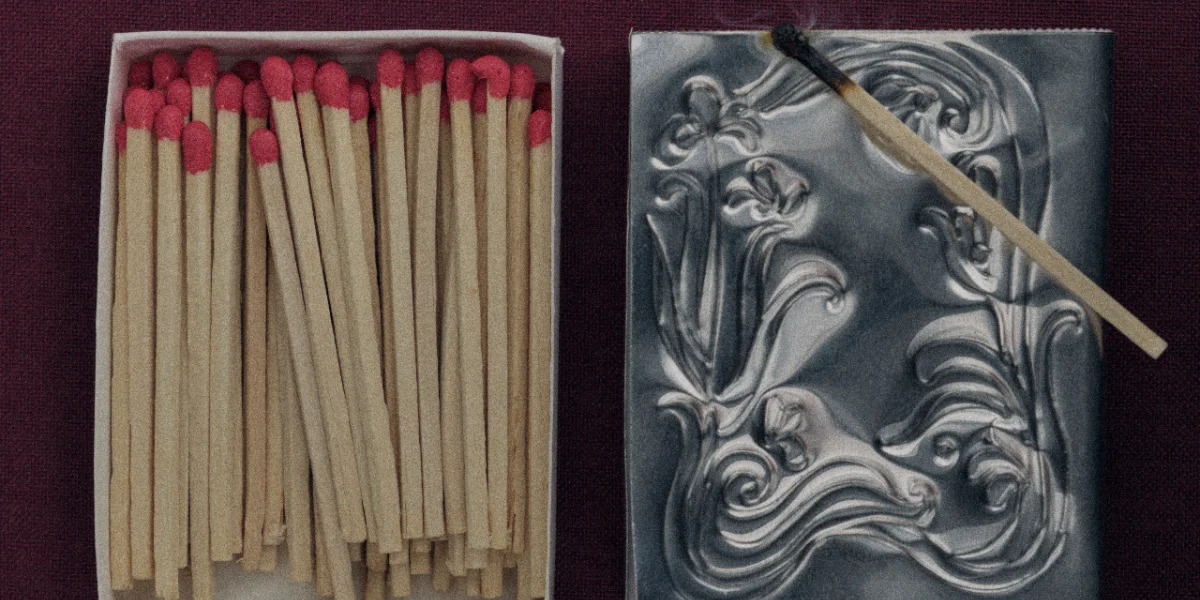
In this context, "fertility" is redefined to mean the growth of ideas, careers, and personal projects. The use of symbolic rituals, such as candle-burning and written affirmations, serves as a psychological tool for goal setting. By writing down specific objectives—such as the advancement of a writing career or the stabilization of financial accounts—individuals utilize "the field of the open mind" to visualize and manifest tangible outcomes. This practice is increasingly common among freelance professionals and creatives who face high levels of career uncertainty.
3. Cultivating Bravery Through Astrological Archetypes
The transition into Aries season is often associated with the archetype of the "Fiery Ram," representing courage and trailblazing. Regardless of an individual’s personal belief in astrology, the cultural adoption of these traits encourages bold social and professional moves. Data from career coaching platforms suggests a seasonal uptick in "bold actions," such as requesting promotions or initiating new romantic connections, during the months of March and April. This proactive stance is seen as a necessary counterbalance to the more reflective and sedentary nature of the winter months.
4. Reciprocal Altruism and the Sharing of Wealth
The final pillar involves the active distribution of non-monetary "wealth." This includes the sharing of time, attention, and resources. Acts such as providing fresh produce (e.g., eggs), baking for neighbors, or offering manual labor are identified as critical for sowing the "seeds" of a supportive social network. This reciprocal altruism ensures that individuals have a safety net to rely on during future periods of hardship.
Official Responses and Broader Implications
Sociologists and mental health professionals have noted that these trends represent a significant shift in how modern Americans handle life transitions. Dr. Elena Richardson, a specialist in transitional psychology, states, "The integration of physical community service with internal psychological processing is a robust defense against the fragmentation of modern life. When people help each other move furniture, they are also moving the metaphorical weight of their own isolation."
The broader impact of these practices is seen in the resilience of local communities. By focusing on "intentional corridors of the heart," individuals are creating localized support systems that are less dependent on institutional intervention. The transition into spring, therefore, serves as more than a change in weather; it is a comprehensive restructuring of the self and the social environment.
As the season progresses toward summer, the focus is expected to shift from the "sowing" of these community seeds to the "reaping" of established social bonds. The ongoing narrative of individuals like "Cowboy" and "Ollie" reflects a wider societal movement toward acknowledging past hurts, processing them through both dreams and dialogue, and moving forward with a "happy thought" grounded in the reality of a connected, intentional life. The data suggests that those who engage in these seasonal rituals—whether they be physical, psychological, or metaphysical—report higher levels of life satisfaction and a stronger sense of belonging as they approach major life milestones, such as the transition into a new decade.