March 4, 2026
By HIAS Staff
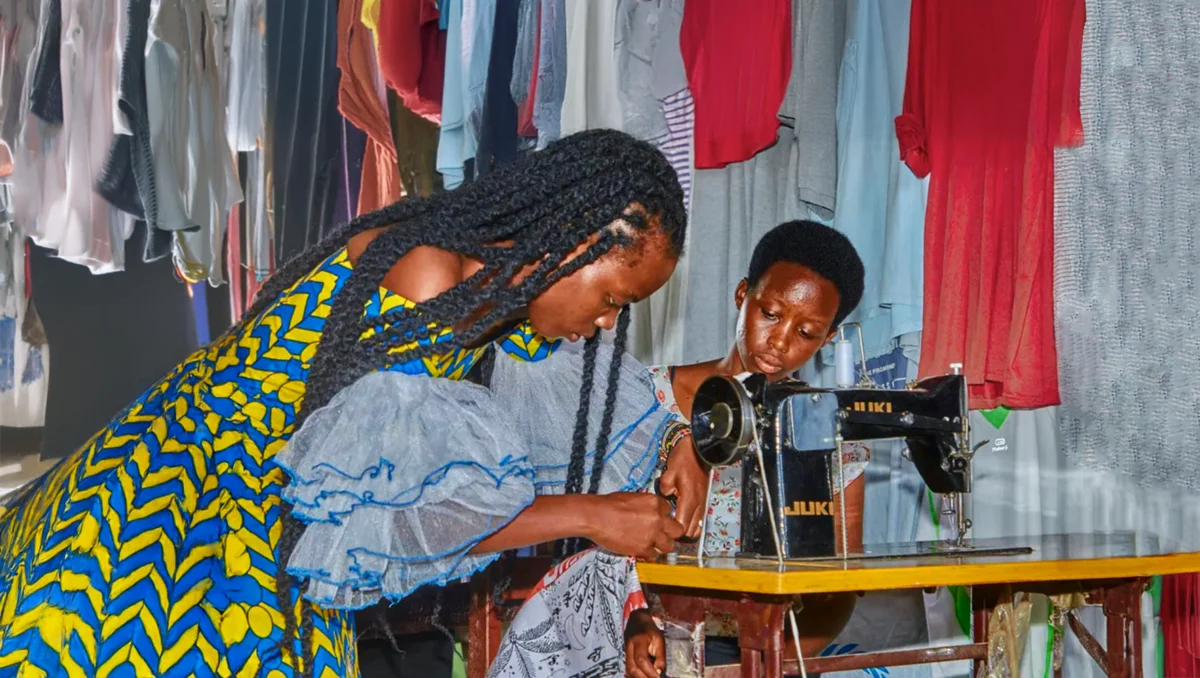
Drastic reductions in humanitarian aid from major global donors, including the United States and European governments, have plunged refugees in Kenya into a deepening crisis over the past year, forcing agonizing choices and exacerbating existing vulnerabilities, particularly for women and girls. These funding cuts, which have been incrementally implemented since late 2024, have led to widespread consequences: families are withdrawing children from educational institutions, foregoing essential medical treatments, and confronting escalating rates of hunger and malnutrition. This multifaceted crisis underscores the disproportionate impact of resource scarcity on women and girls, who often find themselves at the forefront of compounding adversities, including increased domestic and sexual violence, disrupted education, and further marginalization in food distribution.
"The funding cuts in Kenya’s refugee response are not just numbers on a spreadsheet," stated Doris Kawira, HIAS Kenya Country Director. "They are felt more acutely by women and girls. We are seeing safe spaces close, fewer services, and girls dropping out of school because their families can no longer afford necessities. The cuts are pushing girls into further vulnerabilities and increasing risks of early marriage, exploitation, and abuse. We risk reversing years of progress in protection and empowerment."
The current situation in Kenya is a microcosm of a global trend. According to recent reports from UNHCR, global humanitarian aid budgets have faced unprecedented pressure, with a significant deficit impacting crucial support systems for displaced populations. In Kenya, home to one of the largest refugee populations in Africa, these reductions have translated into tangible losses of essential services. For instance, funding for food assistance programs has been curtailed by an estimated 30% in the last fiscal year, directly contributing to the rise in food insecurity reported by the World Food Programme. Similarly, educational support for refugee children has seen a decline of approximately 20%, leading to a significant increase in school drop-out rates, especially among adolescent girls.
A Growing Crisis: The Disproportionate Impact on Women and Girls
When humanitarian resources dwindle, women and girls are consistently the most vulnerable. This is a well-documented phenomenon, highlighted by organizations like UN Women, which consistently report that women and girls bear the brunt of crises. In displacement settings, this often manifests as an increase in gender-based violence, as protective structures and support services are dismantled. Girls are frequently compelled to abandon their education, not only due to direct financial hardship but also because their families may resort to early marriage as a coping mechanism, perceiving it as a means of security for their daughters. Furthermore, in environments of extreme scarcity, cultural norms can unfortunately lead to women and girls receiving less food than men and boys within the same household, exacerbating their nutritional deficiencies.
The implications of these cuts are far-reaching. Beyond immediate survival needs, the erosion of support systems for mental health and psychosocial well-being poses a significant long-term threat to the resilience and recovery of refugee communities. Organizations like HIAS have long emphasized that mental health is not a luxury but a fundamental component of humanitarian response, crucial for enabling individuals to cope with trauma, rebuild their lives, and contribute to their communities.
Linah’s Story: A Glimmer of Hope Amidst Adversity
Amidst these challenges, the resilience of individuals and the vital role of targeted interventions shine through. Linah, a young woman born in Kenya to Ugandan refugee parents, embodies this spirit. An aspiring electrical engineering student with ambitious dreams, Linah’s educational journey was abruptly halted last year due to insurmountable financial constraints. Her refugee status further compounded her struggles, leading to repeated rejections for internships and job opportunities. The cumulative stress, isolation, and self-doubt began to take a heavy toll on her mental well-being.
"I felt like I would never become someone substantial," Linah confided, reflecting on a period of profound despair.
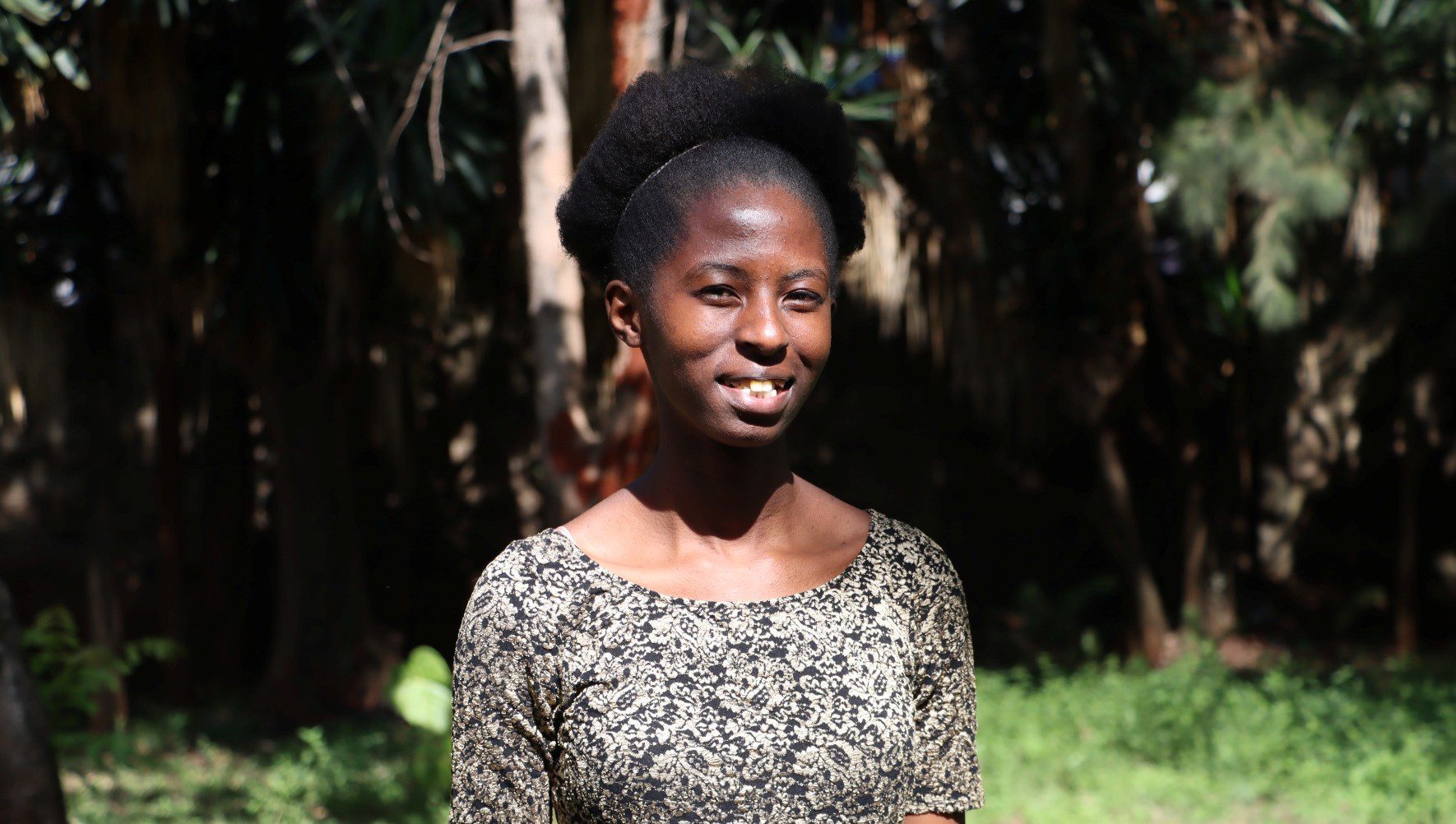
A turning point arrived when a community leader, observing Linah’s evident distress, recognized the need for specialized support. The leader referred Linah to HIAS Kenya’s Self-Help Plus program, a crucial initiative made possible by the generous support of the European Civil Protection and Humanitarian Aid Operations (ECHO). The Self-Help Plus program, a structured five-session group stress-management curriculum developed by the World Health Organization (WHO), is a cornerstone of HIAS’s mental health and psychosocial support (MHPSS) services for refugees in Kenya.
Participating in the Self-Help Plus program provided Linah with essential tools for managing her mental health, with grounding exercises proving particularly effective in helping her navigate stress and regulate her emotions. Crucially, the program fostered a sense of community, connecting Linah with peers facing similar adversities. This shared experience dissolved her feelings of isolation, replacing them with a profound sense of belonging.
"What made the program successful for me is that I connected with other people, from the participants to the facilitator to the content being shared," Linah explained. "It made me feel like I truly belong and that I am not alone."
Before engaging with HIAS’s mental health program, Linah often experienced withdrawal, hesitated to voice her opinions, and engaged in negative self-comparison, particularly amplified by social media. Today, she describes her transformation as emerging as "a whole new being." She now makes decisions with newfound confidence, integrates grounding techniques into her daily routine, and approaches challenges with a clearer, more composed mindset. The program has also equipped her with the emotional maturity to navigate interpersonal conflicts at home, replacing silence with constructive dialogue.
"Challenges are part of everyday life, but learning how to cope with them ensures that we face life head-on," she asserted.
Broader Implications and the Path Forward
Linah’s journey is not an isolated incident. The Self-Help Plus program has demonstrated remarkable efficacy in equipping refugees with practical coping mechanisms, fostering resilience, and rebuilding a sense of agency. As Doris Kawira elaborated, "Self-Help Plus groups have equipped the refugees with practical tools to manage stress, cope with trauma, and rebuild a sense of control over their lives. In this setting where formal mental health services are limited, these groups are creating safe spaces for people – especially women and girls – to support one another, strengthen resilience, and regain hope for the future."
The impact extends beyond individual well-being. Linah has become an informal peer supporter, extending the lessons learned from the program to assist friends and community members experiencing mental health crises. This peer-to-peer support network is invaluable in contexts where professional mental health services are scarce and often inaccessible due to cost or logistical barriers.
The current funding climate presents a critical juncture for humanitarian organizations. Faced with reduced budgets, difficult decisions must be made regarding the allocation of limited resources. However, the imperative to maintain and even expand mental health support, particularly for vulnerable populations like refugee women, remains paramount. As one Somali refugee woman poignantly stated, "Most of the women here require mental support for their peace of mind, and we do not have that."
Ultimately, the commitment of organizations like HIAS Kenya to providing vital services, including mental health care, violence prevention, and economic assistance, is more critical than ever. These interventions are not merely aid; they are investments in the recovery, empowerment, and future of displaced individuals and communities. Linah’s ability to secure IT skills and a part-time job, keeping her dreams of becoming an engineer alive, is a testament to the multifaceted support she received, encompassing community leadership, local initiatives, and HIAS Kenya’s dedicated mental health interventions.
"There’s a calming effect and a sense of belonging that comes with these sessions," Linah shared. "Mental health is often overlooked, but through programs like Self-Help Plus, we finally have a place to speak openly."
The broader implications of continued underfunding in mental health support for refugees are dire. It risks perpetuating cycles of trauma, hindering reintegration, and undermining the long-term stability of both displaced populations and host communities. As Doris Kawira emphatically stated, "As HIAS, we cannot afford to scale back mental health support for refugee women. They are carrying the weight of displacement, caregiving, trauma, and economic hardship. When we support refugee women’s mental health, we are safeguarding the resilience of entire communities." The ongoing efforts in Kenya, exemplified by Linah’s journey, underscore the urgent need for sustained and increased investment in comprehensive humanitarian aid, recognizing that mental well-being is an indispensable pillar of recovery and hope.