As the 2024 general election campaign enters its critical opening weeks, Age Action, Ireland’s leading advocacy organization for older people, has issued a formal challenge to all political parties and independent candidates. The organization is demanding a transparent and comprehensive roadmap detailing how the next government intends to meet the evolving needs of an aging population, uphold fundamental rights, and dismantle systemic ageism. With nearly one-third of the Irish electorate now aged 60 or older, the advocacy group warns that a failure to address these demographics represents not only a social oversight but a significant political miscalculation.
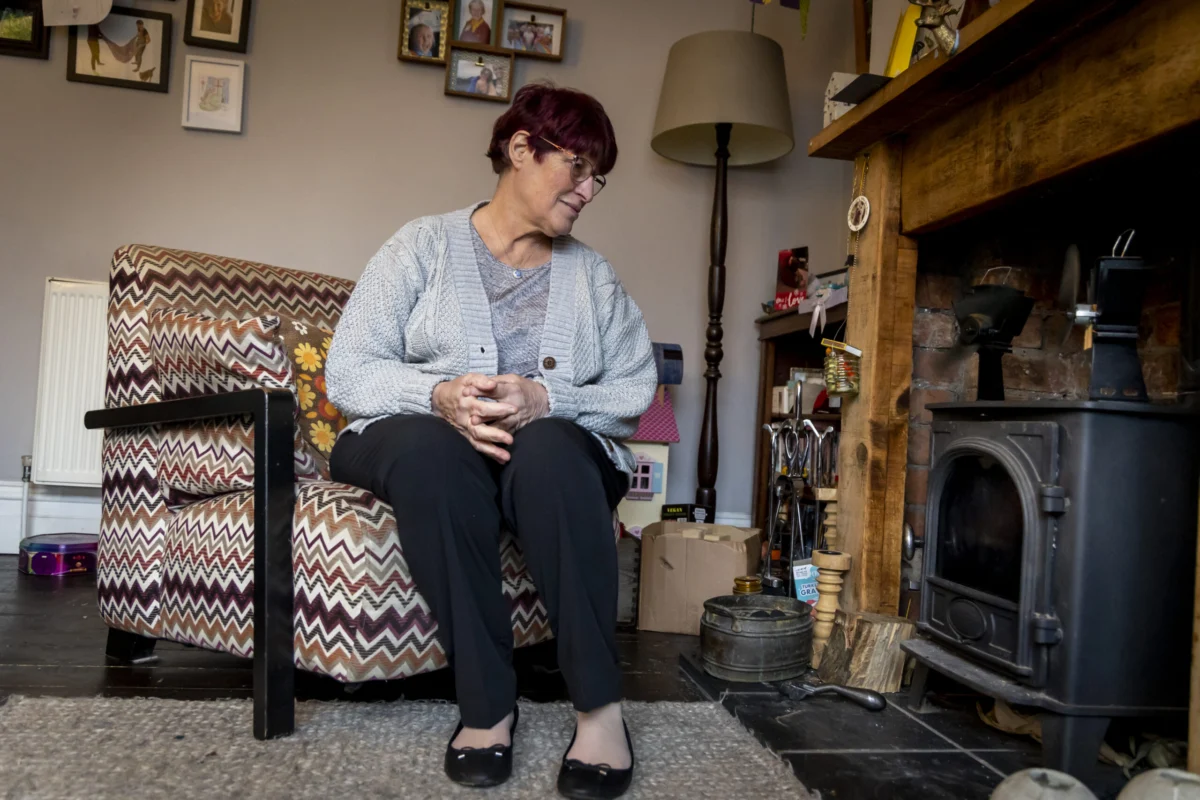
Dr. Nat O’Connor, Senior Policy Adviser at Age Action, highlighted a profound disconnect between the concerns of older citizens and the current political discourse. According to Dr. O’Connor, despite their significant voting power, many older people feel sidelined in the national conversation. "In this general election, nearly one in three voters will be aged 60 or older, yet older people are telling Age Action that they haven’t heard meaningful discussion of policies addressing their concerns," O’Connor stated. This sentiment is echoed in direct feedback from the community, where many individuals have expressed a sense of being undervalued, stating that politicians do not take sufficient notice of them and that they feel a lack of respect from the current political establishment.
The Demographic Shift and Long-term Strategic Planning
The urgency of Age Action’s call is underscored by the stark reality of Ireland’s changing demographics. Currently, there are over one million people in the Republic of Ireland aged 60 or older, a cohort that includes approximately 185,000 individuals aged 80 or older. However, these figures are merely the baseline for a much larger shift. Projections indicate that in just twenty years, the number of older people will nearly double. This will include a significant increase in the number of citizens in advanced old age, a demographic that traditionally requires more intensive support from the state in terms of health services, social care, and specialized housing.
Despite these predictable trends, Age Action argues that current political manifestos lack the long-term vision necessary to prepare for this eventuality. The organization maintains that none of the major parties have presented a cohesive, multi-decadal plan to scale health and social care services or to adapt transport and housing systems for an aging society. This lack of foresight is a major concern for older voters, but as Dr. O’Connor pointed out, it should be a concern for all citizens, as the quality of the systems built today will determine the quality of life for every individual as they age.
Economic Security and the Adequacy of the State Pension
One of the primary anxieties reported by older people is the increasing difficulty of maintaining a basic standard of living on the state pension. While recent budgets have seen incremental increases in weekly payments, Age Action and other advocacy groups argue that these adjustments have failed to keep pace with the soaring cost of living, particularly in relation to energy, groceries, and healthcare costs.
The call for a "rights-based" approach to the state pension involves moving away from discretionary, year-to-year increases and toward a benchmarked system. This would ensure that the pension is linked to a percentage of average earnings or a Minimum Essential Standard of Living (MESL). For many older people, the fear of "fuel poverty" or the inability to afford home repairs is a constant stressor. Age Action’s position is that the state must provide a guarantee of income adequacy that allows older people to live with dignity rather than merely surviving on the edge of poverty.
Digital Exclusion and the Right to Offline Services
A recurring theme in the feedback received by Age Action is the frustration regarding "digital by default" policies. As public services, banking institutions, and utility providers move toward online-only models, a significant portion of the older population is being effectively locked out of essential services.
While Ireland’s National Digital Strategy aims to increase digital literacy, Age Action points out that "forced digitalization" ignores the reality that many older people either do not have access to the necessary technology or prefer human-centric, face-to-face interactions. The organization is calling for a legislative "right to an offline life," which would mandate that public and essential private services remain accessible via telephone or in-person counters. The closure of local bank branches and the digitalization of post office services have been cited as major contributors to rural isolation and the erosion of independence for older citizens.
Healthcare, Social Care, and the Housing Crisis
The 2024 election comes at a time when the Irish healthcare system is under intense scrutiny. For older people, the issues are twofold: the accessibility of acute hospital care and the availability of community-based social care. Age Action has highlighted the growing anxieties around the "Fair Deal" scheme and the chronic shortage of home care packages. Without a robust home care system, many older people are forced into long-term residential care prematurely, which is often contrary to their wishes and more expensive for the state.
Furthermore, the housing crisis is no longer seen as an issue affecting only the youth. Older people are increasingly concerned about "rightsizing"—the ability to move from large, unsuitable family homes into smaller, energy-efficient, and accessible universal-design housing within their own communities. The lack of such options means many remain in homes that are difficult to heat and maintain, contributing to poor health outcomes and social isolation.
A Chronology of Advocacy and the Road to the Polls
The current demands from Age Action are the result of a multi-year advocacy strategy. Over the last three years, the organization has consistently engaged with the Department of Social Protection and the Department of Health to highlight the gaps in the National Positive Ageing Strategy (NPAS).
- 2021-2022: Age Action led campaigns focused on the digital divide, highlighting how the COVID-19 pandemic exacerbated the isolation of those without internet access.
- 2023: The focus shifted toward income adequacy as inflation hit record highs. Age Action joined a coalition of NGOs to demand a €20 increase in the state pension in Budget 2024, a figure that was only partially met.
- Early 2024: In the lead-up to the local and European elections, the organization began gathering qualitative data from town hall meetings across Ireland, which informed the current "ten asks" for the general election.
- November 2024: With the general election date set, Age Action has moved into an active mobilization phase, urging its members to question candidates on the doorstep about specific policy commitments.
Political Reactions and the "Grey Vote"
While political parties have yet to release their full election manifestos, early rhetoric from the main contenders suggests a varying level of engagement with Age Action’s demands. Government parties (Fine Gael, Fianna Fáil, and the Green Party) have pointed to the increases in the "Living Alone Allowance" and the expansion of the "Fuel Allowance" as evidence of their commitment. However, opposition parties like Sinn Féin and the Labour Party have been more vocal about the need for a statutory right to home care and a more aggressive approach to building age-appropriate social housing.
Political analysts suggest that the "grey vote" remains one of the most disciplined and high-turnout demographics in Ireland. Historically, older voters are more likely to cast a ballot than those in the 18-35 age bracket. Consequently, if a specific party can successfully position itself as the champion of older people’s rights, it could see a significant swing in its favor, particularly in rural constituencies where the aging demographic is most concentrated.
Analysis of Implications: The Cost of Inaction
The implications of ignoring Age Action’s warnings are significant. From an economic perspective, failing to plan for an aging population will lead to "crisis management" in the healthcare sector, where the cost of emergency interventions far exceeds the cost of preventative community care.
Socially, the continued marginalization of older people fosters a fragmented society. Ageism—defined by the World Health Organization as the stereotypes, prejudice, and discrimination directed towards others or oneself based on age—has tangible impacts on health. Studies show that older people who perceive themselves as a burden or who feel disrespected by society have lower life expectancies and higher rates of depression.
By calling for a "rights-based" approach, Age Action is seeking to move the conversation away from "charity" or "welfare" and toward "entitlement" and "equality." This shift requires the next government to view older people not as a dependent group to be managed, but as active citizens whose contributions to the economy (through taxes, volunteerism, and family support) and society must be recognized and protected.
Conclusion: A New Approach to Ageing Policy
Dr. Nat O’Connor’s concluding remarks serve as a definitive challenge to the political class: "Age Action is calling on all parties to take a new approach to ageing policy, based on the rights of older people and reflecting their diversity and diverse needs. Political parties need to demonstrate that they take older people seriously and that they are capable of meeting the changing needs of our ageing population."
As the campaign progresses, the focus will remain on whether the candidates can move beyond vague promises and offer concrete, costed plans for the future. For the one million people aged 60 and over, and for the millions more who will join their ranks in the coming decades, the stakes of the 2024 general election could not be higher. The message from Age Action is clear: the era of overlooking the older voter is over, and the time for a dedicated, long-term strategy for aging in Ireland has arrived.