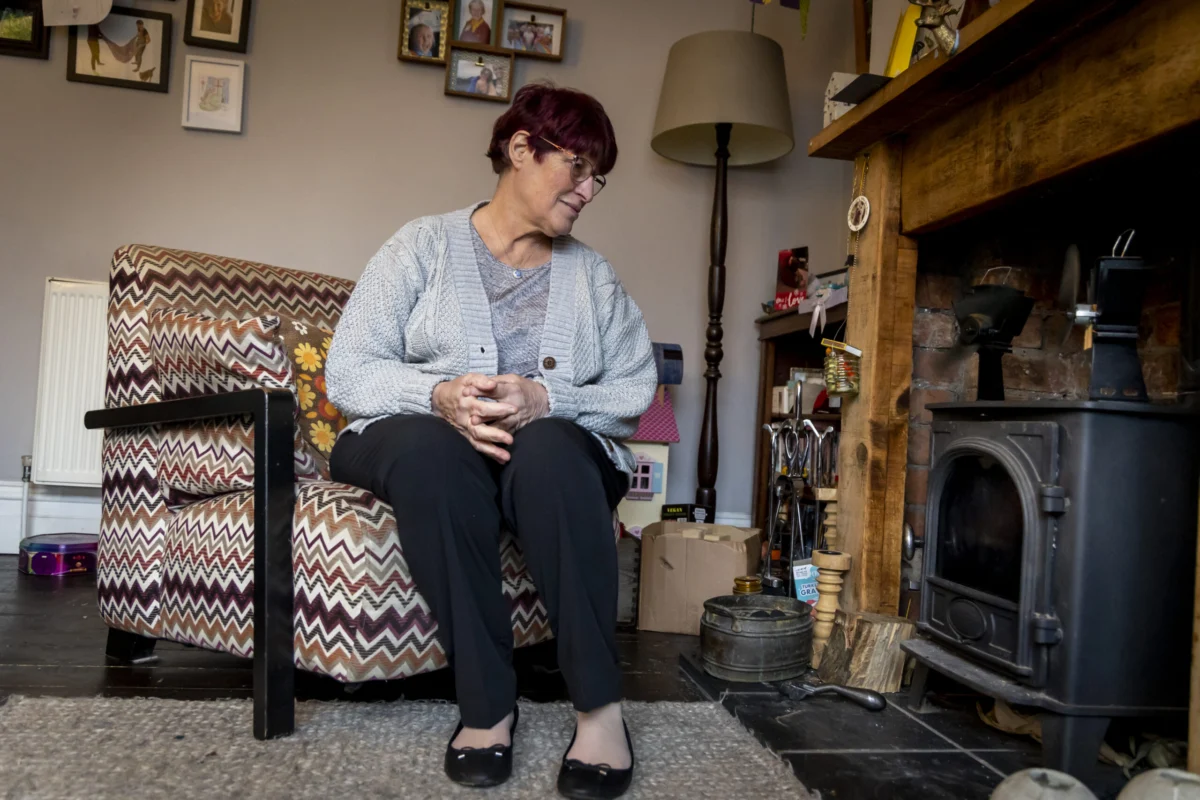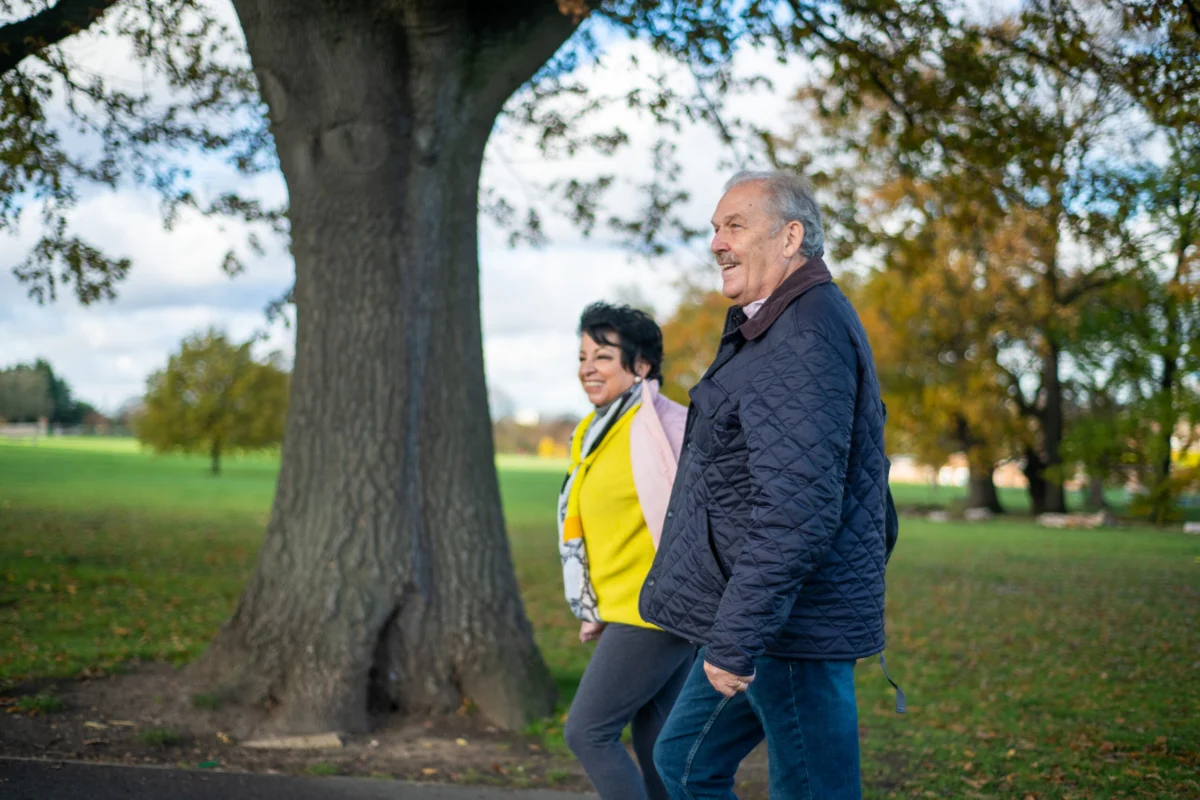
In a landmark collaborative effort aimed at reshaping the landscape of Irish social policy, Age Action and the Irish Senior Citizens Parliament (ISCP) have officially launched a comprehensive national consultation process. This initiative is designed to identify and implement strategies that will build a more robust and influential voice for older people within the corridors of power. By seeking direct input from the public, the two organizations aim to ensure that the perspectives, lived experiences, and specific needs of the aging population are not only heard but are fundamentally integrated into the legislative and policy decisions that affect their daily lives and future security.
The consultation comes at a pivotal moment for Ireland, as the nation grapples with the logistical and social implications of a rapidly aging demographic. To ensure the integrity and objectivity of the data collection process, Age Action and the ISCP have commissioned Mosaic Social Impact, a specialist consultancy, to manage the outreach and analysis. The project seeks to engage a wide spectrum of stakeholders, including older individuals, community-based organizations, dedicated advocates, and any citizens interested in the long-term evolution of public life as it relates to aging.
Strategic Objectives and the Call for Participation
The primary objective of this initiative is to bridge the gap between the grassroots experiences of older people and the high-level policy-making processes of the state. Historically, advocacy groups have noted that while older people are frequent users of public services—ranging from healthcare to public transport—their direct influence on the design and delivery of these services can often be marginalized. By formalizing this consultation, Age Action and the ISCP are moving to create a structured mechanism through which the "silver voice" can exert tangible influence.
The organizations have issued a broad call for participation, emphasizing that the consultation is not limited to those already active in advocacy. They are specifically targeting older people who may feel disconnected from political processes. The survey is designed to be accessible and straightforward, allowing participants to share their views on what a "better future" looks like in the context of an aging society. This includes questions regarding financial security, social inclusion, healthcare accessibility, and the combatting of ageism in the workplace and public discourse.
Methodology and Accessibility
Recognizing that the digital divide remains a significant barrier for a portion of the older population, the consultation has been designed with multi-channel accessibility in mind. While a primary digital survey is available through Mosaic Social Impact’s dedicated portal, the organizers have also established a telephone-based submission system. By contacting Mosaic Social Impact at 01 203 0737, individuals who are less comfortable with online forms or who lack consistent internet access can provide their feedback through a direct conversation or a guided phone interview.
This dual-track approach is a deliberate attempt to ensure that the consultation is inclusive and representative of all socioeconomic backgrounds. The survey period is notably extensive, remaining open until Friday, September 19, 2025. This long-term window allows for a deep-dive engagement strategy, giving community organizations and local clubs ample time to facilitate group discussions and collective responses.
Demographic Context: Ireland’s Aging Population
The urgency of this consultation is underscored by data from the Central Statistics Office (CSO). According to recent census results and population projections, Ireland is experiencing a significant demographic shift. The number of people aged 65 and over is increasing at a faster rate than any other age group. By 2040, it is estimated that nearly one-quarter of the Irish population will fall into this category.
This shift presents both challenges and opportunities. On one hand, an aging population puts increased pressure on the healthcare system and the state pension fund. On the other hand, older people represent a massive reservoir of experience, volunteerism, and economic activity. However, without proactive policy adjustments, the infrastructure of the state may fail to support this growing cohort effectively. The Age Action and ISCP consultation is positioned as a proactive measure to gather the "intellectual capital" of older citizens to inform these necessary structural changes.
Chronology of Advocacy and Policy Evolution
The current consultation is the latest chapter in a long history of aging advocacy in Ireland. To understand its significance, it is helpful to look at the timeline of related policy developments:
- 1992: Age Action is founded, establishing a dedicated national advocacy body for older people.
- 1995: The Irish Senior Citizens Parliament is formed, providing a structured democratic voice for older people’s organizations.
- 2013: The Irish Government publishes the National Positive Ageing Strategy (NPAS). While lauded at the time, advocates have frequently called for more robust implementation and funding of its goals.
- 2020-2022: The COVID-19 pandemic highlights significant vulnerabilities in the nursing home sector and the impact of social isolation on older adults, sparking a renewed national conversation on "aging in place."
- 2024 (Current): The launch of the joint consultation with Mosaic Social Impact marks a shift toward a data-driven, bottom-up approach to policy influence.
- September 2025: The scheduled closing of the consultation, to be followed by a comprehensive report and a set of policy recommendations directed at the government.
Key Policy Areas Under Scrutiny
While the consultation is open-ended to allow for organic feedback, several key policy areas are expected to dominate the discourse. These represent the primary concerns currently facing older people in Ireland:
Pension Adequacy and Economic Security
With inflation and the cost of living remaining high, the adequacy of the State Pension is a critical issue. Advocates are looking for feedback on whether the current "triple lock" or similar benchmarking systems are sufficient to prevent poverty in old age. The consultation will likely explore the intersection of pension income with the rising costs of private rental accommodation for older tenants.
Healthcare and "Sláintecare" Integration
The transition toward a universal healthcare system under the Sláintecare reform plan is of paramount importance to the aging population. The consultation seeks to understand how older people navigate the current system, the barriers they face in accessing home care packages, and the quality of integrated care between hospitals and community settings.
The Digital Divide and Essential Services
As banks, government departments, and utility companies move toward "digital-first" or "digital-only" models, many older people face exclusion. The consultation will gather data on how this transition affects the independence of older adults and what protections should be enshrined in law to ensure that offline options remain available and functional.
Housing and Universal Design
There is a growing demand for housing that supports "aging in place"—allowing individuals to stay in their own homes and communities for as long as possible. The consultation will likely touch upon the need for grants for home modifications and the development of "right-sizing" options that allow older people to move to more manageable, energy-efficient homes without leaving their social networks.
Inferred Perspectives from Related Parties
While the consultation is currently in its data-gathering phase, historical stances from related parties provide a glimpse into the likely reactions to this initiative. Government departments, particularly the Department of Health and the Department of Social Protection, are expected to monitor the findings closely as they prepare for future budgetary cycles.
Community organizations have long argued that public policy is often reactive rather than proactive. By providing a clear, evidence-based roadmap through this consultation, Age Action and the ISCP are essentially providing the government with a "ready-made" set of priorities backed by the mandate of the citizens themselves. Academic circles and social researchers are also expected to welcome the data generated by Mosaic Social Impact, as it will provide a contemporary snapshot of aging in Ireland that can be used for longitudinal studies.
Analysis of Broader Implications
The implications of this consultation extend beyond simple policy tweaks. It represents a move toward a more participatory democracy where "age-friendly" is not just a buzzword but a legislative standard. If successful, the findings could lead to the establishment of a permanent, statutory Independent Ombudsman for Older People—a long-standing demand of many advocacy groups.
Furthermore, the consultation challenges the prevailing narrative of ageism. By asking older people to "shape policy and public life," the initiative frames aging as a period of continued civic contribution rather than a period of decline. This psychological shift is essential for fostering intergenerational solidarity, as the policies shaped today will eventually govern the lives of the younger generations.
The findings will also likely influence Ireland’s international standing regarding the United Nations Sustainable Development Goals and the WHO Decade of Healthy Ageing (2021–2030). By aligning national policy with these international frameworks, Ireland can position itself as a global leader in rights-based aging policy.
Conclusion and Future Outlook
As the consultation progresses toward its September 2025 deadline, the focus will shift from data collection to synthesis and advocacy. The partnership between Age Action, the ISCP, and Mosaic Social Impact ensures that the resulting report will carry significant weight. For the thousands of older people across Ireland, this represents a unique opportunity to reclaim their agency and ensure that the "better future" promised by policymakers is one that truly includes them.
The organizers continue to encourage all eligible participants to visit the Mosaic Social Impact website or utilize the telephone service to ensure their voice is part of this historic record. The results of this endeavor are expected to form the backbone of aging advocacy in Ireland for the remainder of the decade, providing a clear and loud voice for a demographic that refuses to be silenced by the passage of time.