The intersection of global commodity supply chains and rural development has long presented a complex challenge for West African nations, particularly in Côte d’Ivoire, the world’s leading producer of cocoa. At the heart of this challenge is the delicate balance between the economic demands of cocoa harvesting and the fundamental right of children to access quality education. World Education, an initiative of JSI (John Snow, Inc.), has been at the forefront of addressing these systemic issues since 2012. Through the implementation of the CocoaLife Quality Education Project, funded by Mondelez International, the organization is pioneering a community-led model designed to improve school infrastructure, enhance academic performance, and significantly reduce the prevalence of child labor in cocoa-producing regions.
The initiative comes at a critical time for Côte d’Ivoire’s educational landscape. While the national government has made strides in expanding access to schooling, rural cocoa-growing communities continue to face unique barriers that are often obscured by national-level statistics. According to Ferdinand Beblai, Country Director for JSI Côte d’Ivoire, the struggle for quality education is inextricably linked to the seasonal rhythms of the cocoa harvest. In these regions, children are frequently withdrawn from school to assist their families in the fields, a practice that leads to chronic absenteeism, poor academic results, and high rates of grade repetition.
The Socio-Economic Context of Education in the Cocoa Belt
To understand the necessity of the CocoaLife Quality Education Project, one must examine the broader socio-economic pressures facing Ivorian farmers. Côte d’Ivoire produces approximately 40% of the world’s cocoa, yet many of the smallholder farmers responsible for this output live below the poverty line. This economic precarity creates a "labor gap" where children are seen as a necessary resource for the family’s survival, especially during the peak harvest seasons.
When children are involved in labor, their education suffers a "death by a thousand cuts." It begins with arriving late to class, followed by missing several days a week, and eventually results in falling so far behind that they cannot pass standard examinations. Data from 2021 highlights the severity of this trend, indicating that more than 15% of primary school children in Côte d’Ivoire repeat a grade every year. For many families in rural areas, a child repeating a grade is viewed as a sign of failure that justifies removing the child from school permanently to work full-time in the cocoa groves.
Furthermore, the physical environment of rural schools often discourages attendance. In many remote villages, schools are constructed from temporary materials like wood and straw. These structures are highly susceptible to the increasing frequency of extreme weather events, such as heavy tropical rains and high winds, which render the classrooms unsafe. The lack of basic facilities, including clean water and latrines, further exacerbates the dropout rate, particularly among young girls.
A Chronology of Community-Led Intervention: The Rise of COGES
World Education’s strategy in Côte d’Ivoire has evolved over the past decade, moving from direct aid to a model of systemic empowerment. A central pillar of this strategy is the strengthening of the Comité de Gestion Établissement Scolaire (COGES), or School Management Committees. Established by the Ivorian government to decentralize school management, these committees were often hampered by a lack of resources and training.
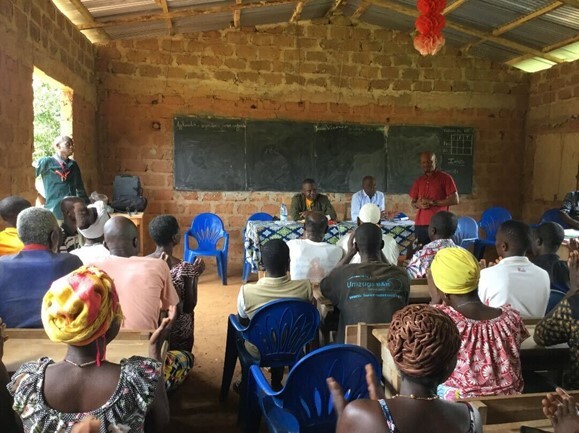
In 2012, World Education began developing specialized tools to evaluate and improve the functionality of COGES. The objective was to transform these committees from passive administrative bodies into active engines of community development. By bringing together parents, teachers, local youth groups, and cocoa cooperatives, World Education created a platform for collective problem-solving.
The most significant hurdle for these committees was a lack of consistent funding. To address this, World Education introduced capacity-building programs focused on income-generating activities (IGAs). Rather than relying solely on external grants, COGES members were trained to manage small-scale agricultural and livestock projects. In various villages, committees began growing maize or raising poultry, with the profits directly reinvested into School Improvement Plans (SIPs). These funds are now used to maintain buildings, purchase supplies, and, crucially, provide stipends for teachers to conduct remedial tutoring in core subjects like Mathematics and French.
Case Study: The Transformation of Ndrikro
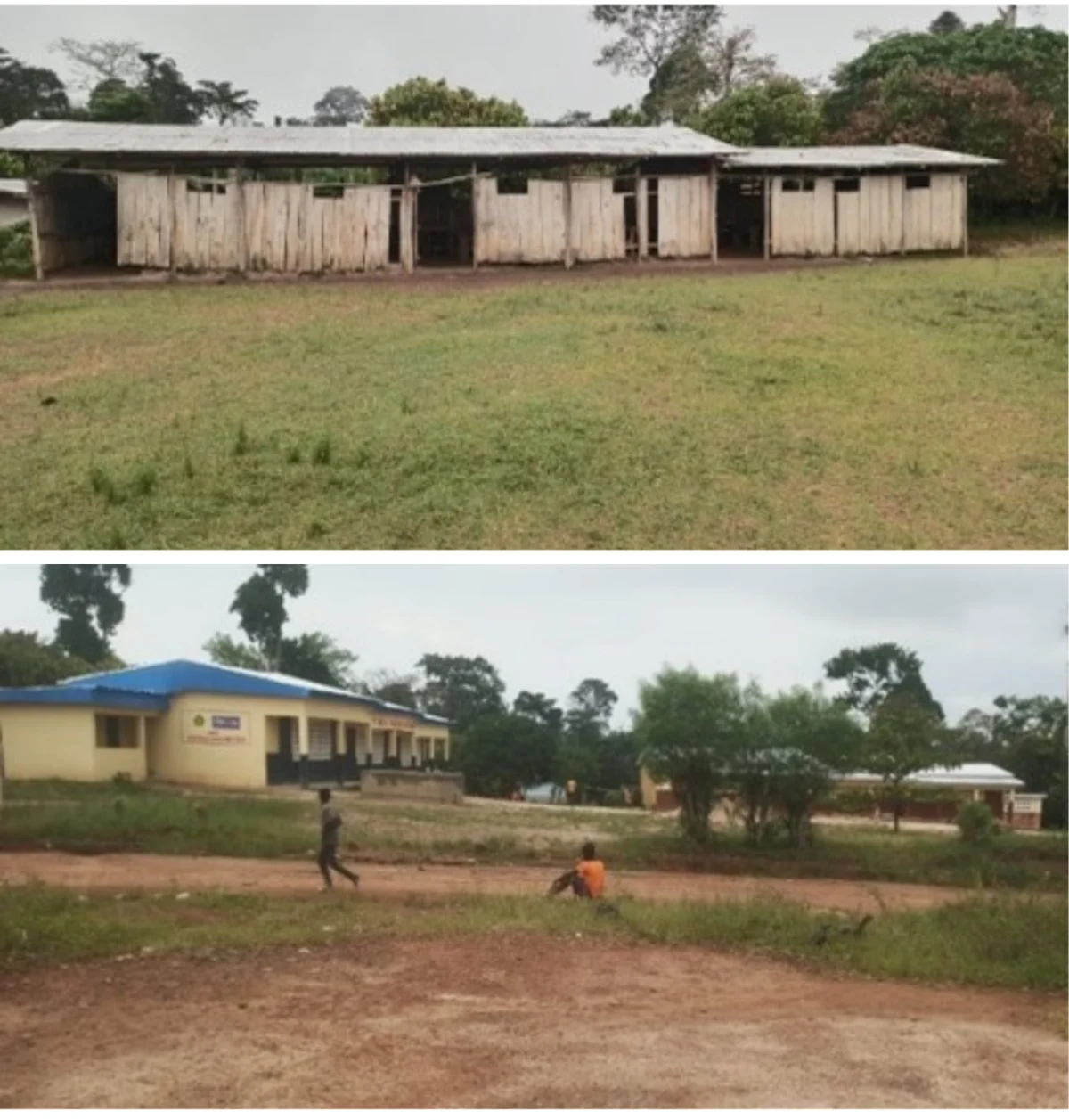
The success of this decentralized model is perhaps most visible in the community of Ndrikro, located in the Soubré region. Prior to World Education’s intervention, the educational situation in Ndrikro was dire. Classes were held in dilapidated sheds that lacked desks, toilets, and protection from the elements. The school governance was virtually non-existent, and student performance was among the lowest in the district.
The transformation began when the COGES in Ndrikro mobilized the village leadership and local Village Savings and Loan Associations (VSLAs). By leveraging a community-managed cassava field, the village generated the capital necessary to supplement external support. This synergy between local labor, community-managed funds, and technical guidance from World Education resulted in the construction of two modern school buildings equipped with administrative offices and sanitary facilities.
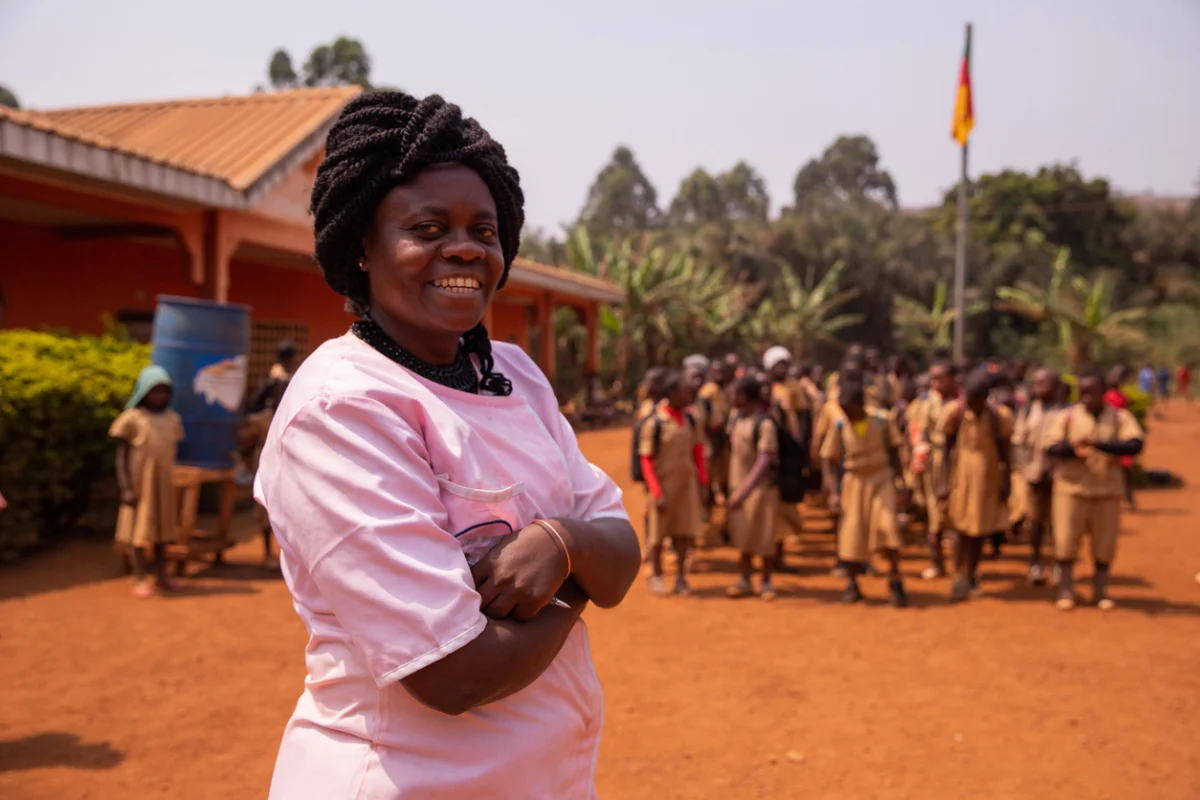
Today, Ndrikro serves as a regional model for educational excellence. The shift in the physical environment has had a direct impact on student motivation. The school now hosts excellence awards to celebrate high-achieving students and provides a safe, stable environment that encourages parents to keep their children in the classroom rather than the fields. This "bottom-up" approach ensures that the community views the school not as a distant government outpost, but as a vital community asset that they are responsible for maintaining.
Addressing the Data Gap: The Importance of Granular Analysis
One of the most innovative aspects of the CocoaLife project is its focus on community-level data. National education statistics in Côte d’Ivoire are typically aggregated by school district, which can mask the specific challenges faced by individual villages. World Education identified that relying on these high-level data points prevented effective intervention.
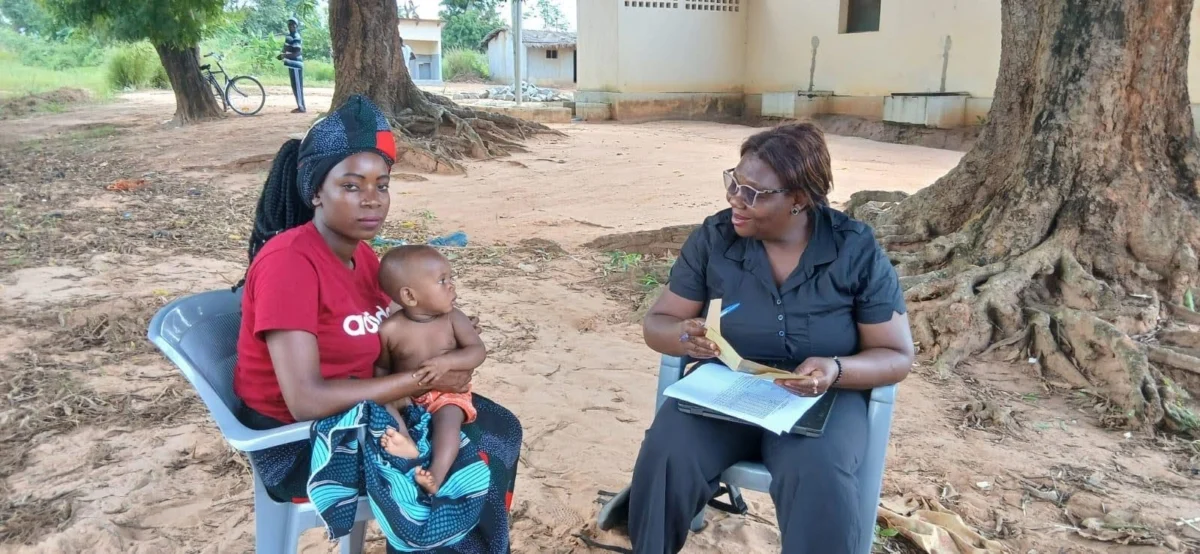
For example, by conducting granular surveys at the village level, project managers were able to identify the exact number of six-year-olds who were not enrolled in school. This allowed them to ask the critical question: "If these children aren’t in school, what are they doing?" The answer was almost always linked to the economic cycle of cocoa.
The data revealed that between the two annual cocoa harvests, many families experience a total depletion of cash reserves, leaving them unable to afford basic school supplies. Armed with this specific insight, World Education was able to implement a targeted grant program, providing approximately 80,000 francs (roughly USD 140) to the most vulnerable families during these "lean" months. This small, data-driven intervention has proven more effective at maintaining enrollment than broad, non-specific aid packages.
Official Responses and Government Collaboration
The impact of the CocoaLife Quality Education Project has caught the attention of the Ivorian Ministry of Education. Recognizing the effectiveness of the COGES-strengthening model, the government has moved to formalize its partnership with World Education. A formal collaboration protocol is currently being established to integrate these community-led strategies into national educational policy.
This partnership is viewed as a significant step toward the sustainability of the project. By aligning World Education’s methodologies with government objectives, the initiative ensures that the progress made in cocoa-growing communities will continue long after the current funding cycle ends. Government officials have noted that the project’s emphasis on transparency—requiring COGES to maintain detailed accounting records and receipts—has built a level of community trust that was previously lacking. This transparency encourages local cocoa cooperatives and private citizens to contribute more generously to their local schools, knowing that the funds will be managed responsibly.
Broader Impact and Long-Term Implications
The implications of the CocoaLife project extend beyond literacy and numeracy. There is a growing realization within these communities that education is a tool for modernizing the agricultural sector itself. Ferdinand Beblai notes that parents are beginning to understand that even if their children follow in their footsteps as cocoa farmers, they require an education to succeed in a modern economy. Practical skills, such as the ability to read and correctly interpret labels on pesticides and fertilizers, are essential for both agricultural productivity and personal safety.
Furthermore, the reduction of child labor in the cocoa supply chain has significant international implications. As global consumers and regulatory bodies in the European Union and North America demand greater accountability and "clean" supply chains, the success of programs like CocoaLife becomes a vital component of Côte d’Ivoire’s economic stability. By proving that cocoa production can thrive without the exploitation of children, these communities are securing their place in the future of the global market.
The success of World Education and JSI in Côte d’Ivoire demonstrates that the "quality" of education is not merely a reflection of curriculum, but a product of community resilience and economic empowerment. By strengthening local governance and providing the tools for financial self-sufficiency, the project has created a blueprint for rural education that can be replicated across the West African region. As the government prepares to scale these interventions, the focus remains on the ultimate goal: ensuring that every child in the cocoa belt has the opportunity to learn, grow, and thrive in a safe and supportive environment.