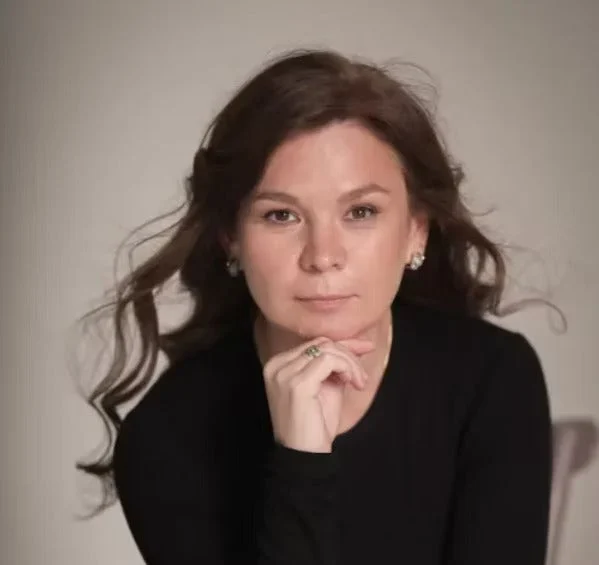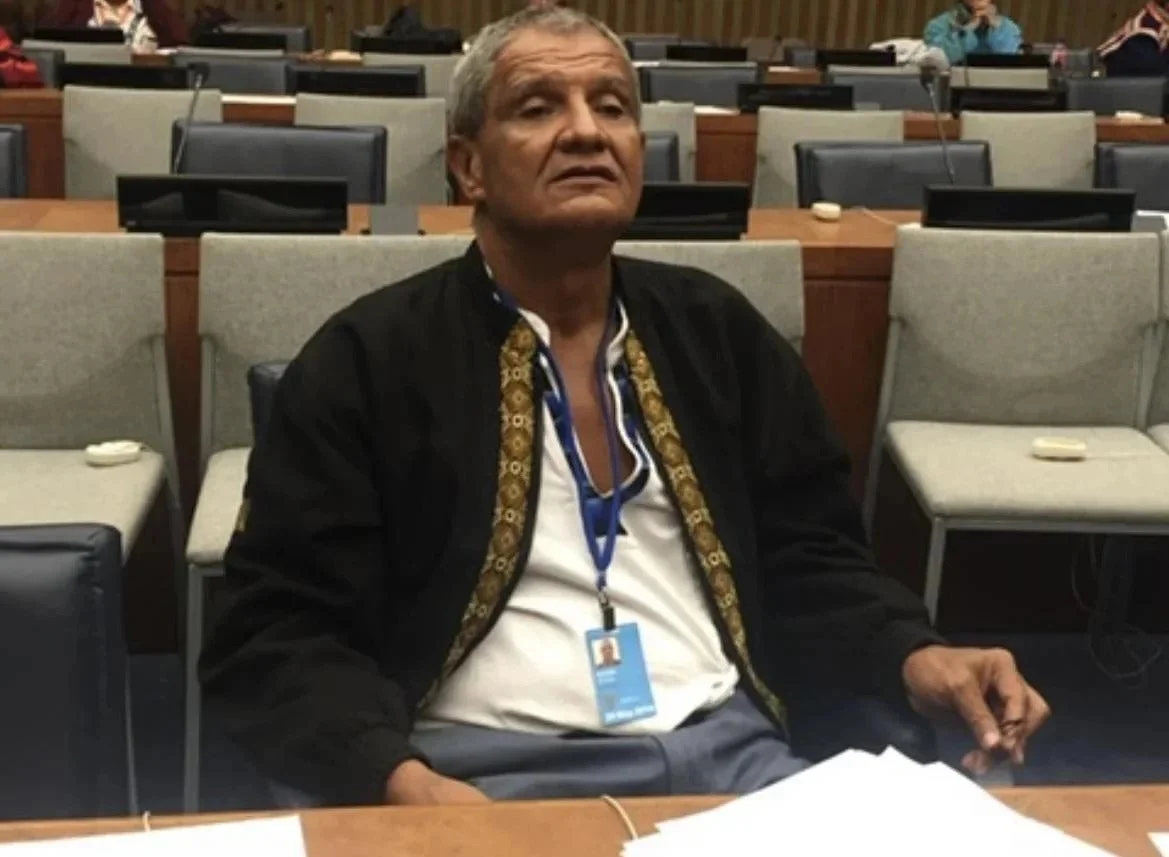
The daughter of the late Miskitu Indigenous leader Brooklyn Rivera, Tininiska Rivera, has voiced a profound mix of sorrow over her father’s death in captivity and sharp indignation at the circumstances surrounding his final days and clandestine burial. Brooklyn Rivera, a pivotal figure in the Miskitu struggle for autonomy and the leader of the Indigenous YATAMA party, died under the custody of the Nicaraguan government, a situation his family decries as a deliberate act of political reprisal. Tininiska Rivera asserts that her father was "kidnapped" twice – once in 2023 and again in death, with his body allegedly seized by the authoritarian regime of Co-Presidents Daniel Ortega and Rosario Murillo.
A Legacy of Resistance and the Betrayal of a Father’s Wishes
Brooklyn Rivera, who was 73 at the time of his death, harbored a clear wish to be laid to rest in Sandy Bay, a Miskitu community on the Caribbean Coast, beside his mother, Pulcida, and to be honored with a traditional Miskitu ceremony. This deeply personal and culturally significant request was, according to Tininiska Rivera, deliberately thwarted by the government. Instead of a family-led funeral, Rivera’s remains were reportedly taken from the hospital and interred in a swift, unceremonious burial in a nearby cemetery, an event characterized by his daughter as an "express" burial devoid of familial participation.
The government’s actions followed an international outcry after images of a visibly emaciated Rivera, connected to life support, were released. These images emerged after persistent demands from governments and human rights organizations concerned about his deteriorating health. Tininiska Rivera adamantly refutes the government’s narrative, stating, "He was perfectly healthy when they kidnapped him." This claim directly challenges the official explanation that Rivera succumbed to medical complications following a COVID-19 infection, a statement Tininiska Rivera found particularly abhorrent. "That’s the dirtiest thing a government official could have said, to call him ‘brother’," she declared, emphasizing that only the Miskitu people, for whom her father dedicated his life, have the right to claim kinship.
Detention of Family Members and the Erasure of Political Opposition
The government’s control extended beyond Rivera’s person to his grieving family. Following his passing on May 30, a delegation including an aunt, a cousin, his wife, a female cousin, a niece, and a family friend attempted to retrieve Brooklyn Rivera’s remains. Instead of facilitating their request, the Sandinista government reportedly detained this group. Tininiska Rivera expressed grave concern that the detained individuals would face fabricated charges, a tactic often employed by the regime to silence dissent and consolidate power.
The death of Brooklyn Rivera was officially announced on May 31. This announcement came after the government had already revoked the official standing of YATAMA, the political party Rivera founded in the 1980s during the Miskitu struggle for autonomy. This revocation effectively leaves the approximately 150,000 Miskitu people on the Caribbean Coast without formal political representation. Tininiska Rivera highlighted the impossibility of convening a replacement assembly to represent the region’s 400 communities, stating, "with the government having occupied the entire area with soldiers, that would be impossible." Consequently, many YATAMA members have been forced underground or into exile, living in fear of suffering the same fate as Brooklyn Rivera.
International Condemnation and a Call for Independent Investigation
The international community has responded with strong condemnation of the Nicaraguan government’s actions. The United States State Department, along with other nations and non-governmental human rights organizations, has issued statements holding the Ortega-Murillo regime accountable for the "kidnapping and physical deterioration" of Brooklyn Rivera during his prolonged captivity. Press reports indicate that Brooklyn Rivera’s family, alongside human rights advocates and governments such as the U.S. and the European Union, are demanding an independent investigation into the circumstances surrounding his disappearance and death.
A Timeline of Repression and the Miskitu Struggle
Brooklyn Rivera’s life was deeply intertwined with the history of the Miskitu people and their long-standing fight for self-determination. The Miskitu, the largest indigenous group on Nicaragua’s Caribbean Coast, are primarily concentrated in areas like Bilwi (Puerto Cabezas), the Rio Coco (Wangki) region, and various coastal and river communities.
- 1980s: Rivera emerged as a prominent leader, commanding Miskitu guerrilla forces in a significant resistance against Sandinista government attacks. This period of conflict and negotiation ultimately contributed to the Central American Peace Accords signed on August 7, 1987.
- 1988: In the wake of the peace accords, Rivera, alongside fellow Miskitu leader Steadman Fagoth, co-founded the YATAMA political party. He later served in Nicaragua’s Violeta Chamorro administration as the minister of autonomous development, a period that offered a glimpse of potential Miskitu participation in national governance.
- 2007: Daniel Ortega and the Sandinista National Liberation Front (FSLN) returned to power. Rivera continued his advocacy, serving as a YATAMA representative in the National Assembly.
- April 2023: Rivera addressed the United Nations, delivering a powerful condemnation of the government’s failure to protect the Miskitu people. He highlighted the ongoing displacement and violence perpetrated by "colonos" – settlers from the Pacific Coast who have systematically encroached upon Miskitu lands for agriculture and logging. He also denounced the government’s allowance of foreign interests, particularly Chinese entities, to exploit Miskitu territories for mining.
- September 2023: Following his address to the UN, Rivera returned to Nicaragua, only to be promptly detained by the Ortega-Murillo regime. His family members subsequently engaged in a desperate, and ultimately fruitless, effort to obtain proof of his well-being.
- October 4, 2023: The Supreme Electoral Council of Nicaragua officially revoked YATAMA’s standing, effectively banning the party and driving its members into hiding or exile. This action signaled a decisive move by the government to dismantle Indigenous political organization.
- May 30, 2024: Brooklyn Rivera died in government custody under circumstances that his family and international observers deem suspicious and politically motivated.
- May 31, 2024: The Nicaraguan government announced Rivera’s death, claiming he died of medical complications, a narrative immediately challenged by his family.
It is noteworthy that Steadman Fagoth, Rivera’s co-founder of YATAMA, has also faced detention by the Sandinista government, underscoring a pattern of repression against Miskitu leadership.
The Fight for Justice Continues: A Daughter’s Vow
Despite the immense personal grief and the systematic efforts to silence her father’s legacy, Tininiska Rivera remains resolute in her pursuit of justice. She intends to continue advocating for her father on international platforms, seeking judgments from both Nicaraguan and international courts. "I’m going to go ahead and continue to try to get justice for him," she stated. Furthermore, Tininiska Rivera plans to organize a religious service for her father in her country of exile, a testament to her unwavering commitment to honoring his memory and upholding his values.
The implications of Brooklyn Rivera’s death and the government’s actions are far-reaching. They represent a significant blow to Indigenous rights in Nicaragua, a country with a history of marginalizing its Miskitu population. The repression of YATAMA and the detention of its leaders signal a broader crackdown on political dissent and the suppression of voices advocating for land rights, environmental protection, and self-governance. The international community’s response, while vocal, will need to translate into sustained pressure and concrete actions to ensure accountability and to protect the remaining Miskitu population from further persecution. The legacy of Brooklyn Rivera, a leader who embodied the Miskitu struggle for dignity and autonomy, now rests on the shoulders of his family and the global human rights community to ensure his fight for justice is not in vain.