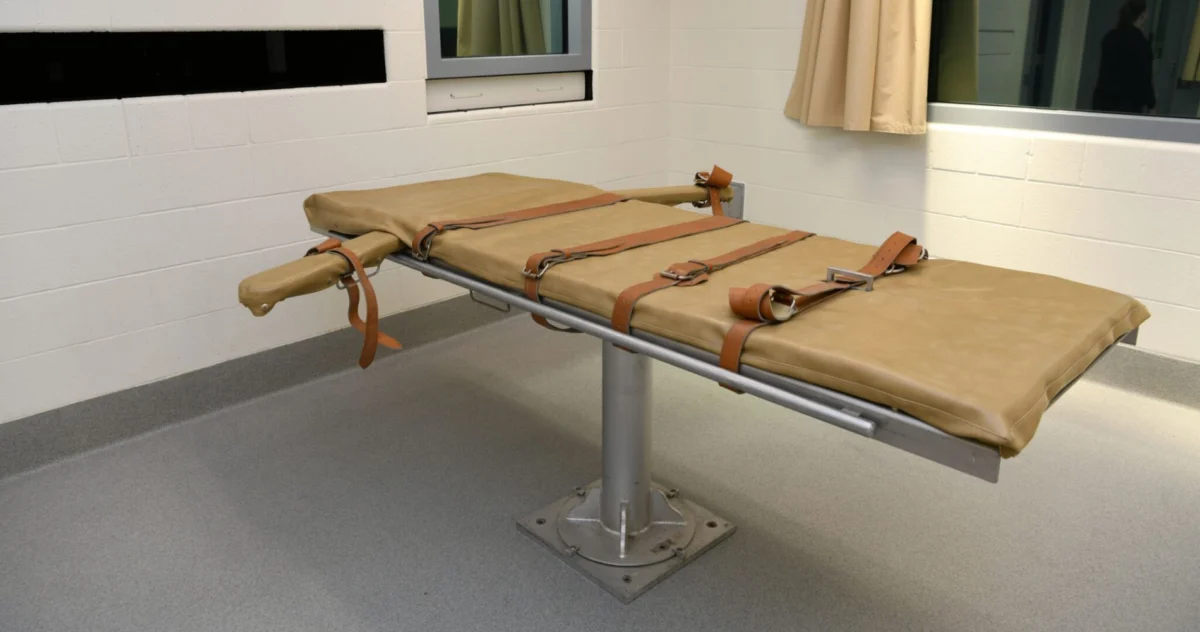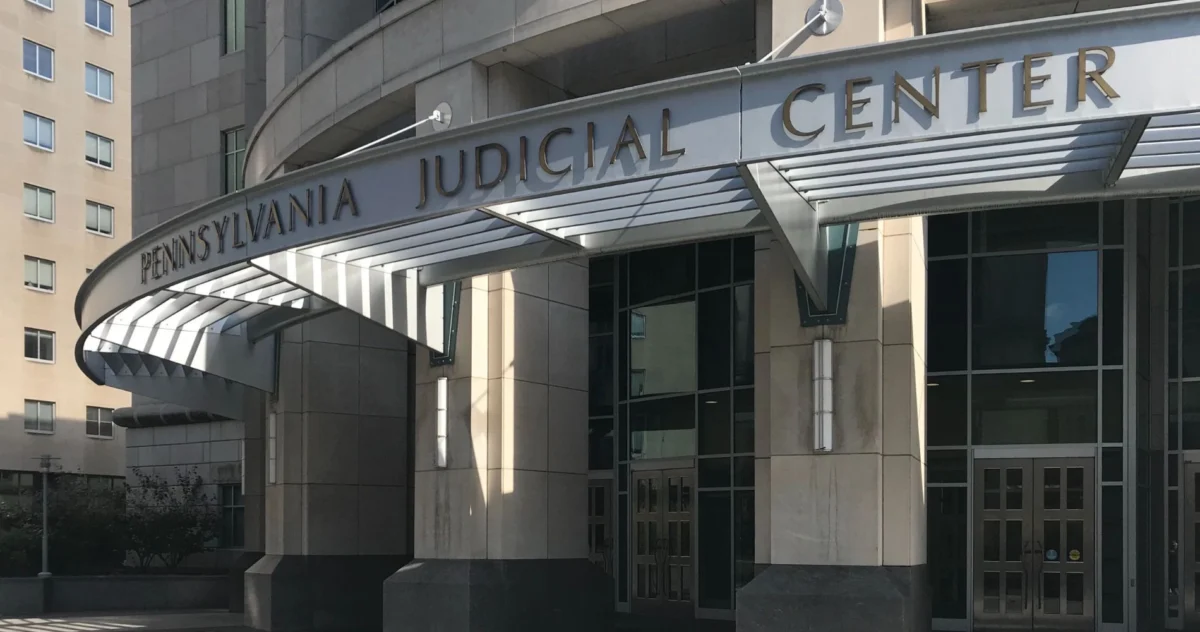
The Pennsylvania Supreme Court has issued a landmark ruling, declaring that mandatory life-without-parole sentences for individuals convicted of felony murder violate the state constitution’s prohibition against cruel punishments. This decision, handed down in the case of Commonwealth v. Lee, represents a significant shift in Pennsylvania’s criminal justice landscape, emphasizing the need for individualized sentencing that considers an offender’s culpability rather than imposing a blanket, irreversible penalty.
The court’s majority opinion, penned by Chief Justice Debra Todd, unequivocally stated, "We determine that a mandatory life without parole sentence for all felony murder convictions, absent an assessment of culpability, is inconsistent with the protections bestowed upon our citizens under the ‘cruel punishments’ clause of our Commonwealth’s organic charter." This pronouncement underscores a foundational principle of justice: that punishment must be proportionate to both the offense and the offender, a notion the court found to be absent in the state’s previous mandatory sentencing scheme for felony murder.
Under Pennsylvania law, the definition of second-degree murder encompasses situations where a death occurs during the commission of certain enumerated felonies, such as robbery, rape, or kidnapping. Crucially, a person can be convicted of second-degree murder even if they did not directly cause the death or intend for it to happen. For decades, the law mandated that every individual convicted of second-degree murder, irrespective of their role—whether they were the actual killer, a lookout, or a getaway driver—be sentenced to life imprisonment without the possibility of parole. This rigid framework meant that once convicted, an individual faced a sentence designed to ensure they would die in prison, with no opportunity for release based on rehabilitation or diminished culpability.
The strictness of Pennsylvania’s approach stood in stark contrast to most other jurisdictions. The court highlighted that only four other states—Iowa, Louisiana, Mississippi, and North Carolina—imposed similar mandatory life-without-parole sentences for felony murder without any exceptions for varying levels of involvement or intent. This comparative analysis underscored how outliers Pennsylvania’s system had become, prompting a reevaluation of its constitutionality under the state’s own protective clauses.
The Genesis of the Challenge: Commonwealth v. Lee
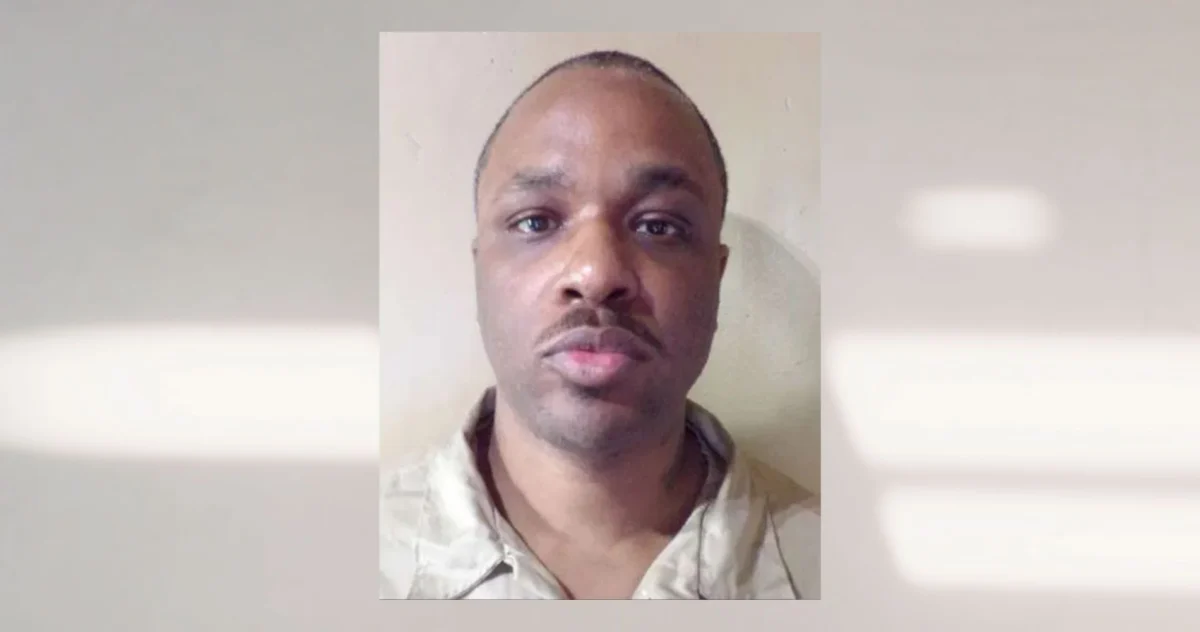
The case that brought this constitutional challenge to the forefront involved Derek Lee. In 2014, Lee was one of two men involved in an armed robbery in Allegheny County. During the commission of the crime, the other man involved shot and killed the victim during a scuffle in the basement, while Lee was situated upstairs. Both individuals were subsequently convicted of second-degree murder and, under the then-existing law, were sentenced to life imprisonment without the possibility of parole. Lee’s case became the vehicle for questioning the fundamental fairness of a system that equated the culpability of an accomplice with that of the direct perpetrator, assigning the same ultimate punishment regardless of their specific actions or intent regarding the death.
Lee challenged his sentence, arguing that it violated both the state and federal constitutions. The Pennsylvania Supreme Court’s ruling, however, centered its decision firmly on the state constitution, explicitly holding for the first time that the Pennsylvania Constitution provides greater protections to its citizens against disproportionate punishments than those recognized under the Eighth Amendment of the U.S. Constitution. This distinction is vital, as it empowers states to offer broader rights to their citizens, even if federal jurisprudence has not yet reached the same conclusion.
A Longstanding Notion of Justice: Proportionality and Culpability
At the heart of the court’s decision was the principle of proportionality in sentencing. The court invoked a "longstanding notion of justice that ‘punishment for [a] crime should be graduated and proportioned to both the offender and the offense.’" This principle, deeply embedded in legal philosophy, dictates that the severity of a penalty should reflect the gravity of the crime committed and the degree of blameworthiness of the individual.
Chief Justice Todd’s majority opinion articulated this clearly, stating that "individuals who have lessened culpability are less deserving of the most severe punishments." The court found Pennsylvania’s mandatory life-without-parole sentencing scheme for felony murder to be inherently flawed because it "fails to distinguish between ‘the lookout and the killer who pulls the trigger.’" This lack of differentiation meant that everyone convicted of felony murder received the same life-without-parole sentence—a penalty described as the "harshest imprisonment sanction permitted under the law" short of capital punishment.
The court elaborated that such an undifferentiated approach "runs afoul of notions of individualized sentencing for defendants facing the second most severe punishment after death." Individualized sentencing is a cornerstone of modern justice systems, aiming to ensure that courts consider the unique circumstances of each case, including the defendant’s role, intent, background, and potential for rehabilitation, before imposing a sentence. By removing the ability for judges to assess these factors, the mandatory scheme created a risk of imposing disproportionate punishment, thereby violating the state’s constitutional prohibition against cruel punishments. The ruling firmly establishes that the state constitution requires a more nuanced approach, one that accounts for the individual’s culpability.
Broader Legal and Societal Implications
This ruling carries profound implications for Pennsylvania’s criminal justice system. While the immediate effect is to remand Derek Lee’s case for resentencing, allowing the court to consider his individual culpability before determining whether he should receive life without parole or life with parole, the decision’s broader reach remains a critical question. The court did not expressly decide whether its ruling applies retroactively to the more than 1,000 people currently serving life without parole for second-degree murder in Pennsylvania. This retroactivity question is now one of the most pressing issues facing the state’s legislature and judiciary.
The decision places Pennsylvania alongside a growing number of states and federal courts that have recognized the constitutional imperative of individualized sentencing, particularly for severe penalties. While not directly analogous, the principles underlying this decision echo those in landmark U.S. Supreme Court cases like Miller v. Alabama (2012) and Montgomery v. Louisiana (2016), which struck down mandatory life without parole for juvenile offenders, citing their diminished culpability and greater capacity for reform. These cases established a precedent that culpability must be considered, a principle the Pennsylvania Supreme Court has now extended to adult felony murder convictions under its state constitution.
For the vast number of individuals currently incarcerated under the now-unconstitutional mandatory sentencing scheme, the ruling offers a glimmer of hope. Many of these inmates, like Derek Lee, may have been accomplices with varying degrees of involvement in the events leading to a death, not the direct perpetrators. A pathway to parole consideration, even if not immediate release, represents a significant shift in their legal status and potential future.
Official Reactions and Legislative Response
The ruling has been met with significant reactions from various stakeholders. Pennsylvania Governor Josh Shapiro, who has been a vocal advocate for striking down mandatory life without parole for felony murder, welcomed the court’s decision. Following the ruling, Governor Shapiro publicly called on state lawmakers to "come up with a thoughtful, just process to address those who are serving life sentences for second degree murder." His statement highlights the urgency of legislative action to provide clarity and a consistent framework for handling the cases of those already incarcerated.
In anticipation of such a ruling, or perhaps in parallel with the ongoing legal challenges, State Senator Sharif Street (D., Philadelphia) sponsored a bipartisan bill, SB387, which is currently pending in the state Senate. This proposed legislation would allow parole consideration for people convicted of felony murder after serving 25 years. Senator Street articulated the rationale behind his advocacy, telling Spotlight PA, "I’ve been advocating that we do this because the result of our legal system is there are people who were not the actual shooter who end up serving life in prison when the actual shooter did not." He further emphasized that this outcome is "inconsistent with people’s understanding of how justice should work." The bill aims to rectify these perceived injustices and bring Pennsylvania’s sentencing practices more in line with contemporary notions of fairness and rehabilitation.
While proponents of reform hail the decision as a step towards a more equitable and humane justice system, the ruling is also likely to generate concerns among victim advocacy groups and some law enforcement officials. These groups often emphasize the need for accountability for serious crimes and ensuring that justice is served for victims and their families. The legislative process for addressing retroactivity and establishing new sentencing guidelines will undoubtedly involve complex negotiations to balance these competing interests, ensuring public safety while upholding constitutional principles of proportionality and individualized justice.
Data and Statistics on Felony Murder in Pennsylvania
The scope of this ruling is substantial. As noted, more than 1,000 individuals are currently serving life-without-parole sentences for second-degree murder in Pennsylvania. This significant population highlights the extensive application of the now-unconstitutional mandatory sentencing scheme over decades. While precise demographic data on these inmates specific to their roles in felony murder cases is not immediately available, criminal justice reform advocates often point to the disproportionate impact of such rigid sentencing laws on minority communities and individuals from lower socioeconomic backgrounds. The sheer number underscores the potential administrative and judicial burden of reviewing and potentially resentencing these cases.
The fact that Pennsylvania was one of only five states with such an unyielding mandatory life-without-parole statute for felony murder speaks to the state’s particularly harsh stance compared to the rest of the nation. Most states with felony murder laws incorporate various degrees of murder or provide judicial discretion in sentencing, allowing for consideration of individual culpability. This comparative data reinforces the Pennsylvania Supreme Court’s finding that the state’s previous law was an outlier, failing to align with evolving standards of justice and proportionality across the country.
The Path Forward: Resentencing and Legislative Action
The immediate next step for Derek Lee’s case involves a remand to the sentencing court. This court will now have the crucial task of assessing his individual culpability, considering factors such as his specific role in the robbery, his intent (or lack thereof) regarding the death, and other relevant personal circumstances. Based on this individualized assessment, the court will then resentence him, potentially to life with parole, opening a future path to release that was previously unavailable.
For the hundreds of other individuals affected, the path forward is less clear but certainly more hopeful. The Pennsylvania General Assembly now faces the critical challenge of drafting and enacting legislation that addresses the retroactivity of this ruling. This will involve establishing a clear process for how existing cases will be reviewed, what criteria will be applied for resentencing, and whether new parole eligibility standards will be implemented. The bipartisan nature of Senator Street’s bill suggests that there may be political will to address this issue, but the details of any new legislation will be subject to intense debate and negotiation.
The Pennsylvania Supreme Court’s decision in Commonwealth v. Lee marks a pivotal moment for criminal justice in the Commonwealth. By affirming the principle of individualized sentencing and the constitutional requirement for proportionality, the court has set a new standard for justice. This ruling not only corrects a long-standing legal anomaly but also opens the door for a more thoughtful, just, and humane approach to punishing serious crimes, ensuring that the severity of a sentence truly reflects the culpability of the offender. The eyes of the legal community and advocates for reform will now turn to the legislature, awaiting the comprehensive framework that will define the future for over a thousand Pennsylvanians previously condemned to die behind bars.