The Irish government’s unveiling of Budget 2025 has drawn a complex response from Age Action, the nation’s leading advocacy organization for older persons. While certain measures regarding energy poverty and transport were welcomed, the organization expressed profound disappointment over the core social protection rates and the perceived neglect of those living alone. The announcement, which coincided with the International Day of Older Persons, highlighted a widening gap between state support and the actual cost of living for Ireland’s aging demographic. Dr. Nat O’Connor, a senior policy adviser for Age Action, characterized the budget as a missed opportunity to fundamentally secure the financial well-being of the elderly, noting that for another consecutive year, the state has failed to restore the state pension to its 2020 real-world value.
The State Pension and the Inflation Gap
At the heart of Age Action’s critique is the €12 weekly increase in the state pension. While the government framed this as a significant investment in social welfare, Dr. O’Connor argued that it falls short of what is required to maintain the purchasing power of older citizens. According to Age Action’s analysis, an increase of at least €30 per week—€18 more than what was granted—would have been necessary to bring the pension back to the level of utility it held four years ago.
Since 2020, Ireland has experienced a period of unprecedented inflation, driven by global supply chain disruptions and energy price spikes. For older people on fixed incomes, these inflationary pressures have translated into a tangible decrease in quality of life. The failure to align the pension with the Consumer Price Index (CPI) means that, in real terms, many older people are effectively poorer today than they were at the start of the decade. Age Action has consistently lobbied for a system of benchmarking and indexation, a policy standard in most Western European nations, which would automatically adjust pension rates based on average earnings or inflation. By failing to adopt this model, the Irish government leaves older persons vulnerable to the whims of annual political negotiations rather than providing guaranteed income security.
Addressing Energy Poverty and Fuel Allowance Reform
One of the more positive takeaways from Budget 2025, according to the advocacy group, is the reform of the fuel allowance. Age Action had long campaigned for a recognition of the specific vulnerabilities older people face regarding heating and energy. Physiologically, the human body retains less heat as it ages, making older populations more susceptible to the health risks associated with cold homes. Furthermore, Ireland’s housing stock remains a concern, with many older citizens residing in older, poorly insulated properties that are expensive to heat.
The government’s decision to grant those aged 66 and over access to the fuel allowance under a more generous means test was lauded as a significant step toward combating energy poverty. This expansion is expected to bring a larger cohort of the elderly into the safety net, providing a buffer against the high costs of electricity and home heating oil. For many, this could mean the difference between maintaining a healthy living temperature and facing the choice between "heating or eating," a dilemma that has become increasingly common during recent winters.
The Disadvantage of Older People Living Alone
A major point of contention for Age Action involves the perceived "systemic neglect" of older people living alone. The organization expressed deep regret that Budget 2025 did not introduce targeted supports for this specific cohort. Currently, the Living Alone Allowance remains stagnant, having seen only a minor €3 increase since 2022.
The economic reality of living alone is stark. Research cited by Age Action indicates that a single person living alone bears approximately 79% of the same household costs as a couple. However, the social protection system does not reflect this disparity. For example, the fuel allowance for a person aged 66+ living alone is barely over half the amount allocated to a couple, despite the fact that heating a home costs roughly the same regardless of whether one or two people reside there.
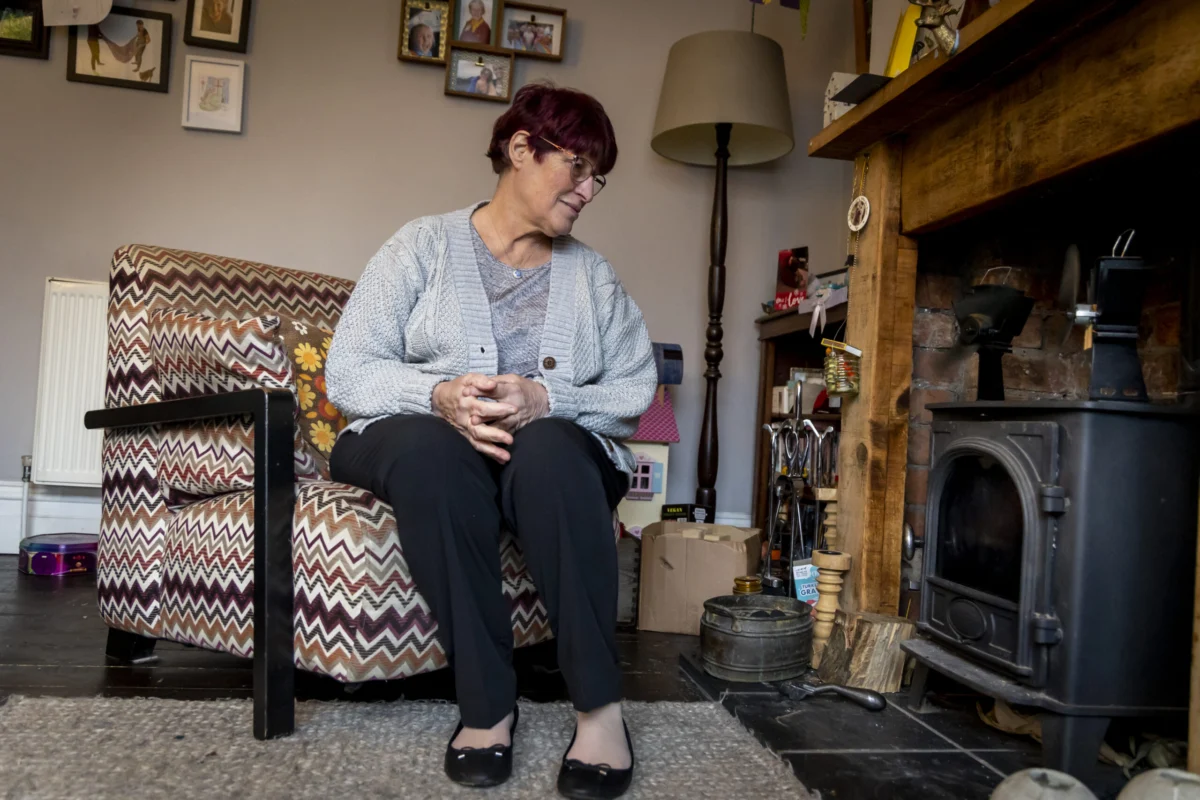
This financial pressure is reflected in recent statistics. In 2023, older people living alone were twice as likely to experience material deprivation compared to 2020 levels. They are also nearly three times as likely to experience deprivation than couples aged 65 and over. Dr. O’Connor pointed out that this issue also carries a significant gender dimension. Six out of ten older people living alone in Ireland are women. Given the existing 35% gender pension gap—a result of historical disparities in workforce participation and caregiving roles—the failure to support those living alone disproportionately harms women, compounding inequality in their later years.
Transport and Social Inclusion: The Universal Companion Pass
In terms of social participation, Age Action welcomed the introduction of a universal companion pass, scheduled for implementation in September 2025. This measure allows an older person to have a companion travel with them for free on public transport.
Transport inadequacy has long been cited as a primary driver of social isolation among the elderly in Ireland, particularly in rural areas where infrastructure is sparse. For many older individuals, physical frailty or cognitive decline can make navigating public transport a daunting or impossible task when alone. By allowing a companion to travel alongside them, the government is facilitating greater mobility and community engagement. This simple administrative change is expected to have a profound impact on the mental health and social lives of thousands of older citizens who might otherwise remain housebound.
Chronology of the Budgetary Process and Advocacy
The road to Budget 2025 began months ago with pre-budget submissions from various NGOs and advocacy groups. Age Action’s submission was built on two primary pillars: Social Protection and General Government Reform. Throughout the summer of 2024, the organization met with lawmakers to emphasize the "silver economy’s" needs, specifically focusing on the fact that Ireland’s aging population is growing faster than that of many of its EU neighbors.
The announcement on October 1st followed a series of one-off "cost-of-living" payments announced in previous years. While these lump sums provided temporary relief, Age Action’s stance has consistently been that one-off payments are a "sticking plaster" solution that fails to address the structural inadequacy of the core pension rate. The organization’s timeline of advocacy shows a shift from requesting emergency aid to demanding long-term systemic changes, such as the aforementioned indexation.
Fact-Based Analysis of Implications
The implications of Budget 2025 for Ireland’s older population are multifaceted. On one hand, the government has shown a willingness to address specific "symptoms" of poverty, such as energy costs and transport barriers. On the other hand, the refusal to benchmark the pension suggests a lack of political will to tackle the root cause of financial instability among the elderly.
Economically, the €12 increase may be absorbed almost entirely by the rising cost of services and groceries, leaving the net position of the pensioner unchanged or even slightly worse off in terms of purchasing power. Furthermore, the stagnation of the Living Alone Allowance suggests a policy blind spot regarding the "singles penalty" in Irish social welfare. As the demographic shift continues—with the number of people aged 65 and over expected to reach 1.5 million by 2050—the strain on the current social protection model will only increase.
From a sociological perspective, the failure to address the 35% gender pension gap through more robust supports for those living alone means that older women will continue to represent one of the most economically vulnerable groups in Irish society. This budget cycle reinforces the need for a more holistic approach to aging, one that moves beyond mere subsistence and toward a standard of living that allows for dignity and full societal participation.
Official Responses and Broader Context
While the government, led by Minister for Social Protection Heather Humphreys, defended the budget as a balanced approach to supporting the vulnerable while maintaining fiscal responsibility, opposition parties and social justice groups have echoed some of Age Action’s concerns. Critics argue that the government’s reliance on one-off payments creates a "cliff edge" for pensioners once those funds are exhausted, rather than providing the "peace of mind" that Dr. O’Connor and Age Action have called for.
As Ireland moves toward the 2025 general election, the treatment of the "grey vote" is likely to become a central political issue. Age Action has renewed its call for a social contract that recognizes the rights of older people, not as passive recipients of charity, but as active citizens entitled to economic security.
In conclusion, Budget 2025 represents a mixture of progress and stagnation. The reforms to the fuel allowance and the introduction of the companion pass are landmark victories for advocacy. However, the core issue of income adequacy remains unresolved. For the thousands of older people living alone and those struggling with the legacy of inflation, the budget provides a temporary buffer but fails to deliver the long-term structural reform necessary to ensure a secure retirement for all. Age Action continues to urge the government to move toward a model of indexation that would finally align Ireland with its European peers and protect the most vulnerable from the volatility of the global economy.