The escalating conflict in Iran, characterized by widespread civilian casualties and a destabilization of regional security, has transcended its immediate humanitarian horror to become a catalyst for a fundamental reappraisal of British economic and strategic identity. As the international community grapples with the fallout of a war that has seen families displaced and urban centers devastated, policymakers in London are being forced to confront a question deferred for nearly half a century: whether the United Kingdom should continue its trajectory toward a deregulated, American-style economic model or pivot toward the more egalitarian structures of Northern Europe. This geopolitical crisis, punctuated by a shift in Washington’s global posture, has laid bare the vulnerabilities of a British economy heavily reliant on the "Anglosphere" gamble.
The Humanitarian Crisis and Geopolitical Context
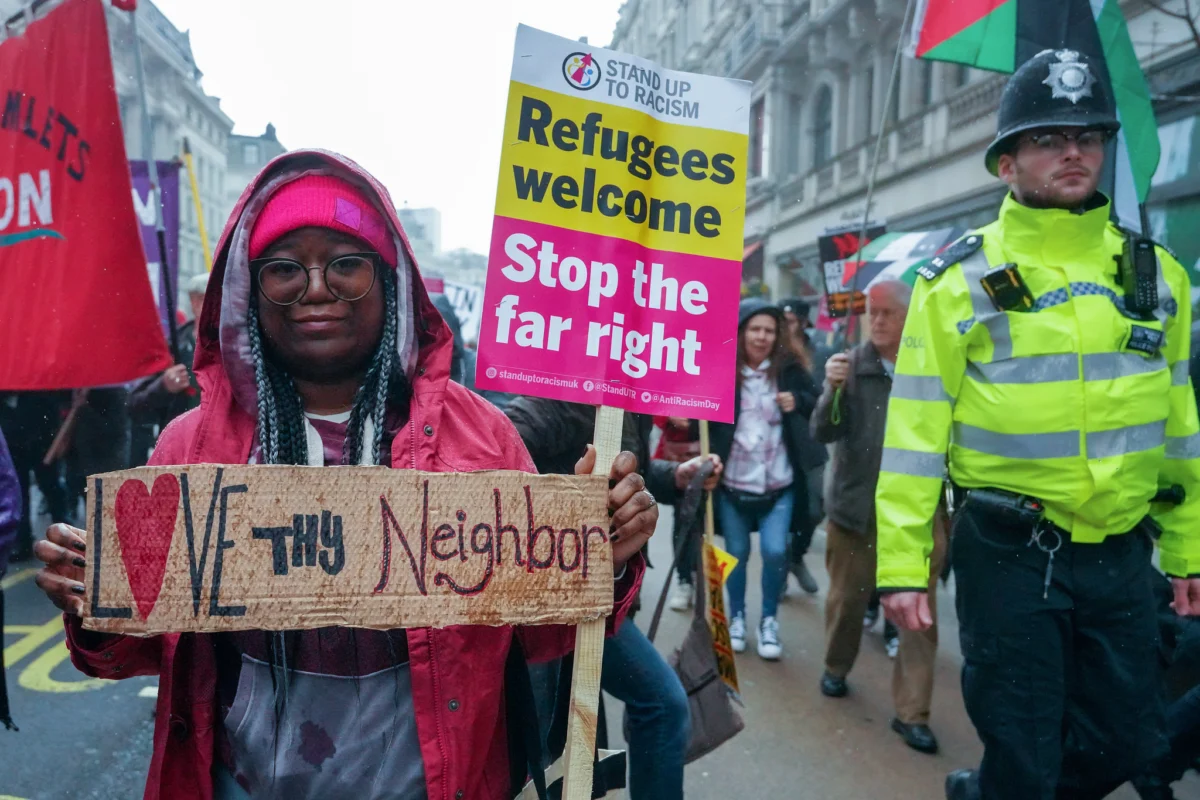
The conflict in Iran, which reached a state of full-scale hostilities in early 2026, has resulted in one of the most significant humanitarian emergencies of the decade. Beyond the immediate strategic implications, the human cost remains the primary focus of international observers. According to reports from non-governmental organizations on the ground, the civilian population is enduring unprecedented hardship, with infrastructure damage leading to shortages of medicine, clean water, and food.
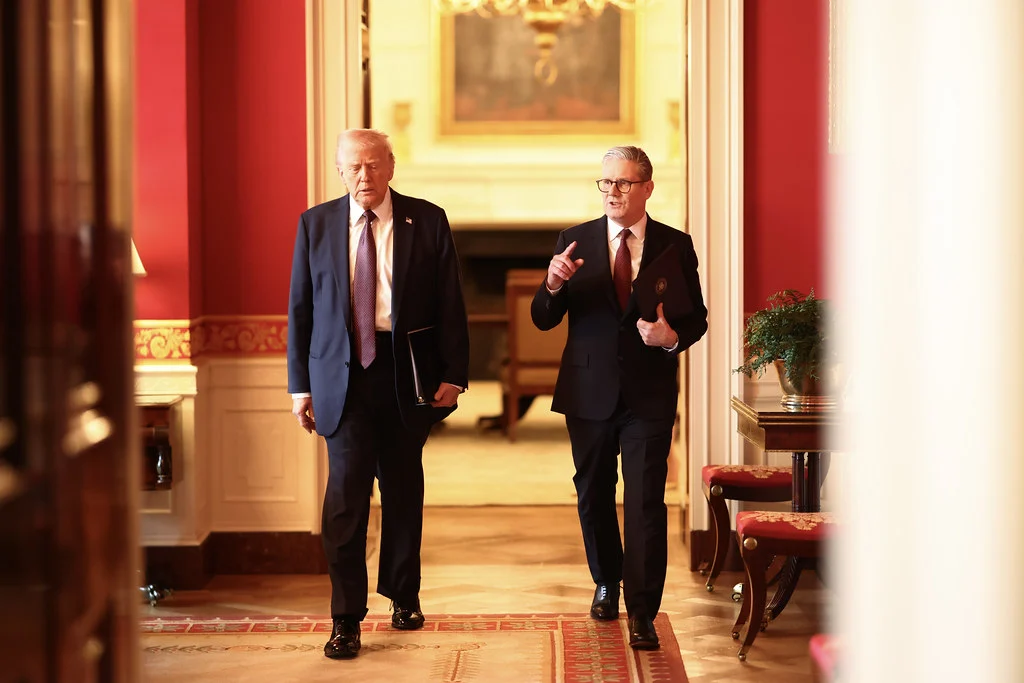
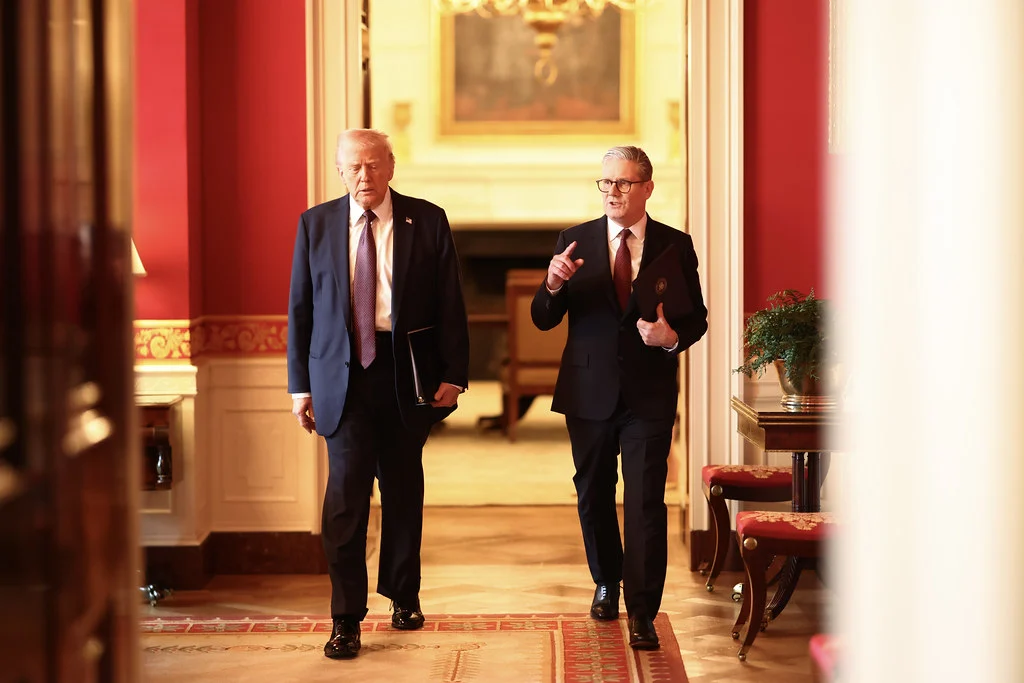
From a geopolitical perspective, the war has exposed a significant shift in the North Atlantic Treaty Organization (NATO) and the broader Western alliance. The United States’ approach to the conflict—marked by a combination of unilateral military objectives and an increasingly protectionist economic stance—has signaled to its allies that the era of predictable, multilateral American leadership is evolving into a more transactional and nationalist framework. For Britain, which has historically positioned itself as the bridge between the United States and Europe, this shift represents a moment of profound strategic isolation.
A Forty-Year Drift: The Evolution of the UK-US Economic Alignment
The current dilemma is the culmination of a four-decade trend that began in the early 1980s. Following the economic reforms of the Thatcher era, the United Kingdom began a steady departure from the post-war consensus of a mixed economy, moving instead toward a model defined by the Washington Consensus. This transition was characterized by several key pillars:
- Financial Deregulation: The "Big Bang" of 1986 transformed the City of London into a global hub for high-finance, mirroring the deregulation of Wall Street and prioritizing speculative markets over domestic manufacturing.
- Labor Market Flexibility: Legislative changes systematically weakened trade unions, leading to a decline in collective bargaining power and a rise in "gig economy" labor practices.
- Privatization of Public Assets: The sale of state-owned utilities and the introduction of private providers into the National Health Service (NHS) and the education sector reflected a belief in market-driven efficiency.
- Technological and Defense Dependence: The UK’s technology sector became increasingly dominated by Silicon Valley platforms, while its defense infrastructure became inextricably linked to American hardware and strategic priorities.
Following the UK’s exit from the European Union, the government doubled down on this alignment, betting on a "Global Britain" strategy that relied on deep trade and security ties with the Anglosphere. However, as the war in Iran has demonstrated, an America that is erratic in its alliances and indifferent to international institutions makes for a volatile foundation for a national economy.
Chronology of the Shift (2020–2026)
To understand the current crossroads, it is necessary to examine the timeline of events that weakened the UK’s commitment to the American model:
- 2020–2022: The global pandemic and subsequent supply chain crises highlight the risks of over-reliance on distant trade partners and the fragility of "just-in-time" economic models.
- 2023–2024: The United States implements a series of "America First" industrial policies, including massive subsidies for domestic green energy and technology, which disadvantage British firms and signal a turn toward economic nationalism.
- 2025: Tensions in the Middle East escalate. The UK finds itself under pressure to support US military initiatives that conflict with its own regional interests and the views of its European neighbors.
- January–March 2026: The outbreak of the war in Iran leads to a spike in global energy prices and a collapse in international diplomatic norms. The UK government faces internal division over whether to follow the US lead or seek a more autonomous European security and economic framework.
Comparative Data: The Cost of Inequality
The debate over Britain’s economic future is not merely ideological; it is supported by a significant body of data comparing the UK’s performance with its Northern European counterparts. According to data from the OECD and the World Bank, the United Kingdom consistently exhibits higher levels of income and wealth inequality than states such as Germany, Sweden, Denmark, and the Netherlands.
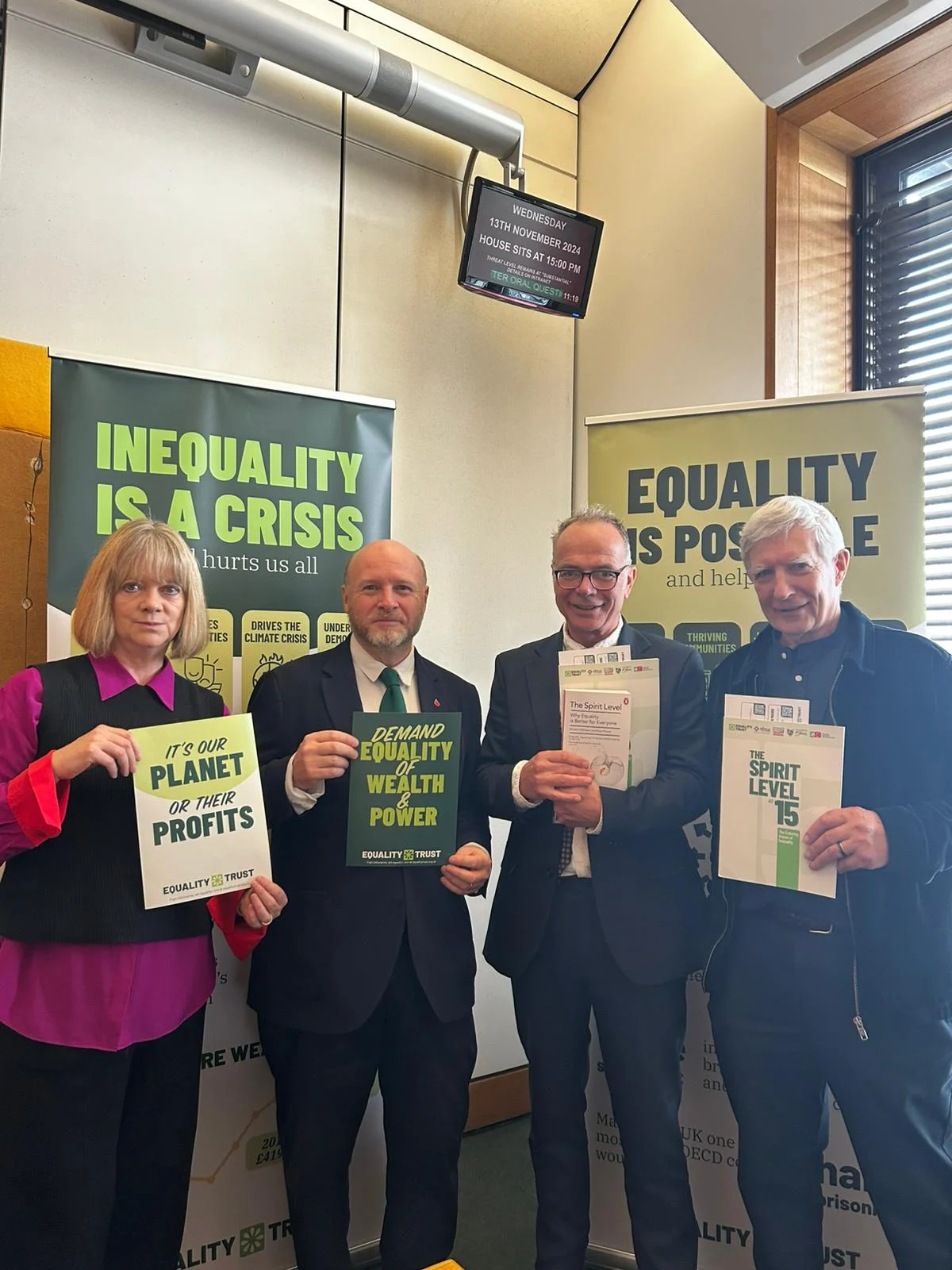
In 2025, the Gini coefficient—a standard measure of inequality—placed the UK significantly higher than the Scandinavian average. Furthermore, the UK’s productivity growth has stagnated compared to Northern European economies that maintain stronger labor protections and higher levels of public investment. Analysis by the Equality Trust suggests that the concentration of wealth in the UK has created a "feedback loop" where extreme wealth translates into disproportionate political influence.
A recent briefing titled Money, Media and the Lords: How the Ultra-wealthy are Shaping Britain highlights that the top 0.1% of the population has seen their share of national wealth grow by over 50% since 2010, while real wages for the bottom 60% have remained largely flat. This concentration of power is often facilitated by lobbying structures and oligopolistic market conditions that reduce competition and extract value from the general public.
The Northern European Alternative
As the war in Iran forces a re-evaluation of the UK’s alliances, the "Northern European model" has emerged as a viable alternative. This model, often referred to as "social corporatism" or "Rhenish capitalism," is defined by several characteristics that differ sharply from the American approach:
- Co-determination: Workers in countries like Germany have a legal right to representation on the boards of large corporations, ensuring that labor interests are considered in strategic decision-making.
- Regulated Finance: Financial sectors are geared toward supporting the "Mittelstand" (small and medium-sized enterprises) and long-term industrial investment rather than short-term shareholder returns.
- Robust Social Safety Nets: Higher levels of taxation fund comprehensive public services, which in turn reduce the economic anxiety of the workforce and promote social mobility.
- Public Ownership: Essential services, including transportation and energy, often feature significant state or municipal ownership, ensuring that profits are reinvested into the infrastructure rather than exported to foreign investors.
Proponents of this shift argue that moving toward this model would not only reduce inequality but also provide the UK with greater "strategic autonomy"—the ability to set its own course in international affairs without being tethered to the shifting whims of a single superpower.
Official Responses and Political Reaction
The prospect of a major economic reorientation has met with a mixed response across the British political spectrum.
A spokesperson for the Department for Business and Trade stated, "While our relationship with the United States remains a cornerstone of our security, we are actively exploring ways to diversify our economic partnerships and build greater domestic resilience in the face of global instability."
Conversely, critics within the business community have expressed concerns. A representative from a leading London-based financial think tank warned, "A sudden pivot away from the American model risks alienating our largest trading partner and could lead to a flight of capital from the City. We must be cautious about adopting European regulations that could stifle innovation."
However, labor organizations and advocacy groups, including the Equality Trust, have welcomed the debate. Priya Sahni-Nicholas, Co-Executive Director of the Equality Trust, argued that the current crisis is a "moment of truth" for the country. "We can continue to serve a model that enriches a tiny elite while the rest of the country struggles, or we can build an economy that works for everyone by adopting the proven strategies of our more equal neighbors," she stated.
Broader Impact and Implications: A Strategy for Community Wealth
If Britain chooses to break its dependence on the American model, the implications for domestic policy would be transformative. Experts suggest that a new "community wealth building" strategy would be required to revitalize the country’s regions. This would involve:
- Domestic Industrial Investment: Directing capital toward local manufacturing and green energy projects, ensuring that the value generated stays within the UK rather than being extracted by overseas contractors.
- Technological Sovereignty: Developing independent technology infrastructure to reduce the data and economic dominance of Silicon Valley firms.
- Enhanced Competition Policy: Strengthening regulators to break up oligopolies and prevent the concentration of market power that allows a handful of corporations to dictate national policy.
- Financial Reform: Reorienting the banking sector to serve the "productive economy"—agriculture, manufacturing, and services—rather than speculative asset bubbles.
The war in Iran has served as a tragic reminder that global stability is fragile and that the "Special Relationship" is not a guarantee of economic security. As the UK navigates the complexities of the mid-2020s, the choice between the American and European models will define the nation’s social fabric for the next generation. The decision is no longer just about trade deals; it is about the fundamental nature of British democracy and whether the economy exists to serve the people, or the people exist to serve the economy.