The escalation of military conflict in Iran has triggered a profound humanitarian crisis in the Middle East, while simultaneously precipitating a strategic and economic identity crisis within the United Kingdom. As the civilian death toll rises and regional stability collapses, the British government finds itself at a historic crossroads, forced to reconcile its long-standing alignment with United States foreign and economic policy against a growing domestic demand for a more autonomous, European-style social and economic framework. The conflict, which many analysts view as a tipping point in international relations, has exposed the vulnerabilities of the UK’s post-Brexit "Anglosphere" gamble, prompting a rigorous debate over the future of British capitalism, wealth distribution, and strategic independence.
The Humanitarian Context and Regional Instability
The war in Iran, which intensified in early 2026, has resulted in a staggering loss of life and the displacement of millions. According to reports from international aid agencies, the destruction of urban infrastructure in major Persian hubs has created a vacuum of essential services, including water, electricity, and medical care. Beyond the immediate human tragedy, the conflict has disrupted global energy markets and shipping lanes, sending shockwaves through a British economy already struggling with inflationary pressures and stagnant growth.
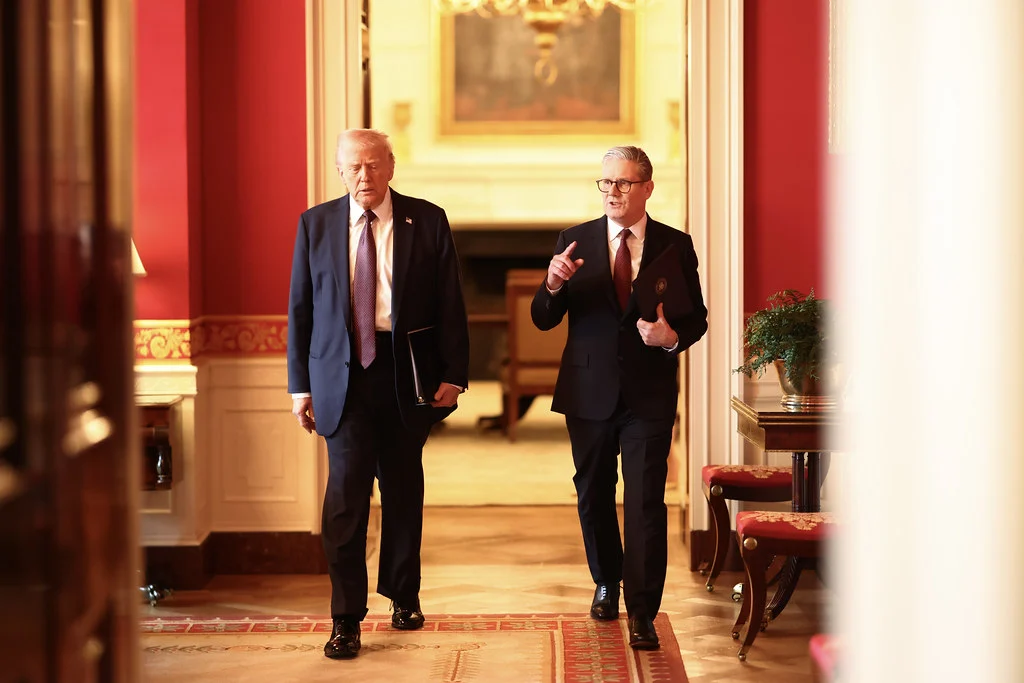
For the UK, the war is not merely a distant geopolitical event but a catalyst for internal reflection. The United States’ posture—characterized by a combination of aggressive military posturing and economic nationalism—has placed London in a difficult position. For decades, the UK has operated as a junior partner to Washington, adopting a model of deregulated finance, privatized public services, and a defense strategy heavily reliant on American hardware. However, as the U.S. demonstrates an increasingly erratic approach to international institutions and traditional alliances, the "Special Relationship" is being scrutinized with unprecedented intensity by policymakers and the public alike.
Chronology of the Crisis and the British Response
The path to the current crisis can be traced through a series of escalating events over the past eighteen months:
- October 2025: Tensions in the Persian Gulf escalate following the collapse of maritime security protocols. The UK initially pledges diplomatic support for a U.S.-led coalition.
- December 2025: A series of cyberattacks on regional energy infrastructure leads to a spike in global oil prices. The UK government faces domestic pressure to subsidize rising energy costs for households.
- January 2026: Full-scale hostilities break out. The U.S. administration implements a "prioritize domestic interests" policy, causing friction with European allies regarding the distribution of resources and the burden of refugee resettlement.
- February 2026: Major British financial institutions report significant losses due to exposure in volatile Middle Eastern markets. Public opinion polls in the UK show a sharp decline in support for following the U.S. military lead.
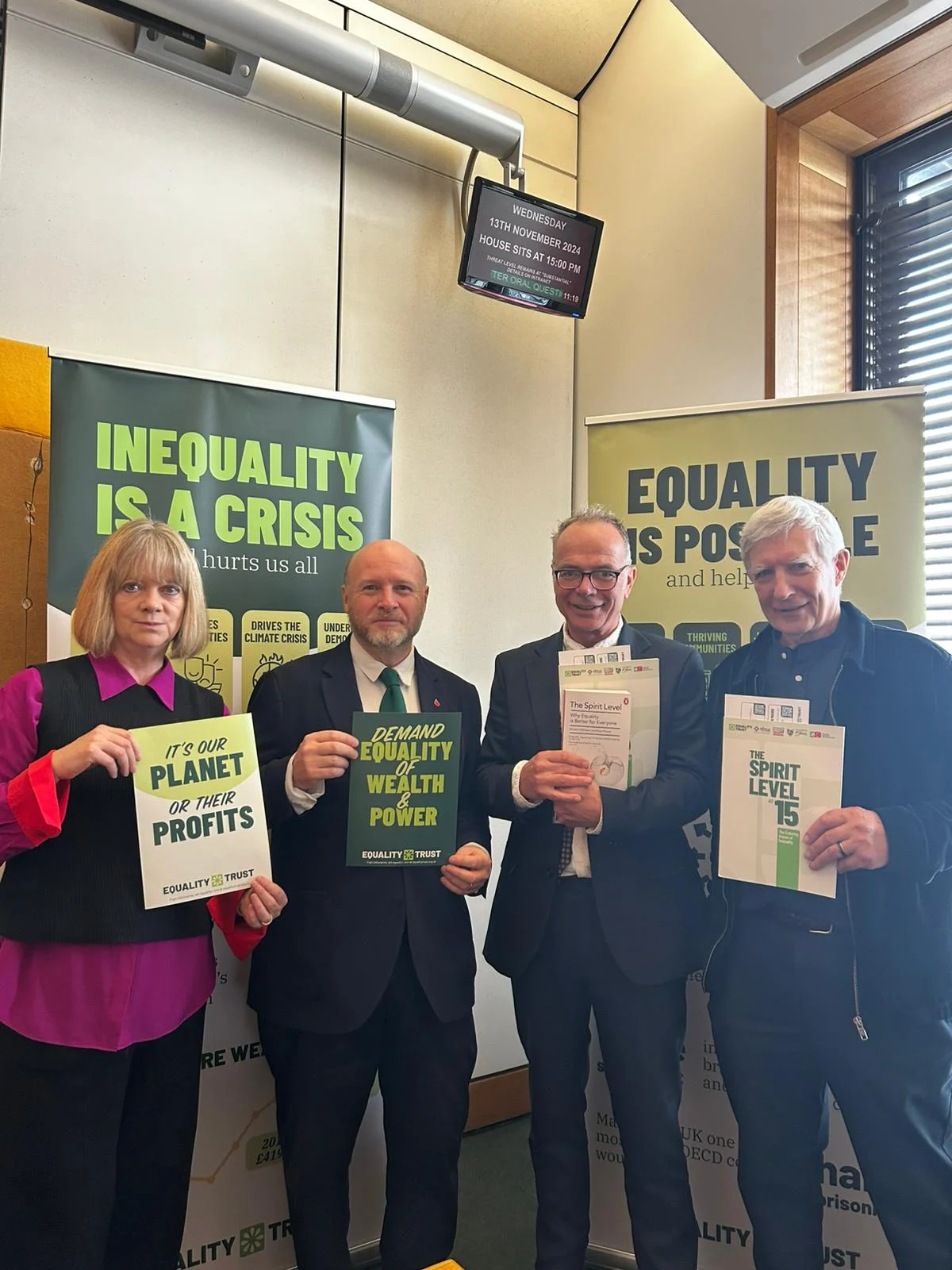
- March 2026: The Equality Trust and other prominent think tanks release briefings arguing that the UK’s economic model, mirrored after the U.S., has left the country uniquely vulnerable to external shocks compared to more integrated Northern European economies.
The Divergence of Economic Models: US vs. Northern Europe
The current crisis has highlighted the stark differences between the Anglo-American economic model and the "Nordic" or "Social Market" models prevalent in Northern Europe. For forty years, the UK has trended toward Washington’s brand of capitalism. This shift has been characterized by weakened trade unions, a technology sector dominated by Silicon Valley platforms, and a financial sector that often prioritizes speculative gains over domestic industrial investment.
Data from the Office for National Statistics (ONS) and the OECD suggests that this alignment has come at a cost. The UK’s Gini coefficient—a measure of income inequality—remains significantly higher than that of Germany, the Netherlands, or the Scandinavian states. In 2025, the UK’s wealth inequality reached its highest level in a decade, with the top 1% of households holding more wealth than the bottom 70% combined. In contrast, countries like Denmark and Norway, which utilize models with stronger labor rights and broader worker ownership, have maintained higher levels of social mobility and economic resilience during the current global downturn.
The pressure to reorient toward these European models is no longer confined to the political left. Business leaders in the manufacturing and green energy sectors have begun to advocate for a "strategic autonomy" that mirrors the German approach to industrial policy. This involves long-term state investment in domestic capacity, reducing reliance on overseas contractors, and fostering a more regulated financial environment that serves the "productive" economy.
The Influence of Concentrated Wealth and Corporate Power
A critical component of the debate surrounding Britain’s economic future is the role of extreme wealth in shaping national policy. A recent briefing titled Money, Media and the Lords: How the Ultra-wealthy are Shaping Britain highlights a feedback loop between concentrated corporate power and political influence. The report argues that the UK’s drift toward the American model has fostered an environment where oligopolies reduce competition and extract value from consumers rather than innovating.
Lobbying structures in Westminster have often bent regulation toward the interests of the largest players, particularly in the tech and finance sectors. This has made it increasingly difficult to implement policies that would redistribute wealth or protect domestic industries. The war in Iran has acted as a "stress test" for this system, revealing that an economy controlled by a handful of corporations and their owners may not align with the broader national interest during a time of global upheaval.
Proposed Strategies for a More Independent Economy
In response to these challenges, a consensus is forming around several key strategies designed to build a more resilient and equitable British economy:
1. Community Wealth Building
Advocates are calling for a nationwide "community wealth building" strategy. This approach, pioneered at a local level in cities like Preston, focuses on keeping wealth within local economies. By encouraging "anchor institutions"—such as hospitals and universities—to buy goods and services from local suppliers, the strategy aims to revitalize "left-behind" regions that have suffered under the era of globalization and privatization.
2. Domestic Industrial Investment
The UK’s reliance on American defense hardware and overseas contractors is being reassessed. A new industrial strategy would prioritize domestic capacity in high-tech manufacturing, green energy, and defense. This shift is seen as essential for ensuring that the value generated by large-scale government projects circulates within the UK economy rather than being extracted by multinational corporations.
3. Digital and Technological Sovereignty
The dominance of American tech platforms has raised concerns about data privacy and economic extraction. Proposals are being drafted for a technology infrastructure that keeps digital value within the UK. This includes stricter regulation of Silicon Valley firms and increased state support for domestic tech start-ups that focus on public utility rather than just venture capital returns.
4. Financial Regulation and Competition Policy
To address the concentration of market power, experts suggest a "competition policy with real teeth." This would involve more aggressive antitrust enforcement to break up oligopolies and financial regulations that discourage speculative trading in favor of lending to small and medium-sized enterprises (SMEs).
Official Responses and Political Implications
The British government’s response to these calls for change has been cautious but notable. A spokesperson for the Treasury stated, "The global landscape has changed fundamentally. We are reviewing all aspects of our economic strategy to ensure that the UK remains resilient and that our growth benefits every part of the country."
The opposition has been more vocal, with Shadow Ministers calling for a "Clean Break" from the deregulatory agenda of the past four decades. "We cannot afford to be an island of American-style inequality in a changing world," said one senior MP during a recent parliamentary debate. "The conflict in Iran shows that our current path is not only morally questionable but strategically dangerous."
In the City of London, reactions are mixed. While some institutional investors fear that increased regulation and a shift away from the U.S. model could hamper competitiveness, others argue that long-term stability requires a more balanced and equitable economic foundation. "The markets dislike uncertainty," noted one senior analyst at a major investment bank. "If a more European model provides a more stable social contract and more predictable domestic investment, many in the City will eventually get behind it."
Conclusion: A Generational Choice
As the war in Iran continues to reshape the geopolitical map, the United Kingdom faces a generational choice. The crisis has stripped away the illusion that economic policy can be divorced from social outcomes or strategic independence. Britain can choose to maintain its current trajectory, leaving its economic model largely untouched while merely shifting its diplomatic rhetoric. However, this path risks deepening internal divisions and leaving the country vulnerable to the whims of an increasingly nationalist United States.
Alternatively, the UK can treat this moment as an opportunity to build an economy that works for everyone. By adopting the more equal and strategically autonomous practices of its Northern European neighbors, Britain could forge a new path—one defined by community wealth, industrial resilience, and a commitment to reducing the influence of concentrated power. The decision made in the coming months will likely determine the UK’s economic and social character for the remainder of the 21st century.