The landscape of contemporary entertainment is undergoing a significant transformation as LGBTQ+ artists increasingly secure high-profile roles on Broadway, achieve milestones in professional athletics, and utilize digital platforms to foster community visibility. This shift is characterized not only by the individual successes of performers like Tessa Thompson, Cynthia Erivo, and Megan Stalter but also by a broader systemic change in how queer identities are integrated into mainstream media. The convergence of stage performance, social media advocacy, and public visibility marks a new era in the creative industries where authenticity and professional excellence are increasingly intertwined.
The Evolution of the Broadway Stage: Debuts and Physical Demands
The announcement of Tessa Thompson’s upcoming Broadway debut marks a pivotal moment in the actor’s career, reflecting a broader trend of established screen actors returning to the roots of live theater. Thompson, widely recognized for her roles in the Marvel Cinematic Universe and the Creed franchise, has long been an advocate for nuanced queer representation in Hollywood. Her transition to the New York stage is viewed by industry analysts as a strategic move to solidify her standing in the dramatic arts. While specific production details often remain under wraps during the early stages of casting, the inclusion of a high-profile actor of Thompson’s caliber typically leads to increased ticket sales and broader demographic engagement for the theater district.
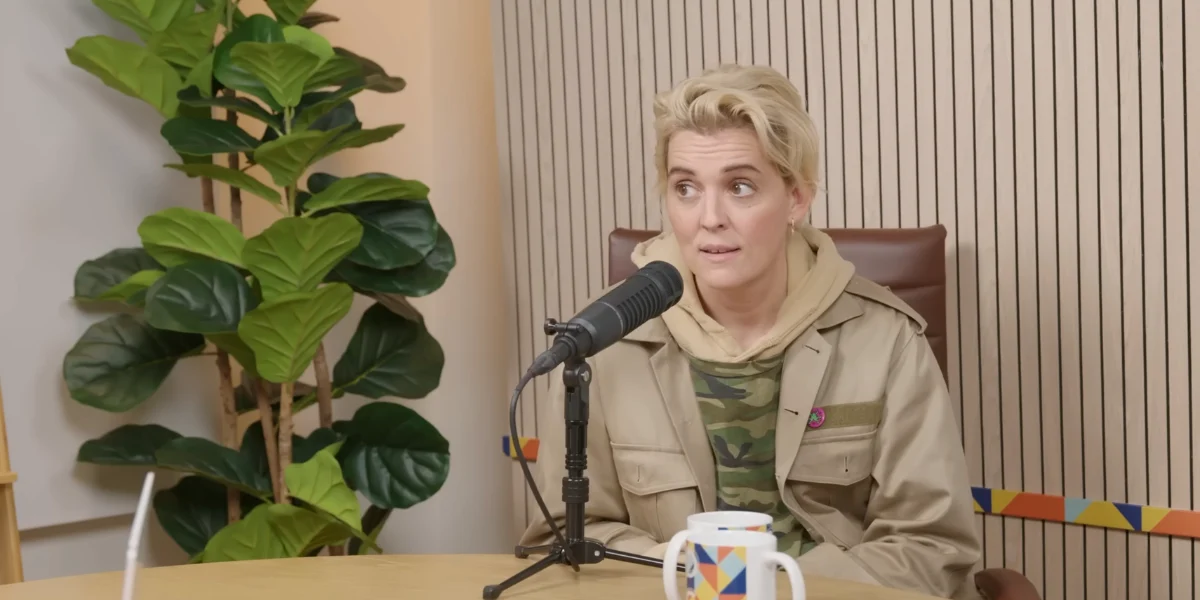
However, the transition to live performance is not without significant challenges. The physical and mental toll of a Broadway schedule—typically consisting of eight performances per week—is a frequent topic of discussion among performers. Recently, actress and comedian Megan Stalter, known for her breakout role in the Max series Hacks, has highlighted the grueling nature of the theatrical "marathon." Stalter’s experiences underscore a growing conversation within the Actors’ Equity Association regarding performer wellness and the necessity of adequate rest periods. Unlike the episodic nature of film and television production, where long breaks are common between takes, theater requires a sustained, high-energy output that can lead to physical exhaustion if not managed with rigorous discipline.
Athletic Achievement and Multidisciplinary Excellence
The intersection of physical endurance and artistic performance is perhaps best exemplified by Cynthia Erivo. Erivo, a Tony, Emmy, and Grammy Award winner, has recently made headlines not only for her role as Elphaba in the cinematic adaptation of Wicked but also for her participation in long-distance running. Erivo’s completion of marathons while maintaining a high-profile career in music and film serves as a testament to the discipline required of modern entertainers.
The physical conditioning necessary for marathon running often mirrors the stamina required for musical theater. According to sports medicine experts, the cardiovascular health and lung capacity developed through distance running provide a significant advantage for vocalists who must perform complex choreography while maintaining vocal precision. Erivo’s ability to balance these demanding disciplines highlights a shift toward a more holistic approach to the performer’s craft, where physical health is prioritized as a foundational element of professional longevity.
Trans Visibility and the Significance of TDOV
Trans Day of Visibility (TDOV), observed annually on March 31, has become a critical touchstone for advocacy within the entertainment industry. This year, actors like Liv Hewson, known for their role in the critically acclaimed series Yellowjackets, utilized their platforms to highlight the importance of trans and non-binary representation. Hewson’s public presence is particularly significant given the current legislative climate in various regions where the rights of transgender individuals are under scrutiny.
The role of the "out" actor has evolved from a position of potential professional risk to one of cultural leadership. Data from organizations such as GLAAD (Gay & Lesbian Alliance Against Defamation) suggest that seeing transgender and non-binary individuals in successful, visible roles significantly impacts public perception and reduces social stigma. By sharing personal milestones and professional successes on TDOV, artists like Hewson provide necessary counter-narratives to the often-negative portrayals of trans lives in traditional news media.
The Digital Sphere and Authentic Engagement
The influence of queer artists extends beyond traditional media into the digital realm, where social media platforms allow for a more direct and unfiltered connection with audiences. Musicians like King Princess have utilized platforms such as Instagram to provide "behind-the-scenes" insights into their creative processes. This level of transparency fosters a sense of community among LGBTQ+ youth, who often look to these figures for guidance on navigating their own identities.
Similarly, Ariana DeBose, an Academy Award winner and a prominent figure in the Broadway community, continues to use her platform to showcase the intersection of fashion, art, and identity. Her public appearances and photoshoots are often analyzed by cultural critics as a form of visual activism, asserting the presence of queer women of color in spaces that have historically been exclusionary.
Mainstream media platforms are also increasingly hosting queer voices, as seen in the work of Amy Schumer. By featuring a diverse array of LGBTQ+ guests on her podcast and in her creative projects, Schumer exemplifies the role of the "ally" in the industry. These collaborations are essential for bringing queer narratives to a broader, more generalized audience, thereby normalizing diverse experiences and fostering empathy.
Late-in-Life Coming Out and Social Evolution
A notable trend within the queer community is the increasing frequency of individuals coming out later in life. This phenomenon is often celebrated as a sign of progress, indicating that the social barriers to authenticity are slowly eroding. The narrative of the "late-in-life lesbian" or queer individual is gaining traction in both social media and scripted content, providing representation for a demographic that was previously overlooked.
Sociologists suggest that this trend is the result of a more inclusive cultural environment where the stigma associated with non-heteronormative identities is decreasing. For many, the decision to come out later in life is a reclamation of self that inspires others in similar positions. This shift is also reflected in the travel and lifestyle sectors, where there is a growing market for LGBTQ+-friendly spaces and communities that cater to individuals at all stages of their journey.
Broader Impact and Industry Implications
The cumulative effect of these individual milestones is a more robust and diverse entertainment industry. The presence of queer actors on Broadway, the athletic feats of multidisciplinary artists, and the advocacy of trans performers all contribute to a cultural tapestry that is more representative of the global population.
From an economic perspective, diversity has proven to be a viable business model. Production companies and theatrical houses are finding that inclusive casting and storytelling attract a wider audience and generate significant social capital. As the 2024-2025 theatrical and film seasons approach, industry insiders expect a continued emphasis on queer narratives, driven by both audience demand and the creative vision of artists who refuse to be sidelined.
The transition from the "sprint" of early career success to the "marathon" of long-term industry influence requires a combination of talent, resilience, and community support. As evidenced by the current activities of Thompson, Erivo, and others, the queer community in the arts is not only surviving but thriving, setting new standards for excellence and advocacy that will influence the industry for decades to come.
In conclusion, the intersection of art, athletics, and advocacy within the LGBTQ+ community represents a significant advancement in cultural visibility. By documenting these milestones and analyzing their broader implications, it becomes clear that the progress made by these individuals is part of a larger movement toward a more inclusive and equitable society. The "marathon" of representation continues, with each debut, performance, and public statement serving as a crucial step toward a future where diversity is celebrated as the industry standard.