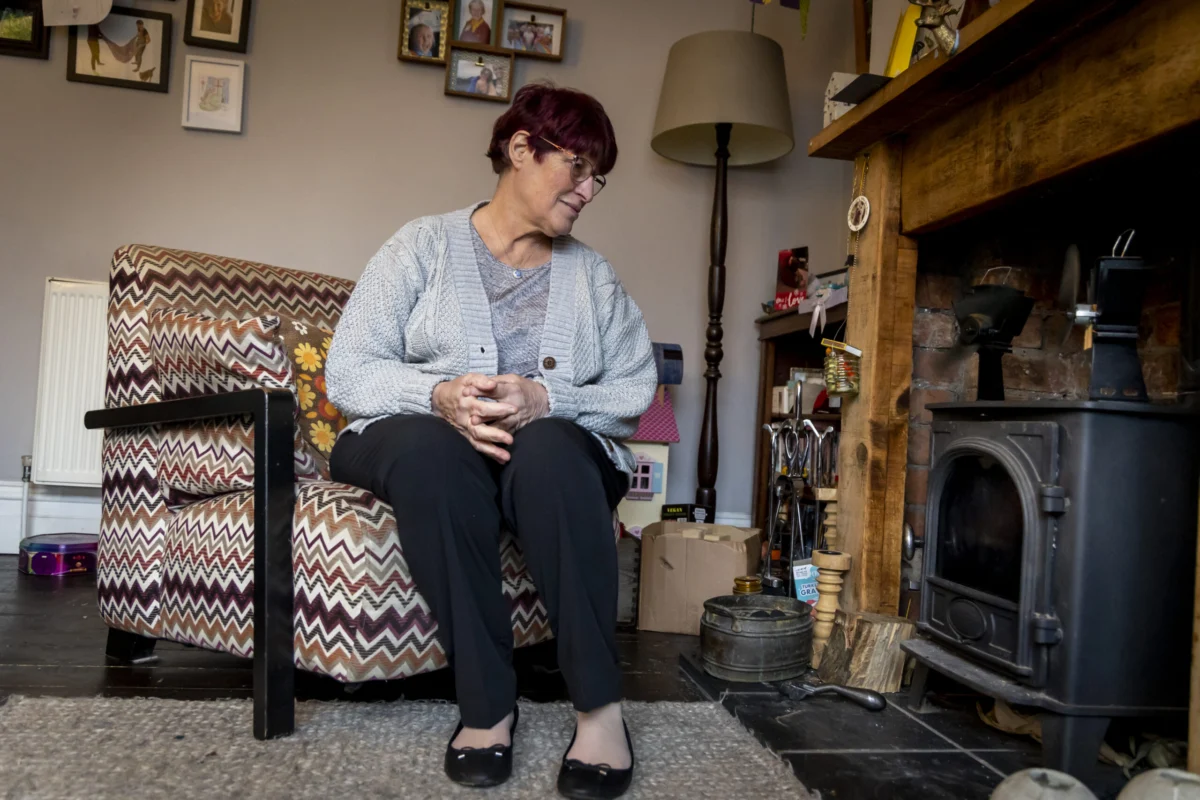
Age Action, Ireland’s leading advocacy organization for older people, has issued a formal challenge to all political parties and candidates contesting the 2024 general election, demanding a comprehensive and rights-based approach to aging policy. As the first weeks of the campaign unfold, the organization expressed significant concern that the specific needs, rights, and contributions of older citizens are being sidelined in the national discourse. Dr. Nat O’Connor, Senior Policy Adviser at Age Action, highlighted a growing disconnect between the political establishment and a demographic that represents nearly one-third of the Irish electorate. According to the organization, voters aged 60 and older feel increasingly ignored, with many reporting a lack of meaningful discussion regarding the systemic challenges they face, ranging from economic insecurity and digital exclusion to the inadequacies of the national healthcare and transport infrastructure.
The intervention by Age Action comes at a critical juncture in Irish politics. With the 2024 general election serving as a potential turning point for social policy, the organization is calling for more than just incremental changes or short-term budgetary "handouts." Instead, it is advocating for a fundamental shift in how the State perceives and interacts with its aging population. This includes a robust commitment to upholding equality, combating ageism, and ensuring that public services remain accessible to those who are not digitally literate or who prefer traditional methods of engagement. The organization argues that the lack of respect felt by older people is not merely a matter of sentiment but is reflected in the tangible difficulties they face in accessing basic utilities, banking services, and state support.
The Demographic Shift and the Power of the Older Vote
The statistical significance of the older demographic in Ireland cannot be overstated. Current figures indicate that there are over one million people in the country aged 60 or older. This group includes approximately 185,000 individuals aged 80 or older, a cohort that often requires more intensive health and social care support. In the context of the 2024 general election, these citizens constitute nearly one in three eligible voters. Historically, older voters in Ireland have demonstrated higher rates of turnout compared to younger cohorts, making their influence on the eventual composition of the Dáil substantial. Despite this "silver vote" potential, Age Action reports that feedback from its members suggests a pervasive feeling of being undervalued by the political class.
The demographic landscape is set to undergo an even more dramatic transformation over the next two decades. Projections from the Central Statistics Office (CSO) and other policy research bodies suggest that in just twenty years, the number of older people in Ireland will nearly double. This shift will see a significant increase in the number of people in "advanced older age," placing unprecedented demand on the state to provide adequate housing, healthcare, social care, and transport systems. Dr. O’Connor warned that none of the major political parties appear to be engaged in the long-term, strategic planning required to meet this eventuality. The failure to prepare for an aging population is viewed by Age Action as a major oversight that threatens the future stability of the Irish social contract.
Economic Security and the State Pension
A primary concern raised by older people in communication with Age Action is the increasing difficulty of making ends meet on the state pension. While recent budgets have seen nominal increases in pension rates, advocates argue these adjustments have failed to keep pace with the soaring cost of living, particularly in relation to energy costs, groceries, and healthcare expenses. The adequacy of the state pension is a cornerstone of Age Action’s platform. The organization maintains that the pension should not be viewed as a discretionary welfare payment but as a fundamental right that ensures a "Minimum Essential Standard of Living" (MESL).
The economic anxiety felt by older people is compounded by the rising costs of private services. As inflation remains a persistent issue, those on fixed incomes find their purchasing power eroded. Age Action has called for a benchmarking of the state pension to a percentage of average earnings to ensure that older people do not fall into poverty as the economy fluctuates. Furthermore, the organization is seeking clarity on how parties intend to address the "pension gap," particularly for women who may have taken time out of the workforce for caregiving duties and consequently face lower retirement incomes.
Digital Exclusion and the "Right to Choose"
One of the most pressing issues identified by Age Action in the current election cycle is the rapid and often forced digitalization of public and private services. Older people have expressed deep frustration at being coerced into using online platforms for banking, utilities, and even basic government services. This "digital by default" approach often leaves those without internet access or digital skills in a state of forced dependency or exclusion.
Age Action is campaigning for a "Right to Choose" policy, which would mandate that all essential services—including state agencies, banks, and utility providers—maintain non-digital pathways for engagement. This includes the retention of physical bank branches, over-the-counter services, and paper-based communication. The organization argues that the move toward a cashless and paperless society is being implemented without regard for the rights of older citizens, effectively treating them as second-class citizens in a modern economy. The frustration of trying to navigate automated phone systems or complex websites just to pay a bill or access a service is a recurring theme in the testimony provided by older people to the advocacy group.
Healthcare, Housing, and Transport Infrastructure
The anxieties of the aging population extend into the physical and social infrastructure of the country. In terms of healthcare, the demand is not just for acute hospital care but for a robust social care system that allows people to age in place within their own communities. Age Action is calling for a statutory right to home care, ensuring that support is based on need rather than a "postcode lottery." The current backlog in home care packages and the shortage of healthcare workers are seen as systemic failures that require urgent political intervention.
Housing also remains a critical concern. Many older people live in homes that are no longer suitable for their physical needs, yet there is a lack of "right-sizing" options—smaller, accessible, and energy-efficient homes within their existing communities. Age Action argues that the national housing strategy must include a specific focus on the needs of an aging population, including grants for home adaptations and the development of sheltered housing models.
Transport isolation is another factor contributing to the marginalization of older people, particularly in rural Ireland. While the Free Travel Scheme is a valued asset, its utility is limited if there are no reliable bus or train services available. The organization is calling for an expansion of rural transport links and the integration of community transport schemes into the national network to ensure that older people can remain active and connected to their communities.
Chronology of Aging Policy and Political Responses
The push for a rights-based approach to aging is not a new phenomenon in Irish politics, though progress has been slow. In 2013, the Irish government launched the National Positive Ageing Strategy (NPAS), which was intended to provide a blueprint for making Ireland a better place to grow old. However, Age Action and other NGOs have frequently criticized the lack of an implementation plan or dedicated funding for the strategy. Over the last decade, aging policy has often been subsumed into broader health or social welfare debates, rather than being treated as a distinct, cross-departmental priority.
In the lead-up to the 2024 election, political parties have begun to release manifestos with varying degrees of focus on older people. Traditionally, parties have competed on the basis of pension increases—often referred to as "the grey vote auction." However, the 2024 campaign is seeing a shift in rhetoric, if not yet in concrete policy. Opposition parties such as Sinn Féin have highlighted the need for better home care and the abolition of certain charges, while the government parties (Fine Gael and Fianna Fáil) have pointed to recent increases in the pension and the expansion of the GP visit card for older cohorts. Despite these measures, Age Action argues that the fundamental structure of how the state treats aging remains paternalistic rather than rights-based.
Analysis of Implications and the Path Forward
The 1,200-word mandate for change from Age Action highlights a broader societal challenge: how to transition from a youth-oriented policy framework to one that acknowledges the reality of a "longevity dividend." The implications of ignoring the aging population are significant. Failure to plan for the doubling of the 80+ population in the next 20 years will lead to a collapse in the social care system and a humanitarian crisis in housing and healthcare.
Furthermore, the rise of ageism—both in the workplace and in the provision of services—remains a barrier to full civic participation. Age Action is calling for the next government to appoint a dedicated Minister for Older People with a full cabinet seat, or at the very least, a cross-departmental task force with the power to ensure that all legislation is "age-proofed."
As the election campaign progresses, the organization’s "ten asks" serve as a benchmark for political accountability. These asks cover a broad spectrum, including:
- Benchmarking the state pension to ensure economic security.
- A statutory right to home care.
- A national "Right to Choose" for non-digital services.
- Investment in age-friendly housing and right-sizing options.
- Combatting ageism through legislative and educational initiatives.
- Ensuring rural and urban transport is accessible and frequent.
- Protecting the Free Travel Scheme and expanding its reach.
- Increasing the Fuel Allowance and addressing energy poverty.
- Supporting family carers who provide the bulk of support for older people.
- Implementing the National Positive Ageing Strategy with full funding.
The conclusion of Dr. O’Connor’s statement emphasizes that the way a society treats its oldest members is a reflection of its overall health and values. "Age Action is calling on all parties to take a new approach to ageing policy, based on the rights of older people and reflecting their diversity and diverse needs," he stated. For the 2024 general election to be truly inclusive, the voices of the one million people aged 60 and older must not only be heard but must be central to the formation of the next government’s program. The demographic shift is no longer a distant prospect; it is a current reality that demands immediate and sophisticated political leadership.