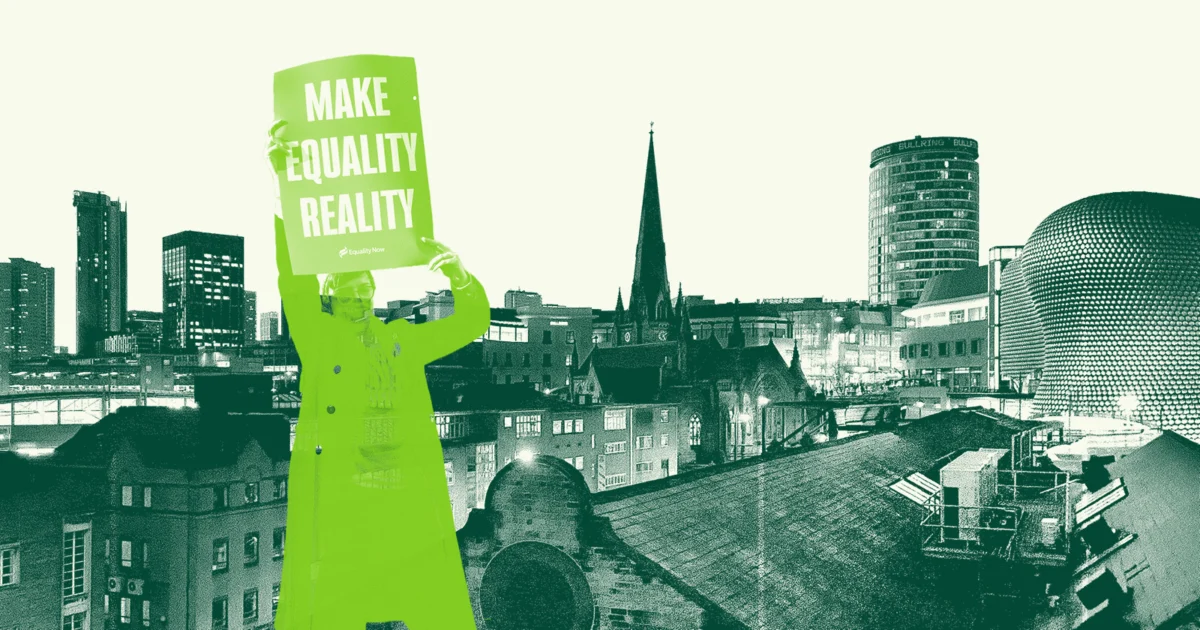
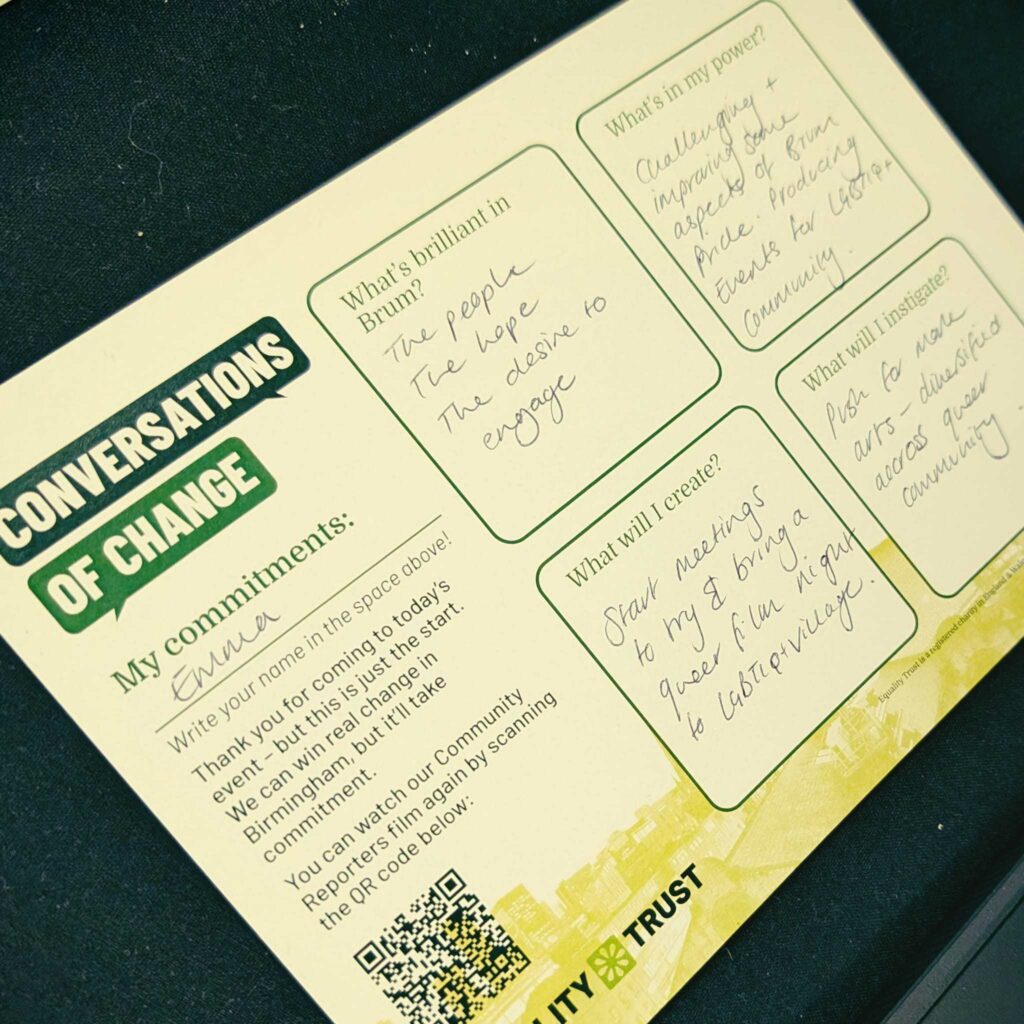
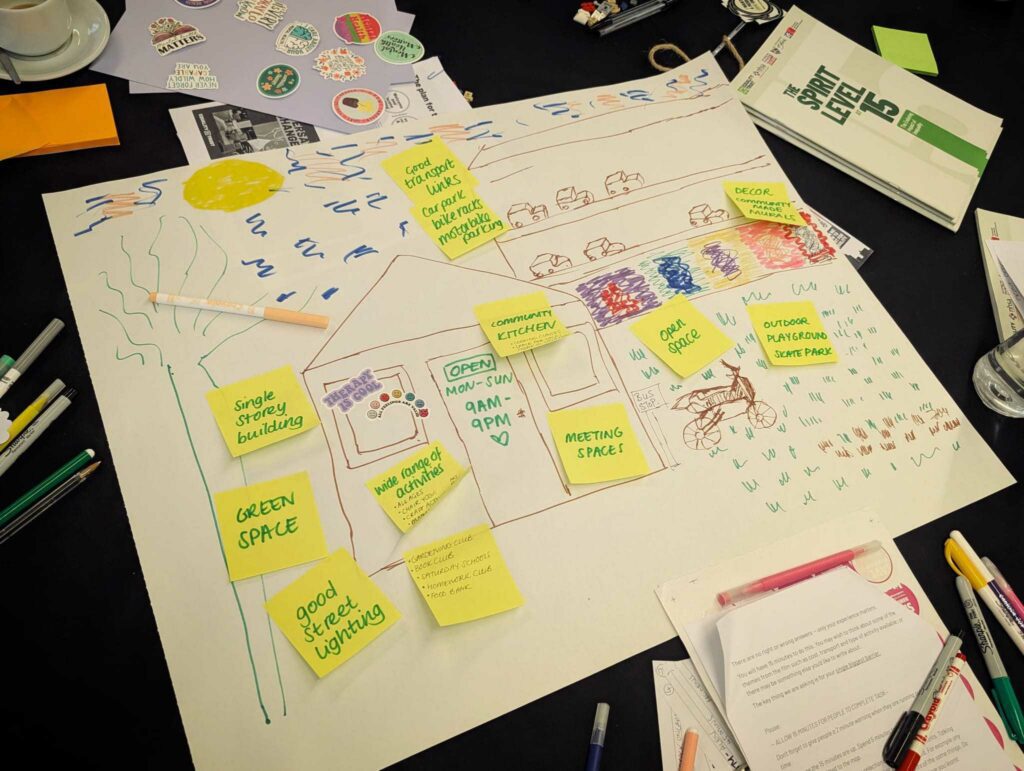
On January 29, 2026, the Midlands Arts Centre (MAC) in Birmingham served as the focal point for a significant civic intervention as activists, academics, and residents gathered to address the widening gap in cultural accessibility. Organized by The Equality Trust, the event featured a workshop and the premiere of a documentary film titled "Conversations of Change: Access to arts, culture, entertainment and recreation in Birmingham." The initiative, led by Charlie McNeill, Senior Project Officer for Socio-Economic Duty (SED), sought to provide a platform for "re-imagining" the city through the lens of equality, particularly in the face of unprecedented local government austerity and a persistent cost-of-living crisis.
The event brought together a diverse coalition of stakeholders, including representatives from the "Save Birmingham" campaign, researchers from Aston University, and organizers from the Flatpack Festival. At the heart of the proceedings was the work of three Community Reporters—Alev, Arash, and Jennifer—who spent months documenting the lived experiences of Birmingham residents. Their findings highlight a disturbing trend: as public funding for the arts evaporates, the city’s cultural life is becoming increasingly stratified, leaving low-income communities excluded from the very activities that foster social cohesion and mental well-being.

The Socio-Economic Context: A City at a Crossroads
The timing of the workshop and film screening is critical. Birmingham, the United Kingdom’s second-largest city, has been grappling with a severe financial crisis following the issuance of a Section 114 notice by the City Council in late 2023, effectively declaring the local authority bankrupt. This financial collapse has necessitated drastic measures, including a 21% increase in council tax over two years and the implementation of £300 million in budget cuts.
These cuts have disproportionately affected non-statutory services, such as youth centers, community hubs, and arts grants. According to data from the Office for National Statistics (ONS) and local advocacy groups, the withdrawal of public subsidies for the arts has led to a direct increase in ticket prices and the closure of several grassroots venues. Furthermore, the broader cost-of-living crisis—characterized by high inflation and rising energy costs—has reclassified leisure and culture from a social right to an unaffordable luxury for many families.
The film produced by Alev, Arash, and Jennifer documents this shift with precision. Through a series of interviews with residents from various socio-economic backgrounds, the reporters illustrated how the "broken system" of contemporary urban economics manifests in local lives. For many "Brummies," the barriers to participation are not merely financial; they are also geographical and psychological, as public transport costs rise and community spaces are sold off to private developers.
The Community Reporting Model: Empowering Local Voices
The Equality Trust’s Community Reporting program is built on the principle that those most affected by inequality are best positioned to diagnose its causes and propose solutions. By training Alev, Arash, and Jennifer in investigative techniques and storytelling, the project moved beyond traditional top-down sociological research.
"Our reporters decided to explore how experiences of socio-economic inequality affect access to arts and recreation, and the knock-on impact this has on community cohesion," the organizers stated during the workshop. The resulting film, "Conversations of Change," acts as a testimonial of resilience. It captures the stories of young people who can no longer afford music lessons, elderly residents who have lost their local community centers, and artists who are struggling to find affordable spaces to work.
By centering these voices, the project challenges the narrative that cultural spending is "discretionary" or secondary to other municipal needs. Instead, the film argues that access to culture is a fundamental component of economic justice, providing the social fabric that prevents isolation and fosters a shared civic identity.
Collaborative Solutions: Insights from Local Stakeholders
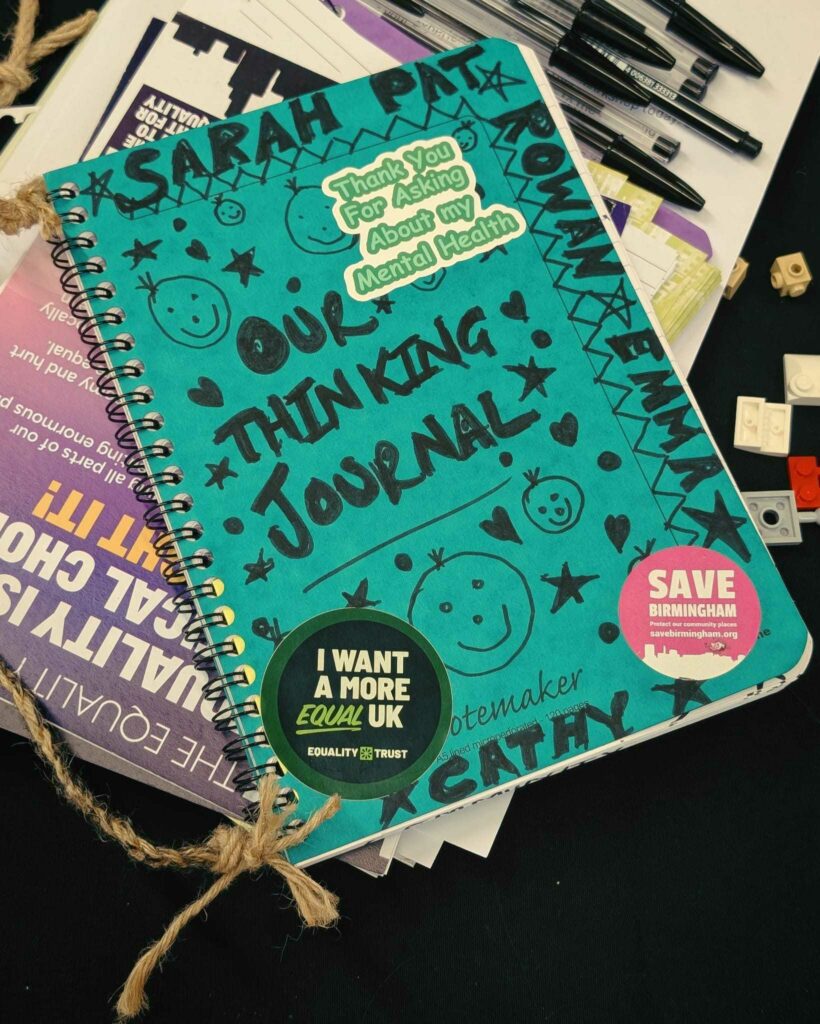
The workshop portion of the event facilitated a dialogue between the public and experts in various fields. Kathy Hopkin of "Save Birmingham" provided a sobering analysis of the city’s current landscape. Her organization has been at the forefront of the fight to protect local assets from being liquidated to pay off council debts. Hopkin emphasized that once a library or community center is sold, it is rarely recovered, leading to a permanent "cultural desertification" of certain neighborhoods.
Dr. Patrycja Rozbicka, a researcher from Aston University specializing in the nighttime economy and cultural policy, contributed an academic perspective on the importance of maintaining a diverse cultural ecosystem. Dr. Rozbicka’s research suggests that a city’s economic health is intrinsically linked to its cultural vibrancy. When festivals and venues close, the local economy loses not just jobs, but the "social capital" that attracts investment and retains talent.
Ian Francis, representing the Flatpack Festival, discussed the practical challenges of maintaining arts programming in a climate of scarcity. He noted that while Birmingham has a rich history of DIY culture and independent creativity, the lack of institutional support is pushing many organizers to the brink of burnout. The consensus among the speakers was clear: without a radical shift in how the city values its cultural infrastructure, the gap between the "haves" and "have-nots" will continue to widen.
Analysis: The Implications of Cultural Exclusion
The findings presented at the Midlands Arts Centre suggest that the "re-imagining" of Birmingham requires more than just better funding; it requires a structural change in how socio-economic rights are protected. The Equality Trust has long advocated for the full implementation of the Socio-Economic Duty (Section 1 of the Equality Act 2010), which would require public bodies to consider how their decisions can reduce the inequalities resulting from socio-economic disadvantage.
The lack of access to arts and culture is a significant indicator of "poverty of opportunity." When a child in a marginalized neighborhood cannot access a library or a sports club, their world shrinks. This exclusion has long-term implications for social mobility. Data from the Creative Industries Policy and Evidence Centre (PEC) indicates that individuals from working-class backgrounds are significantly underrepresented in the arts and cultural sectors. By erecting financial barriers to cultural participation at the local level, cities like Birmingham risk entrenching these disparities for the next generation.
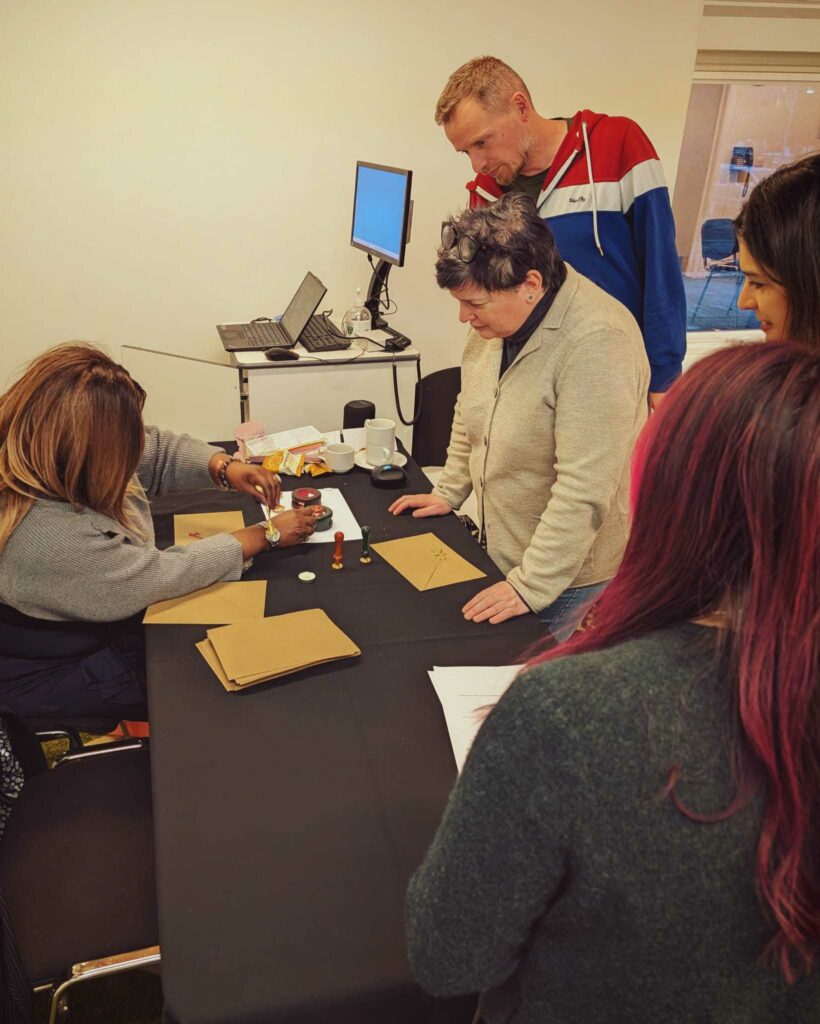
Furthermore, the workshop participants identified that the loss of community spaces contributes to a decline in "community cohesion." In a city as diverse as Birmingham, cultural venues often serve as neutral grounds where different ethnic and social groups can interact. As these spaces disappear, social silos become more pronounced, potentially leading to increased social tension.
Chronology of the Project and Future Outlook
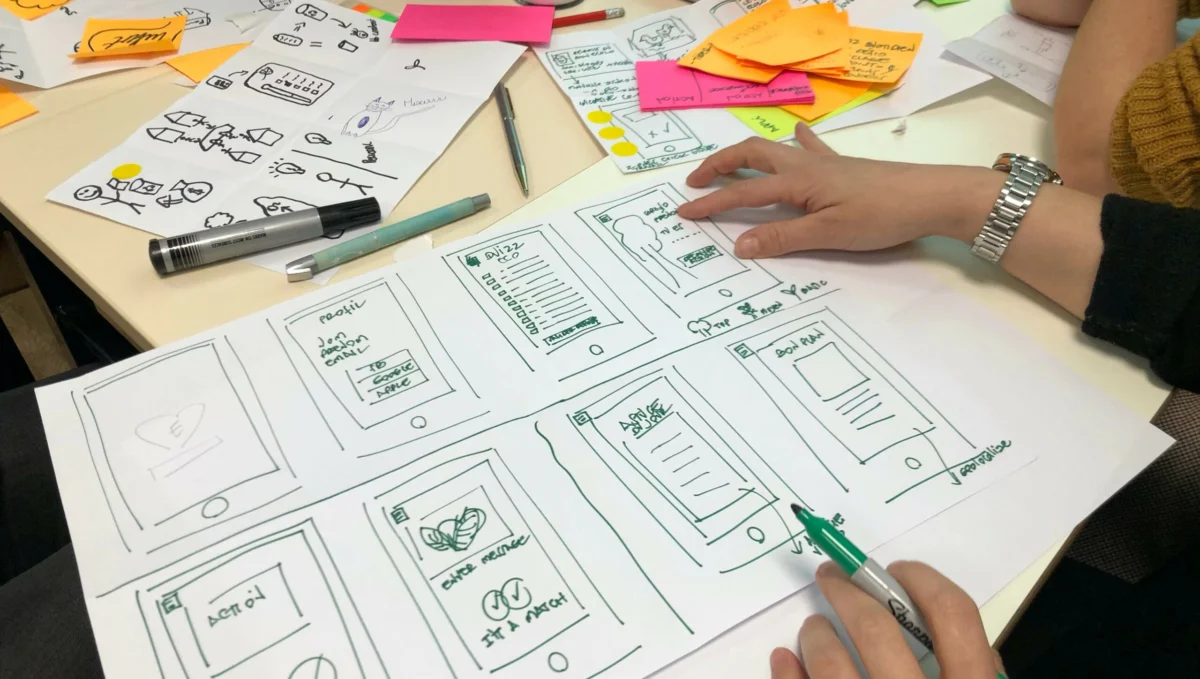
The January 29th event was the culmination of a year-long initiative funded by the Barrow Cadbury Trust as part of its "Economic Justice" place-based program. The project followed a structured timeline designed to maximize community impact:
- Spring 2025: Recruitment and training of Community Reporters in Birmingham, focusing on socio-economic rights and media production.
- Summer 2025: Fieldwork and interviews conducted across the city, targeting neighborhoods most affected by budget cuts.
- Autumn 2025: Post-production of the film "Conversations of Change," led by film editor Keiran Fuller, in collaboration with the reporters.
- January 2026: Public screening and "re-imagining" workshop at the Midlands Arts Centre to translate findings into policy recommendations.
- Spring 2026 and Beyond: The Equality Trust intends to use the film and the data gathered during the workshop to lobby local and national government officials for the protection of cultural assets and the adoption of the Socio-Economic Duty.
The success of the event in Birmingham serves as a blueprint for other UK cities facing similar financial constraints. By combining grassroots reporting with academic rigor and civic activism, The Equality Trust has demonstrated that even in times of austerity, the demand for an equal and vibrant city remains undiminished.
The organizers concluded the event by thanking the "storytellers" who shared their experiences, noting that their courage in speaking out is the first step toward systemic change. As the city of Birmingham continues to navigate its financial recovery, the voices captured in "Conversations of Change" will remain a vital reminder that a city’s true wealth lies not in its balance sheets, but in the accessibility of its culture and the strength of its communities.
For those interested in the ongoing work of the Community Reporters or the campaign for economic justice in the West Midlands, the Equality Trust has encouraged residents to engage with local advocacy groups and participate in future consultations regarding the city’s cultural strategy. The film "Conversations of Change" is now available for public viewing online, serving as both a document of the current crisis and a manifesto for a more equitable future.