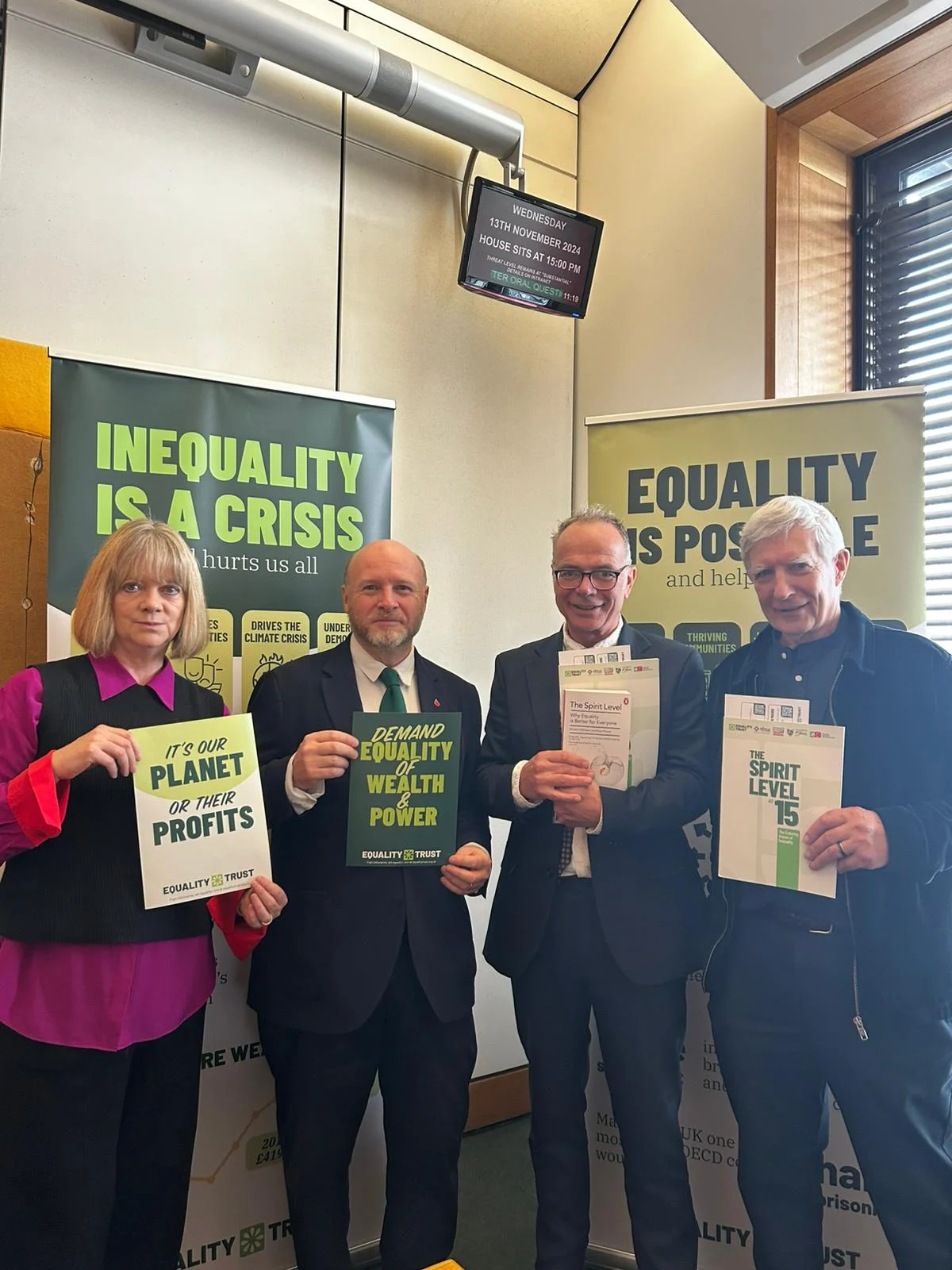
The Equality Trust, a prominent advocacy organization dedicated to reducing social and economic inequality in the United Kingdom, has officially unveiled the results of its "Community Economist" project, a pioneering initiative designed to demystify economic systems and empower ordinary citizens to advocate for structural change. Launched as a collaborative effort involving volunteers from diverse regions—ranging from the urban centers of London to the rural landscapes of Scotland—the project marks a significant shift in how economic research is conducted and disseminated. By prioritizing lived experience over traditional academic metrics, the initiative seeks to challenge the prevailing sentiment that the economy is an immutable force governed by inaccessible laws and elite interests. Instead, the project asserts that the economy is a human-made construct that should, by definition, serve the collective well-being of the population.
The Genesis and Objectives of the Community Economist Initiative
The Community Economist project was conceived against a backdrop of increasing economic volatility and a growing sense of disenfranchisement among the British public. For decades, economic discourse has been dominated by technical jargon and high-level data points, such as Gross Domestic Product (GDP) and Consumer Price Index (CPI) fluctuations, which often fail to capture the day-to-day realities of the working class. The Equality Trust recognized that this "knowledge gap" often prevents marginalized communities from participating in policy discussions that directly affect their lives.
The primary objective of the project was to pilot a form of community reporting that functions as part research, part education, and part social action. By training individuals with no formal background in economics but significant experience with economic hardship, the project aimed to produce a "bottom-up" analysis of the UK’s financial landscape. This approach is rooted in the belief that those who experience the failures of the current system are best positioned to identify its flaws and propose viable alternatives.
Chronology of the Project: From Recruitment to Reporting
The implementation of the Community Economist project followed a rigorous timeline, beginning with a nationwide recruitment drive in mid-2025. The Equality Trust reported a high volume of applications from individuals across the UK, many of whom expressed a desire to move beyond passive observation of economic trends toward active participation in community-led change. Following a competitive selection process, ten volunteers were chosen to form the inaugural cohort of Community Economists.
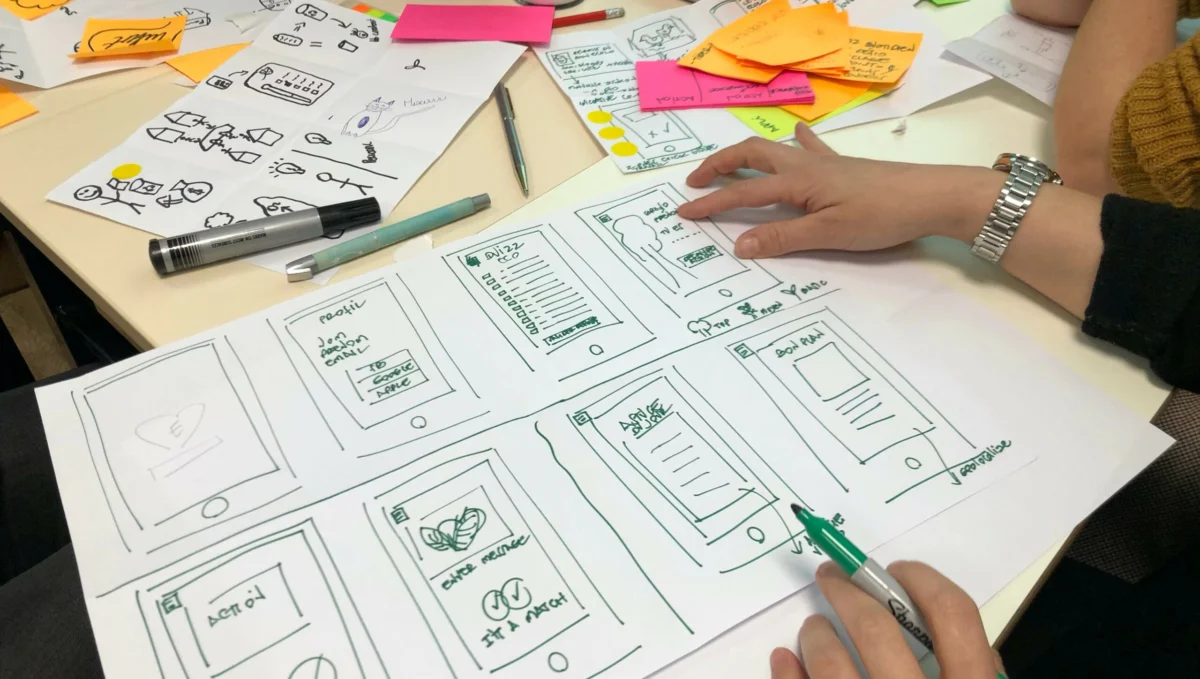
The subsequent twelve weeks were dedicated to an intensive training program. These workshops were designed not to instill traditional neoliberal economic theories, but to provide the volunteers with the tools necessary for qualitative research and narrative advocacy. The curriculum focused on several core competencies:
- Storytelling and Interviewing: Volunteers learned how to conduct ethical, in-depth interviews that allowed participants to share their personal histories without feeling scrutinized.
- Thematic Analysis: The cohort was trained to identify recurring patterns in the stories they collected, moving from individual anecdotes to broader systemic critiques.
- Economic Literacy: Participants explored the historical and political decisions that shaped the modern UK economy, demystifying concepts such as austerity, wealth taxation, and social security.
The central inquiry guiding their research was: "What would it be like if everyone had what they needed to live a good life, and how would that be different from how things are now?" Using this framework, the Community Economists returned to their respective communities to gather over ten hours of raw interview footage and dozens of written testimonials.
Supporting Data: The Socio-Economic Context of 2026
The findings of the Community Economist project are bolstered by broader economic data reflecting the state of the UK in early 2026. Despite various government interventions, the gap between the wealthiest and poorest households has remained a point of significant concern. According to recent figures from the Office for National Statistics (ONS) and independent think tanks, wealth inequality in the UK remains at levels not seen since the early 20th century.
Data indicates that the richest 1% of households hold more wealth than the bottom 70% of the population combined. Furthermore, the "poverty premium"—where low-income households pay more for essential goods and services such as energy and credit—has continued to erode the purchasing power of families in the North of England, the Midlands, and parts of Scotland. The Community Economists’ research found that these statistics translate into a pervasive sense of "economic claustrophobia," where individuals feel unable to plan for the future due to the immediate pressures of housing costs and stagnant wages.
In London, volunteers highlighted the specific impact of the housing crisis, noting that even those in full-time professional employment are often one missed paycheck away from homelessness. In contrast, the reports from Scotland emphasized the importance of community-owned assets and the potential for regional autonomy to address local economic needs.
Analysis of Key Findings: A Human-Centric Economy
The resulting insight report and accompanying documentary film illustrate how economic decisions—often made in boardrooms or government offices—reverberate through every aspect of human life. The research identified four key areas where the current economic model is failing the majority of the population:
1. The Erosion of Aspirations
The project found that economic inequality acts as a ceiling on human potential. Interviewees frequently described how the lack of a financial safety net prevented them from pursuing further education or entrepreneurial ventures. The "narrative of meritocracy" was widely criticized as being disconnected from a reality where access to opportunities is heavily mediated by inherited wealth.
2. The Strain on Relationships
A significant portion of the collected data focused on the psychological and social costs of financial instability. Participants noted that the stress of "making ends meet" often led to the breakdown of family units and a decline in community cohesion. Economic justice, the report argues, is therefore a prerequisite for social and mental health.
3. The Housing-Education Nexus
The Community Economists identified a clear link between housing security and educational outcomes. The constant threat of eviction or the need to move frequently for cheaper rent disrupts children’s schooling and prevents long-term community integration, creating a cycle of disadvantage that is difficult to break.
4. The Desire for Agency
Perhaps the most consistent finding was a profound desire for agency. Participants did not merely want "handouts"; they wanted a seat at the table where economic rules are written. There was a strong consensus that the economy should be democratized, with more emphasis on cooperatives, community land trusts, and participatory budgeting.
Official Responses and Broader Implications
The Equality Trust has stated that the release of this report is merely the first phase of a multi-year strategy. While the organization has long been a critic of the "top-down" approach to economic policy, the Community Economist project provides a new, evidence-based model for grassroots advocacy.
Economic analysts have noted that this project arrives at a time when traditional economic models are under increasing scrutiny. The "Community Economist" approach aligns with the growing movement for "Community Wealth Building," which has seen success in cities like Preston in the UK and Cleveland in the United States. By focusing on local multipliers and keeping wealth within the community, these models offer a tangible alternative to the extractive nature of globalized finance.
Spokespersons for social justice coalitions have praised the project for its emphasis on "narrative power." They argue that by changing the way people talk about the economy, the project makes structural reform seem not only necessary but possible. The shift from seeing the economy as a "weather pattern" to seeing it as a "set of choices" is viewed as a vital step in mobilizing the public for future legislative battles regarding wealth taxes and public service funding.
The Path Ahead: Phases 2 and 3
The Equality Trust has outlined a clear roadmap for the future of the initiative. Moving into Phase 2, the organization will utilize the insights gathered by the Community Economists to conduct focused workshops and message testing. The goal is to develop a language of economic reform that resonates across the political spectrum and addresses the "private worries" identified in the interviews.
Phase 2 will also involve intensive coalition building, as the Community Economists work with labor unions, local councils, and other advocacy groups to build a unified front for economic justice. By turning community conversations into "community power," the project seeks to influence the national policy agenda ahead of upcoming electoral cycles.
In Phase 3, the project will culminate in direct social action. The evidence and energy gathered throughout the first two phases will be channeled into campaigns aimed at achieving specific policy changes, such as the implementation of a Living Wage that reflects the actual cost of a "good life" or reforms to the social security system that prioritize dignity over conditionality.
The Community Economist project stands as a testament to the idea that expertise is not solely the province of those with advanced degrees in finance. By elevating the voices of those who live the economy every day, The Equality Trust is laying the groundwork for a more inclusive, equitable, and human-centered financial future for the United Kingdom. As the report concludes, "people make economies," and it is through the collective action of those people that the economy can finally be made to serve the many, rather than the few.