The past two years have plunged the world into an unprecedented era of rapid experimentation and profound shifts in the nature of work, largely driven by the ongoing pandemic. While the immediate focus often remains on remote work and digital transformation, a more subtle yet equally impactful transformation has been unfolding: the escalating polarization within society, which has inevitably seeped into the workplace, fueling a surge in employee activism and fundamentally altering expectations of corporate leadership. This period has brought to the fore complex questions about organizational purpose, the treatment of people, the evolution of processes and policies, and, crucially, the management of deepening divisions and the rise of employee-driven advocacy.
Societal Undercurrents and Amplified Divisions
Even before the COVID-19 pandemic, many nations grappled with increasing social and political fragmentation, marked by the rise of populism, identity politics, and growing distrust in traditional institutions. The pandemic, however, acted as a powerful accelerant, intensifying these fault lines and introducing new vectors of division. Research conducted across 17 countries revealed a stark reality: 60% of people perceived their society as more divided than before the pandemic, a significant 30% increase from pre-crisis levels. This heightened sense of division stems from a complex interplay of factors, including differing views on public health measures, economic anxieties, and the uneven distribution of the pandemic’s burdens and benefits. The collective experience of sadness, loss, fear, and a pervasive lack of control, often coupled with anger and frustration, has spilled over from the personal sphere into broader societal discourse, creating an environment ripe for contention.
Workplace Battlegrounds: Vaccine Mandates and Customer Rage
The workplace, traditionally viewed as a neutral ground, quickly became a microcosm of these societal tensions. One of the most contentious issues to emerge was the implementation of "no jab, no job" or similar vaccine mandate policies. For many, requiring vaccination to return to the office, attend in-person meetings, or interact with clients and customers was seen as a necessary public health measure, a collective responsibility for the greater good. However, for a significant segment of the workforce, these mandates represented an overreach of employer control, an infringement on personal autonomy, and a challenge to deeply held beliefs. This clash of perspectives created internal friction, leading to legal challenges, employee protests, and difficult decisions for organizations navigating a patchwork of government regulations and varying employee sentiments.
Beyond internal divisions, the pandemic also unleashed a disturbing phenomenon dubbed "COVID rage," particularly affecting frontline workers. High levels of frustration and fatigue globally, evidenced by over 50,000 pandemic-related protests, manifested in increasing accounts of customer abuse towards employees. Sectors like hospitality and service were particularly vulnerable, with reports indicating that up to 80% of workers had either witnessed or directly experienced such abuse. This aggression, fueled by stress, fear, and a sense of entitlement, placed immense pressure on essential workers, exacerbating burnout and mental health crises, and prompting calls for stronger employer protections and more robust support systems for staff.
The Widening Chasm of Inequality
Compounding these issues was the undeniable widening of existing inequalities. The pandemic exposed and amplified disparities in wealth, healthcare access, and economic opportunity. The "K-shaped recovery," where some sectors and demographics thrived while others lagged, became starkly apparent. Globally, access to COVID-19 vaccines became a critical determinant of economic recovery and personal safety, yet distribution remained highly unequal, favoring wealthier nations and exacerbating the gap between the "haves" and the "have-nots." This global inequity, coupled with domestic disparities, fueled resentment and a perception of injustice, contributing to the broader climate of social unrest and activism. For organizations, this meant confronting not only internal equity issues but also their role in perpetuating or alleviating these broader societal imbalances, particularly concerning fair wages, benefits, and job security for their lowest-paid employees.
Erosion of Trust and the Rise of the "Belief-Driven Employee"
The seeds of declining trust in public officials and civic institutions had been sown long before the pandemic, a trend further eroded by perceived governmental failures, misinformation campaigns, and the politicization of public health. A global study in August 2021 revealed a profound lack of trust among younger generations: Millennials and Generation Z, in particular, expressed higher "faith in governance by a system of artificial intelligence than by a fellow human being." This startling preference underscores a deep-seated disillusionment with traditional leadership, driven by concerns over corruption, stale political systems, and threats to physical safety posed by surveillance and militarized policing, especially against activists and people of color.
In this vacuum of trust, employees increasingly turned to their workplaces for moral leadership. The "belief-driven employee" emerged as a dominant force, expecting and demanding that their workplace leaders take a public stand on key social issues. Global research, such as the Edelman Trust Barometer Special Report, highlighted this shift, with as high as 76% of employees globally expecting their CEOs to speak out on societal matters. This expectation transcended mere statements; it demanded tangible action. For a workforce increasingly skeptical of rhetoric, corporate values needed to be demonstrably lived, not just articulated in mission statements.
A New Era of Employee Activism: From Social Justice to Labor Rights
The tragic murder of George Floyd in May 2020 served as a pivotal moment, igniting a global surge in Black Lives Matter and anti-racism activism across more than 60 countries. This movement, alongside other campaigns addressing various forms of inequality and discrimination, brought discussions about social justice from the fringes directly into mainstream society and, critically, into the workplace. Employees, particularly younger generations, were not only witnessing these societal shifts but were actively participating in them, bringing their convictions and demands for change to their employers.
This era of heightened social consciousness empowered employees to become active change-makers within their organizations. The August 2021 Edelman survey indicated that 60% of employees felt empowered to drive change in their workplaces. More significantly, 75% globally stated they would take action to advance urgently needed changes within their organizations, with a striking 40% willing to go public through whistleblowing, protesting, or social media posts if their concerns were not addressed internally. This willingness to engage in public advocacy marked a significant departure from traditional employee behavior, signaling a new level of conviction and a readiness to leverage external platforms to push for internal transformation.
Concurrently, the United States witnessed a notable resurgence of interest in labor unions. After decades of decline, the pandemic, with its focus on worker safety, fair wages, and essential worker status, galvanized employees to seek collective bargaining power. Unions were increasingly viewed as crucial vehicles for safeguarding human rights at work and for giving employees a voice in redesigning organizational cultures. This renewed enthusiasm manifested in tangible actions: during October 2021 alone, more than 25,000 workers were on strike in the U.S., a significant increase compared to an average of 10,000 during the preceding three months. These strikes often extended beyond traditional wage disputes to encompass issues of safety, dignity, and a greater say in workplace policies, further illustrating the active role employees were taking in shaping their professional environments.
The Leadership Imperative: Bridging the Credibility Gap
The landscape for organizational leaders has undeniably shifted. The era of the "silent executive" on Diversity, Equity, and Inclusion (DEI) issues has unequivocally ended. Employees are no longer satisfied with platitudes or performative statements; they demand authentic, consistent action that aligns with stated corporate values. However, the data suggests a significant disconnect: a global survey revealed that only 48% of employees believed their employers were genuinely acting on their values. This credibility gap carries substantial risks, directly impacting trust, leadership legitimacy, and employee engagement.
This misalignment between corporate rhetoric and reality has profound implications for talent retention. The "Great Resignation," or the "Great Reassessment" as some term it, saw a significant portion of the workforce re-evaluating their priorities and workplace expectations. The Edelman report indicated that 33% of employees quit their jobs because their employer "didn’t speak out about a societal or political issue the employee felt it had an obligation to address." This statistic underscores the tangible cost of inaction: organizations that fail to demonstrate authentic commitment to social issues risk losing valuable talent, particularly those highly engaged and purpose-driven individuals who are most likely to drive innovation and positive change. The expectation is now for leaders to transcend mere management and embody inclusive leadership, becoming genuine "allies by action" rather than simply posting on social media.
Looking Ahead: The Call for Inclusive and Action-Oriented Leadership
The confluence of societal polarization, declining institutional trust, and empowered employee activism presents a formidable challenge and a unique opportunity for organizations. Leaders are now tasked with navigating a complex terrain where internal divisions mirror external ones, and where the moral compass of the company is under constant scrutiny. This requires a profound shift in leadership mindset and strategy.
Organizations must move beyond reactive measures to proactive engagement with social issues. This involves fostering open dialogue, even on contentious topics, and creating safe spaces for employees to express diverse viewpoints without fear of reprisal. It necessitates a deep commitment to understanding the root causes of polarization and inequality within the organization and taking concrete steps to address them. Leaders must demonstrate empathy, transparency, and a willingness to learn and adapt.
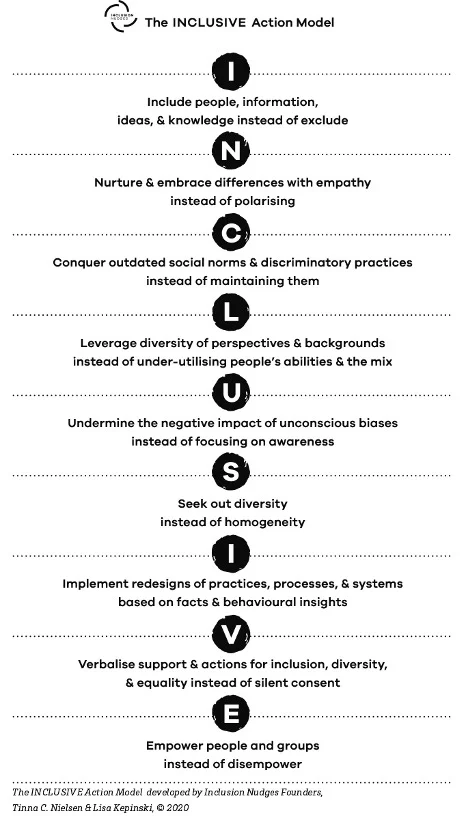
Furthermore, the integration of DEI initiatives must evolve from isolated programs to an intrinsic part of the organizational culture and strategic framework. This means embedding principles of equity and inclusion into every process, policy, and decision, from hiring and promotion to supply chain management and community engagement. The data shows that employees are ready and willing to contribute to this transformation; organizations that empower them, listen to their concerns, and translate those concerns into meaningful action will be better positioned to attract, retain, and motivate a diverse workforce. Tools and frameworks, such as "Inclusion Nudges," which utilize behavioral science to foster inclusive behaviors, can be invaluable in translating abstract commitments into practical, actionable steps that drive systemic change.
The pandemic era has irrevocably changed the social contract between employees and employers. The demand for purpose-driven work and socially responsible leadership is not a passing trend but a fundamental recalibration of priorities. Organizations that embrace this new reality, actively work to bridge divides, and champion authentic action on social justice issues will not only build more resilient and engaged workforces but will also solidify their reputation as responsible corporate citizens in an increasingly fractured world. The path forward demands courageous, empathetic, and action-oriented leadership, committed to fostering workplaces where every individual feels seen, valued, and empowered to contribute to a more just and equitable future.